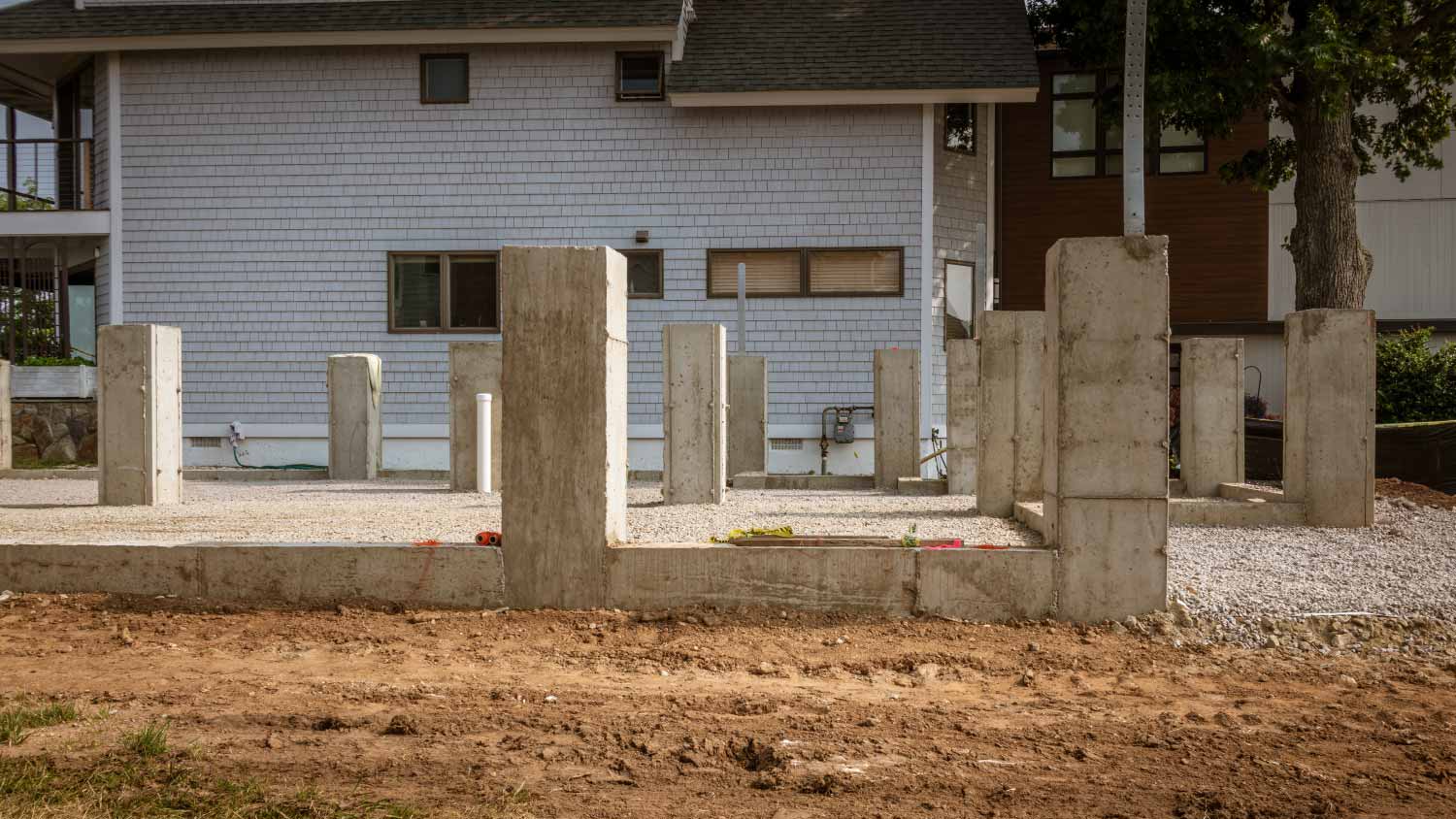
Why You Should Consider Brown Foundation Repair for Your Texas Home
Brown Foundation Repair is a premier choice for homeowners in the Dallas-Fort Worth metroplex due to its 60-plus years of experience handling North Texas’s volatile expansive clay soils. By utilizing a combination of time-tested pierin...
Brown Foundation Repair is a premier choice for homeowners in the Dallas-Fort Worth metroplex due to its 60-plus years of experience handling North Texas’s volatile expansive clay soils. By utilizing a combination of time-tested piering methods, transferable lifetime warranties, and comprehensive drainage solutions, they provide the structural stabilization necessary to protect long-term property value.
Contents
The foundation of a home is its most critical structural element, yet in regions like North Texas, it is also the most vulnerable. The soil in this area, often referred to as "Texas Gumbo," expands and contracts aggressively with moisture changes. This movement creates immense pressure on concrete slabs and pier-and-beam structures. Choosing a specialized contractor like Brown Foundation Repair is not merely about fixing a crack; it is about implementing a forensic engineering approach to soil mechanics and structural support.
The Significance of Local Expertise in North Texas Soils
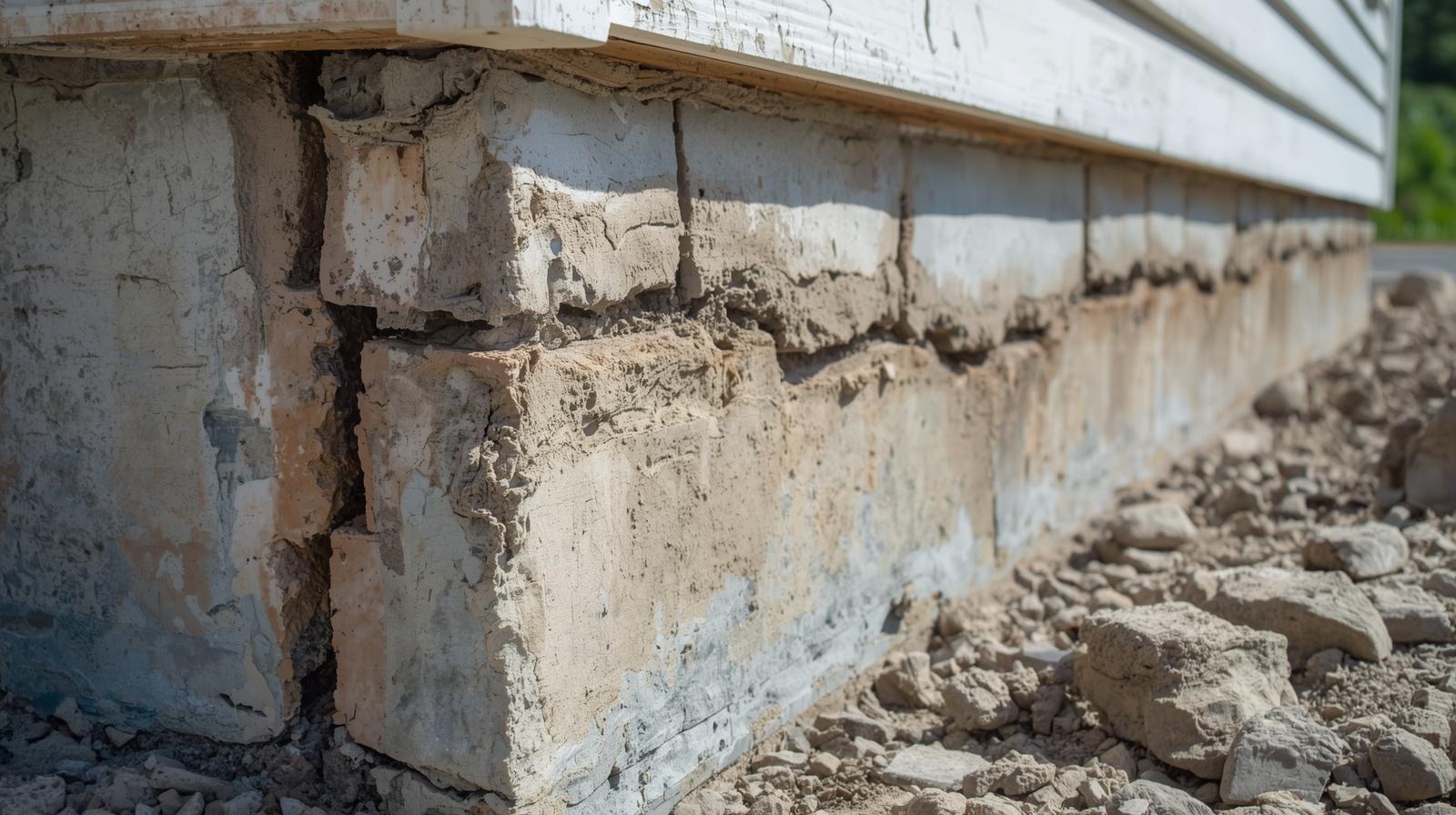
To understand why Brown Foundation Repair stands out, one must first understand the geological challenges of the region. Most of North Texas sits atop various layers of expansive clay. These clays are chemically active; when it rains, they soak up water and swell, lifting the foundation. During the frequent droughts seen leading into 2026, the clay shrinks, leaving voids beneath the concrete.
Brown Foundation Repair has operated in this specific environment since 1963. This longevity is significant because foundation repair is an industry where companies frequently appear and disappear, leaving "lifetime" warranties worthless. A company that has survived six decades of Texas weather cycles has demonstrated that its methods can withstand the specific hydrostatic pressures and soil shear unique to the Dallas-Fort Worth area.
Local expertise also means familiarity with municipal building codes. In 2026, cities like Dallas, Plano, and Irving have strict permitting and engineering report requirements for foundation work. Brown Foundation Repair manages these regulatory hurdles, ensuring that all work is backed by third-party engineering or city inspections, which is vital for the future sale of the property.
Advanced Repair Methods: Concrete and Steel Piering
Brown Foundation Repair does not rely on a "one size fits all" solution. Instead, they offer different piering systems based on the specific needs of the structure and the depth of the stable soil or bedrock.
Concentric Pressed Concrete Piers
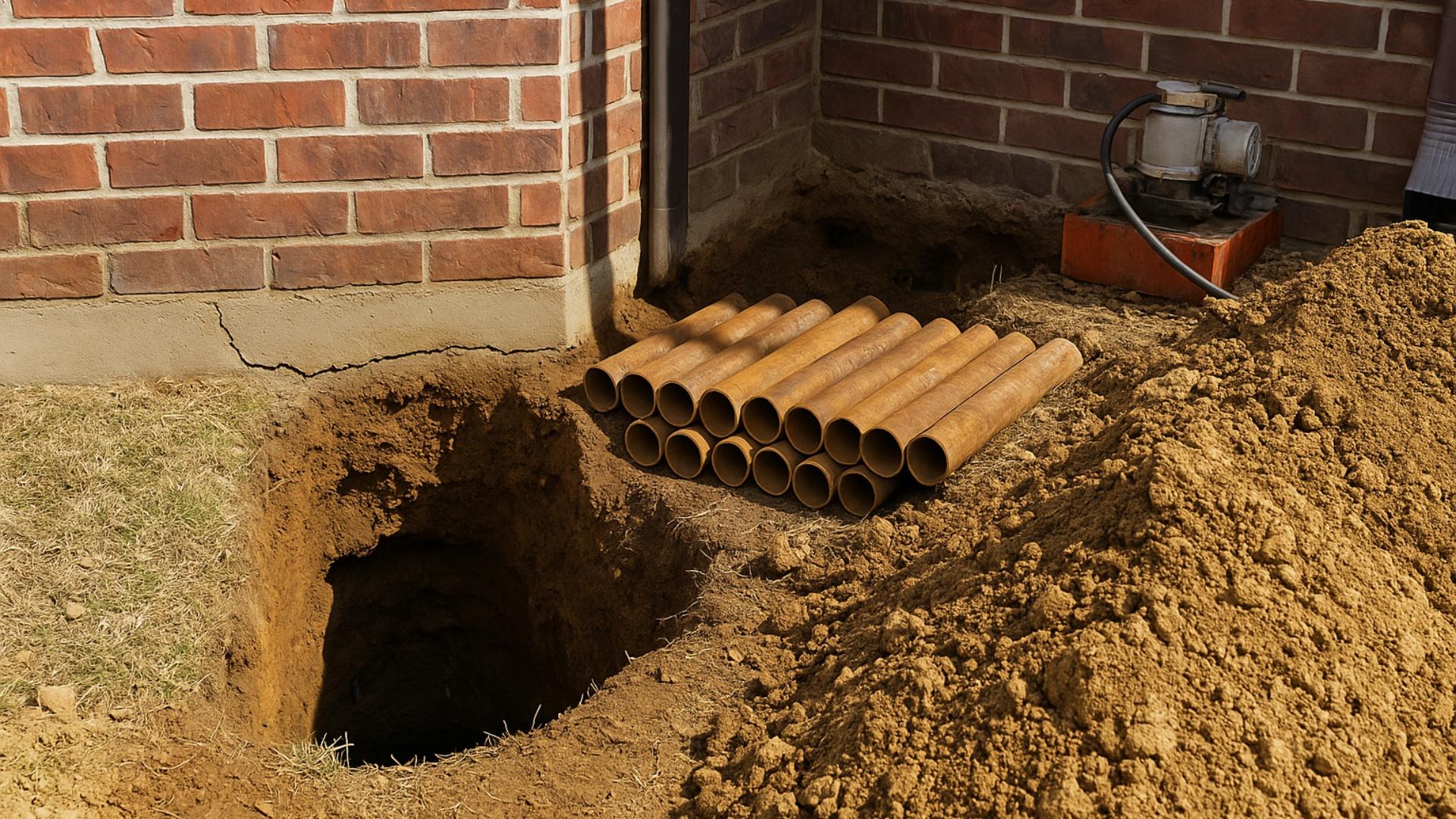
This is the most common method used in residential neighborhoods. Concrete cylinders are hydraulically driven into the ground using the weight of the house as a counter-force. These piers are driven until they reach "refusal," meaning they have hit a layer of soil or rock that can support the load. Brown’s approach ensures that the piers are aligned vertically to prevent shifting over time.
Steel Pier Systems
For homes built on particularly deep clay or in areas where stable soil is located dozens of feet below the surface, steel piers are often recommended. These piers are made of high-quality steel and can be driven much deeper than concrete. While more expensive, they provide a higher level of stability for heavy structures or multi-story homes.
Mudjacking and Polyurethane Injection
Not every foundation issue requires deep piers. Sometimes, the interior of a slab has "dished" or settled due to soil erosion or plumbing leaks. Brown Foundation Repair utilizes mudjacking—a process of pumping a slurry of concrete and soil under the slab—or modern polyurethane foam injection to level interior floors without the need for extensive excavation.
Comprehensive Drainage Correction and Prevention
A common mistake homeowners make is assuming that piers alone will solve foundation issues. If the underlying cause—poor water management—is not addressed, the foundation will continue to move. Brown Foundation Repair emphasizes a holistic approach that includes drainage correction.
Surface Drains and French Drains If water pools near the foundation after a rainstorm, it saturates the clay and causes localized swelling. Brown designs and installs surface drainage systems to catch runoff and French drains to intercept subsurface water. By keeping the moisture levels consistent around the perimeter of the home, they reduce the frequency of the "heave and shrink" cycle.
Root Barriers In established North Texas neighborhoods, large oak and pecan trees are often the culprits behind foundation failure. A mature tree can transpire hundreds of gallons of water per day, sucking the moisture out of the soil beneath a house and causing that corner to drop. Brown Foundation Repair installs root barriers—physical shields buried deep in the ground—to prevent tree roots from reaching the foundation while allowing the tree to thrive elsewhere.
Comparing Foundation Repair Options in 2026
When evaluating Brown Foundation Repair against other regional competitors, it is helpful to look at the technical specifications of the service provided.
| Feature | Brown Foundation Repair | Typical "Economy" Contractor |
|---|---|---|
| Years in Business | 60+ Years | Often < 10 Years |
| Pier Options | Concrete, Steel, Mudjacking | Usually Concrete Only |
| Warranty | Lifetime Transferable | Limited or Non-transferable |
| Engineering | Third-party independent PE | Internal or None |
| Cleanup | Full landscape restoration | Minimal debris removal |
| Drainage Services | Integrated French/Surface drains | Not offered or outsourced |
The Role of Independent Engineering Reports
One of the strongest reasons to consider Brown Foundation Repair is their transparency regarding engineering. In the state of Texas, the Texas Board of Professional Engineers sets standards for structural evaluations. Brown typically works in conjunction with independent structural engineers who provide a non-biased plan of repair.
This is a critical safeguard for the homeowner. An independent engineer has no financial incentive to recommend more piers than necessary. By following an engineer's "sealed" plan, Brown Foundation Repair ensures that the work performed is mathematically sound and capable of supporting the specific loads of the building. Furthermore, having an engineer’s post-repair report is essential for clearing a "Sellers Disclosure" when it comes time to put the home on the market in 2026.
Cost Considerations and Long-Term Value
Foundation repair is a significant investment. In 2026, the average cost for residential foundation repair in Texas can range from $5,000 to over $20,000, depending on the number of piers required. While Brown Foundation Repair may not always be the lowest bidder, the value lies in the "Total Cost of Ownership."
Cheap foundation repairs often fail within 3 to 5 years because the piers were not driven deep enough or the drainage issues were ignored. When a repair fails, the cost to fix it a second time is often double, as the previous failed piers may need to be removed or bypassed. Investing in a reputable company with a transferable warranty provides "insurance" for the home’s equity. Real estate data consistently shows that homes with professionally repaired foundations and transferable warranties sell faster and for higher prices than those with uncertified or "handyman" repairs.
Common Signs Your Foundation Needs Evaluation
Before contacting Brown Foundation Repair, homeowners should conduct a visual inspection of their property. While some movement is normal in Texas, the following "red flags" indicate that professional intervention is likely necessary:
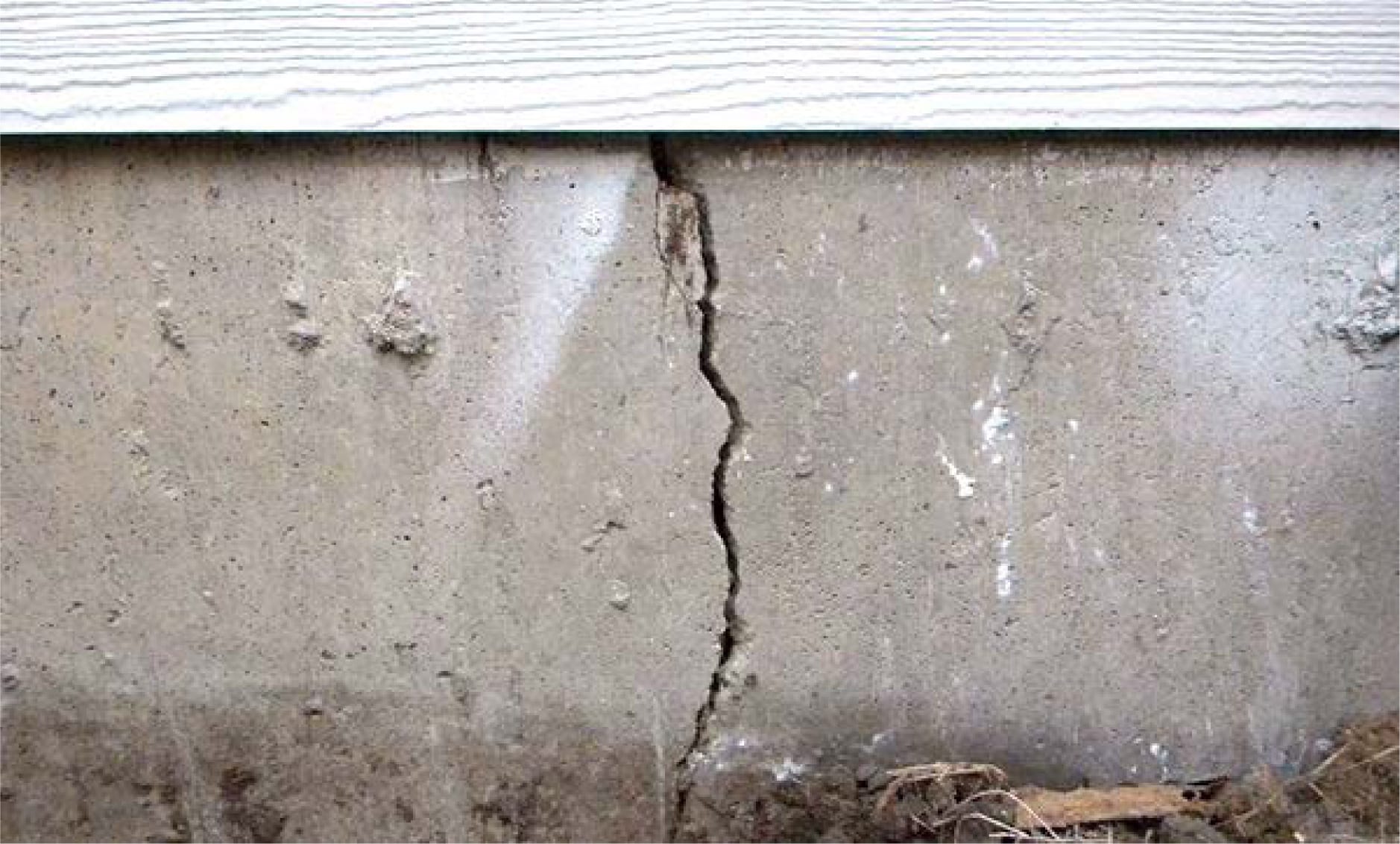
- Exterior Brick Cracks: Look for "stair-step" cracks in the mortar or bricks, especially near window frames and door headers.
- Door and Window Misalignment: If doors suddenly begin to stick, or if there are gaps between the top of the door and the frame, the structure is likely tilting.
- Interior Wall Cracks: Fissures in the drywall, particularly those extending diagonally from the corners of rooms or above doors.
- Separating Frieze Boards: On the exterior, if the trim boards at the top of the brick wall are pulling away from the soffit, the wall may be rotating outward.
- Floor Sloping: In pier-and-beam homes, "spongy" floors or a noticeable slope from one side of a room to the other indicate pier failure or shim compression.
FAQs
How long does the average repair take?
Most residential foundation repairs by Brown Foundation Repair are completed within 2 to 4 days. Complex jobs involving interior piers or extensive drainage work may take longer. Because most of the work is performed outside, the homeowners can usually remain in the house during the process.
Will foundation repair crack my interior walls?
It is possible. The goal of foundation repair is to return the home to a level position. If the home has settled significantly over several years, the drywall and finishes have "settled" into that distorted shape. When the house is lifted back to its original position, existing cracks may widen or new ones may appear. Brown professionals monitor the lift closely to minimize this impact.
Does homeowners insurance cover these repairs?
Typically, no. Most standard homeowners insurance policies in Texas exclude foundation repair caused by soil expansion, contraction, or settling. However, if the foundation damage was caused by a sudden "slab leak" (a plumbing failure under the house), there may be partial coverage for the access and repair of the leak.
Is the warranty truly transferable?
Yes. Brown Foundation Repair offers a lifetime transferable warranty. This means that if you sell your home, the warranty stays with the structure, providing the new owners with peace of mind. Usually, there is a simple administrative process and a small fee to transfer the paperwork within a specific window after the home closing.
Do I need to water my foundation?
In the 2026 climate, maintaining consistent moisture levels is vital. While foundation watering (using soaker hoses) can help prevent the soil from pulling away from the slab during dry months, it is not a substitute for structural repair if the foundation has already failed. Brown consultants often provide a customized maintenance plan to help homeowners protect their investment after the piers are installed.
What is the difference between a "pressed pier" and a "drilled pier"?
Pressed piers are driven into the ground using hydraulic jacks and the weight of the house. Drilled piers involve excavating a hole, placing steel reinforcement, and pouring concrete into the shaft. Brown Foundation Repair specializes in pressed piers because they are less invasive, faster to install, and provide immediate load-bearing capacity.
Practical Recommendation
If you suspect foundation movement, the first step should be a professional evaluation. Avoid the temptation to wait; foundation issues are progressive and only become more expensive to fix as the structural damage spreads to the roofline, plumbing, and interior finishes. Contact a specialist like Brown Foundation Repair to conduct a manometer survey (a floor-levelness test) and provide a detailed map of your home's current elevations. This baseline data is essential for making an informed decision about the health of your property.
Image Gallery