Why Whole Life Insurance Is Rarely the Better Investment
Whole life insurance is rarely the better investment because its high administrative fees, substantial agent commissions, and rigid premium structures often result in significantly lower long-term wealth compared to "buying term and in...
Whole life insurance is rarely the better investment because its high administrative fees, substantial agent commissions, and rigid premium structures often result in significantly lower long-term wealth compared to "buying term and investing the difference." For most individuals, the internal rate of return on the cash value component fails to outperform a diversified low-cost index fund.
Contents
While insurance agents often market whole life insurance as a "multipurpose financial Swiss Army knife," the reality for the average consumer in 2026 remains the same as it has been for decades: combining insurance and investing into a single product usually creates an inefficient vehicle for both. By deconstructing the costs, the historical returns, and the psychological "traps" of these policies, it becomes clear why most financial experts recommend keeping protection and wealth-building separate.
The High Cost of "Permanent" Protection
The primary reason whole life insurance struggles as an investment is the sheer weight of its cost structure. Unlike a brokerage account or a 401(k), where your money begins working for you immediately, a whole life policy spends its early years—often the first decade—simply breaking even.
The Commission Drag
When you purchase a whole life policy, a significant portion of your first-year premiums (sometimes up to 100%) goes directly to the insurance agent as a commission. While agents provide a service, this front-loaded cost creates a massive hurdle for your investment to overcome. Even in subsequent years, "renewal commissions" and administrative overhead continue to eat into the premiums that would otherwise be earning interest or market gains.
Mortality Charges and Expense Ratios
Inside a whole life policy, you aren't just paying for the investment; you are paying for the "cost of insurance" (mortality charges). As you age, these charges naturally increase. While the policy "levels" these costs over your lifetime, you are effectively overpaying in your younger years to subsidize the risk in your later years. When you compare the total expense ratio of a whole life policy to a low-cost ETF—which might charge as little as 0.03%—the drag on performance is staggering over a 30-year horizon.
The Opportunity Cost of High Premiums
The most significant financial downside to whole life insurance isn't just the fees; it’s the opportunity cost. Whole life premiums are often 10 to 15 times higher than term life premiums for the same death benefit.
For example, a healthy 30-year-old might pay $50 per month for a $1 million term life policy. A whole life policy for the same $1 million death benefit could easily cost $800 to $1,000 per month. By choosing the whole life option, the policyholder is committing an extra $900 monthly to a vehicle with modest returns.
If that same individual bought the term policy and invested the $900 difference into a diversified portfolio earning a historical market average, the resulting wealth at age 60 would likely dwarf the cash value of the whole life policy. This "Buy Term and Invest the Difference" (BTID) strategy relies on the power of compounding in a high-growth environment rather than a conservative insurance pool.
Understanding the Real Internal Rate of Return (IRR)
Insurance companies often highlight "dividends" and "guaranteed growth" to make whole life look attractive. However, it is essential to distinguish between the dividend rate and the actual internal rate of return on your total premiums paid.
- Non-Guaranteed Dividends: Dividends are not legally guaranteed. They are essentially a partial refund of the premiums the company overcharged you.
- Cash Value Lag: For the first 5 to 10 years, your "surrender value" (the money you can actually take out) is often less than the total premiums you’ve paid.
- Inflation Risk: Because whole life returns are typically conservative (often netting 2% to 4% over the long haul after fees), they barely keep pace with inflation. In periods of high inflation, the purchasing power of your "guaranteed" death benefit and cash value can erode significantly.
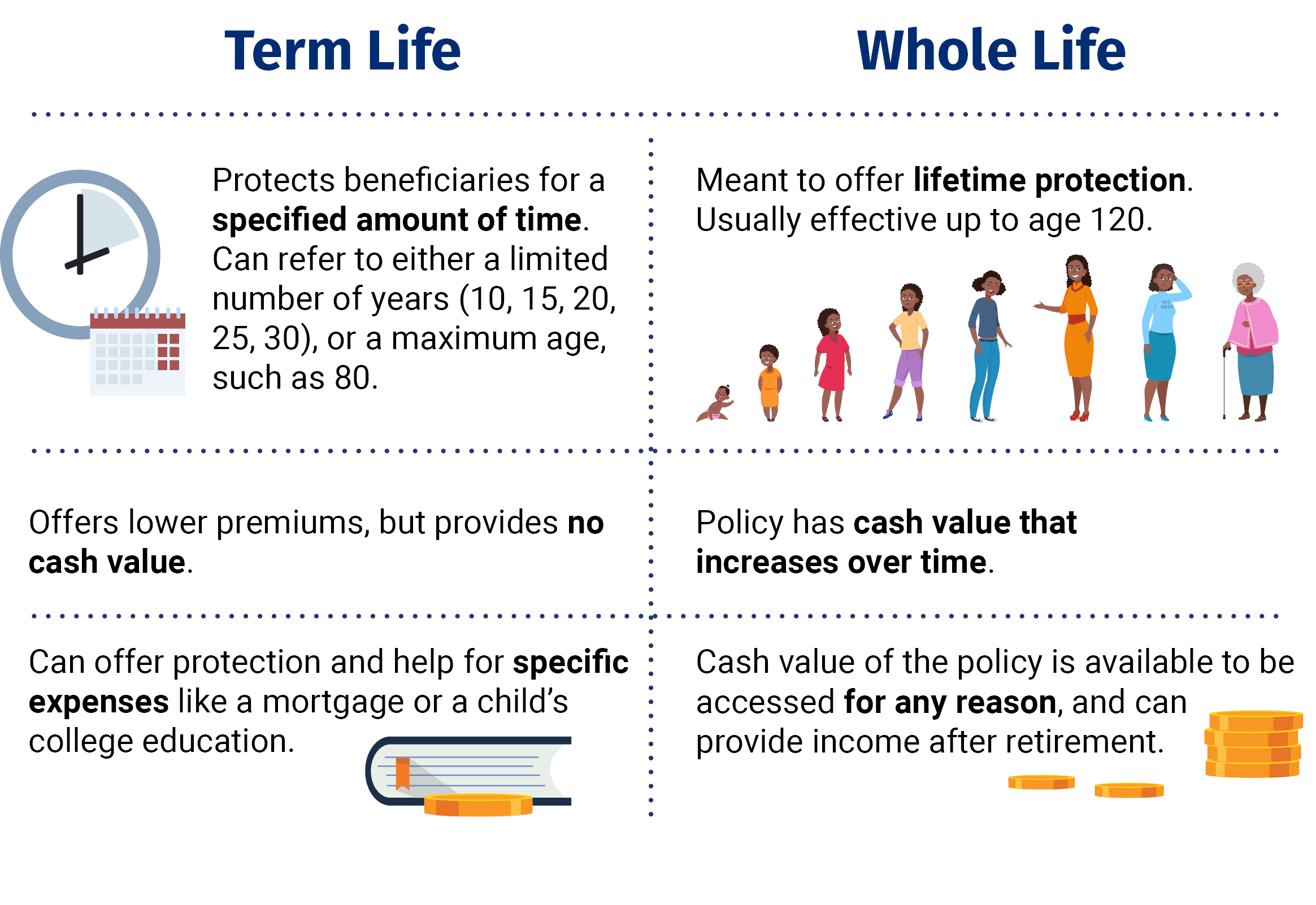
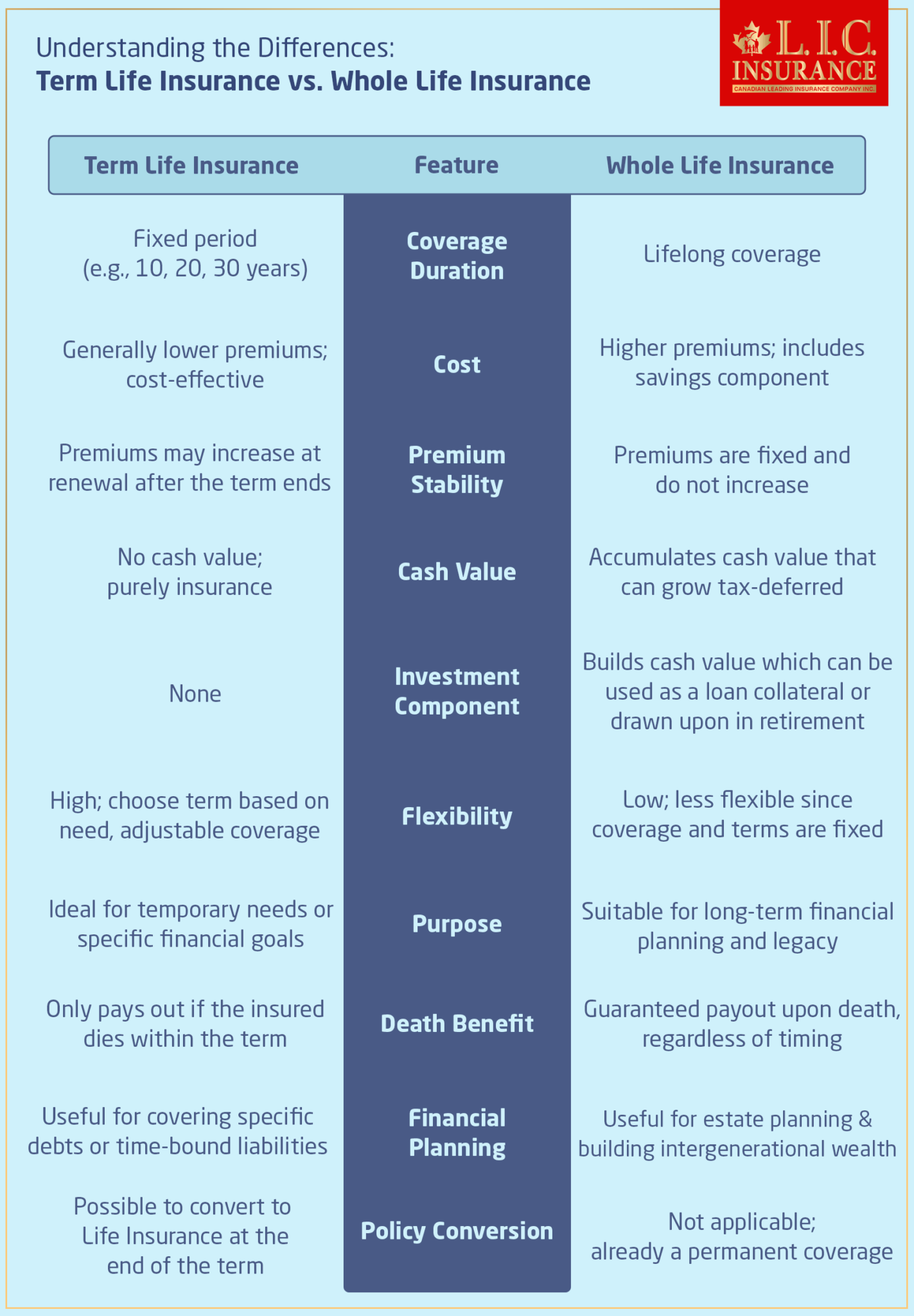
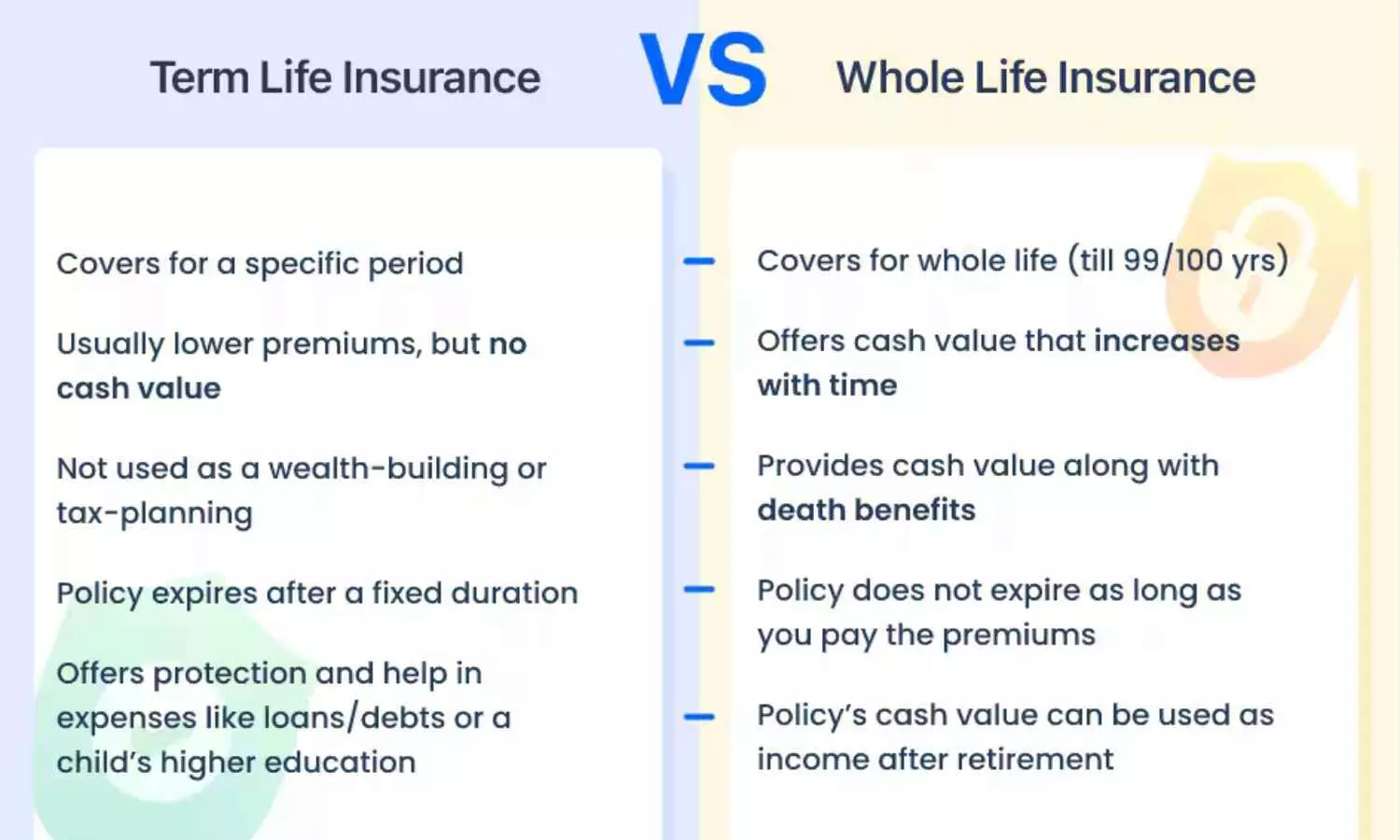
| Feature | Whole Life Insurance | Term Life + Index Fund (BTID) |
|---|---|---|
| Monthly Premium | Very High | Low (Term) + Flexible (Invest) |
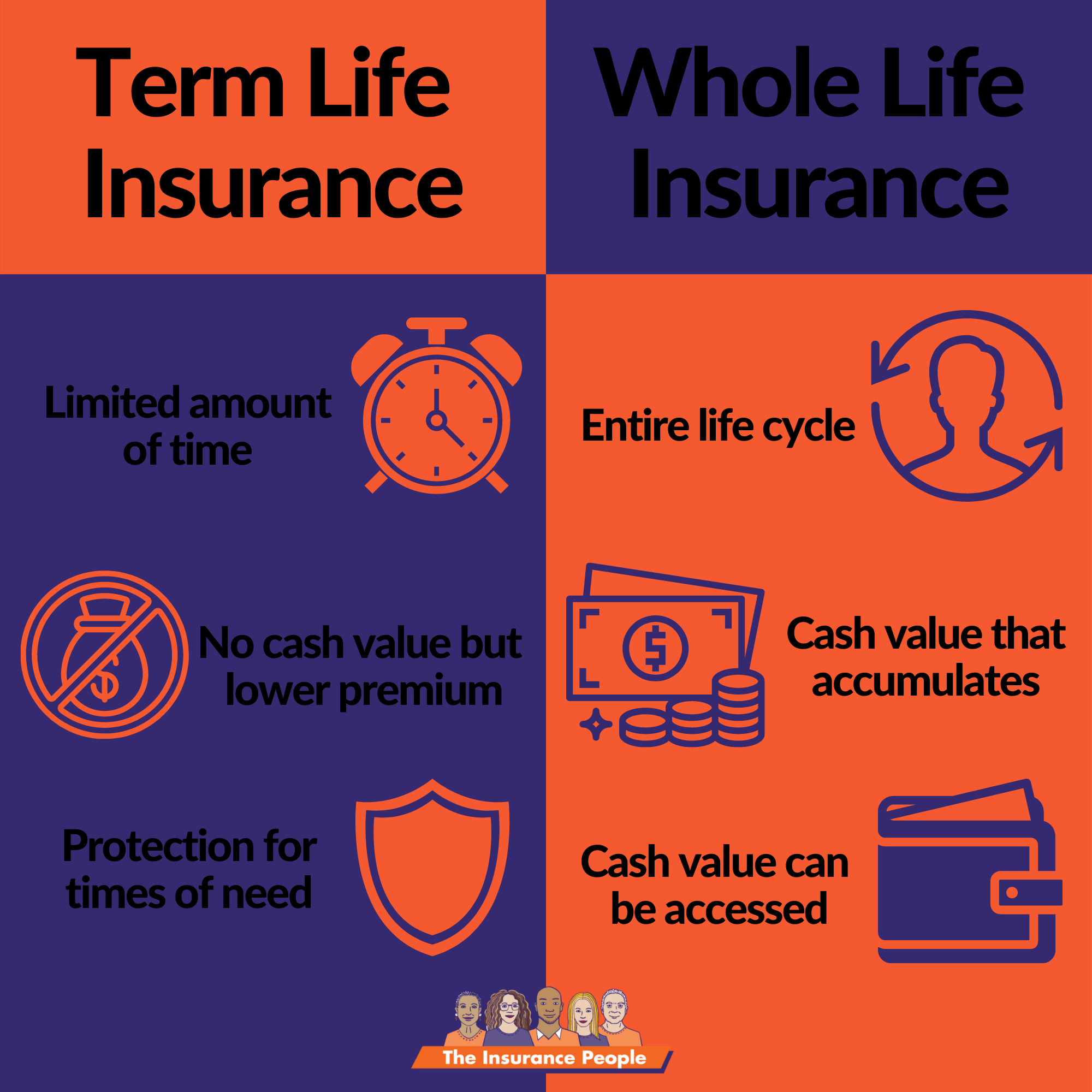
| Early Liquidity | Low (Surrender charges apply) | High (Brokerage access) |
| Control | Insurance company dictates growth | You choose asset allocation |
| Fees | High (Commissions, Admin, Mortality) | Low (Management fees, No commissions) |
| Death Benefit | Permanent (as long as paid) | Temporary (usually 20-30 years) |
| Long-Term ROI | Historically 2% - 4% | Historically 7% - 10% (Market) |
The Liquidity Trap and Surrender Charges
One of the most touted benefits of whole life is the ability to "be your own bank" by taking loans against the cash value. However, this is often a misunderstanding of how the policy works.
When you take a policy loan, you are not withdrawing your own money; you are borrowing from the insurance company using your cash value as collateral. The insurance company will charge you interest on that loan—often 5% to 8%. While your remaining cash value may continue to earn a small amount of interest, the net effect is often a loss. Furthermore, if you die with an outstanding loan, the balance is deducted from the death benefit your beneficiaries receive.
If you need to cancel the policy early due to a change in financial circumstances, you face surrender charges. These penalties ensure that if you walk away in the first decade, the insurance company keeps a large portion of your "investment." In a standard brokerage account, you can sell your assets at any time without such punitive fees (though capital gains taxes may apply).
The "Forced Savings" Myth
Proponents of whole life insurance argue that it provides "forced savings" for people who lack the discipline to invest on their own. While there is a psychological benefit to a bill that must be paid, it is an expensive solution to a behavioral problem.
In 2026, automation makes "forced savings" easier than ever. Most brokerage platforms and employer-sponsored plans allow for automatic contributions that happen before you ever see the money. Using a high-fee insurance product as a behavioral crutch costs hundreds of thousands of dollars in potential growth over a lifetime. Discipline can be automated for free; it doesn't require a whole life contract.
When Whole Life Actually Makes Sense: The 1% Exception
To say whole life is "rarely" the better investment acknowledges that there are specific, narrow scenarios where it is useful. These generally apply only to ultra-high-net-worth individuals (UHNWI) or those with unique legal needs.
- Estate Tax Liquidity: For individuals with estates valued above the federal exemption limits (which are subject to change but remain high), whole life can provide immediate liquidity to pay estate taxes without forcing the sale of illiquid assets like a family business or real estate.
- Irrevocable Life Insurance Trusts (ILITs): These structures can remove the death benefit from the taxable estate, providing a tax-efficient transfer of wealth to heirs.
- Asset Protection: In some jurisdictions, the cash value of life insurance is protected from creditors and lawsuits, making it a "haven" for high-risk professionals like surgeons or developers.
- Business Continuity: "Key Person" insurance or buy-sell agreements often use permanent policies to ensure a business stays solvent if a partner passes away.
For the other 99% of the population, these niche benefits do not justify the high costs and lower returns.
Frequently Asked Questions
Is whole life insurance a scam?
No, it is a legitimate financial product regulated by state insurance departments. However, it is often "missold" as a superior investment vehicle to people who would be better served by term insurance and traditional retirement accounts. It is a niche tool often marketed as a universal solution.
Can I convert my whole life policy to term life?
Generally, no. You cannot "convert" down. You can, however, stop paying the premiums and use the existing cash value to buy a "reduced paid-up" policy, or you can surrender the policy for its cash value and purchase a new term life policy separately.
What about "Infinite Banking" or "Be Your Own Bank"?
These strategies use whole life insurance to finance large purchases. While the math can look appealing on a whiteboard, it rarely accounts for the high initial costs of the policy or the interest rate spread. For most, the complexity and fees outweigh the benefits compared to simply using a high-yield savings account or a margin loan.
Why do financial advisors recommend it if it’s not the best?
It is important to distinguish between "fee-only" fiduciaries and insurance agents. Agents earn substantial commissions for selling whole life policies. A fiduciary advisor who does not sell products is much less likely to recommend whole life because they do not have a financial incentive to do so.
Should I cancel my whole life policy if I already have one?
This depends on how long you have held the policy. If you have already paid into it for 15 or 20 years, you have already paid the "heavy" front-end costs. You should consult a fee-only financial planner to run a "break-even" analysis before surrendering an established policy.
Next Steps for Investors
If you are currently considering a whole life policy or looking to optimize your insurance, your first action should be to determine your actual need for life insurance. If you have dependents, you likely need a term life policy that lasts until your mortgage is paid and your children are independent.
Once your protection is in place at a low cost, focus your investment strategy on tax-advantaged accounts like a 401(k), 403(b), or IRA. By keeping your insurance and your investments separate, you maintain lower fees, better liquidity, and significantly higher growth potential for the long term.
Image Gallery