The Changing Landscape for the Reid and Reid Dentist in 2026
In 2026, the landscape for Reid and Reid dentists is defined by the integration of AI-driven diagnostics, advanced sedation techniques, and a shift toward comprehensive systemic health monitoring. This evolution balances their legacy o...
In 2026, the landscape for Reid and Reid dentists is defined by the integration of AI-driven diagnostics, advanced sedation techniques, and a shift toward comprehensive systemic health monitoring. This evolution balances their legacy of multi-generational family care with cutting-edge digital workflows to improve patient outcomes and office efficiency in an increasingly consolidated industry.
Contents
The Evolution of the Multi-Generational Practice Model
The "Reid and Reid" name, long associated with high-quality family dentistry in the South Carolina region, faces a transformative period in 2026. Traditionally, the practice model relied on personal community relationships and word-of-mouth reputation. While these foundations remain critical, the modern landscape requires a shift toward institutionalized excellence. This means that the dentists at Reid and Reid are no longer just clinicians; they are chief technology officers of their own clinical environments.
The transition from the "traditional family dentist" to a "high-tech wellness hub" has been necessitated by the rise of Dental Service Organizations (DSOs). To compete, independent multi-generational practices like Reid and Reid have had to adopt the efficiency of corporate dentistry while maintaining the personalized touch that DSOs often lack. This balance is the primary challenge and opportunity in the current market.
By 2026, the practice has likely expanded its internal specialized offerings—such as periodontics and endodontics—to ensure that the "Reid and Reid" patient rarely needs to be referred out of the house. This "all-in-one" approach is a cornerstone of the changing landscape, catering to a patient base that values convenience and continuity of care above all else.
The Impact of AI and Digital Diagnostics
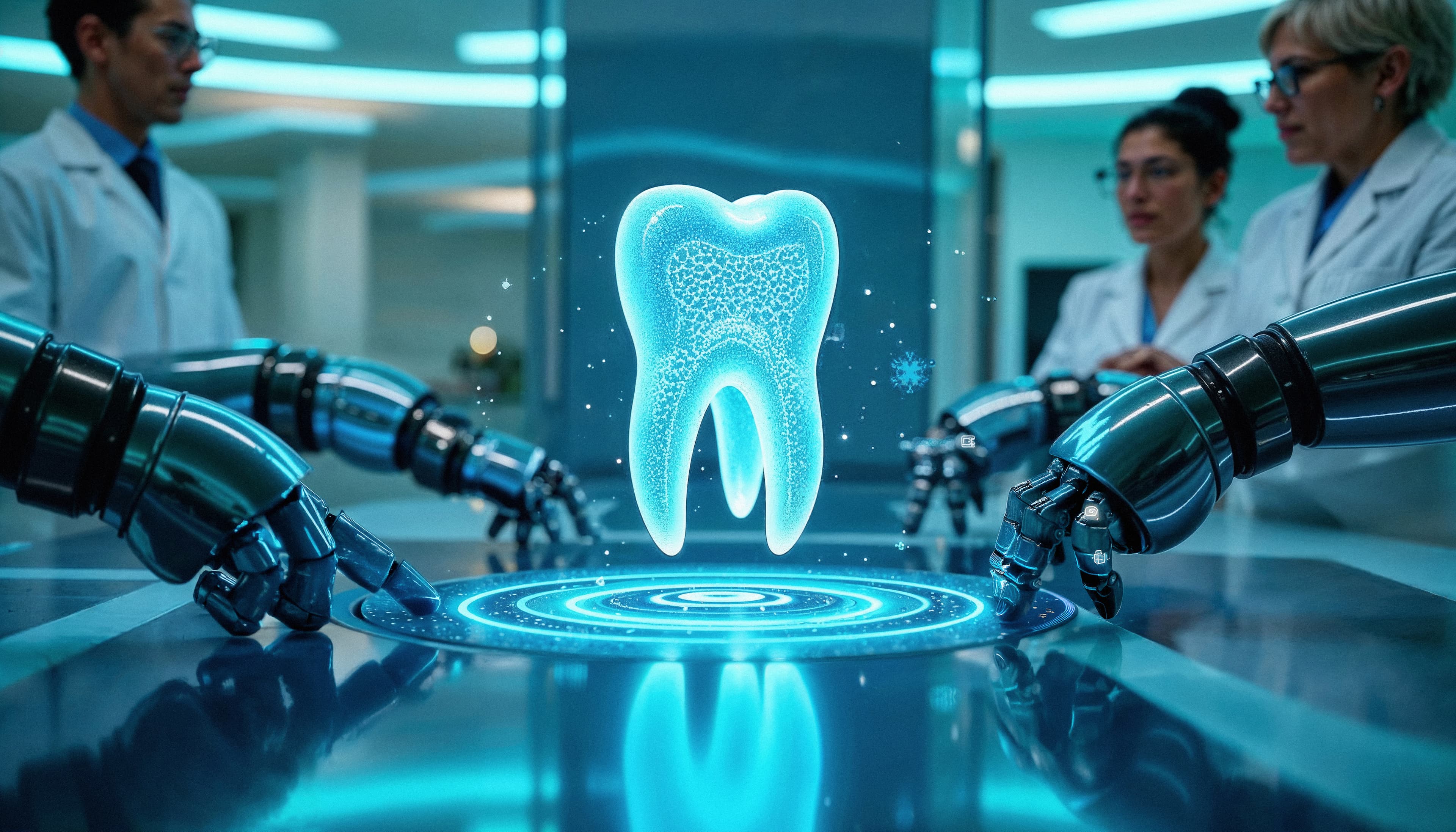
One of the most significant shifts for the Reid and Reid dentist is the total immersion in digital dentistry. By 2026, the use of Artificial Intelligence (AI) in radiograph analysis has become standard practice. These tools assist the Reid and Reid team by highlighting potential pathologies, bone loss, and sub-gingival calculus that might be missed by the human eye during a routine screening.
AI-Enhanced Treatment Planning
AI doesn't just find problems; it helps solve them. For the Reid and Reid dentist, 2026 brings software that can simulate the outcomes of complex restorative and orthodontic procedures in seconds. This visual evidence is a powerful tool for patient education. When a patient can see a 3D rendering of their projected smile or the long-term impact of an untreated cracked tooth, the "treatment acceptance" rate increases significantly.
The Death of Traditional Impressions
The days of uncomfortable "goop" impressions are virtually over in the 2026 landscape. Intraoral scanners have reached a level of precision that makes traditional molds obsolete. These scanners integrate directly with in-house 3D printing labs and milling machines (such as the latest iterations of CEREC). This allows the Reid and Reid dentist to provide "same-day dentistry," where crowns, veneers, and even some types of bridges are designed, manufactured, and fitted in a single appointment.
The Shift Toward Systemic Health and Airway Dentistry
In 2026, the role of the dentist has expanded beyond the teeth and gums. The Reid and Reid team is increasingly focused on the oral-systemic connection. This involves recognizing that oral health is a primary indicator of overall physiological well-being, particularly regarding cardiovascular health and diabetes management.
Airway and Sleep Medicine
A major frontier in the current dental landscape is airway-focused dentistry. Dentists at Reid and Reid are now frequently the first line of defense against obstructive sleep apnea (OSA) and upper airway resistance syndrome. By using CBCT (Cone Beam Computed Tomography) scans, they can analyze the patient's airway in three dimensions.
- Screening: Identifying narrow airways or enlarged tonsils in children and adults.
- Intervention: Using mandibular advancement devices or coordinating with ENTs and myofunctional therapists.
- Preventative Care: Early intervention in pediatric patients to guide jaw growth and prevent future respiratory issues.
This shift transforms the Reid and Reid dentist into a vital member of a patient’s broader medical team, collaborating with primary care physicians to manage chronic conditions.
Navigating the 2026 Economic and Insurance Environment
The financial landscape for dental practices has undergone significant stress and restructuring leading into 2026. The Reid and Reid dentist must navigate a complex web of PPO (Preferred Provider Organization) pressures, rising overhead costs, and a growing demand for "membership plans."
The Rise of In-House Membership Plans
To reduce dependence on traditional dental insurance—which has seen stagnating reimbursement rates for decades—many independent practices like Reid and Reid have launched their own membership models. These plans allow patients to pay a monthly or annual fee directly to the practice in exchange for cleanings, exams, and discounts on procedures.
For the practice, this provides a predictable recurring revenue stream. For the patient, it eliminates the "middleman" of insurance, removing annual maximums and waiting periods. This model is particularly attractive to the growing "gig economy" workforce and retirees who may have lost their employer-sponsored dental coverage.
Operational Efficiency and Staffing
Staffing remains a critical component of the dental landscape. In 2026, the shortage of dental hygienists and assistants has led practices to invest heavily in automation and practice management software. Automated scheduling, AI-driven billing reconciliations, and virtual check-ins are no longer luxuries; they are essential for keeping the doors open. The Reid and Reid dentist must focus on creating a workplace culture that retains high-quality talent in a competitive labor market.
Comparison of Dental Practice Landscapes: 2016 vs. 2026
The following table highlights the material changes in how a practice like Reid and Reid operates compared to a decade ago.
| Feature | 2016 Landscape | 2026 Landscape |
|---|---|---|
| Primary Diagnostics | 2D Bitewing X-rays | AI-Augmented 3D CBCT Imaging |
| Impressions | Alginate/PVS Molds | High-Speed Intraoral Scanners |
| Crown Turnaround | 2-week lab wait | Same-day in-house milling |
| Patient Records | Localized digital servers | Secure Cloud-Based Ecosystems |
| Scope of Care | Focus on "Drill and Fill" | Focus on "Systemic Wellness/Airway" |
| Payment Models | Insurance-heavy PPO dependence | Hybrid: Insurance + In-house Membership |
| Patient Communication | Phone calls and postcards | Real-time SMS and Patient Portals |
Patient Experience and Sedation Dentistry
As the landscape becomes more clinical and high-tech, the Reid and Reid dentist has doubled down on the patient experience. Modern dentistry in 2026 recognizes that dental anxiety is still the number one barrier to care. To address this, there has been a significant increase in the use of sophisticated sedation techniques.
From "nu-calm" neuro-acoustic technology that naturally induces a state of relaxation to advanced IV sedation for complex restorative cases, the goal is to make the experience as painless as possible. This "boutique" approach to patient comfort is what allows independent practices to thrive. Patients are no longer just looking for a dentist; they are looking for a healthcare experience that minimizes trauma and maximizes convenience.
FAQ
How has the Reid and Reid dentist adapted to AI technology?
The practice uses AI primarily for diagnostic support and patient communication. AI software analyzes X-rays to detect early signs of decay and periodontal disease with higher accuracy than manual checks. Additionally, AI-driven chat-bots help with 24/7 scheduling and answering post-operative questions, ensuring patients are supported outside of office hours.
Is same-day dentistry available at Reid and Reid in 2026?
Yes, most modern multi-generational practices have invested in CAD/CAM (Computer-Aided Design and Manufacturing) technology. This allows the dentist to scan a tooth, design a restoration, and mill it from a ceramic block in the office. This eliminates the need for temporary crowns and a second appointment, which is a major shift in the current landscape.
What is "Airway Dentistry" and why is it important now?
Airway dentistry focuses on the relationship between oral structures and breathing. In 2026, the Reid and Reid dentist looks for signs of sleep-disordered breathing, such as tooth grinding (bruxism) or a narrow palate. Addressing these issues can improve sleep quality, reduce blood pressure, and even help manage ADHD-like symptoms in children.
How are insurance changes affecting the cost of dental visits?
While traditional insurance remains common, many patients are finding it less effective due to low annual maximums. The landscape has shifted toward "Dental Membership Plans." These plans often make preventive care more affordable and provide more transparency in pricing for major procedures like implants or root canals.
Can I expect more holistic treatments from my dentist in 2026?
The trend toward "Integrative Dentistry" is strong. This doesn't mean moving away from science-based medicine, but rather incorporating more holistic views on materials (biocompatibility) and the impact of oral inflammation on the rest of the body. Expect more discussions about nutrition, pH balance, and the microbiome of the mouth.
Practical Recommendations for Patients
If you are a patient navigating the changing landscape at Reid and Reid or a similar practice, consider the following actions:
- Inquire About Membership Plans: If you are uninsured or your current PPO plan is limited, ask the office about their in-house membership options. These often provide better long-term value.
- Request a Digital Scan: If you need a crown or orthodontic work, ensure the office is using intraoral scanners. This is more comfortable and generally leads to a better fit for your restoration.
- Discuss Your Sleep Quality: If you wake up tired or have been told you snore, bring this up with your dentist. They have tools in 2026 to screen for airway issues that your primary care doctor might miss.
- Embrace the Technology: Don't be afraid of AI-assisted diagnosis. It is designed to catch issues earlier when they are cheaper and less painful to fix.
Image Gallery