How to Pay Taxes on Life Insurance Death Benefits in PA
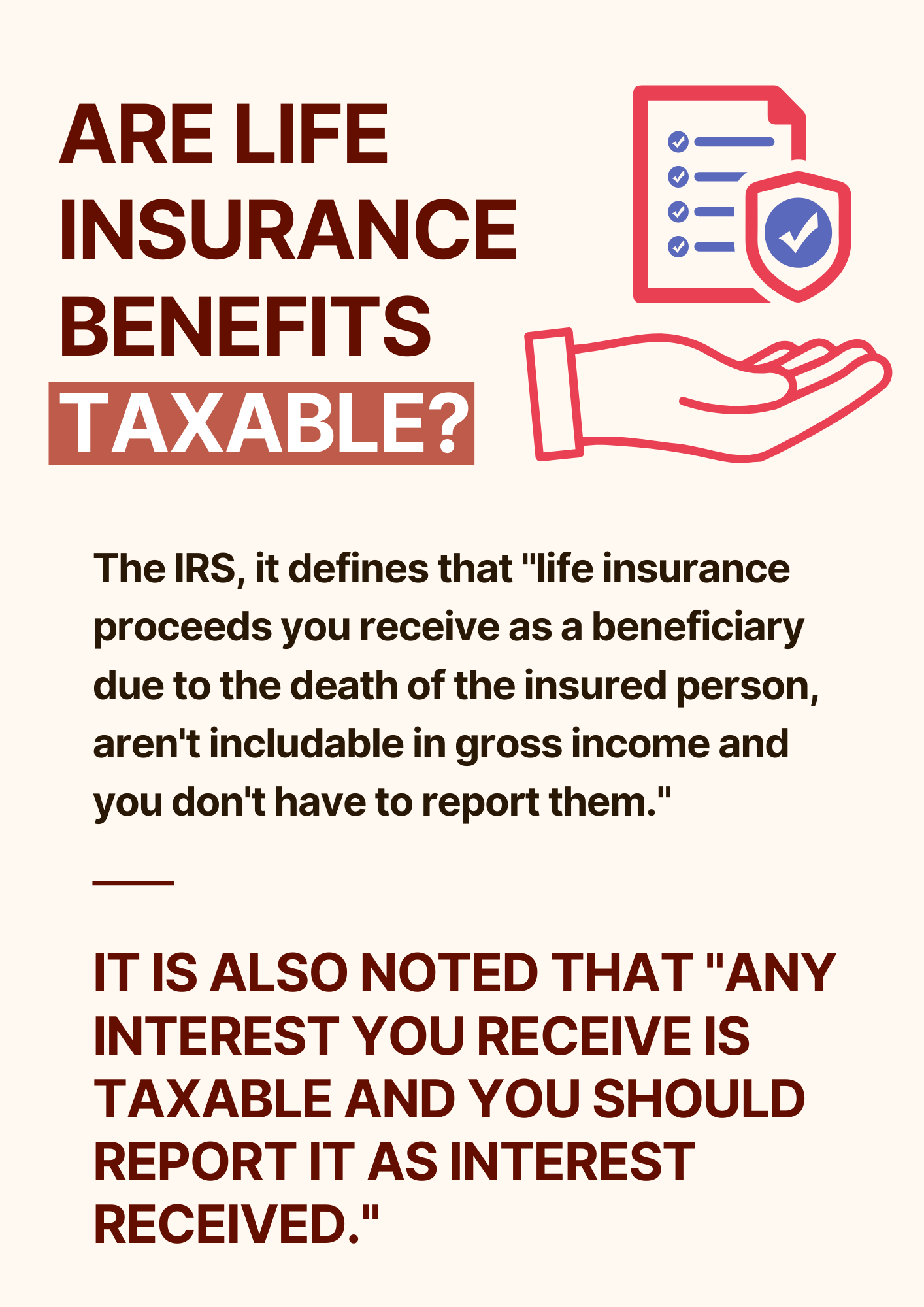
In Pennsylvania, life insurance death benefits are generally tax-free for beneficiaries. Beneficiaries do not owe Pennsylvania Personal Income Tax or Pennsylvania Inheritance Tax on lump-sum policy proceeds, even if paid to an estate....
In Pennsylvania, life insurance death benefits are generally tax-free for beneficiaries. Beneficiaries do not owe Pennsylvania Personal Income Tax or Pennsylvania Inheritance Tax on lump-sum policy proceeds, even if paid to an estate. However, taxes apply if the payout earns post-death interest, uses annuity installments, or triggers federal estate tax for high-value estates.
Contents
Understanding Pennsylvania Tax Laws for Life Insurance Proceeds
When a policyholder dies, beneficiaries often wonder whether state or federal tax authorities will take a portion of the life insurance payout. In Pennsylvania, the tax treatment of life insurance death benefits is notably favorable compared to other types of inherited assets. State statutes and federal tax codes explicitly carve out exemptions for policy proceeds, ensuring that primary death benefits pass to named recipients without immediate tax erosion.
To navigate any potential tax obligations accurately, beneficiaries and estate executors must distinguish between the principal death benefit (the face value of the policy) and any earnings generated after the insured's passing. While the core benefit remains protected, secondary earnings, specific distribution structures, and ultra-high-net-worth estates can trigger reporting requirements with the Internal Revenue Service (IRS) and the Pennsylvania Department of Revenue.
- Life Insurance Death Benefit
- Principal Payout
- PA Inheritance Tax (Exempt - 0%)
- PA Personal Income (Exempt - 0%)
- Post-Death Interest
- Taxable Ordinary Income (IRS Form 1040 / PA-40)
- Principal Payout
Federal vs. Pennsylvania State Tax Breakdown
Tax obligations on life insurance depend heavily on whether you are analyzing federal income tax, Pennsylvania personal income tax, state inheritance tax, or federal estate tax. Each tax type operates under distinct statutory rules.
Federal Income Tax (IRC Section 101(a))
Under Internal Revenue Code Section 101(a), gross income does not include amounts received under a life insurance contract if such amounts are paid by reason of the death of the insured. Whether the policy is term life, whole life, or universal life, a lump-sum payout delivered directly to a designated beneficiary is completely free from federal income tax.
Pennsylvania Personal Income Tax (PIT)
Pennsylvania taxes personal income at a flat rate of 3.07%. However, the Pennsylvania Department of Revenue aligns with federal treatment regarding death benefit principal. Life insurance proceeds paid upon the death of an insured individual are excluded from Pennsylvania taxable income. Recipients do not need to report the principal death benefit as gross income on state tax returns.
Pennsylvania Inheritance Tax (72 P.S. § 9111(d))
Pennsylvania imposes an inheritance tax on transfers of property passing from a decedent to heirs, with rates ranging from 0% (for spouses) up to 15% (for non-related beneficiaries). However, under 72 Pennsylvania Statutes § 9111(d), proceeds of insurance on the life of a decedent are strictly exempt from Pennsylvania Inheritance Tax.
This statutory exemption applies regardless of whether the policy proceeds are payable to:
- A named individual beneficiary (spouse, child, sibling, or friend)
- A revocable or irrevocable trust
- The decedent’s formal estate executor or administrator
Because of this unique exemption, even if a policy defaults to the deceased person's estate due to an outdated beneficiary form, Pennsylvania does not assess inheritance tax on the death benefit proceeds.
Federal Estate Tax (IRC Section 2042)
While state inheritance tax does not apply, the federal government evaluates life insurance within a decedent's gross estate for federal estate tax purposes under Internal Revenue Code Section 2042. If the decedent possessed any "incidents of ownership" in the policy at the time of death—such as the right to change beneficiaries, surrender or cancel the policy, borrow against cash value, or assign the policy—the full face value of the policy is added to their gross estate.
For most estates, this does not result in tax due because the federal estate tax exemption threshold remains high ($13.99 million per individual for 2025, with 2026 inflation adjustments). However, if an individual's combined assets (including life insurance proceeds) exceed the applicable federal threshold, the estate itself may owe federal estate tax at rates up to 40%.
Scenarios Where Taxes Are Owed on Death Benefits
Although initial lump-sum proceeds are tax-exempt, specific scenarios create tax liability for beneficiaries or estates in Pennsylvania.
| Tax Scenario | Tax Cause / Trigger Mechanism |
|---|---|
| Post-Death Interest Accrual | Insurer delays payout; accrued interest is taxable |
| Installment / Annuity Payouts | Payments contain earnings accumulated over time |
| Transfer-for-Value Rule Violation | Policy was sold/transferred for valuable consideration |
| Employer Group Term > $50,000 | Excess coverage premiums treated as taxable income |
| Federal Estate Tax Threshold Exceeded | Incidents of ownership retained on multi-million estate |
1. Interest Earned After the Date of Death
Insurance companies often take several weeks or months to process death claims. By law, insurers must pay interest on the policy proceeds from the date of the insured's death until the date the claim is paid.
- Tax Treatment: The principal benefit remains tax-free, but all accrued interest is fully taxable as ordinary income.
- Reporting: The insurance carrier will issue an IRS Form 1099-INT to the beneficiary showing the interest earned in Box 1. This interest must be reported on IRS Form 1040 and Pennsylvania Form PA-40.
2. Installment and Annuity Settlement Options
If a beneficiary chooses to receive the death benefit as an annuity or structured payout over several years rather than a single lump sum, each payment consists of two parts:
- A portion of the original tax-free principal.
- A portion of interest or investment growth earned while the insurer held the remaining funds.
The growth component is taxable as ordinary income for federal and Pennsylvania state personal income tax purposes. The insurer provides an annual Form 1099-R breakdown detailing the taxable portion of the annual distributions.
3. The Transfer-for-Value Rule
Under IRS rules, if a life insurance policy was transferred or sold to another party for valuable consideration (money or property) during the insured's lifetime, the death benefit loses its full income-tax-free status.
- Taxable Amount: The death benefit minus the purchase price and any subsequent premiums paid by the buyer becomes taxable as ordinary income.
- Exceptions: Transfers to the insured, to a partner of the insured, to a partnership in which the insured is a partner, or to a corporation in which the insured is an officer or shareholder generally preserve the tax exemption.
4. Employer-Provided Life Insurance Above Thresholds
Under IRS rules, if an employer provides group-term life insurance coverage exceeding $50,000, the imputed cost of the coverage over $50,000 is included in the employee's taxable wage income (Form W-2) during their lifetime. However, upon death, the proceeds paid to the beneficiary remain exempt from income tax.
How to Report and Pay Taxes Step-by-Step
If your situation involves taxable interest, structured payouts, or estate tax liabilities, follow these procedural steps to remain fully compliant with federal and Pennsylvania tax authorities.
- Step 1: Obtain Insurer Statements (Form 1099-INT / 1099-R)
- Step 2: Calculate Taxable Growth Component (Exclude Tax-Free Principal)
- Step 3: File Federal Tax Returns (IRS Form 1040 / Form 706 if applicable)
- Step 4: File Pennsylvania Returns (PA-40 Schedule A / REV-1500 for Estate)
- Step 5: Remit Payments to IRS and PA Department of Revenue
Step 1: Gather Required Tax Documents
Wait for official tax forms sent by the life insurance company at the beginning of the calendar year following the payout. Look for:
- Form 1099-INT: Issued if the policy accrued interest prior to disbursement.
- Form 1099-R: Issued if proceeds were distributed through an annuity, installment plan, or structured settlement.
Step 2: Report Interest Income on Federal Tax Returns
If you received Form 1099-INT for interest earned on the death benefit:
- Open your federal tax filing software or IRS Form 1040.
- Enter the amount from Box 1 of Form 1099-INT onto Form 1040 (Line 2b for Taxable Interest).
- If total taxable interest exceeds $1,500, complete Schedule B (Form 1040) listing the insurance company's name and the exact interest amount.
Step 3: Report Interest Income on Pennsylvania Tax Returns
Pennsylvania taxes interest income at the flat 3.07% rate.
- Transcribe the interest figure from Form 1099-INT to PA-40 Schedule A (Interest Income).
- Transfer the total interest calculation from Schedule A to Line 2 of your main PA-40 Individual Income Tax Return.
- Do not list the principal death benefit payout anywhere on the PA-40 return.
Step 4: Handle Estate Tax Filings (Executors Only)
If you are the executor or administrator of an estate where the total value triggers estate tax reporting:
- Pennsylvania Inheritance Tax Return (REV-1500): Report the life insurance policy on Schedule X or the appropriate informational section. While life insurance proceeds are exempt under 72 P.S. § 9111(d), listing the policy details ensures full administrative transparency with the Register of Wills and the Pennsylvania Department of Revenue.
- Federal Estate Tax Return (Form 706): If the decedent owned the policy and their gross estate exceeds the federal estate tax exemption, file IRS Form 706 within 9 months of the date of death. Complete Schedule D (Insurance on Decedent's Life), attaching IRS Form 712 (Life Insurance Statement) obtained directly from the insurance carrier.
Step 5: Remit Required Tax Payments
Pay any resulting tax liabilities by the standard tax filing deadline (typically April 15 of the tax year following receipt of interest):
- Federal Payments: Made via IRS Direct Pay or through electronic federal tax payment systems.
- Pennsylvania Payments: Made online using the Pennsylvania Department of Revenue’s myPATH portal or by attaching a check to Form PA-40.
Comparison Table: Pennsylvania Tax Treatment of Life Insurance
The table below summarizes how different components and structures of life insurance proceeds are treated under federal and Pennsylvania tax rules.
| Payout Type / Component | Federal Income Tax | PA Personal Income Tax | PA Inheritance Tax | Federal Estate Tax |
|---|---|---|---|---|
| Lump-Sum Death Benefit (to Named Beneficiary) | Exempt (0%) | Exempt (0%) | Exempt (0%) | Included in Gross Estate if decedent owned policy |
| Lump-Sum Death Benefit (Paid to Estate) | Exempt (0%) | Exempt (0%) | Exempt (0%) | Included in Gross Estate |
| Post-Death Interest Earnings | Taxable (Ordinary Rates) | Taxable (3.07% flat) | Exempt (0%) | N/A (Belongs to Beneficiary) |
| Annuity Payout (Interest Component) | Taxable (Ordinary Rates) | Taxable (3.07% flat) | Exempt (0%) | Included in Gross Estate (Present Value) |
| Transfer-for-Value Payouts | Taxable (Above Basis) | Taxable (Above Basis) | Exempt (0%) | Included if transferred within 3 years of death |
| Accelerated Death Benefits (Terminal Illness) | Exempt (IRC § 101(g)) | Exempt (0%) | Exempt (0%) | Excluded if spent prior to death |
Tax Minimization & Estate Planning Strategies
For high-net-worth individuals and families in Pennsylvania, strategic planning prevents life insurance proceeds from inadvertently expanding taxable gross estates for federal tax purposes.
1. Irrevocable Life Insurance Trusts (ILITs)
To prevent life insurance death benefits from being included in your federal gross estate, you can establish an Irrevocable Life Insurance Trust (ILIT).
- Mechanism: The ILIT owns the life insurance policy and acts as the named beneficiary. The grantor retains no "incidents of ownership."
- Benefit: When the insured passes away, proceeds flow directly into the trust tax-free. The funds do not count toward federal estate tax calculations and can be distributed to heirs according to trust terms.
- Three-Year Lookback Rule: Under IRC § 2035, if you transfer an existing policy into an ILIT and die within three years of the transfer date, the IRS pulls the policy back into your gross estate for tax calculations. Purchasing a new policy directly inside the ILIT avoids this rule.
2. Maintaining Clear Beneficiary Designations
Always maintain primary and contingent beneficiary designations with the life insurance company. While Pennsylvania exempts estate payouts from state inheritance tax under 72 P.S. § 9111(d), allowing proceeds to fall into an estate subjects the funds to probate delays, administrative fees, and claims from estate creditors.
3. Choosing Lump-Sum Settlements
Selecting a lump-sum payout rather than taking installment or annuity payments eliminates future taxable interest accruals. Beneficiaries can receive the entire tax-free sum immediately and invest the funds within tax-advantaged accounts (such as Roth IRAs or municipal bonds) tailored to their personal tax strategy.
Frequently Asked Questions
Are life insurance death benefits taxable in Pennsylvania?
No. The core death benefit principal received from a life insurance policy is completely exempt from Pennsylvania Personal Income Tax and Pennsylvania Inheritance Tax. You do not owe state taxes on the initial lump-sum proceeds.
Do I have to pay PA inheritance tax if life insurance is paid to the estate?
No. Under 72 P.S. § 9111(d), life insurance proceeds are explicitly exempt from Pennsylvania Inheritance Tax even if they are paid directly to the decedent's estate or executor. However, directing proceeds to an estate makes the funds vulnerable to probate costs and creditor claims.
Why did I receive a Form 1099-INT for a life insurance policy?
If the insurance company took time to process the death claim, statutory rules require them to pay interest on the principal from the date of death until payment. Form 1099-INT reflects that post-death interest earned. You must report this interest as taxable income on federal and PA state returns.
Is policy cash value taxable after the policyholder dies?
No. When an insured person dies, the cash surrender value inside a permanent life insurance policy merges into the death benefit payout. The beneficiary receives the total face amount of the death benefit tax-free; they do not pay separate income tax on accumulated cash value.
What happens if I inherit a life insurance policy that was transferred or sold?
If a policy was sold or transferred for valuable consideration prior to death, it may fall under the IRS Transfer-for-Value rule. In that case, the portion of the death benefit exceeding the purchase price plus subsequent premiums paid becomes taxable income.
Strategic Guidance for Beneficiaries and Executors
If you recently received a life insurance payout in Pennsylvania, your first step is to review the documentation provided by the insurance carrier. If you received a clean lump-sum death benefit check with no interest component, you generally have no federal or Pennsylvania income tax reporting requirements.
However, if your payout notice lists accrued interest, or if you are managing a large estate that approaches federal estate tax thresholds, keep detailed records of all claim forms, IRS Form 1099 statements, and IRS Form 712 insurance statements. For multi-million-dollar estates or complex trust arrangements, consult a qualified Pennsylvania estate planning attorney or Certified Public Accountant (CPA) to ensure full compliance with both IRS requirements and Pennsylvania Department of Revenue guidelines.
EDITORIAL CATEGORY METADATA:
Image Gallery