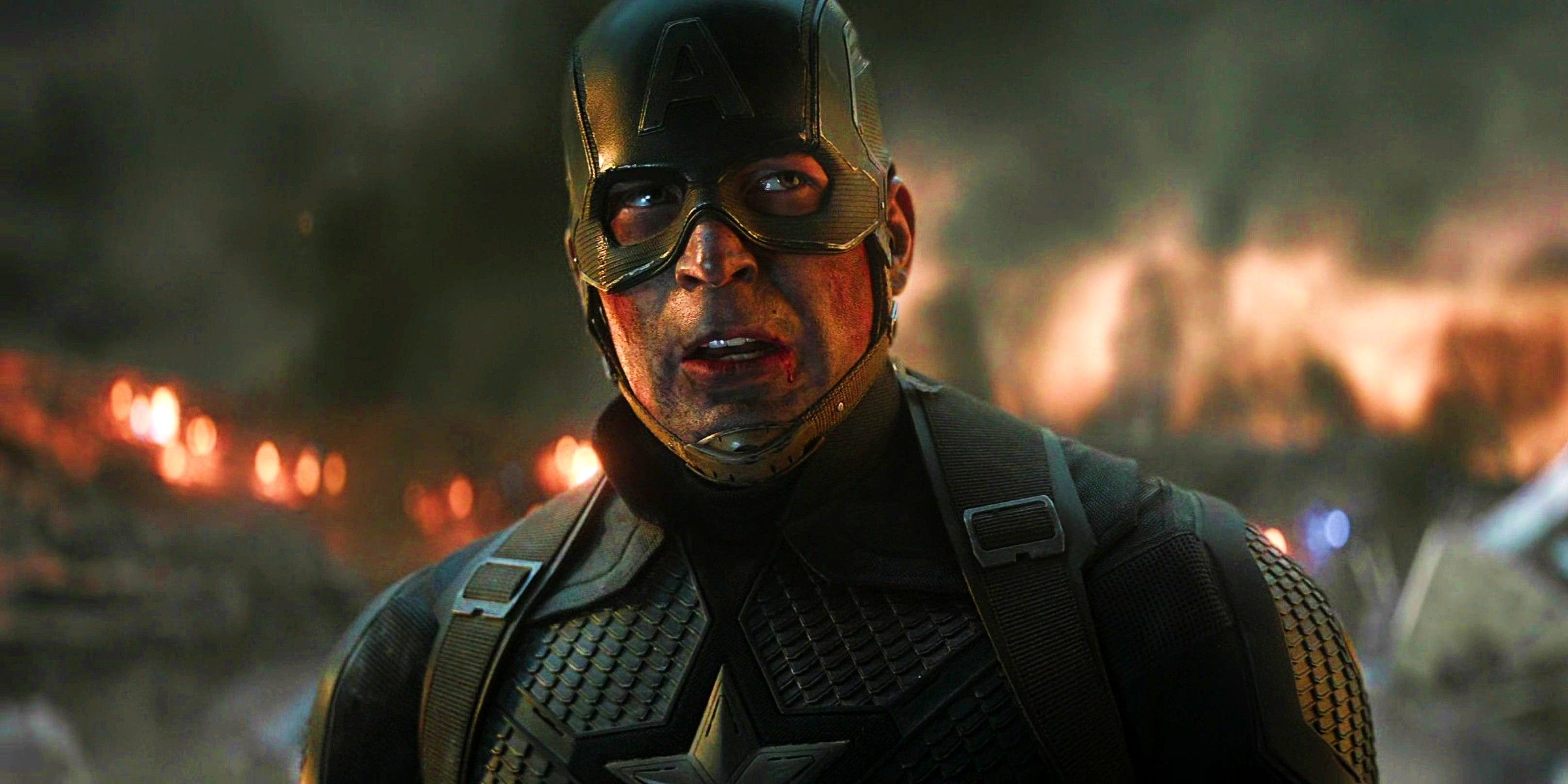
What Happened to Chris Evans as Captain America in the Marvel Cinematic Universe
Chris Evans retired from his role as Captain America after Avengers: Endgame (2019), passing the vibranium shield to Sam Wilson. Steve Rogers chose to stay in the past to live a full, quiet life with Peggy Carter before returning as an...
Chris Evans retired from his role as Captain America after Avengers: Endgame (2019), passing the vibranium shield to Sam Wilson. Steve Rogers chose to stay in the past to live a full, quiet life with Peggy Carter before returning as an elderly man to hand over his legacy, concluding a multi-film narrative arc that spanned nearly a decade.
Contents
The Evolution of Steve Rogers in the Marvel Cinematic Universe
The journey of Steve Rogers began in 2011 with Captain America: The First Avenger, directed by Joe Johnston. Set during World War II, the film established Rogers as a physically frail but morally unyielding young man from Brooklyn who volunteered for a secret military supersoldier project overseen by Dr. Abraham Erskine. Treated with a combination of "vita-rays" and a special serum, Rogers emerged transformed, possessing peak human strength, agility, and endurance.
However, his transformation came with a heavy cost. At the climax of the film, Rogers crashed a HYDRA bomber carrying weapons of mass destruction into the Arctic ice to save millions of lives, remaining frozen in stasis for nearly seventy years. When he was recovered by S.H.I.E.L.D. in the twenty-first century, he faced a fundamentally changed world, setting the stage for his integration into the Avengers and his ideological evolution across subsequent sequels and ensemble features.
From Soldier to Fugitive: The Internal Conflict
As the Marvel Cinematic Universe expanded, the character of Captain America underwent significant thematic shifts. In Captain America: The Winter Soldier (2014), directed by Anthony and Joe Russo, Rogers confronted the infiltration of S.H.I.E.L.D. by the terrorist organization HYDRA, forcing him to question institutional authority and government oversight. This conflict culminated in Captain America: Civil War (2016), where Rogers fractured the Avengers by opposing the Sokovia Accords—a United Nations framework designed to regulate superhuman activity.
This ideological split positioned Captain America as an international fugitive, fighting for autonomy and personal morality over bureaucratic control. These narrative milestones laid the groundwork for his eventual departure, as his character arc moved naturally from a loyal military asset to an independent moral compass who ultimately sought personal peace rather than endless combat.
The Conclusion of the Arc in Avengers: Endgame
The definitive end of Chris Evans' tenure as the character occurred in the 2019 blockbuster Avengers: Endgame. Following the defeat of Thanos and the restoration of trillions of lives erased during the Blip, the Avengers required a method to return the Infinity Stones to their exact temporal locations to prevent alternate timelines from fracturing.
Steve Rogers volunteered for this mission. Rather than immediately returning to the present after depositing the stones, Rogers chose to remain in an alternate timeline where he reunited with Peggy Carter, the intelligence officer and wartime love interest he had left behind when he crashed into the ice in 1945.
Passing the Shield to Sam Wilson
Instead of reappearing through the quantum portal immediately after his mission, an elderly Steve Rogers materialized on a nearby park bench. Having lived a complete lifetime off-screen, he presented his iconic vibranium shield to Sam Wilson (played by Anthony Mackie), effectively passing the mantle of Captain America to his trusted ally and fellow Avenger.
This emotional resolution provided a definitive conclusion to the narrative arc established in 2011. While older media and internet speculation frequently surface regarding potential cameo appearances or alternate projects, Marvel Studios executives and Evans himself have consistently confirmed that his primary tenure as the character concluded with this sequence.
| Film / Series Title | Release Year | Role of Chris Evans | Narrative Status of Character |
|---|---|---|---|
| Captain America: The First Avenger | 2011 | Lead Protagonist | Enters cryogenic stasis in the Arctic ice. |
| Captain America: The Winter Soldier | 2014 | Lead Protagonist | Exposes S.H.I.E.L.D. corruption; becomes a fugitive. |
| Captain America: Civil War | 2016 | Lead Protagonist | Opposes government oversight; goes underground. |
| Avengers: Endgame | 2019 | Lead Ensemble | Retires, ages in the past, passes shield to Sam Wilson. |
Post-Marvel Career and Future Prospects
Following his departure from the franchise, Chris Evans transitioned to diverse film and television projects, intentionally steering away from major superhero commitments to explore character-driven dramas and comedic roles. Notable post-Marvel work includes the murder mystery film Knives Out (2019), the Apple TV+ miniseries Defending Jacob (2020), the action-comedy Ghosted (2023), and the romantic action film Pain Hustlers (2023).
Regarding a potential return to the Marvel Cinematic Universe, industry reports and statements from Kevin Feige and Evans indicate that reprising the primary role of Steve Rogers remains unlikely. Marvel Studios established Sam Wilson as the current cinematic Captain America, beginning with the Disney+ series The Falcon and the Winter Soldier (2021) and continuing into theatrical features such as Captain America: Brave New World. While Evans made a brief, uncredited comedic cameo as Human Torch—a role he played in the 2005 and 2007 Fantastic Four films—in Deadpool & Wolverine (2024), he has maintained that his time wielding the shield is complete.
Frequently Asked Questions
Did Chris Evans die at the end of Avengers: Endgame?
No, Steve Rogers did not die at the end of Avengers: Endgame. He lived a full life in the past with Peggy Carter and returned to the present as an elderly man to pass his shield to Sam Wilson. His ultimate fate regarding natural death is left implied due to his advanced age, but he passed away peacefully rather than falling in battle.
Will Chris Evans ever play Captain America again?
Neither Marvel Studios nor Chris Evans has announced plans for him to return as Steve Rogers. Marvel's current narrative focuses on Sam Wilson carrying the mantle of Captain America, making a major return by Evans improbable outside of speculative multiverse appearances.
Why did Chris Evans leave the Marvel Cinematic Universe?
Chris Evans left the role because his initial eight-film contract with Marvel Studios concluded with Avengers: Endgame. He expressed a desire to pursue other acting and directing opportunities, feeling that the character's narrative arc had reached a natural and satisfying conclusion.
Who is the new Captain America in the Marvel Cinematic Universe?
Sam Wilson, formerly known as the Falcon and portrayed by Anthony Mackie, is the official successor to the title. He formally accepted the mantle in the Disney+ series The Falcon and the Winter Soldier and continues the role in subsequent cinematic releases.
Did Steve Rogers go back in time to an alternate timeline?
The mechanics of time travel in Avengers: Endgame established that altering the past creates branched realities. When Steve Rogers stayed behind with Peggy Carter, he lived out his life in an alternate timeline before using Pym Particles or another method to return to the primary sacred timeline's bench to hand over the shield.
Next Actions and Further Exploration
For viewers interested in exploring the complete narrative arc of Captain America in chronological order, starting with Captain America: The First Avenger and proceeding through the Avengers series to Avengers: Endgame provides the definitive viewing experience. To understand how the mantle continues after Evans' departure, audiences should watch the streaming series The Falcon and the Winter Soldier on Disney+, which details Sam Wilson's psychological and political transition into the role of the new Captain America.
Image Gallery