Why the Mountain Daylight Time Current Matters
Understanding the Mountain Daylight Time current is essential for synchronizing national communications, financial markets, transportation schedules, and emergency services across North America during the spring and summer months. Accu...
Understanding the Mountain Daylight Time current is essential for synchronizing national communications, financial markets, transportation schedules, and emergency services across North America during the spring and summer months. Accurate timekeeping prevents scheduling conflicts, operational failures, and logistical delays in regions observing this seasonal shift.
Contents
Understanding Mountain Daylight Time and Its Place in North America
Mountain Daylight Time (MDT) represents the eastern portion of the Mountain Time Zone during the period of Daylight Saving Time (DST). When communities observe MDT, they operate on Coordinated Universal Time minus six hours (UTC-6). This seasonal adjustment shifts clocks forward by one hour from standard time, aligning daylight hours more closely with typical human waking and working schedules during the warmer months of the year.
The geography covered by MDT spans parts of Canada, the United States, and Mexico. Key regions include the Canadian provinces of Alberta and the Northwest Territories, along with portions of British Columbia and Nunavut. In the United States, states such as Colorado, New Mexico, Utah, Wyoming, Montana, Idaho (southern portion), Arizona (specifically the Navajo Nation, though the rest of the state remains on standard time), and slices of western states like North Dakota, South Dakota, Nebraska, Kansas, and Texas observe this period.
Recognizing the current state of MDT is vital because time zones do not operate in isolation. A discrepancy of a single hour can disrupt interstate commerce, digital infrastructure operations, broadcast scheduling, and multi-region project management. As global business increasingly relies on instantaneous data exchanges, precise awareness of regional clock changes ensures that stakeholders remain aligned regardless of their physical location.
The Operational Mechanics of Daylight Saving Adjustments
The transition from Mountain Standard Time (MST, UTC-7) to MDT occurs through a federally regulated shift in the United States and Canada. In the United States, the Energy Policy Act of 2005 dictates that Daylight Saving Time begins on the second Sunday in March and ends on the first Sunday in November. Canada follows a nearly identical calendar to maintain economic synchronization with its primary trading partner.
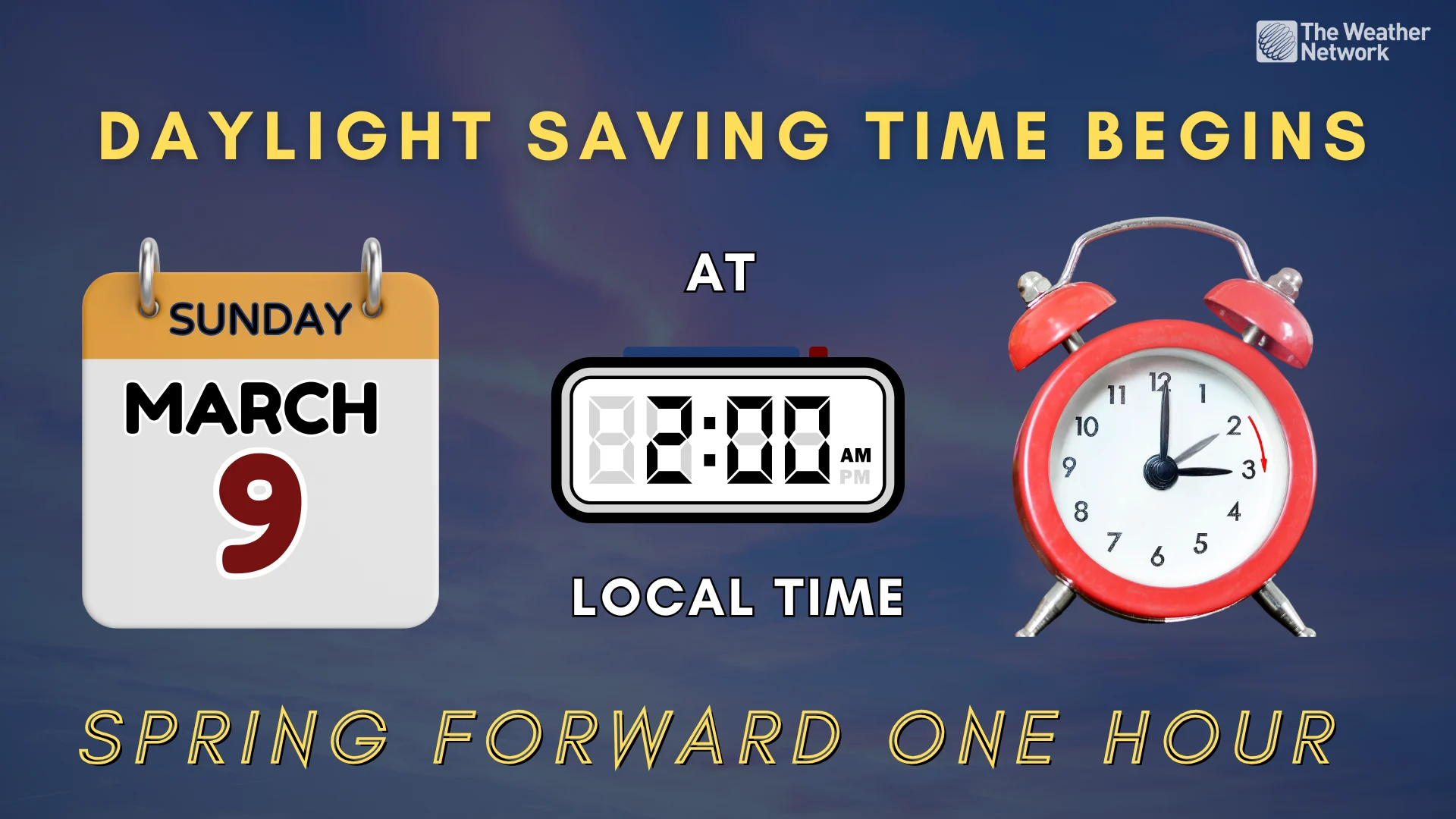
During the spring transition, known colloquially as "springing forward," clocks advance by one hour at 2:00 a.m. local time, momentarily shortening the calendar day to 23 hours. Conversely, the autumn transition reverses this adjustment, returning the region to standard time. The current MDT designation applies strictly to the interim period between these two transition dates.
| Transition Phase | Calendar Timing (US/Canada) | Clock Adjustment | Resulting Offset from UTC |
|---|---|---|---|
| Spring Forward (Start MDT) | Second Sunday in March (2:00 AM) | Add one hour (+1:00) | UTC-6 |
| Fall Back (End MDT) | First Sunday in November (2:00 AM) | Subtract one hour (-1:00) | UTC-7 (MST) |
Managing these shifts requires automated systems to update internal clocks correctly. Operating systems, network servers, and database applications rely on the Internet Assigned Numbers Authority (IANA) time zone database to apply these seasonal changes without manual intervention. Failure to keep these systems updated can lead to severe operational discrepancies, particularly in automated financial transactions and server log auditing.
Impact on Financial Markets and Corporate Operations
Global financial markets operate on strict temporal frameworks. While major stock exchanges like the New York Stock Exchange and NASDAQ operate primarily on Eastern Time, the cascading effects of market openings and closings impact businesses operating within the Mountain Daylight Time zone. Understanding the MDT current status ensures that financial institutions execute trades, settlements, and wire transfers within designated clearinghouse windows.
Corporate enterprises with distributed workforces must also account for MDT when scheduling cross-country meetings, client deliverables, and customer support coverage. When an organization transitions to daylight time while neighboring jurisdictions or international partners do not—such as Arizona or Saskatchewan, which largely remain on standard time year-round—scheduling complexities multiply.
- Financial Settlements: Automated clearing house (ACH) transactions and stock market cut-off times depend on precise local time calculations.
- Client Service Windows: Contact centers must adjust shift rotations to maintain consistent customer support availability across multiple time zones.
- Supply Chain Logistics: Freight dispatchers and warehousing facilities rely on accurate time stamps to track transit times, driver hours of service, and cross-docking operations.
Failing to account for the current offset can result in missed financial reporting deadlines, delayed shipments, and contractual breaches in service level agreements (SLAs). Consequently, logistics managers and financial controllers treat time zone verification as a critical risk-management task.
Transportation and Aviation Scheduling Integrity
The aviation and rail industries rely on Coordinated Universal Time (UTC) as a universal standard for flight planning and air traffic control. However, passenger-facing schedules, boarding times, and local ground operations must translate UTC into local time, including Mountain Daylight Time.
Airlines operating major hubs within the MDT zone—such as Denver International Airport (DEN) or Salt Lake City International Airport (SLC)—manage thousands of connecting passengers daily. A misunderstanding of the current local time by passengers or ground crews can lead to missed connections, baggage mishandling, and severe airport congestion.
Furthermore, federal regulations governing commercial motor vehicle operators, such as the Federal Motor Carrier Safety Administration (FMCSA) hours-of-service rules, require accurate electronic logging devices (ELDs). These devices record a driver's duty status changes automatically. Because ELDs must sync with UTC while presenting local time to the driver, knowing whether MDT is active ensures compliance with mandatory rest periods and driving limits.
Common Misconceptions and Exceptions Within the Region
A frequent source of confusion regarding the Mountain Daylight Time current status involves geographic exceptions. Not all areas within the geographic boundaries of the Mountain Time Zone observe Daylight Saving Time.
The most prominent exception is the state of Arizona, which opted out of the Uniform Time Act of 1966. With the exception of the Navajo Nation in northeastern Arizona—which does observe MDT to maintain uniform time with its reservation lands extending into New Mexico and Utah—the majority of Arizona remains on Mountain Standard Time (UTC-7) year-round. This means that during the spring and summer months, Phoenix and Tucson share the exact same time as Pacific Daylight Time (UTC-7), but are one hour behind Denver and Salt Lake City.
Similarly, most of the province of Saskatchewan operates on Central Standard Time year-round without observing daylight adjustments, though a small region surrounding Lloydminster officially observes Mountain Daylight Time to align with commercial ties to Alberta.
- [Standard Time: MST (UTC-7)]
- Arizona (except Navajo Nation) --> Stays on MST year-round
- Standard Mountain Zone --> Springs forward to MDT (UTC-6)
Failing to verify these localized exceptions can lead to missed appointments, delayed flights, and administrative errors for travelers and remote teams interacting with these communities.
Troubleshooting Time Synchronization Errors in Digital Systems
Digital infrastructure requires absolute accuracy to prevent data corruption, security certificate failures, and communication timeouts. When devices display incorrect times during the MDT operational window, administrators must diagnose and resolve the underlying configuration issues.
- Verify Operating System Time Zone Settings: Ensure the system is configured to use the correct regional identifier (e.g.,
America/DenverorAmerica/Edmonton) rather than a static offset like UTC-6, which would fail to adjust when autumn arrives. - Check Network Time Protocol (NTP) Synchronization: Confirm that servers and workstations actively query reliable time servers to synchronize their internal clocks.
- Inspect Virtualization Host Clocks: In cloud computing environments, ensure that virtual machine hypervisors pass correct time configurations down to guest operating systems.
- Review Database Time Stamp Rules: Verify whether applications store timestamps in UTC and convert them locally, or store them in local time, which can corrupt data integrity during seasonal shifts.
Proactive monitoring of system clocks prevents authentication tokens from expiring prematurely and ensures that audit logs remain chronologically sound for cybersecurity investigations.
Frequently Asked Questions
Why do some regions in the Mountain Time Zone not observe MDT?
Some regions choose not to observe Daylight Saving Time to avoid the administrative burden and health disruptions associated with twice-yearly clock changes. For instance, Arizona determined that the energy savings benefits of DST were minimal in its desert climate, where air conditioning loads increase significantly with extended evening daylight.
How does Mountain Daylight Time affect international trade?
MDT changes the offset between North American mountain regions and international partners by one hour during the spring and summer. Because European nations transition to daylight saving time on different dates than the United States and Canada, temporary scheduling gaps occur for international teleconferences and financial settlements during those transitional weeks.
What is the exact UTC offset for Mountain Daylight Time?
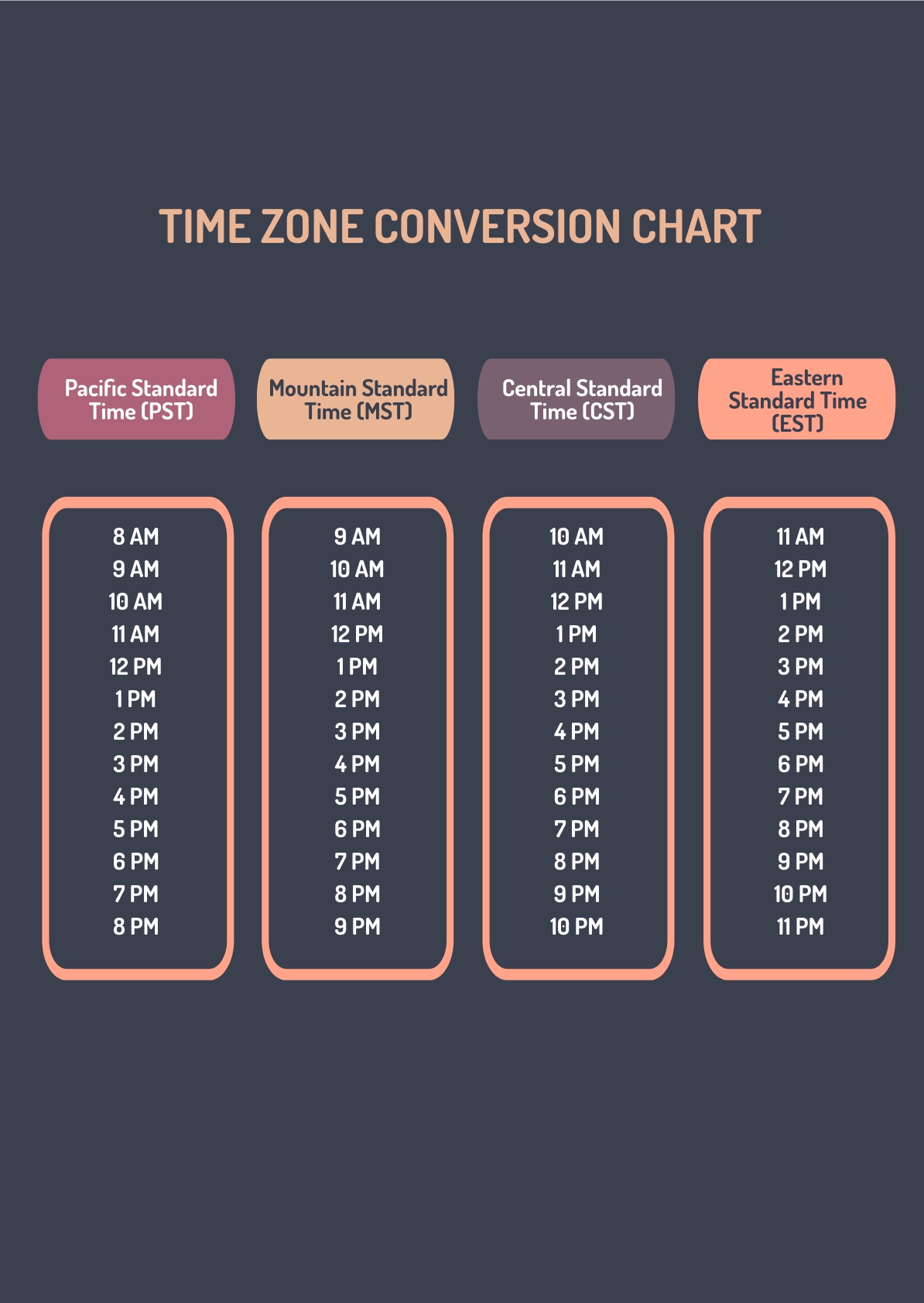
Mountain Daylight Time is four hours behind Coordinated Universal Time, expressed as UTC-6. During standard time, the region operates on UTC-7 (Mountain Standard Time).
How can I verify the exact current time in the Mountain Time Zone?
The most reliable method is to check an atomic clock reference or a synchronized network time source using the IANA time zone database identifier America/Denver, which automatically accounts for current daylight saving rules.
Do mobile devices automatically update for Mountain Daylight Time?
Yes, modern smartphones, tablets, and computers utilize cellular network data or internet-based NTP servers to update their clocks automatically when Daylight Saving Time begins and ends, provided that automatic time zone settings are enabled.
Conclusion
The Mountain Daylight Time current status is far more than a simple shift on a household clock; it is a critical operational parameter governing financial transactions, transportation networks, digital infrastructure, and cross-country communications. By understanding the underlying mechanics, geographic exceptions, and technological requirements of MDT, organizations and individuals can maintain seamless coordination throughout the spring and summer months. Verifying system configurations and regional exceptions ensures operational continuity and prevents costly scheduling errors.
Image Gallery