Michael B. Jordan’s Date at the Oscars Sparked Conversation: Red Carpet Appearances, Public Fascination, and Media Culture
Michael B. Jordan’s arrival at the Academy Awards with a high-profile or family companion frequently generates substantial media coverage and intense public discourse. These moments highlight how modern red carpet appearances serve as...
Michael B. Jordan’s arrival at the Academy Awards with a high-profile or family companion frequently generates substantial media coverage and intense public discourse. These moments highlight how modern red carpet appearances serve as cultural flashpoints where fashion choices, personal life speculation, and celebrity branding intersect under intense public scrutiny.
Contents
Introduction: The Cultural Weight of Oscar Red Carpets
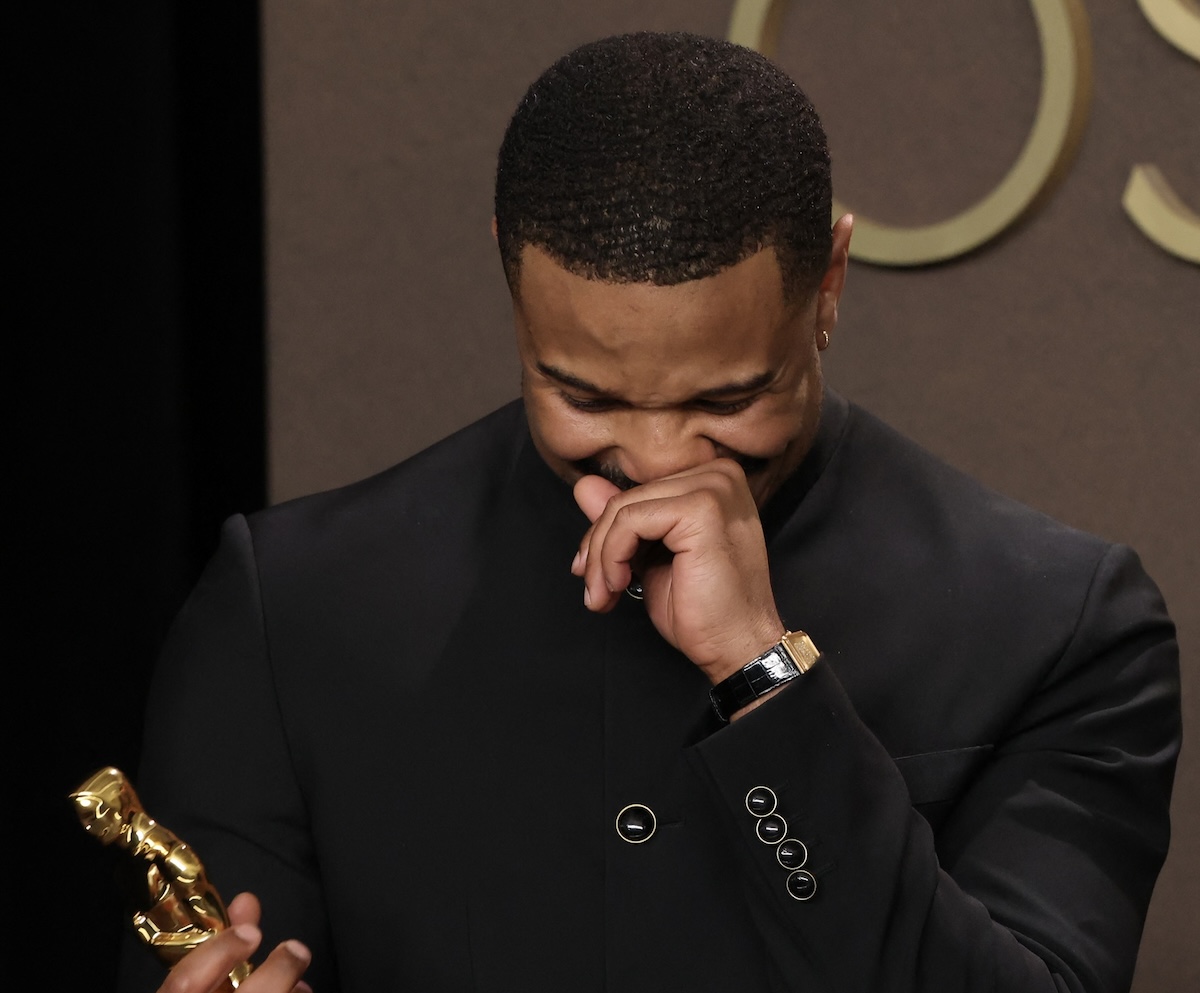
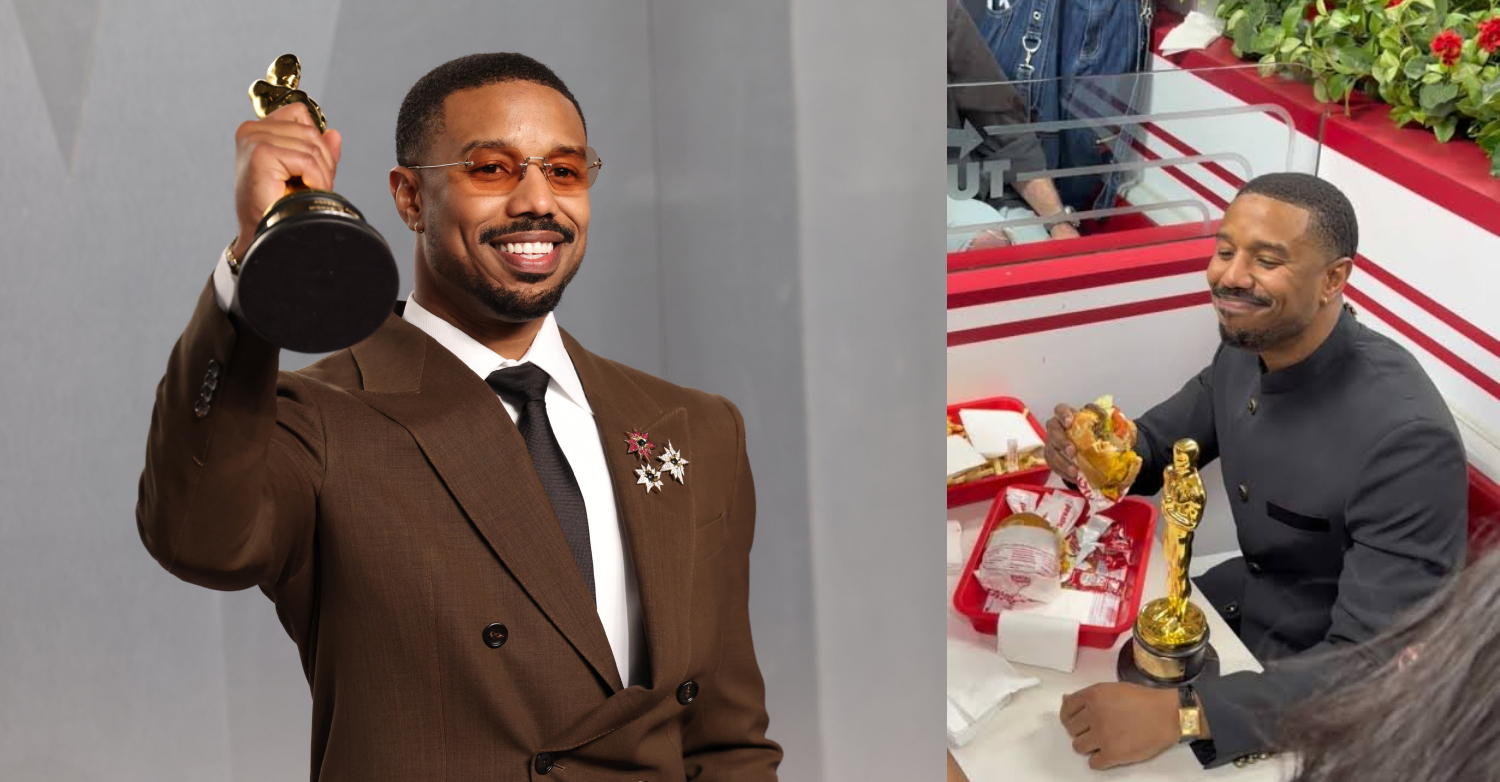
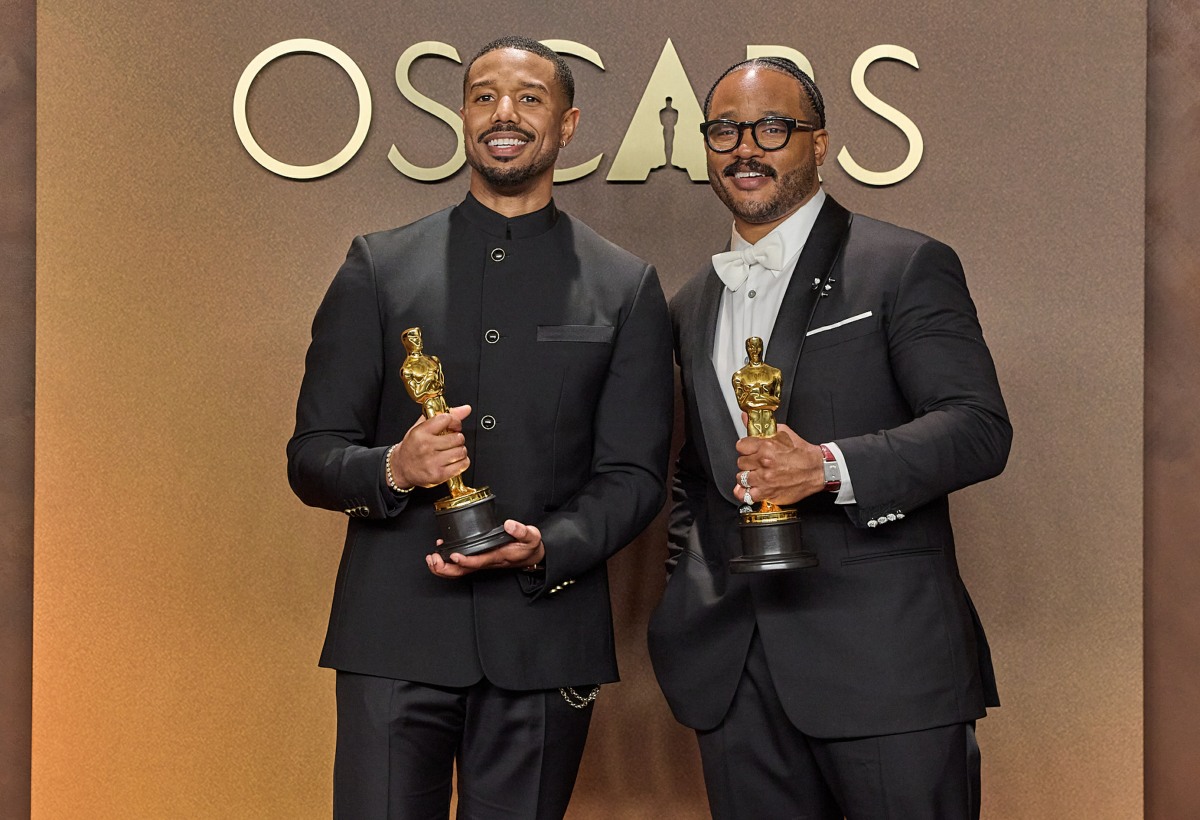
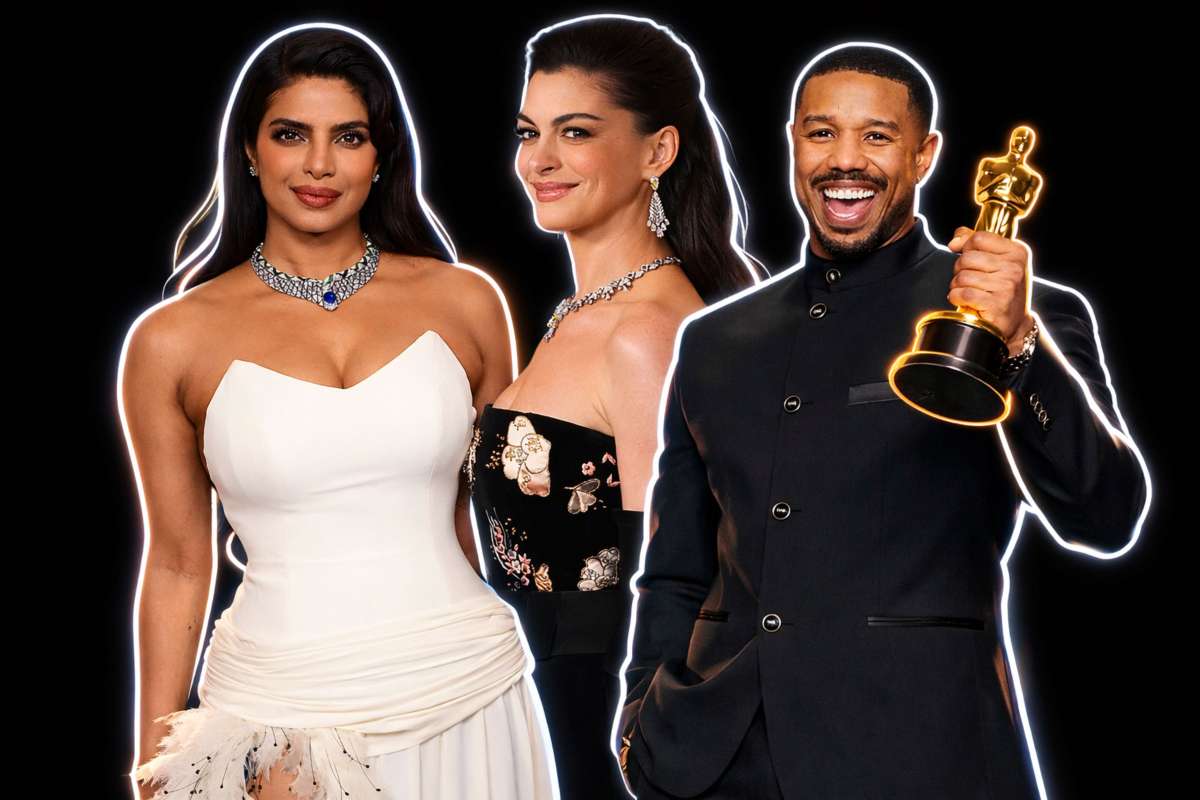
The Academy Awards represent the pinnacle of the cinematic year, functioning simultaneously as a celebration of artistic achievement and a global fashion runway. When major cultural figures like Michael B. Jordan step onto the red carpet, every detail—from tailored couture to the identity of their companion—is analyzed by millions worldwide. The phrase "michael b jordans date at the oscars sparked conversation" reflects the immediate, multi-layered reactions that occur across digital platforms whenever the actor attends high-profile Hollywood ceremonies.
Public fascination with celebrity relationships and red carpet pairings is not a new phenomenon, but the speed and volume of modern digital discourse amplify these moments significantly. Understanding why a specific appearance sparks conversation requires examining the intersection of celebrity status, media framing, fashion curation, and the evolving nature of public curiosity in the digital age.
The Anatomy of a Red Carpet Conversation
Red carpet events are meticulously orchestrated public relations exercises, yet they frequently take on a life of their own once public interpretation begins. When media outlets and social media users discuss a celebrity's date or companion at a major gala, several distinct factors drive the conversation.
Public Curiosity and Celebrity Personal Lives
Celebrity culture thrives on narrative construction. Audiences invest emotionally in the personal lives of public figures, tracking relationship statuses, friendships, and familial bonds. When an actor known for keeping aspects of their personal life private attends a major global event like the Oscars with a specific companion, it immediately prompts speculation and commentary.
- Relationship Speculation: Observers often look for romantic implications in red carpet pairings, even when the companion is a close friend, relative, or professional colleague.
- Family Dynamics: Bringing a parent—frequently a mother—or a sibling to the Oscars sends a powerful message about grounding, loyalty, and personal values, which consistently resonates warmly with the public.
- Professional Alliances: Occasionally, companions are co-stars, directors, or business partners, tying the appearance directly to upcoming cinematic projects or industry collaborations.
Fashion, Styling, and Visual Presentation
Beyond the identity of the companion, the aesthetic presentation plays a massive role in sparking conversation. High-fashion houses, stylists, and jewelers view the Oscars as their most lucrative global showcase. A coordinated look between an actor and their date can elevate the visual impact of their appearance, turning a standard photo-call into a viral fashion moment.
| Element of Presentation | Objective on the Red Carpet | Typical Public Reaction |
|---|---|---|
| Tailored Couture | Showcase high-end designer partnerships and sartorial innovation. | Praise for bold choices or critique of traditional styling. |
| Companion Pairing | Create a unified aesthetic and narrative synergy for photographers. | Discussion on matching ensembles and visual harmony. |
| Accessories & Jewelry | Highlight high-value luxury sponsorships and brand ambassadorships. | Focus on craftsmanship, diamond valuation, and historical pieces. |
Michael B. Jordan’s Public Profile and Media Presence
To understand why appearances by Michael B. Jordan consistently draw intense scrutiny, it is necessary to examine his trajectory within the entertainment industry. Rising from critically acclaimed television roles in dramas like The Wire and Friday Night Lights to leading major cinematic franchises such as Creed and Black Panther, Jordan has cultivated a reputation as both a bankable blockbuster star and a dedicated dramatic actor.
Furthermore, Jordan’s status as a sex symbol and cultural icon ensures that his personal appearances are heavily monitored. Media outlets across entertainment, lifestyle, and fashion journalism routinely dissect his wardrobe choices, grooming, and public demeanor. Consequently, any high-profile event he attends becomes an exercise in brand management where personal authenticity intersects with public expectation.
The Balance Between Privacy and Public Exposure
In an era dominated by hyper-sharing on social media, Jordan has largely maintained a measured approach to his personal life. While he maintains active public channels for promotional work and entrepreneurial ventures—such as his involvement in professional sports ownership and production companies—his romantic life remains relatively guarded. This scarcity of personal revelation heightens public interest whenever he appears at major industry events with a companion, turning standard red carpet photography into an event for digital detectives and entertainment analysts.
The Role of Social Media in Amplifying Red Carpet Moments
The phrase "sparked conversation" is inherently tied to the mechanics of contemporary social media ecosystems, particularly platforms like X (formerly Twitter), TikTok, and Instagram. These platforms function as real-time reaction chambers where red carpet moments are disassembled, memeified, and debated within minutes of the first flashbulb going off.
Real-Time Commentary and Viral Spread
When high-profile figures arrive at the Dolby Theatre for the Oscars, digital media editors and fans alike monitor live streams.
- Immediate Capture: Photographers capture high-resolution images that are uploaded instantly to wire services.
- Platform Dispersion: Users on social media crop, enhance, and repost these images with commentary ranging from fashion critique to relationship analysis.
- Algorithmic Acceleration: Engagement-driven algorithms reward posts that generate high volumes of replies, retweets, and likes, propelling specific red carpet moments into trending topics.
The Shift from Traditional Journalism to Participatory Culture
Historically, red carpet coverage was mediated exclusively through television broadcast anchors, magazine columnists, and morning show segments. Today, traditional media shares space with participatory digital culture. Fans do not just consume information about who Michael B. Jordan brought to the Oscars; they actively debate the significance of the appearance, create fan edits, and project narrative arcs onto the celebrities involved. This participatory dynamic ensures that a single evening's appearance can generate online discussions lasting for days or weeks.
Comparative Analysis of Oscar Red Carpet Appearances
Red carpet appearances by leading Hollywood actors generally fall into distinct categories, each eliciting different types of public conversation. Examining how Michael B. Jordan’s appearances compare to broader industry trends reveals why certain moments capture the public imagination more than others.
- Industry Standard Red Carpet Appearances
- Solo Appearances (Focus on individual branding & fashion)
- Romantic Pairings (High media speculation & tabloid focus)
- Familial / Platonic Pairings (Resonate as grounded, wholesome statements)
When an actor chooses a non-romantic companion—such as a family member—it often subverts expected Hollywood tropes, leading to widespread positive coverage. Conversely, high-profile romantic debuts on the Oscar red carpet instantly dominate entertainment headlines, shifting the primary focus of the evening from cinematic achievement to personal milestones.
Frequently Asked Questions
Why do red carpet dates at the Oscars generate so much public interest?
Red carpet dates combine high fashion, cinematic prestige, and personal narrative speculation. Because major award ceremonies are global spectacles, audiences naturally project interest onto the personal lives and social pairings of their favorite stars, turning standard event attendance into a major media talking point.
How do celebrities manage the media narrative surrounding their red carpet appearances?
Publicists, stylists, and talent management teams carefully coordinate every aspect of a celebrity's red carpet arrival. From pre-arranged designer partnerships to deliberate choices regarding who they walk with, these appearances are strategic efforts to balance personal privacy with professional branding.
What impact do social media platforms have on celebrity event coverage?
Social media accelerates the dissemination and analysis of red carpet moments. Platforms allow fans and commentators to instantly critique fashion, analyze body language, and generate viral memes, transforming passive viewing into an interactive, real-time global conversation.
Is Michael B. Jordan known for keeping his personal life private?
Yes, Jordan generally maintains a distinct boundary between his public professional career—spanning acting, directing, and production—and his private personal life, which makes his rare high-profile red carpet accompaniments subjects of intense media curiosity.
Conclusion and Next Actions
The intense public discussion surrounding Michael B. Jordan’s red carpet appearances at major events like the Academy Awards underscores the complex interplay between modern celebrity culture, digital media acceleration, and audience fascination. Rather than existing as isolated photo opportunities, these moments function as cultural flashpoints where fashion, personal branding, and public narrative converge. For media consumers and industry observers alike, tracking these occurrences offers a clear lens into how Hollywood manages public perception in the digital age.
Image Gallery