Neighbors Credit Union Auto Loan Rates: Financing Guide and Rate Factors
Neighbors Credit Union offers competitive auto loan rates for new, used, and refinanced vehicles, typically featuring flexible repayment terms ranging from 36 to 84 months. Interest rates are tailored to an applicant’s credit score, lo...
Neighbors Credit Union offers competitive auto loan rates for new, used, and refinanced vehicles, typically featuring flexible repayment terms ranging from 36 to 84 months. Interest rates are tailored to an applicant’s credit score, loan term, vehicle age, and loan-to-value ratio. Members can often lower their Annual Percentage Rate (APR) by enrolling in automatic payment services.
Contents
Overview of Neighbors Credit Union Vehicle Financing
Securing auto financing through a credit union differs fundamentally from obtaining a loan through a commercial bank or direct dealership financing. Credit unions are member-owned financial cooperatives. Because profits are returned to members rather than corporate shareholders, credit unions frequently offer lower borrowing rates, reduced fee structures, and more personalized underwriting options.
When evaluating financing options, borrowers frequently reference entities such as Neighbors Credit Union (headquartered in the St. Louis, Missouri metropolitan area) or Neighbors Federal Credit Union (serving the Baton Rouge, Louisiana region). While distinct financial institutions operating under separate charters, both follow traditional credit union principles: offering low APRs on new and used auto purchases, vehicle refinancing, pre-approval options, and protective financial products.
Understanding how interest rates are structured helps buyers secure the best financing terms before visiting a car dealership. Vehicle loan rates fluctuate based on broader macroeconomic indicators, including federal benchmark interest rates set by the Federal Reserve Board, as well as individual financial profiles.
Key Factors That Determine Your Auto Loan Rate
Interest rates for vehicle financing are not uniform across all applicants. Credit unions assess several underwriting parameters to determine the interest rate applied to an auto loan contract.
1. Credit Score and Credit History
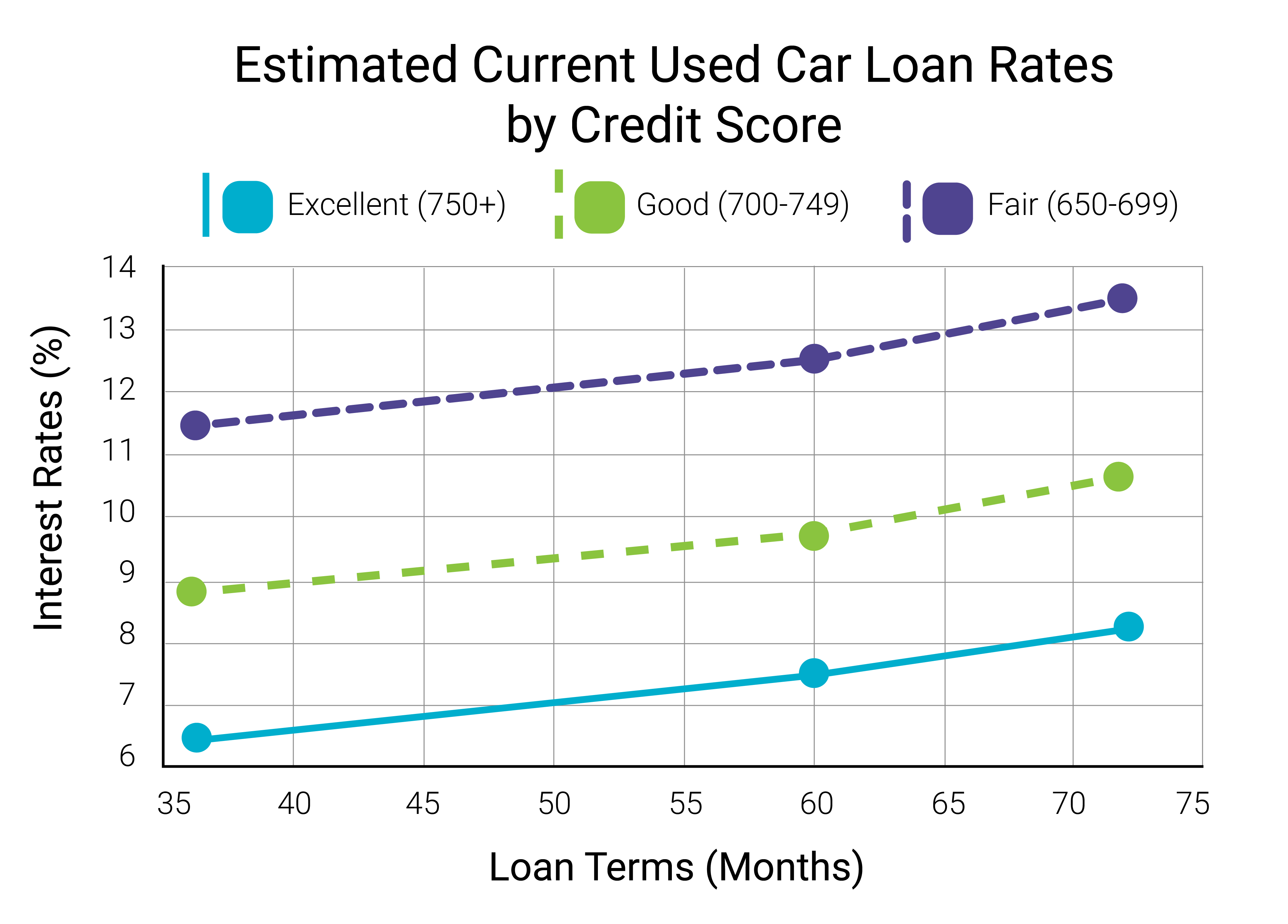
Your FICO score or VantageScore is the primary factor influencing your interest rate. Financial institutions categorize credit scores into risk tiers:
- Super-Prime (780–850): Qualifies for the lowest published APRs and maximum loan-to-value flexibility.
- Prime (660–779): Receives highly competitive rates slightly above the minimum baseline.
- Non-Prime (601–659): Subject to moderate interest rates; may require down payments or shorter repayment terms.
- Subprime (Below 600): May require credit co-signers, higher interest rates, or strict loan-to-value limits.
In addition to the numerical score, underwriters examine payment history, debt-to-income (DTI) ratio, and previous auto loan performance. Demonstrating consistent past vehicle payments significantly improves approval odds and rate tiering.
2. Vehicle Age and Mileage
Loans are divided into categories based on vehicle condition:
- New Auto Loans: Apply to current or previous model year vehicles with low mileage (typically under 7,500 to 10,000 miles) that have never been titled. These loans carry the lowest interest rates because new vehicles hold predictable collateral value.
- Used Auto Loans: Apply to pre-owned vehicles. Credit unions usually offer low rates on late-model used vehicles (up to 3–5 years old).
- Older Used Vehicles: Vehicles older than seven years or with high mileage (e.g., over 100,000 miles) may carry higher interest rates and shorter maximum loan terms due to depreciation risks.
3. Loan Term Duration
The length of the repayment agreement directly impacts both the interest rate and total loan cost. Standard loan terms range from 36 to 84 months:
- Shorter Terms (36–48 Months): Feature lower interest rates and lower overall interest charges over the life of the loan, though monthly payments are higher.
- Longer Terms (72–84 Months): Lower the monthly payment amount but carry higher interest rates. Long-term financing increases the risk of negative equity, where the loan balance exceeds the market value of the vehicle.
4. Loan-to-Value (LTV) Ratio
The LTV ratio compares the total loan amount against the vehicle’s verified value (based on dealer invoice for new cars or National Automobile Dealers Association / Kelley Blue Book values for used cars). Financing 100% or more of the vehicle price—including sales tax, registration fees, and extended warranties—increases risk for the lender, resulting in higher interest rates. Providing a cash down payment or trade-in equity lowers the LTV and helps secure better rate tiers.
5. Relationship Discounts
Many credit unions provide interest rate discounts (commonly 0.25% APR off the standard qualifying rate) when borrowers set up automatic monthly loan payments from an active credit union checking or savings account.
Vehicle Loan Categories and Financing Options
Neighbors Credit Union provides specialized loan programs designed to fit distinct purchasing scenarios. Choosing the right loan type ensures optimal pricing and repayment structures.
| Vehicle Purchase (New, Used, Private Party) | Existing Loan Transfer (Auto Loan Refinance) |
|---|---|
| • Negotiate purchase price• Establish initial titling• Apply manufacturer rebates | • Lower current interest rate• Adjust repayment duration• Reduce monthly payment amount |
New Vehicle Loans
New auto loans apply to untitled cars, trucks, and SUVs purchased through authorized franchise dealerships. Credit unions often finance up to 100% or more of the Manufacturer’s Suggested Retail Price (MSRP) for high-credit applicants, while maintaining competitive fixed APRs.
Used Vehicle Loans
Used car loans finance pre-owned vehicles purchased from franchised dealerships, independent car lots, or private sellers. Rates remain close to new car rates for low-mileage, recent-model vehicles, making certified pre-owned (CPO) vehicles an economical choice.
Auto Refinancing
Auto refinancing involves replacing an existing car loan from another financial institution or dealership lender with a new loan from the credit union. Refinancing is particularly beneficial when:
- Interest rates have dropped since the original loan was originated.
- Your credit score has improved significantly.
- The original dealership loan included inflated interest rate markups (dealer reserve).
- You need to lower your monthly payment by extending the remaining loan term.
Private Party Financing
Buying a vehicle directly from an individual seller requires specific loan handling. Credit unions facilitate private party loans by verifying clear vehicle titles, checking for outstanding liens, and ensuring secure payment disbursement to the seller or lienholder.
Comparing Auto Financing Terms and Features
The following comparison illustrates typical auto loan structures, eligibility standards, and cost considerations across different vehicle loan categories.
| Financing Category | Typical Term Range | Base APR Expectation | Maximum Financing Limits | Target Borrower Profile |
|---|---|---|---|---|
| New Auto Purchase | 36 to 84 months | Lowest available base rate | Up to 100%+ MSRP (including tax/fees) | Prime to Super-Prime buyers purchasing untitled vehicles. |
| Late-Model Used Auto | 36 to 72 months | Slightly higher than new car APR | Up to 100% NADA / KBB retail value | Buyers purchasing vehicles 1–5 years old with low mileage. |
| Older Used Auto | 36 to 48 months | Moderate rate premium applied | 80%–90% estimated trade-in/wholesale value | Buyers financing vehicles older than 6–7 years or over 100k miles. |
| Auto Loan Refinance | 36 to 72 months | Comparable to used vehicle rates | Up to 100% current vehicle market value | Borrowers seeking lower monthly payments or interest reductions. |
Step-by-Step Guide to Applying for a Credit Union Auto Loan
Applying for an auto loan with a credit union involves a straightforward process that can be completed online, in a local branch, or over the phone.
Step 1: Establish Credit Union Membership Eligibility
Credit unions require borrowers to be members. Membership eligibility is typically based on geographic location (living, working, or attending school in designated counties), employment with partner organizations, or family relationships with current members. Applicants usually open a basic savings account with a nominal deposit (often $5) to activate membership.
Step 2: Gather Required Financial Documentation
Before applying, prepare essential documentation to streamline underwriting:
- Proof of Identity: Government-issued ID (driver’s license, passport).
- Proof of Income: Recent pay stubs (covering the last 30 days), W-2 forms, or two years of tax returns for self-employed applicants.
- Proof of Residence: Utility bill or lease agreement if your address differs from your credit report.
- Vehicle Details: Vehicle Identification Number (VIN), current mileage, and dealer purchase order or seller bill of sale.
- Insurance Verification: Proof of full coverage auto insurance naming the credit union as the lienholder.
Step 3: Secure Pre-Approval
Obtaining loan pre-approval prior to shopping provides leverage at the dealership. Pre-approval establishes your maximum borrowing limit, exact interest rate, and estimated monthly payment. According to guidance from the Consumer Financial Protection Bureau (CFPB), pre-approval converts a buyer into a cash-equivalent shopper, helping them resist high-cost add-ons or marked-up dealer financing rates.
Step 4: Complete Vehicle Purchase and Final Loan Closing
Once you select a vehicle, submit the purchase order or bill of sale to the credit union loan officer. The lender verifies title status, calculates final loan-to-value metrics, issues the loan agreement for signature, and disburses funds directly to the dealership or private seller.
Ancillary Vehicle Protection Products
Credit unions offer optional vehicle protection products that can be integrated into the monthly auto loan payment. Comparing these options with third-party providers ensures cost-effective coverage.
Guaranteed Asset Protection (GAP)
If a vehicle is declared a total loss due to an accident or theft, standard auto insurance pays only the current market value of the vehicle. If your remaining loan balance exceeds that market value, you owe the difference out of pocket. GAP insurance covers this financial gap. Credit unions typically offer GAP protection at lower premiums than retail auto dealerships.
Major Mechanical Protection (Extended Warranties)
Mechanical Repair Coverage (MRC) provides extended protection against unexpected engine, transmission, electrical, and mechanical component failures after the manufacturer warranty expires. Credit union plans often include roadside assistance, rental car reimbursement, and nationwide repair facility choices.
Credit Life and Disability Insurance
This optional insurance helps protect the loan balance in the event of disability or death:
- Credit Disability Insurance: Pays or reduces your monthly loan payment if you become medically disabled and unable to work.
- Credit Life Insurance: Pays off the remaining loan balance if the primary borrower passes away during the loan term.
Common Auto Financing Mistakes to Avoid
- Focusing Only on the Monthly Payment: Dealers may stretch loan terms to 84 months to lower the monthly payment, significantly increasing total interest costs over time. Always evaluate total finance charges alongside monthly payments.
- Neglecting Pre-Approval: Negotiating vehicle purchase prices without pre-approved financing leaves you vulnerable to marked-up loan rates managed by dealership finance managers.
- Ignoring Add-On Product Pricing: Purchasing warranty coverage, tire-and-wheel protection, or GAP coverage directly from a dealer without comparing credit union prices often results in overpaying.
- Financing Negative Equity: Rolling unpaid balances from a previous car loan into a new auto loan increases your LTV ratio, leading to higher interest rates and long-term financial exposure.
Frequently Asked Questions
What credit score is needed to qualify for an auto loan at Neighbors Credit Union?
While the lowest advertised interest rates require a credit score of 740 or higher, applicants with fair or average credit (scores between 600 and 699) can still qualify for financing. Credit unions review holistic financial profiles, including income stability and payment history, rather than relying strictly on credit scores.
Can I get an auto loan with Neighbors Credit Union if I am not currently a member?
Yes, you can apply for an auto loan as a non-member. However, if your loan is approved, you must establish credit union membership—typically by opening a primary savings account with a small initial deposit—before the loan can be finalized and funded.
What is the maximum loan term available for auto financing?
Neighbors Credit Union generally provides loan terms up to 84 months for qualifying new and recent used vehicles. However, selecting shorter loan terms (such as 36, 48, or 60 months) reduces overall interest expense and helps build vehicle equity faster.
Is there a prepayment penalty for paying off an auto loan early?
No, credit unions generally do not charge prepayment penalties. Borrowers can make extra payments toward the principal balance or pay off the entire loan balance early without incurring fees, reducing total interest costs over time.
How does refinancing an existing car loan work?
Refinancing involves applying for a new loan through the credit union to pay off your existing auto loan balance with another lender. If approved, the credit union pays off the previous financial institution, transfers the vehicle lien to their name, and establishes a new monthly payment plan with updated interest rates and terms.
Actionable Next Steps for Applicants
To secure favorable auto loan rates, evaluate your current financial profile before beginning the shopping process:
- Review Credit Reports: Check your credit reports for inaccuracies via official credit reporting sources prior to submitting loan applications.
- Calculate Your Budget: Determine your maximum target purchase price and monthly payment budget using an auto loan payment calculator, factoring in taxes, vehicle registration fees, and full-coverage insurance costs.
- Apply for Pre-Approval: Submit a pre-approval application with the credit union to lock in an interest rate and establish your purchasing limit.
- Compare Dealership Offers: Present your credit union pre-approval offer at the dealership. Only accept dealer financing if they can beat your pre-approved credit union interest rate on identical loan terms.
Disclaimer: Interest rates, loan terms, and underwriting guidelines are subject to change based on market conditions, creditworthiness, and institutional policies. For official rate schedules and qualification requirements, consult directly with your local financial institution.
Image Gallery