Dad Saves Daughter From Cruise Ship Fall: Real-Life Heroics and Safety Protocols
In a rare and harrowing incident, a father’s quick thinking and instinctual bravery led to the rescue of his daughter after she fell from a cruise ship balcony. While such events are statistically improbable due to modern maritime safe...
In a rare and harrowing incident, a father’s quick thinking and instinctual bravery led to the rescue of his daughter after she fell from a cruise ship balcony. While such events are statistically improbable due to modern maritime safety regulations, this specific survival story highlights the critical importance of Man Overboard (MOB) protocols, vessel safety design, and the immediate response of both family members and professional crew.
Contents
The Remarkable Story of the Carnival Glory Rescue
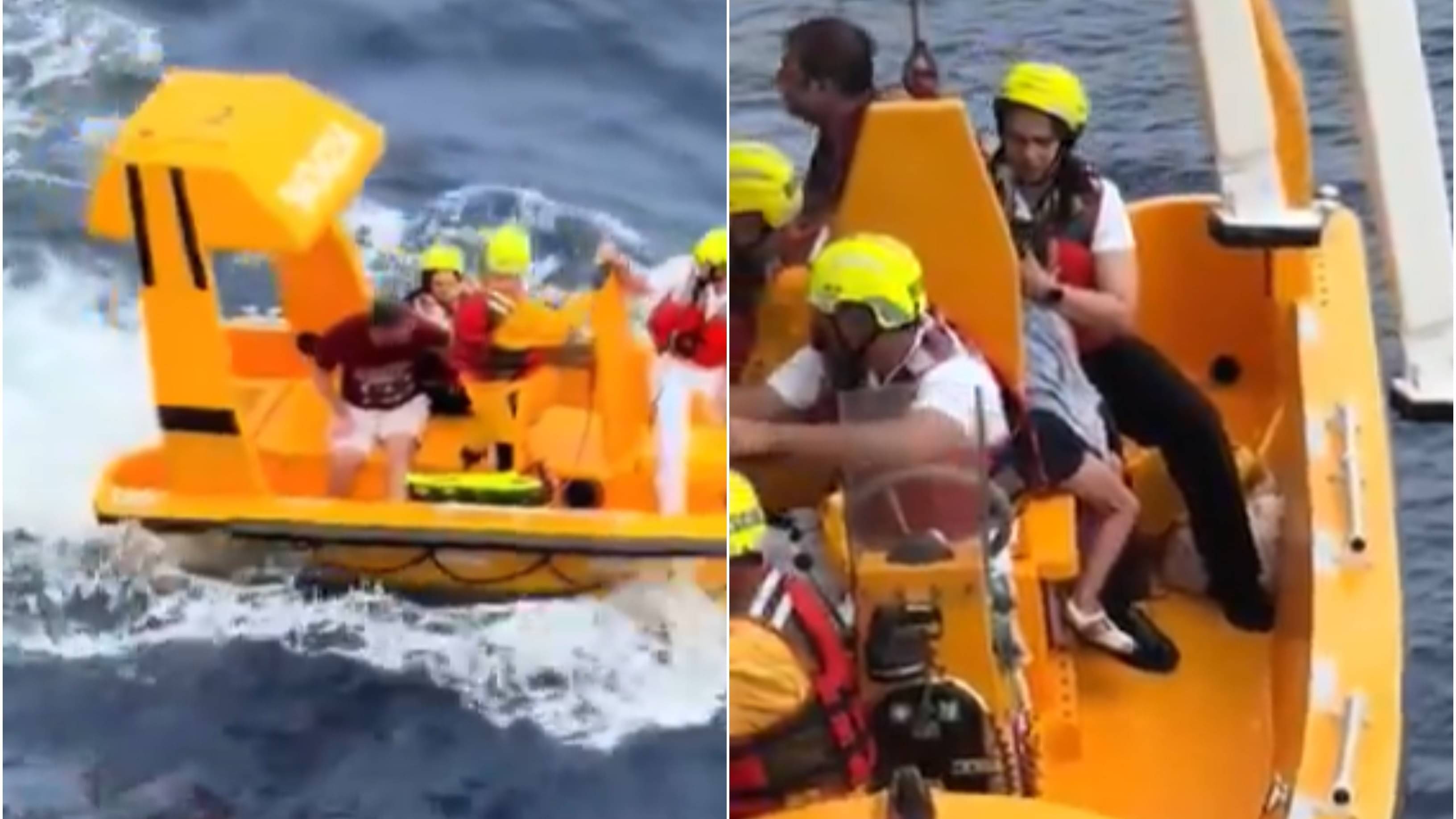
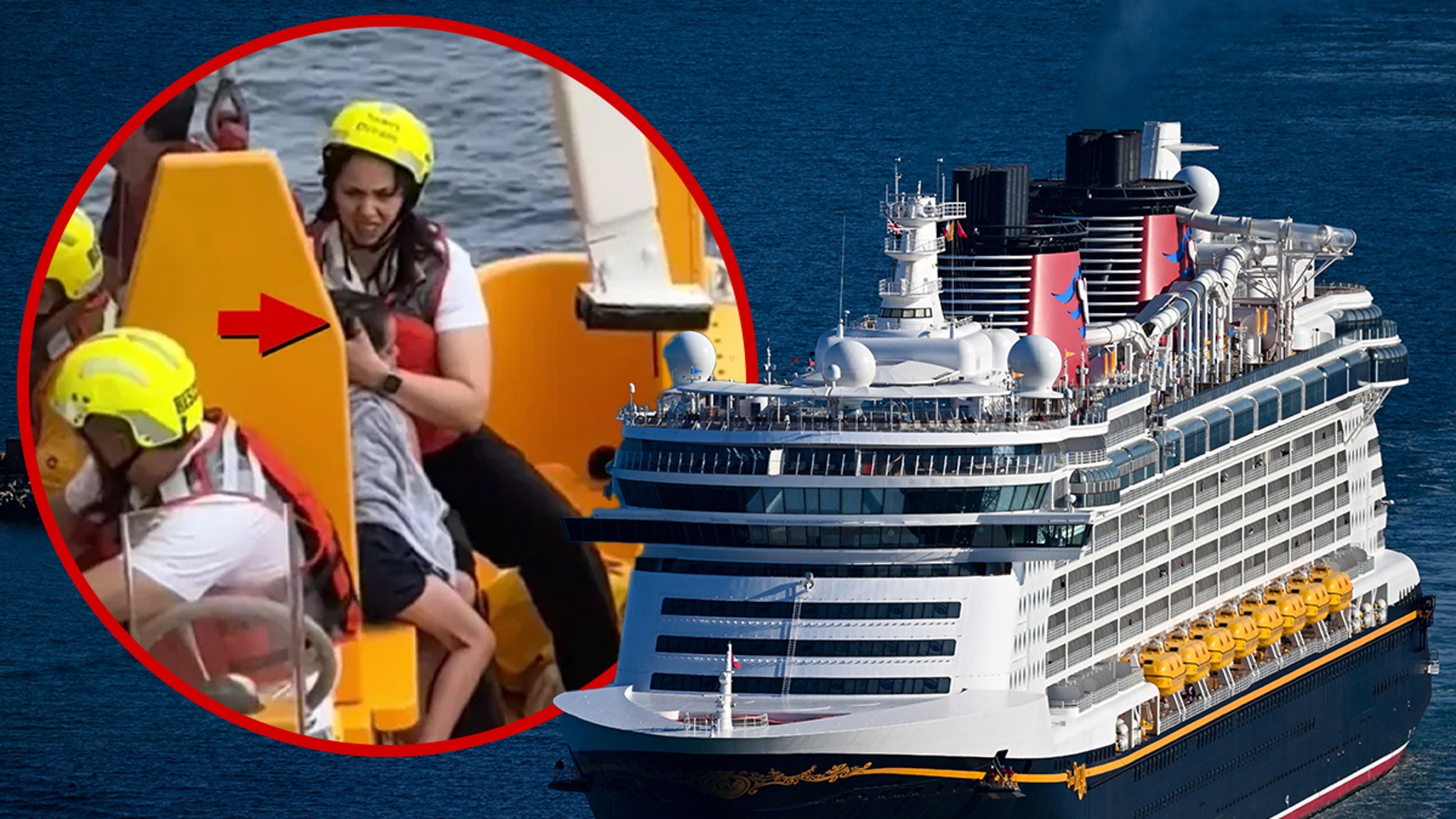
The most prominent instance of a father saving his daughter in a cruise setting occurred aboard the Carnival Glory. While the vessel was docked in Cozumel, Mexico, a six-year-old girl reportedly fell from a balcony on one of the upper decks, plunging into the water below. Without hesitation, her father jumped into the Caribbean Sea to rescue her.
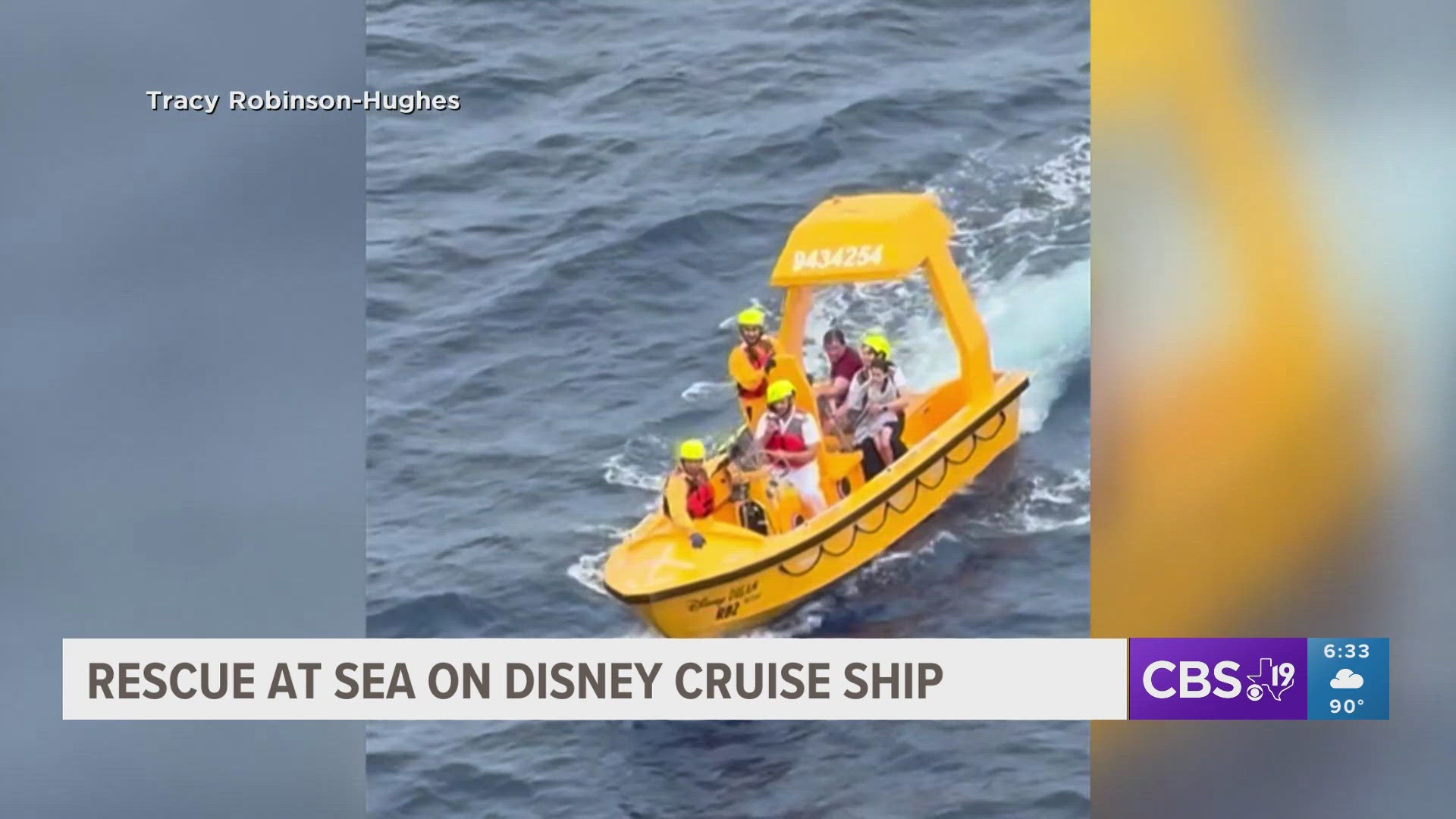
Witnesses described the event as a split-second reaction. The father was able to reach his daughter and keep her afloat until the ship’s crew and local authorities could facilitate a full rescue. Both were eventually pulled from the water with only minor injuries, a result that maritime experts attribute to the fact that the ship was stationary and help was immediate.
This event serves as a focal point for discussions regarding cruise ship safety, specifically the "Man Overboard" (MOB) risks and the strict regulations governed by the Cruise Vessel Security and Safety Act (CVSSA). In the years following this incident, the industry has seen a massive push toward automated detection technology to ensure that if a passenger does go over the rail, the bridge is notified instantly.
The Technical Reality of Man Overboard (MOB) Incidents
When a person falls from a cruise ship, the survival rate depends on several technical factors: the height of the fall, the speed of the vessel, the water temperature, and the speed of the "Oscar" (Man Overboard) response.
Height and Impact Physics
Modern cruise ships often have 15 to 20 decks. A fall from a mid-level balcony can involve a drop of 50 to 100 feet. At these heights, hitting the water is comparable to hitting concrete if the body is not positioned correctly. In the case of the Carnival Glory rescue, the ship being docked meant the height was lower than it would have been at mid-sea, and there was no "propeller wash" or wake to pull the victims under the hull.
The Danger of the "Propeller Wash"
If a person falls while the ship is at cruising speed (typically 18–24 knots), the hydrodynamic suction created by the ship’s movement and its massive propellers poses the greatest immediate threat. This is why maritime law and safety protocols strictly advise against jumping in after someone when a ship is in motion. While the father’s actions were heroic and successful in port, jumping into the open ocean while a ship is moving often results in two victims instead of one.
Understanding Cruise Ship Safety Design and the CVSSA
The safety of passengers on cruise ships is not left to chance. The Cruise Vessel Security and Safety Act (CVSSA), updated and strictly enforced through 2026, mandates specific structural requirements to prevent accidental falls.
Railing Height Requirements
By law, all railings on cruise ships must be at least 42 inches (107 cm) high. This height is calculated to be above the center of gravity for the vast majority of adults, making it nearly impossible to "accidentally" trip over a rail. For a child to fall, they typically must climb on furniture or the railing itself, which is why cruise lines emphasize parental supervision on balconies.
Structural Barriers
Most modern ships have replaced traditional open-slat railings with solid plexiglass or reinforced glass panels. These barriers serve two purposes: they provide an unobstructed view while preventing children from slipping through gaps or using horizontal bars as a ladder.
Advanced Man Overboard Detection Systems (MOBDS)
As of 2026, the cruise industry has largely transitioned from manual sightings to automated Man Overboard Detection Systems (MOBDS). These systems are designed to eliminate the delay between a fall and the commencement of search and rescue operations.
- Thermal Imaging Cameras: These cameras scan the perimeter of the ship 24/7. They are programmed to recognize the heat signature of a human body and can distinguish between a person falling and a piece of trash or a bird.
- Radar and Laser Sensors: Utilizing LiDAR or specialized radar, these sensors detect movement across a "virtual fence" around the ship’s railings.
- Instant Bridge Alerts: When the system is triggered, it sounds an alarm on the bridge and provides the officers with a recorded video clip of the incident. This allows the Captain to immediately mark the GPS coordinates, a process known as "marking the MOB point."
Emergency Maneuvers: How a Ship Rescues a Passenger
If a passenger is reported overboard, the bridge immediately initiates a series of maneuvers. The choice of maneuver depends on how much time has elapsed since the fall and the current sea conditions.
| Maneuver | Description | Best Use Case |
|---|---|---|
| Williamson Turn | A classic maneuver that brings the ship back onto the exact opposite track of its original heading. | Used when the fall was not witnessed or occurred some time ago (Delayed Action). |
| Anderson Turn | A fast, single-turn maneuver (a full circle) to bring the ship back to the point of the fall. | Used when the fall is witnessed and the person is still in sight (Immediate Action). |
| Scharnow Turn | A maneuver that brings the vessel back to the wake. | Used when the ship has already traveled a significant distance past the victim. |
| The "Oscar" Signal | Three long blasts of the ship's whistle (Morse Code for 'O'). | Alerts all crew members and nearby vessels of a Man Overboard situation. |
The Legal and Financial Consequences of Jumping Overboard
While the story of a father jumping to save his daughter is heart-wrenching, it is important to understand the legal framework surrounding these incidents. Maritime law is complex, and the consequences for unauthorized "jumping" are severe.
Violation of Contract
When you purchase a cruise ticket, you enter a "Contract of Carriage." This contract explicitly forbids jumping overboard or engaging in "reckless behavior" that endangers yourself or the crew. If a person jumps overboard—even for a rescue attempt—they may be permanently banned from the cruise line and potentially fined by the host country’s coast guard.
Search and Rescue (SAR) Costs
A full-scale search and rescue operation involving the U.S. Coast Guard (USCG) or international equivalents can cost upwards of $20,000 to $50,000 per hour. If an investigation determines that the fall was due to negligence (such as intoxication or climbing on rails), the cruise line or the government may seek restitution for these costs.
Practical Safety Recommendations for Families on Cruises
To ensure that your family never faces a "man overboard" situation, follow these expert-vetted safety guidelines:
- Active Supervision on Balconies: Never leave children unattended on a balcony, even for a moment. Ensure that chairs and tables are kept away from the railing so they cannot be used as stepping stools.
- The "Lock" Rule: Always use the high-security deadbolt or child-proof lock located at the top of the balcony door. These are specifically designed to be out of reach of young children.
- Identify the "Life Ring" Stations: Upon boarding, locate the nearest life ring stations on the public decks. In the event of a fall, your first action should be to throw a life ring to mark the spot and provide flotation, then scream "Man Overboard" to alert crew.
- Muster Drill Compliance: Take the mandatory muster drill seriously. This is where you learn the emergency signals and where to go if an "Oscar" situation is declared.
Statistics: How Common Are These Incidents?
Despite the media attention they receive, Man Overboard incidents are incredibly rare. According to industry data compiled through 2025, there are approximately 20 to 25 MOB incidents per year across the global cruise fleet, which carries over 30 million passengers annually. This puts the odds of such an event at roughly 1 in 1.4 million.
The vast majority of these incidents do not involve accidental falls but are rather the result of intentional acts or extreme intoxication. The story of the father and daughter remains an outlier—a rare instance of a survival miracle in a highly controlled environment.
Frequently Asked Questions
What should I do if I see someone fall off a cruise ship? Do not jump in after them. Your priority is to maintain visual contact with the person in the water. Point at them continuously and shout "Man Overboard!" as loudly as possible. If there is a life ring or a buoyant object nearby, throw it toward them immediately to mark the location.
Can a cruise ship stop instantly if someone falls? No. A large cruise ship traveling at 20 knots can take up to a mile or more to come to a complete stop due to its massive inertia. Instead of stopping, the ship will perform a specialized turn (like the Williamson Turn) to circle back to the point of the fall.
Are balcony railings safe for toddlers? Yes, railings are designed to meet international safety standards (42 inches high with no large gaps). However, toddlers are agile. The danger arises when furniture is moved near the rail, allowing a child to climb. Always keep balcony doors locked when not in use.
Does the cruise line pay for the rescue? The cruise line generally bears the initial cost of ship-based rescue efforts. However, if external agencies like the Coast Guard are involved, and the incident is found to be the result of a deliberate violation of safety rules, the individual responsible may be held liable for the costs.
Final Recommendation
The safety of your family on a cruise depends on a combination of advanced ship technology and personal vigilance. While the story of a father saving his daughter is a powerful testament to parental love, the best way to "save" a loved one is to prevent the fall from happening in the first place. Always utilize the child-safety locks on balcony doors and maintain a strict "no climbing" rule for all passengers, regardless of age. If an emergency does occur, rely on the ship’s professional crew and automated detection systems rather than attempting a high-altitude jump into the sea.
Image Gallery