The Best Winter Break Vacations for Families to Consider
Planning the best winter break vacation for your family requires balancing diverse interests, varying age groups, and specific climatic preferences. Whether your goal is to find guaranteed snow for winter sports or to escape the frost...
Planning the best winter break vacation for your family requires balancing diverse interests, varying age groups, and specific climatic preferences. Whether your goal is to find guaranteed snow for winter sports or to escape the frost for a coastal retreat, success hinges on aligning your itinerary with the logistical realities of peak travel windows, budget planning, and the specific needs of children at different developmental stages.
Contents
Categorizing Your Winter Escape: Snow vs. Sun
The most critical decision for any winter family getaway is choosing between the traditional snowy retreat and the tropical escape. Each comes with distinct operational requirements and packing constraints.
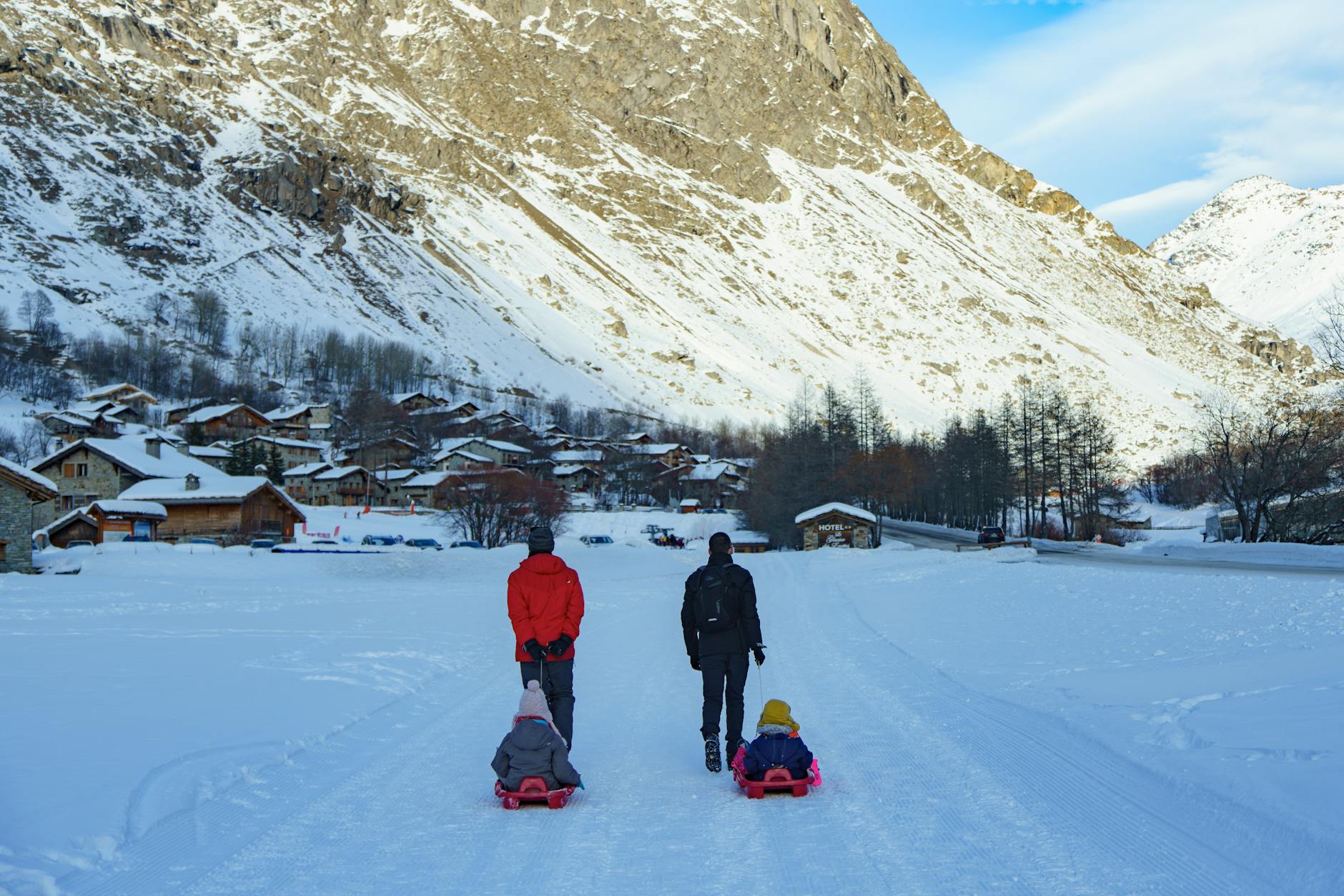
Snow-Focused Destinations For families prioritizing skiing, snowboarding, or tubing, look toward regions with established snowmaking infrastructure and family-focused resorts. In the Northern Hemisphere, regions like the Rocky Mountains, the European Alps, or the Japanese Alps offer reliable conditions. When selecting a resort, prioritize those with "ski-in/ski-out" accessibility. For families with children, the proximity of lodging to the mountain reduces the logistical burden of transporting equipment and tired gear-clad participants. Ensure that the chosen resort features certified ski schools with group lessons partitioned by both age and skill level to maximize safety and learning retention.
Sun-Focused Destinations If the primary objective is to break up the winter blues, tropical or Mediterranean climates are the standard alternatives. During the winter break period, destinations such as the Caribbean, the Mexican Riviera, or the Canary Islands provide consistent daytime temperatures. When evaluating these locations, focus on the distinction between "full-service resorts" and "independent villa rentals." Resorts provide built-in supervision and structured activities, which can alleviate the stress of itinerary planning. Conversely, independent rentals allow for greater autonomy and the ability to cook your own meals—a significant advantage for families with specific dietary restrictions or younger children who require consistent meal schedules.
Strategic Planning and Budget Considerations for 2026
Winter break, typically spanning late December through early January, represents one of the most expensive travel windows of the year. Proactive planning is not merely a recommendation; it is a prerequisite for affordability and availability.
- Booking Windows: For prime holiday travel, flights and accommodations should be secured no later than four to six months in advance. Booking closer to the departure date typically results in a 20-30% increase in base costs and the loss of preferred room configurations, such as adjoining suites.
- Dynamic Pricing: Be aware that "peak season" surcharges are standard practice for hospitality providers. Check if your destination of choice has specific "blackout dates" where loyalty points or third-party travel credits cannot be redeemed.
- The Hidden Costs of Gear: If you choose a cold-weather destination, factor in the cost of high-quality thermal layers and specialized snow gear. If you do not own these, evaluate the daily rental rates for equipment at your destination. Often, renting locally is more cost-effective than purchasing gear that children will outgrow by the following season.
Comparative Overview of Winter Vacation Types
| Vacation Type | Primary Activity | Logistics Effort | Cost Profile |
|---|---|---|---|
| Alpine Skiing | Skiing/Snowboarding | High | High (Gear/Lift Tickets) |
| Tropical Resort | Swimming/Relaxation | Low | Moderate to High |
| Urban Winter Tour | Museums/Theater | Moderate | Variable |
| National Park Visit | Hiking/Sightseeing | Moderate | Low to Moderate |
Addressing Challenges: Troubleshooting and Logistics
Traveling with a family introduces variables that can derail an otherwise well-planned trip. The most frequent issues stem from over-scheduling and underestimating transit times.
Managing Transit Expectations During winter months, weather-related flight delays are statistically more likely. Always opt for morning flights whenever possible. Morning flights are less prone to the "cascading effect" of delays that typically accumulate throughout the day, ensuring that even if a disruption occurs, you have a better chance of reaching your destination within the same calendar day.
Accommodating Age Gaps When planning a group itinerary, avoid the "one-size-fits-all" trap. For families with a mix of toddlers, adolescents, and adults, structure the day to include "anchor activities"—events that the whole family attends—interspersed with independent time. For example, a morning hike or group breakfast can be followed by a two-hour block where teenagers can access organized recreation facilities while adults supervise younger children at the pool or playroom.
Frequently Asked Questions
How far in advance should I book for a winter break trip? For travel occurring during the peak winter break window, book at least four to six months in advance. This ensures you secure the specific room types—such as suites or connecting rooms—necessary for family comfort and typically yields the best pricing on flights.
Is travel insurance worth the cost for domestic winter trips? Travel insurance is highly recommended, especially if your travel involves expensive, non-refundable components like ski packages or international flights. Look for policies that provide "Cancel for Any Reason" (CFAR) coverage, which protects your investment against weather-related cancellations or sudden medical needs that might prevent your family from traveling.
What is the best way to handle dietary needs while traveling? If your family has strict dietary requirements, prioritize destinations with kitchen access, such as vacation rentals or condo-style hotels. If staying in a resort, contact the concierge 14 days before arrival to formally document your needs with the dining department, rather than relying on check-in staff to manage the request.
How do I determine if a resort is genuinely kid-friendly? Beyond marketing photos, examine the resort's official documentation for "kids' clubs." High-quality facilities will have specific age-gated programs with established ratios of staff to children. If a facility cannot provide its staff-to-child ratio or verify the background check protocols for its employees, it may not meet the safety standards required for unaccompanied child programming.
Are there cost-effective alternatives to major ski resorts? Yes. Consider state or national parks that offer non-downhill winter recreation, such as cross-country skiing, snowshoeing, or ice skating. These destinations often lack the expensive lift-ticket overhead of major resorts while providing equally engaging outdoor experiences for families.
Final Recommendation
The "best" vacation is defined by your family’s capacity for travel stress and your shared interests. If your family thrives on structure, prioritize all-inclusive resort environments that handle the minutiae of dining and entertainment. If your family values exploration and flexibility, look into regional national parks or rental-based coastal getaways. Before finalizing any booking, verify the cancellation policies of all providers, ensure your travel documents (including IDs for minors) are current, and draft an itinerary that designates at least one "buffer day" to allow for rest or potential weather-related adjustments.
Image Gallery