Why the Wizard of Oz Movie Set Still Fascinates Visitors in 2026
The enduring fascination with the Wizard of Oz movie set stems from its status as a pinnacle of practical filmmaking and a pioneer of the three-strip Technicolor process. Visitors are drawn to the mix of groundbreaking 1939 cinematic i...
The enduring fascination with the Wizard of Oz movie set stems from its status as a pinnacle of practical filmmaking and a pioneer of the three-strip Technicolor process. Visitors are drawn to the mix of groundbreaking 1939 cinematic innovation, the legendary (and often hazardous) production history, and the physical artifacts that bridge the gap between Hollywood fantasy and historical reality.
Contents
The Technological Marvel of MGM Stage 29 and Technicolor
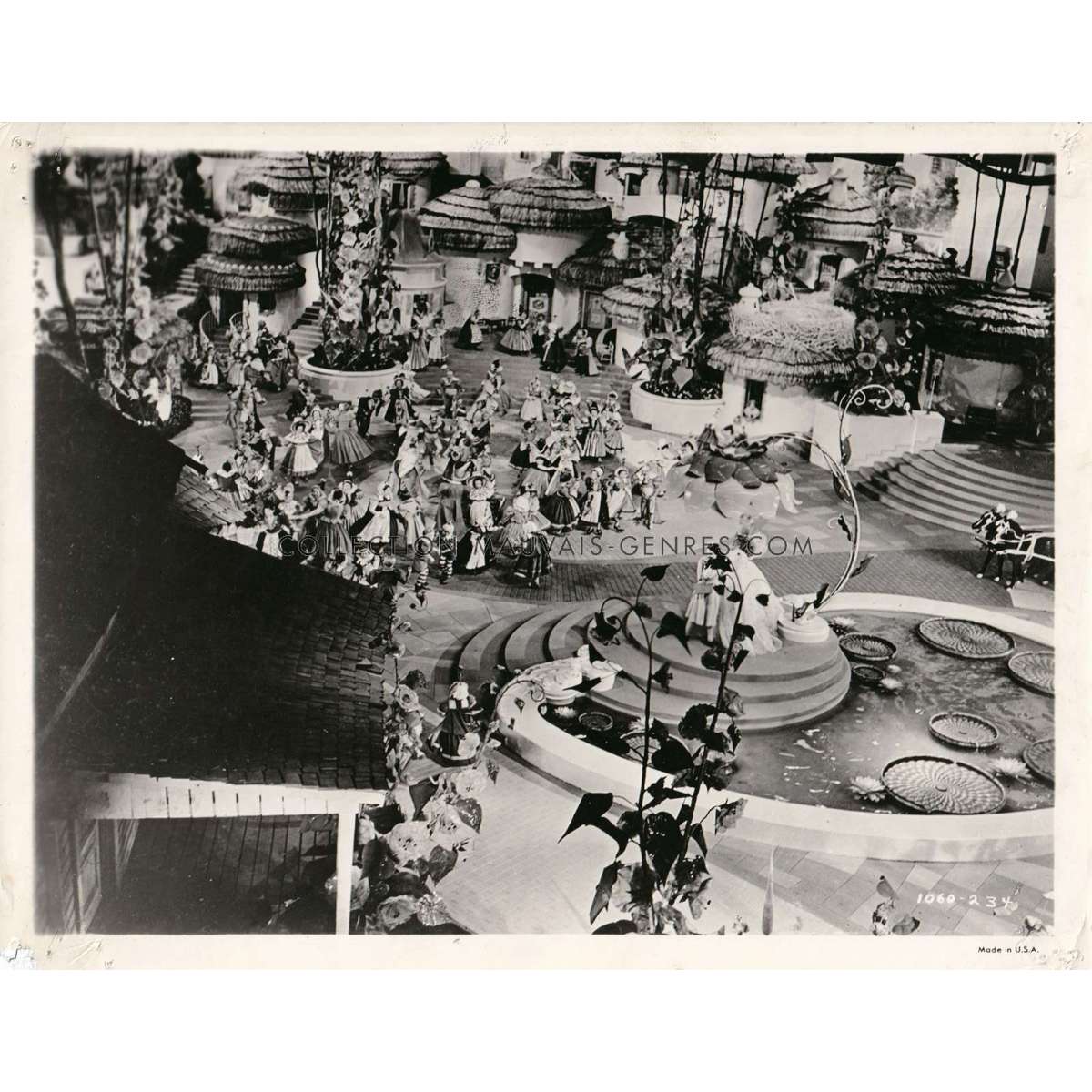
To understand why the Wizard of Oz set remains a subject of intense study and tourism in 2026, one must first look at the sheer scale of the 1939 production. Unlike modern films that rely heavily on Computer Generated Imagery (CGI), every inch of Munchkinland, the Haunted Forest, and the Emerald City was a physical construct housed within the soundstages of Metro-Goldwyn-Mayer (MGM) in Culver City.
The primary driver of the set's legendary status was the transition from "sepia" Kansas to the vibrant world of Oz. This was achieved using the cumbersome and expensive three-strip Technicolor process. Because the Technicolor camera required an enormous amount of light to register an image, the sets had to be illuminated with massive arc lamps. These lights raised the temperature on the soundstages to over 100 degrees Fahrenheit (38°C).
For modern visitors to museums or the few remaining physical pieces of the set, the fascination lies in the "human cost" of this beauty. The actors worked in sweltering heat while wearing heavy prosthetic makeup and thick costumes. This physical reality creates a visceral connection for fans that digital sets simply cannot replicate. The sets weren't just backdrops; they were high-pressure environments that pushed the boundaries of what was physically possible in a pre-digital age.
The Art of Practical Effects: The Yellow Brick Road and Beyond
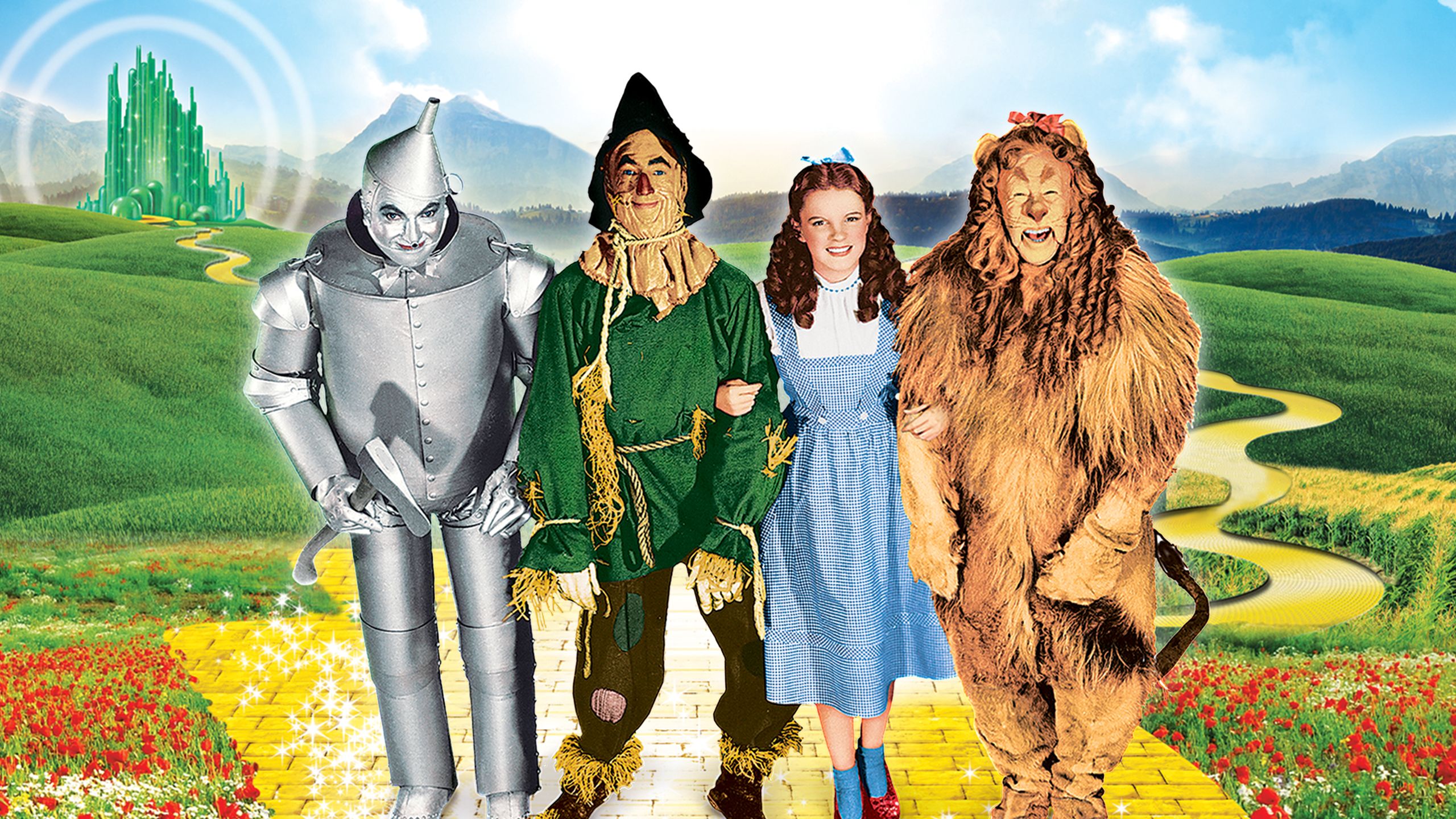
The Yellow Brick Road remains arguably the most famous set piece in cinematic history. In 2026, historians and film enthusiasts still dissect its construction. Contrary to the myth that it was made of real brick, the road was actually composed of standard industrial bricks painted with high-gloss yellow paint to ensure they "popped" under the intense Technicolor lighting.
Set Design and Matte Paintings
While the immediate foregrounds were physical, the vast landscapes of Oz were the result of master-level matte paintings. Artists like Jack Martin Smith and Cedric Gibbons created a sense of infinite distance using hand-painted glass panes placed between the camera and the set. This blend of physical flooring and painted backgrounds created a "dream-like" quality that visitors still find more "real" than modern 4K renders.
The Emerald City set was particularly noted for its use of glass, mirrors, and green-tinted filters. Visitors to Oz-related exhibitions often ask about the "shine" of the city; this was achieved through meticulous manual polishing and the strategic placement of lights to catch the reflective surfaces. This level of craftsmanship represents a lost art form that continues to command respect from professional set designers and casual tourists alike.
The Dark Side of Oz: Why the Risks Fuel the Fascination
A significant portion of the fascination with the Wizard of Oz set involves the "dark legends" and documented accidents that occurred during filming. In an era of strict health and safety regulations, the 1939 set reads like a list of environmental hazards, which adds a layer of morbid curiosity for contemporary audiences.
- The Asbestos Snow: In the famous poppy field scene, the "snow" that falls on Dorothy and her companions was 100% industrial-grade chrysotile asbestos. At the time, it was the standard material for fake snow in Hollywood.
- The Copper-Based Makeup: Buddy Ebsen, the original Tin Man, suffered a near-fatal allergic reaction and a collapsed lung because his makeup consisted of aluminum dust.
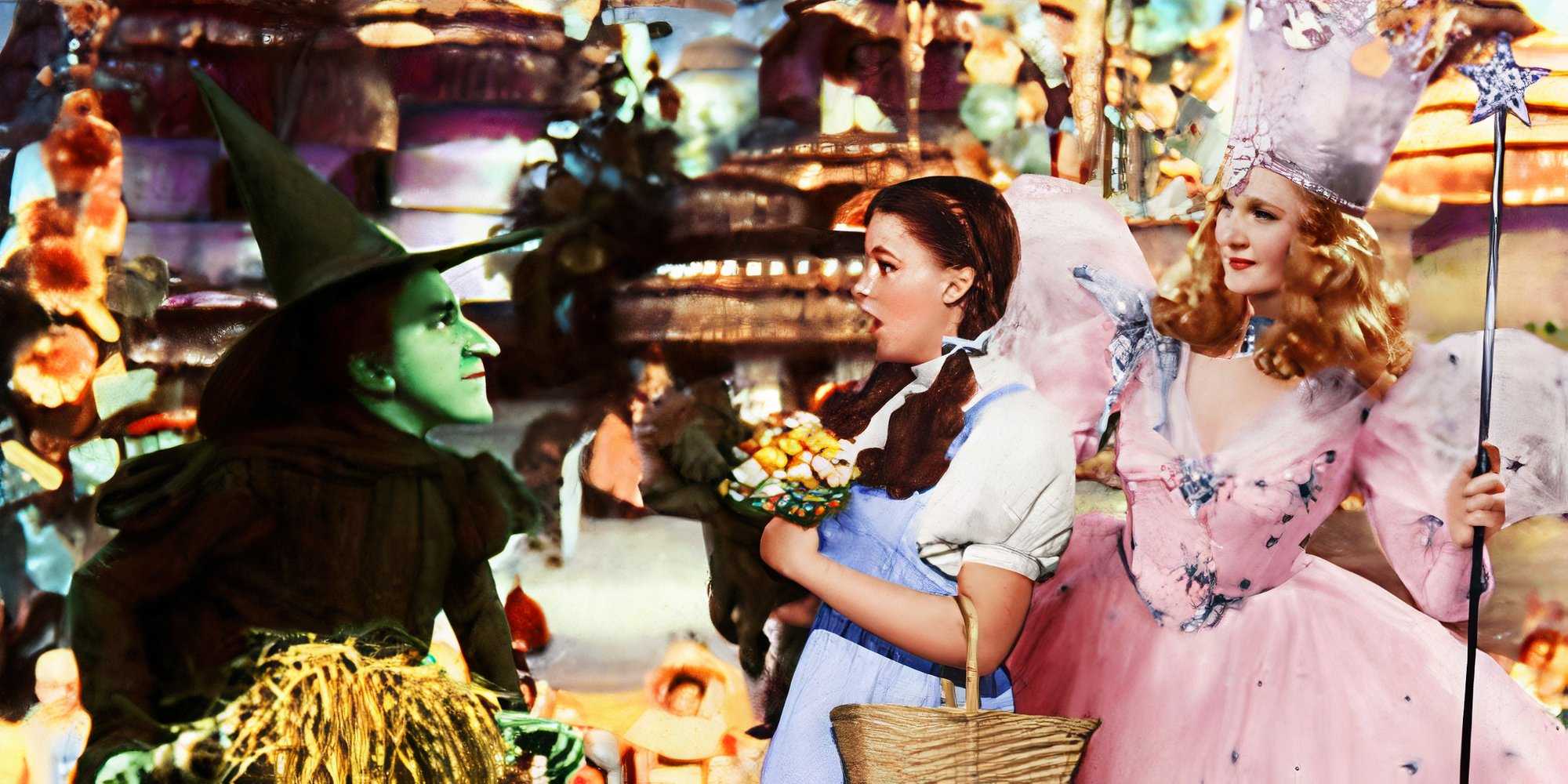
- Pyrotechnic Accidents: Margaret Hamilton (the Wicked Witch) suffered second and third-degree burns when a trapdoor failed to open quickly enough during an exit involving smoke and fire.
These stories have become inextricably linked to the physical locations and props. When visitors see the costumes or replicas of the set in 2026, they aren't just looking at movie history; they are looking at artifacts of a "wild west" era of filmmaking where the pursuit of visual perfection often outweighed the safety of the cast and crew.
Where to Experience the Fascination: 2026 Visitor Destinations
While the original MGM sets were largely struck (dismantled) after filming ended, several key locations and exhibitions allow visitors to step into the world of Oz.
| Destination | Location | What Visitors Can See | Primary Appeal |
|---|---|---|---|
| The Academy Museum of Motion Pictures | Los Angeles, CA | Original Ruby Slippers, Dorothy’s Dress, Matte Paintings | Authentic 1939 artifacts and technical history. |
| Land of Oz Theme Park | Beech Mountain, NC | A 1970s era recreation of the Yellow Brick Road and Kansas farm. | Immersive, nostalgic experience in a forest setting. |
| OZ Museum | Wamego, KS | Over 2,000 artifacts, including production notes and rare memorabilia. | Comprehensive historical archive and cultural impact. |
| The Smithsonian (NMAH) | Washington, D.C. | The iconic Ruby Slippers (rotational display). | The single most famous prop in American history. |
| The Judy Garland Museum | Grand Rapids, MN | Garland's childhood home and original carriage from the film. | Biographical context and connection to the lead actress. |
The "Wicked" Influence and the 2026 Context
As of 2026, the fascination with the original Wizard of Oz set has been further revitalized by the recent cinematic adaptations of the musical Wicked. These modern films used a combination of massive practical builds and high-end CGI to pay homage to the 1939 aesthetic.
This has created a "comparative fascination." New generations of fans are visiting original set exhibitions to see how the "source material" compares to the modern interpretations. They are discovering that while modern films have more detail, the 1939 set has a specific color palette and lighting geometry that is almost impossible to replicate. The "Technicolor Glow" remains a unique visual fingerprint that draws people back to the original MGM designs.
Psychological Impact: The Set as a "Safe Space"
Beyond the technical and historical, there is a psychological reason for the set's enduring appeal. The Wizard of Oz represents a journey from a colorless, difficult reality (the Dust Bowl era Kansas) to a world where "troubles melt like lemon drops."
The set design reflects this psychological shift. The rounded edges of Munchkinland, the bright primary colors, and the whimsical architecture of the Emerald City were designed to evoke a sense of wonder and safety. Visitors often report a feeling of "returning home" when standing on a recreation of the Yellow Brick Road. In a world that often feels chaotic, the physical manifestation of Oz—even in museum form—serves as a tangible reminder of hope and imagination.
Frequently Asked Questions
Did any part of the original 1939 set survive to this day?
Most of the original sets were destroyed or recycled by MGM, as was standard practice at the time. However, smaller props, costumes, and the hand-painted matte backgrounds have survived. The "Land of Oz" in North Carolina is the closest physical experience to the original layout, though it was built in 1970.
Is it true that a munchkin committed suicide on the set?
No. This is a persistent urban legend. The "hanging figure" seen in the background of the woods scene was actually a large bird (a crane or emu) on loan from the Los Angeles Zoo, which was wandering the set to add a sense of realism to the "forest" environment.
Why are the Ruby Slippers so important to the set's legacy?
The slippers are the bridge between the set's "magic" and its "technology." In the book, the shoes were silver. They were changed to ruby red specifically to take advantage of the new Technicolor technology. Today, they are considered one of the most valuable pieces of film memorabilia in existence.
Can you visit the original MGM Stage 29?
While the MGM lot (now Sony Pictures Studios) still exists in Culver City, Stage 29 has been used for countless other productions over the decades. You can take a studio tour, but the Wizard of Oz sets are long gone. The tour focuses more on the history and the "ghosts" of the production rather than physical remnants.
How did they make the horses change color in the Emerald City?
This is a favorite trivia point for visitors. The "Horse of a Different Color" effect was achieved by dusting the horses with colored Jell-O powder. The challenge for the crew was keeping the horses from licking the sweet powder off themselves before the cameras rolled.
Final Recommendations for Enthusiasts
For those looking to truly understand the fascination of the Wizard of Oz movie set in 2026, a visit to the Academy Museum of Motion Pictures in Los Angeles is the most technically rewarding experience. It provides the best look at the original matte paintings and the technical equipment used to film the masterpiece. For a more emotional and immersive experience, the Land of Oz in North Carolina remains the gold standard, offering the rare opportunity to physically walk the Yellow Brick Road in a natural environment that mimics the film's whimsical tone.
Image Gallery