Understanding United States Cold Storage: The Backbone of the Temperature-Controlled Supply Chain
United States Cold Storage (USCS) is a premier provider of public refrigerated warehousing (PRW) and logistics services, operating a vast network of facilities across the country. As of 2026, it serves as a critical link in the global...
United States Cold Storage (USCS) is a premier provider of public refrigerated warehousing (PRW) and logistics services, operating a vast network of facilities across the country. As of 2026, it serves as a critical link in the global food supply chain, offering temperature-controlled storage, transportation, and value-added services that ensure the safety and shelf-life of perishable goods from producers to consumers.
Contents
What is United States Cold Storage?
United States Cold Storage, often abbreviated as USCS, is one of the largest and most established third-party logistics (3PL) companies specializing in the cold chain. Headquartered in Camden, New Jersey, it is a primary subsidiary of the Swire Group, a multi-national conglomerate with deep roots in shipping, aviation, and real estate.
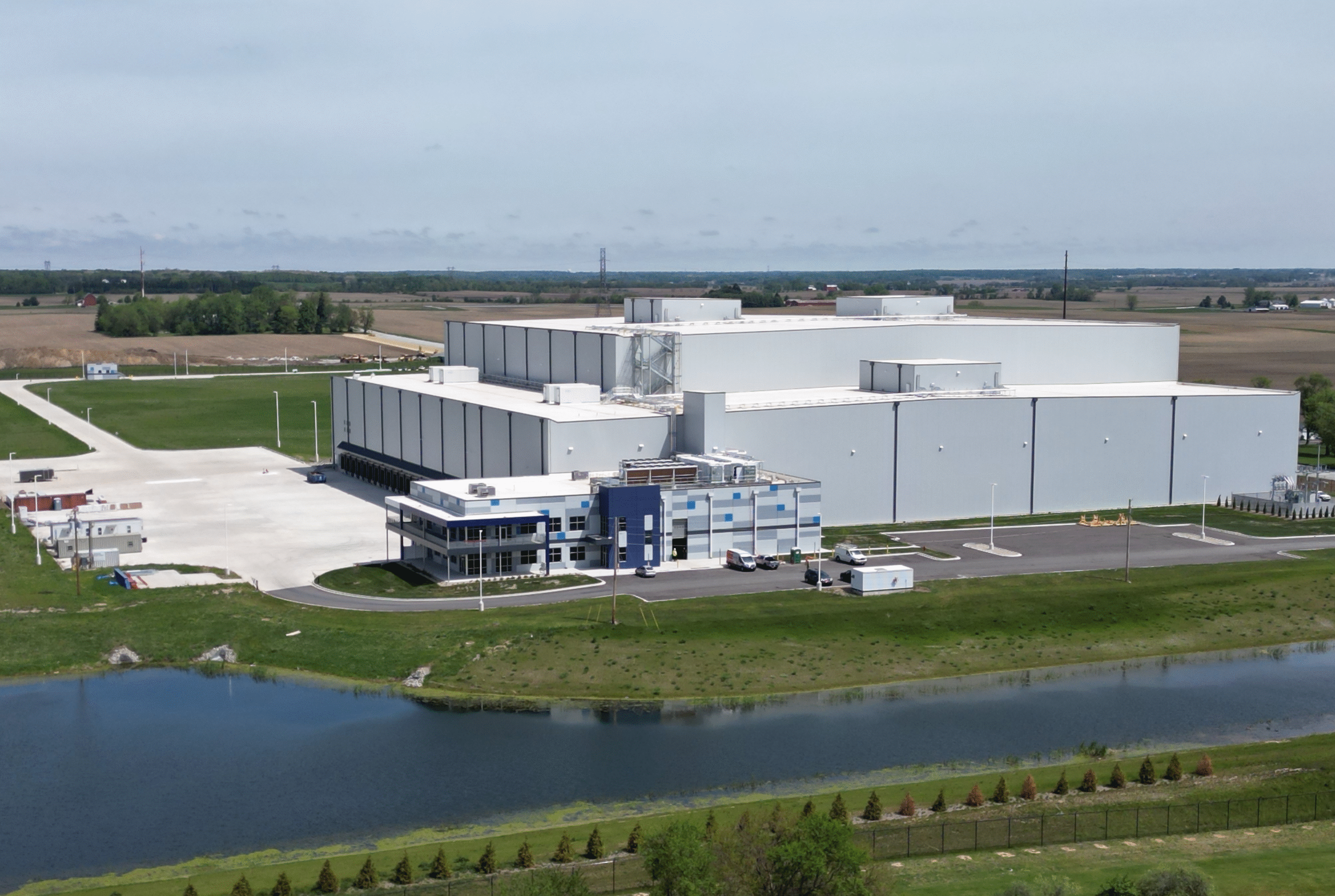
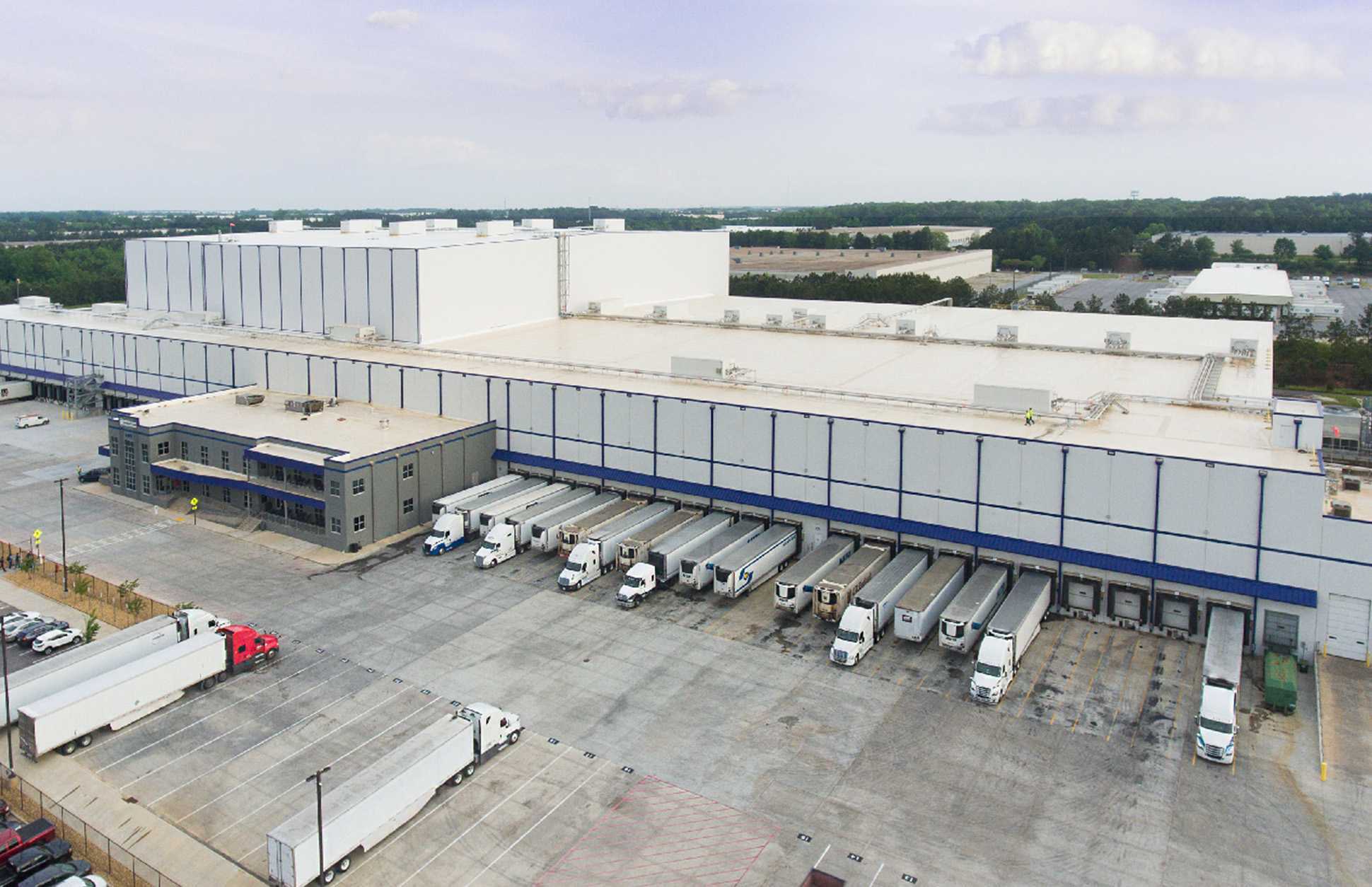
The company does not merely own warehouses; it provides a comprehensive infrastructure for the "cold chain"—the uninterrupted series of storage and distribution activities that maintain a given temperature range. This is essential for products such as frozen vegetables, fresh proteins, dairy, and increasingly, temperature-sensitive pharmaceuticals. By 2026, USCS has expanded its footprint to over 40 state-of-the-art facilities located strategically near major production hubs and consumer markets, totaling more than 400 million cubic feet of refrigerated space.
The "public" aspect of their warehousing model means they provide space and services to a variety of clients—ranging from small regional food producers to massive global brands—rather than operating as a private facility for a single company. This allows for greater efficiency, as USCS can consolidate shipments and optimize space across multiple stakeholders.
The Evolution and History of USCS
The origins of United States Cold Storage date back to 1899, originally founded as the Kansas City Ice and Cold Storage Company. In its early years, the business focused on the production and distribution of ice, a vital commodity before the advent of modern mechanical refrigeration.
Throughout the 20th century, the company transitioned from ice harvesting to mechanical refrigeration, mirroring the industrialization of the American food system. A pivotal moment occurred in 1982 when the company was acquired by the Swire Group. This acquisition provided the capital and global logistical expertise necessary to scale operations nationwide. Over the following decades, USCS transitioned from a traditional warehouse company into a technology-driven logistics partner.
By the early 2020s, the company had shifted its focus toward automation and sustainable building practices. In 2026, the legacy of USCS is defined by its ability to integrate advanced robotics and data analytics into the century-old challenge of keeping food cold.
Core Services and Operational Capabilities
To understand why USCS is vital, one must look at the specific technical services they provide. They operate far beyond simple "rent-a-freezer" models.
1. Multi-Temperature Warehousing
USCS facilities are engineered to maintain various "zones." These typically include:
- Frozen: Maintained at -10°F to -20°F for long-term storage of meat, poultry, and frozen meals.
- Chilled/Refrigerated: Maintained at 34°F to 38°F for dairy, produce, and fresh juices.
- Ambient/Dry: For products that require climate control but not refrigeration, such as certain chocolates or ingredients.
2. Blast Freezing
This is a specialized service where products (often fresh meat or seafood) are subjected to extremely cold, high-velocity air. Blast freezing lowers the core temperature of a product rapidly, preventing the formation of large ice crystals that can damage the cellular structure and texture of the food. USCS utilizes high-capacity blast cells to prepare products for long-term storage or international export.
3. Transportation and Consolidation
One of the company's most significant value propositions is its transportation management system (TMS). Through their "CO-OP" program, USCS pools shipments from multiple customers going to the same destination (like a major grocery distribution center). This allows smaller producers to take advantage of Less-than-Truckload (LTL) consolidation, significantly reducing shipping costs and carbon footprints.
4. Value-Added Services (VAS)
Beyond storage, USCS performs tasks that traditionally happened at the manufacturing plant. This includes:
- Case Picking and Kitting: Preparing specific orders for individual retail stores.
- Labeling and Repackaging: Applying promotional stickers or translating labels for export markets.
- Tempering: Controlled thawing of products so they are ready for use by food processors upon arrival.
Why United States Cold Storage Matters
USCS matters because it solves the fundamental problem of distance and time in the food industry. Most food is produced in rural areas, but it is consumed in urban centers. Without companies like USCS, the modern grocery store—with its year-round availability of seasonal goods—would not exist.
Ensuring Food Safety and Reducing Waste
According to the Global Cold Chain Alliance, a significant percentage of global food waste occurs due to breaks in the cold chain. USCS utilizes redundant refrigeration systems and 24/7 monitoring to ensure that products never fluctuate outside their required temperature range. This precision prevents bacterial growth and spoilage, protecting public health and reducing the economic loss associated with wasted inventory.
Economic Impact and Supply Chain Resilience
In 2026, supply chain resilience is a matter of national security. USCS acts as a buffer in the economy. During periods of overproduction, they store excess supply, preventing market crashes. During shortages or natural disasters, their distributed network of warehouses ensures that food reserves are available near every major population center.
Supporting International Trade
USCS facilities are often located near major ports. By providing USDA-approved inspection points and export-ready blast freezing, they enable American farmers to sell their products in markets like Asia and Europe. They act as the "launchpad" for American agricultural exports.
Technological Innovation and Sustainability in 2026
The cold storage industry is notoriously energy-intensive. As of 2026, United States Cold Storage has positioned itself as a leader in "Green Logistics."
Automated Storage and Retrieval Systems (ASRS)
Many of the newer USCS "mega-facilities" are fully automated. ASRS uses robotic cranes to move pallets in high-density racks that can reach over 100 feet tall. Because these areas do not require human pickers on a constant basis, the warehouses can be kept dark and tightly sealed, reducing heat gain and lowering energy consumption by up to 30%.
Sustainable Refrigerants
USCS has moved away from traditional hydrofluorocarbons (HFCs), which are potent greenhouse gases. Instead, they have pioneered the use of low-charge ammonia and CO2 (R-744) refrigeration systems. These natural refrigerants are more efficient and have a near-zero Global Warming Potential (GWP), aligning the company with 2026 federal environmental mandates.
Strategic Comparison: USCS vs. Industry Competitors
The cold storage market is dominated by a few major players. Understanding where USCS sits helps clarify its market role.
| Feature | United States Cold Storage (USCS) | Americold Logistics | Lineage Logistics |
|---|---|---|---|
| Primary Ownership | Swire Group (Private/Conglomerate) | Publicly Traded (REIT) | Private Equity Backed |
| Market Focus | High-touch customer service; 3PL focus | Global scale; varied asset classes | Heavy tech integration; aggressive M&A |
| Sustainability | Lead adopter of CO2/Low-charge NH3 | Focus on solar and LED retrofitting | Focus on proprietary thermal energy storage |
| Innovation Profile | Integrated ASRS and Tally-centric software | Large-scale automated regional hubs | AI-driven supply chain forecasting |
| Network Density | Highly concentrated in US agricultural hubs | Global (North America, Europe, Australia) | Global (Largest by total cubic footage) |
Challenges Facing the Cold Storage Sector
Despite its importance, USCS faces significant operational hurdles in 2026:
- Energy Costs: Even with sustainable tech, the cost of electricity remains the second-largest expense after labor. Fluctuating energy prices directly impact the storage rates passed on to food producers.
- Labor Shortages: Cold environments are harsh for workers. This has accelerated the need for robotics, which requires a massive upfront capital investment.
- Regulatory Compliance: Stricter FDA and USDA rules regarding "track and trace" mean that USCS must maintain perfect digital records of every pallet's journey through their system.
Frequently Asked Questions
Is United States Cold Storage a government agency?
No, United States Cold Storage is a private company. While the name sounds official, it is a commercial entity and a subsidiary of the Swire Group. It does, however, work closely with government agencies like the USDA and FDA to ensure food safety standards are met.
Where is United States Cold Storage located?
USCS operates over 40 facilities across the United States. Major hubs are located in California, Texas, Florida, Pennsylvania, and the Midwest. They strategically position warehouses near major food production areas (like the Central Valley in CA) and major distribution points (like Dallas or Chicago).
Who are the primary customers of USCS?
Their clientele includes food manufacturers, grocery retailers, food service distributors, and pharmaceutical companies. Anyone who needs to move or store large quantities of products at controlled temperatures uses their services.
How does USCS handle food safety?
The company follows strict HACCP (Hazard Analysis and Critical Control Points) protocols. Their warehouses are regularly audited by third parties and the Global Food Safety Initiative (GFSI). They use advanced sensors to provide real-time temperature data to their clients.
Does USCS offer international shipping?
Yes. Through their partnership with the Swire Group and their own international logistics division, they offer import/export services, including drayage from ports, customs brokerage assistance, and container loading for overseas transit.
Recommendation for Businesses and Stakeholders
For food producers and retailers looking to optimize their supply chain in 2026, United States Cold Storage represents a balance of heritage and high-tech.
If your organization is scaling, focus on utilizing their CO-OP transportation programs. Many businesses lose their margins on "dead miles" or inefficient shipping routes. By integrating your inventory into the USCS network, you can leverage their massive scale to achieve shipping rates that are typically reserved for Fortune 500 companies. Furthermore, prioritize facilities that utilize ASRS technology, as these provide higher inventory accuracy and better protection against the labor volatility currently affecting the logistics industry.
Image Gallery