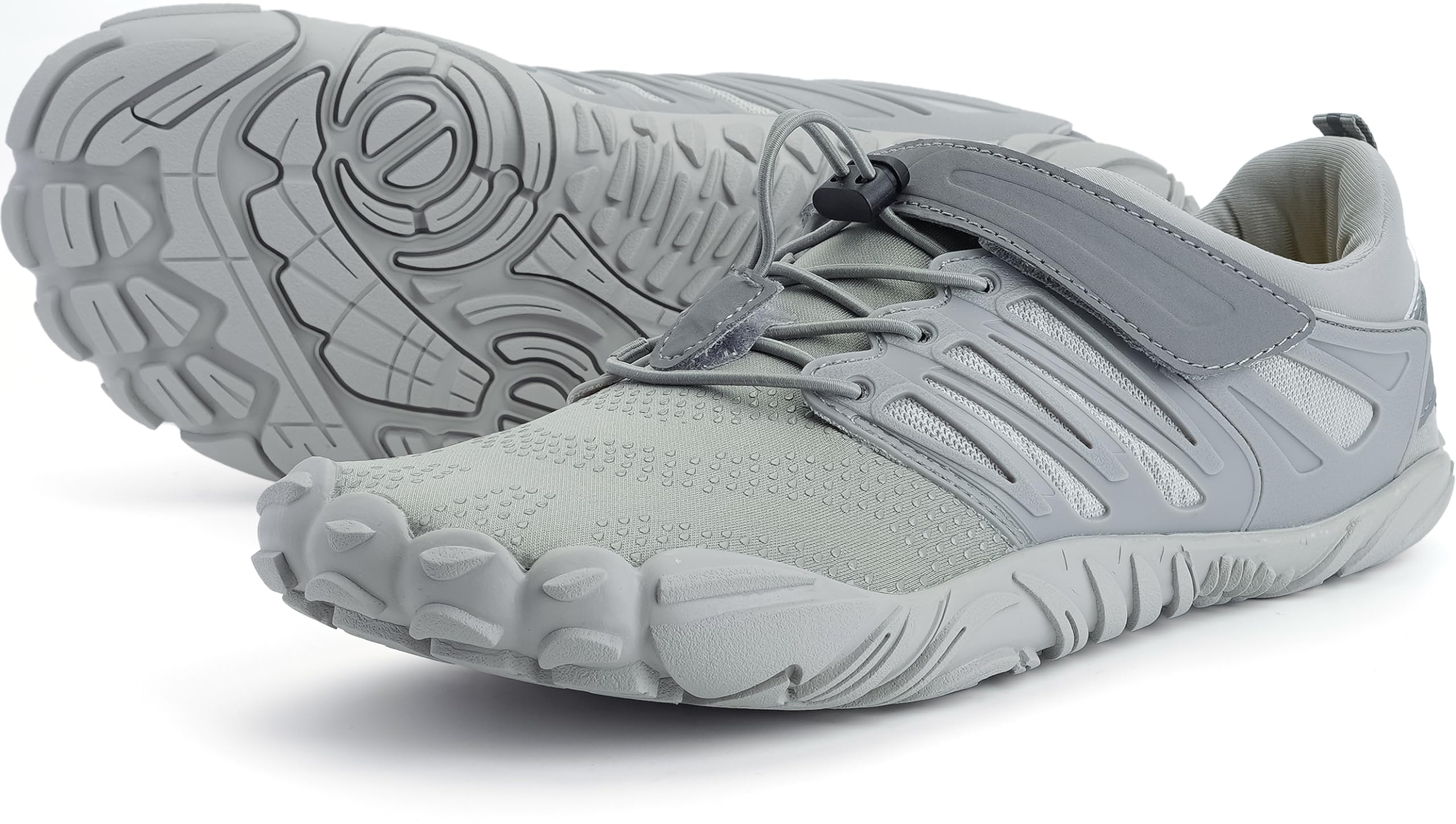
Best Running Shoes with a Wide Toe Box for 2026: A Comprehensive Guide
Running shoes featuring a wide toe box are primarily designed by brands like Altra Footwear and Topo Athletic, which utilize an anatomical shape to allow for natural toe splay. Additionally, traditional brands such as New Balance, Hoka...
Running shoes featuring a wide toe box are primarily designed by brands like Altra Footwear and Topo Athletic, which utilize an anatomical shape to allow for natural toe splay. Additionally, traditional brands such as New Balance, Hoka, and Brooks offer dedicated "Wide" (2E) and "Extra Wide" (4E) versions of their popular models to accommodate runners needing extra forefoot volume.
Contents
Finding the right running shoe involves more than just selecting a size; it requires understanding the geometry of the foot and how it interacts with footwear during the gait cycle. For many runners, a standard tapered toe box—which is common in many athletic shoes—compresses the toes, leading to discomfort, reduced stability, and chronic injuries. As we move through 2026, the industry has seen a significant shift toward "foot-shaped" designs that prioritize the natural biomechanics of the human foot.
The Anatomy and Biomechanics of the Wide Toe Box
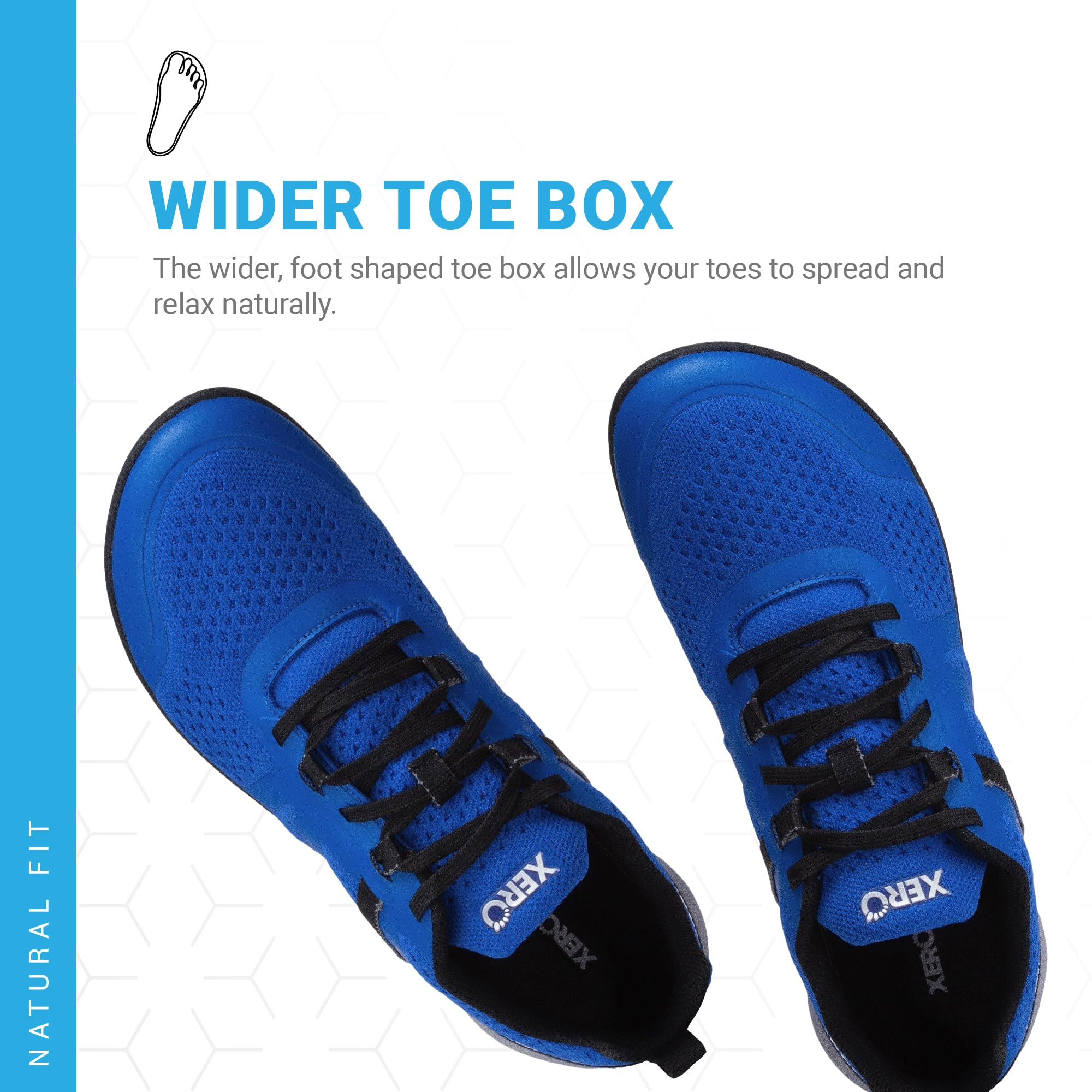
To understand which shoes feature a wide toe box, one must first distinguish between a shoe that is "wide" in overall volume and one that is "anatomically shaped." A traditional wide shoe (often labeled 2E or 4E) increases the circumference of the entire upper. In contrast, an anatomically shaped shoe specifically widens the area around the metatarsal heads and phalanges (the toes) while maintaining a secure, locked-in fit at the heel and midfoot.
Why Toe Splay Matters
When the foot strikes the ground, the toes naturally want to spread out, a process known as splay. This splaying action serves two critical functions:
- Shock Absorption: The spreading of the metatarsals helps dissipate the force of impact.
- Balance and Propulsion: A wider base of support provided by spread toes allows for a more stable "toe-off" phase, engaging the big toe (hallux) to provide power.
When a shoe is too narrow, the big toe is often pushed inward (hallux valgus), which can lead to bunions. Furthermore, compression of the smaller toes can result in nerve issues such as Morton’s Neuroma or the development of hammer toes. By 2026, podiatric research has increasingly linked wide toe box footwear to better long-term foot health and improved balance in aging athletes.
Top Brands Specializing in Wide Toe Box Designs
Several brands have built their entire identity around the concept of a wide toe box. These companies do not just offer "wide" versions of narrow shoes; they build their lasts (the 3D molds used to create shoes) to mimic the actual shape of a human foot.
Altra Footwear: The Pioneer of "FootShape"
Altra remains the market leader for runners seeking a truly anatomical fit. Their "FootShape" fit is categorized into three levels: Original, Standard, and Slim. The Original Fit offers the most room and is found in their most iconic models.
- Altra Lone Peak 9: As of 2026, the Lone Peak continues to be the gold standard for trail runners. It features the Original FootShape fit, allowing for maximum splay on uneven terrain.
- Altra Torin 8: A high-cushion road shoe that utilizes the Standard FootShape fit. It is ideal for daily training and long-distance road running where foot swelling is a concern.
- Altra Paradigm 8: This is the brand's stability offering. It combines a wide toe box with "GuideRails" technology to provide support without the intrusive feel of traditional medial posts.
Topo Athletic: The "Best of Both Worlds" Approach
Topo Athletic has gained massive popularity by 2026 because they offer the wide toe box of an Altra but often include a slight heel-to-toe drop (usually 3mm to 5mm). This makes them more accessible for runners who find "Zero Drop" shoes (where the heel and forefoot are at the same height) too taxing on their Achilles tendons.
- Topo Phantom 4: A flagship road shoe with a 5mm drop and a very generous toe box. It uses a zip-foam compound that provides a resilient, snappy ride.
- Topo Ultraventure 4: A rugged trail shoe designed for "fast-packing" and ultramarathons. The wide forefoot is paired with a secure midfoot to prevent the foot from sliding forward on descents.
Traditional Brands with Superior Wide Options
If you prefer the feel of traditional brands like New Balance or Hoka, you can still find a wide toe box, but you must specifically look for "Wide" (2E for men, D for women) or "Extra Wide" (4E for men, 2E for women) variants.
New Balance: The King of Widths
New Balance has historically offered the most comprehensive range of widths in the industry. By 2026, their "Fresh Foam X" line has been refined to provide an expansive forefoot in their wide iterations.
- Fresh Foam X 1080 v15: Known for its premium cushioning, the 1080 in a 4E width provides one of the highest internal volumes available on the market.
- Fresh Foam X 880 v15: The "workhorse" of the New Balance lineup. It offers a more traditional feel with a slightly firmer cushion, making it a favorite for runners who need a stable, wide platform.
Hoka: Improved Geometry
Hoka was once criticized for having narrow, bucket-like seats that caused blisters for wide-footed runners. However, by 2026, their "Wide" versions have been significantly redesigned with straighter lasts.
- Hoka Bondi 9: The maximum-cushion king. The wide version of the Bondi 9 offers a massive footprint that provides inherent stability through its sheer width.
- Hoka Clifton 10: A lighter, daily trainer. The wide version has a reformulated mesh upper that allows for more lateral stretch in the toe box compared to previous versions.
Comparison of 2026 Wide Toe Box Running Shoes
The following table compares the flagship models available in 2026 that are renowned for their toe box room.
| Brand | Model | Fit Type | Drop (mm) | Surface | Best Use Case |
|---|---|---|---|---|---|
| Altra | Lone Peak 9 | Anatomical | 0mm | Trail | Technical trails & Hiking |
| Topo | Phantom 4 | Anatomical | 5mm | Road | Daily training & High mileage |
| New Balance | 1080 v15 (4E) | Volumetric Wide | 6mm | Road | Recovery runs & Max comfort |
| Hoka | Bondi 9 (Wide) | Volumetric Wide | 4mm | Road | Standing all day & Easy runs |
| Brooks | Ghost 17 (2E) | Traditional Wide | 12mm | Road | Neutral runners / Heel strikers |
| Altra | Torin 8 | Anatomical | 0mm | Road | Natural gait enthusiasts |
| Topo | MTN Racer 4 | Anatomical | 5mm | Trail | Racing and fast trail efforts |
How to Choose the Right Wide Toe Box Shoe
Selecting the best shoe requires an assessment of your specific foot shape and running style. A wide toe box is not a "one size fits all" solution.
Identifying Your Foot Shape
- Square Feet: If your toes are nearly the same length, you will require the "Original" fit from Altra or a 4E width from New Balance.
- Morton’s Foot: If your second toe is longer than your big toe, you still need width, but you must ensure the "apex" of the shoe's curve aligns with your second toe to avoid bruising.
- Bunions: Look for shoes with "engineered mesh" uppers. These materials provide structured support but have enough elasticity to accommodate the protrusion of a bunion without causing friction.
Understanding "Drop" in Wide Shoes
The "drop" of a shoe is the difference in height between the heel and the forefoot. Many wide toe box shoes (especially Altra) are Zero Drop. While this encourages a more natural midfoot strike, it can put excessive strain on the calves and Achilles if you are used to a traditional 10-12mm drop. If you are transitioning, start with Topo Athletic’s 5mm drop or a New Balance 6mm drop to allow your tissues to adapt.
Evaluating Upper Material
By 2026, many brands have moved to 3D-printed overlays. While these look sleek, they can restrict the natural expansion of the toe box. When trying on shoes, ensure the material over the small toe (the fifth metatarsal) is pliable. If you feel any "pinching" or "hot spots" in the store, the shoe is likely too narrow for your foot's expansion during a run.
Common Mistakes When Buying Wide Running Shoes
Many runners mistakenly believe that simply "sizing up" in a standard shoe will provide the width they need. This is a critical error. Sizing up (e.g., going from a 10 to an 11) increases the length of the shoe, which moves the flex point of the sole. If the shoe flexes in the wrong place relative to your foot's arch, it can lead to plantar fasciitis and inefficient power transfer.
Another mistake is ignoring the midfoot lockdown. A shoe can have a wide toe box, but if the midfoot and heel are also excessively wide, your foot will slide around, leading to blisters and "black toenails" from the toes hitting the front of the shoe. Brands like Topo Athletic are specifically praised for having a "secure midfoot, roomy forefoot" design.
Frequently Asked Questions
What is the difference between a "Wide" shoe and a "Wide Toe Box"?
A "Wide" shoe (like a New Balance 2E) increases the volume of the entire shoe, including the heel and midfoot. A "Wide Toe Box" shoe (like Altra or Topo) is shaped like a foot—narrow at the heel and wide at the toes. This allows for toe splay without the "sloppy" feeling of a shoe that is too big everywhere.
Can I wear wide toe box shoes if I have narrow heels?
Yes. In fact, many runners with "duck-shaped" feet (wide forefoot, narrow heel) find that anatomical brands like Topo Athletic fit them better than traditional wide sizes. These brands use a heel cup designed to lock the foot in place while letting the front of the foot breathe.
Are wide toe box shoes better for bunions?
Absolutely. Bunions are often exacerbated by shoes that push the big toe toward the second toe. A wide, anatomical toe box allows the big toe to remain straight, which can alleviate pain and prevent the progression of the deformity. It is often recommended by the American Podiatric Medical Association (APMA).
Do I need to change my running form for these shoes?
If the shoe is also Zero Drop (like most Altras), you should transition slowly. Zero drop shoes change the tension on your posterior chain (calves, hamstrings). If the shoe has a traditional drop but a wide toe box (like a Hoka Wide), no major form changes are usually necessary.
Will a wide toe box help with Morton’s Neuroma?
Yes. Morton’s Neuroma is caused by the compression of nerves between the metatarsal heads. A wider toe box allows those metatarsals to spread out, immediately reducing the pressure on the nerve and often eliminating the "burning" sensation associated with the condition.
Final Recommendation
For the most authentic wide toe box experience in 2026, Altra and Topo Athletic remain the superior choices because their shoes are built from the ground up to be foot-shaped. If you require significant cushioning and prefer a traditional brand, the New Balance Fresh Foam X 1080 v15 in an Extra Wide (4E) width offers the most accommodating fit without sacrificing the responsive feel of modern foams. Always perform a "thumb test" at the end of the day when your feet are most swollen to ensure you have at least half an inch of space between your longest toe and the end of the shoe.
Image Gallery