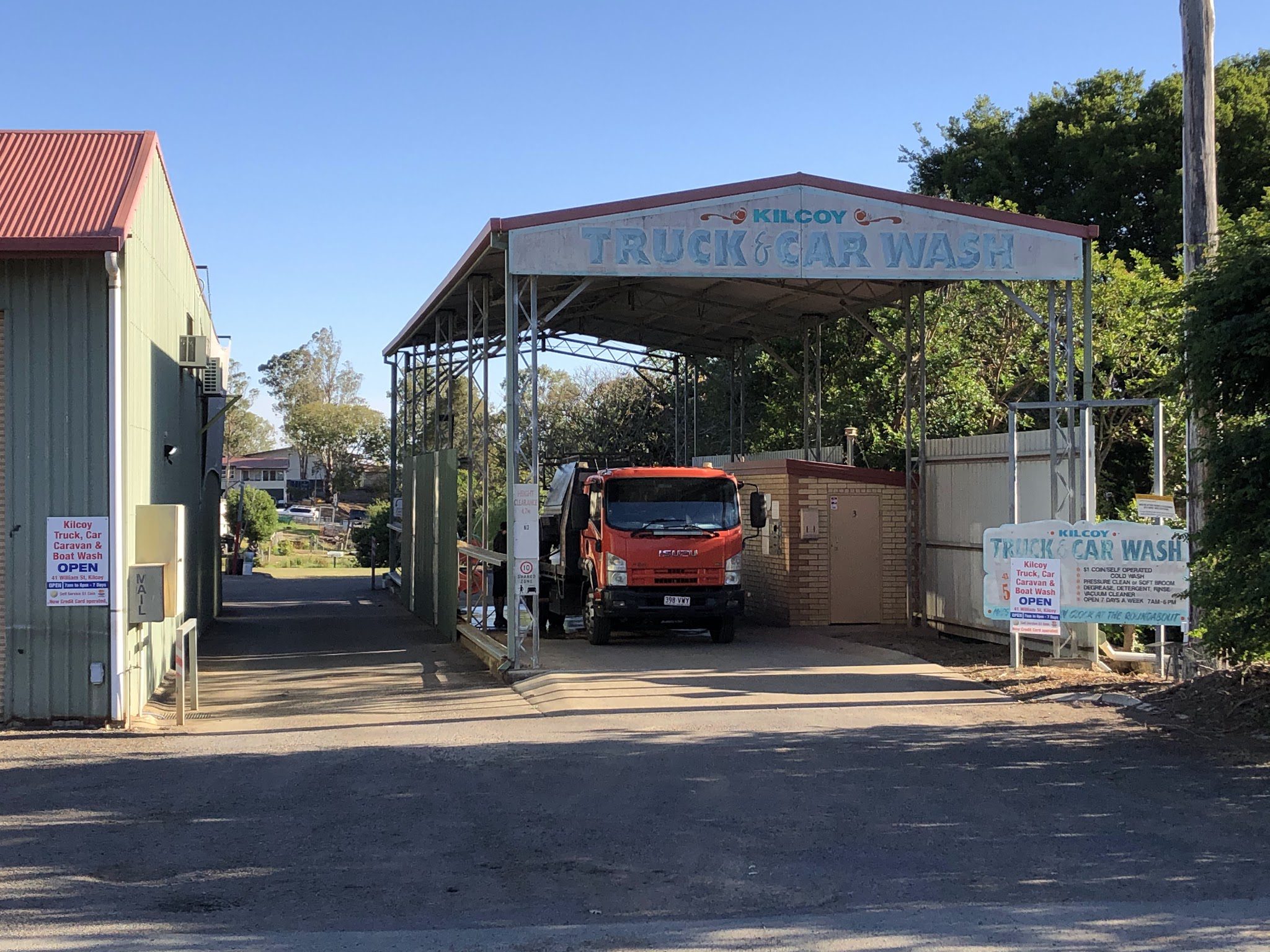
Comprehensive Guide to Dump Truck Washing: Methods, Costs, and Fleet Maintenance in 2026
Washing a dump truck requires specialized heavy-duty equipment capable of handling high debris volumes, hardened mud, and caustic materials like concrete or asphalt. Professional services utilize automated gantry systems, high-volume u...
Washing a dump truck requires specialized heavy-duty equipment capable of handling high debris volumes, hardened mud, and caustic materials like concrete or asphalt. Professional services utilize automated gantry systems, high-volume undercarriage sprayers, and specialized chemical degreasers to ensure regulatory compliance, prevent mechanical corrosion, and maintain a professional brand image for construction fleets.
Contents
Maintaining a dump truck is significantly more complex than cleaning standard commercial vehicles. Due to the environments they operate in—ranging from muddy excavation sites to corrosive salt-treated highways—the buildup of debris is not merely aesthetic. It is a functional hazard. In 2026, as environmental regulations regarding runoff become more stringent and the cost of heavy machinery continues to rise, implementing a rigorous washing schedule is a fundamental component of asset protection and operational efficiency.
The Critical Importance of Specialized Dump Truck Washing
For a dump truck operator or fleet manager, a "car wash" is not a luxury; it is a maintenance requirement. The debris collected during daily operations can weigh hundreds of pounds, impacting fuel efficiency and payload capacity. Furthermore, the specialized nature of dump truck work introduces unique contaminants that require specific cleaning protocols.
Corrosion Prevention and Longevity
The primary enemy of any vocational truck is corrosion. Dump trucks are frequently exposed to road salts, chemical stabilizers in soil, and moisture trapped in caked-on mud. If left unwashed, these elements accelerate the rusting of the frame rails, suspension components, and the dump body itself. By 2026, the replacement cost of a Class 8 dump truck has reached levels where extending the vehicle's life by even two years through proper cleaning provides a massive return on investment.
DOT Compliance and Inspections
Department of Transportation (DOT) inspectors are more likely to flag a vehicle that appears neglected. Thick layers of grease and dirt can hide structural cracks, leaking hydraulic lines, or worn bushings. A clean truck allows for easier "pre-trip" inspections by drivers and more favorable outcomes during roadside checks. Furthermore, many jurisdictions require trucks to be free of loose debris to prevent "flying rocks" or mud from hitting other vehicles on the highway.
Overweight Risk Management
It is common for a tandem-axle dump truck to accumulate 300 to 500 pounds of "clinging" mud and debris in the wheel wells and on the undercarriage. In an industry where profit margins are dictated by the ton, carrying "dead weight" reduces the amount of billable material the truck can legally haul. Regular washing ensures that the vehicle’s tare weight remains consistent.
Primary Types of Dump Truck Wash Systems
By 2026, the technology used to clean heavy equipment has bifurcated into three main categories: automated systems, manual high-pressure stations, and mobile fleet services. Each offers distinct advantages depending on fleet size and the specific type of material being hauled.
1. Automated Gantry Systems
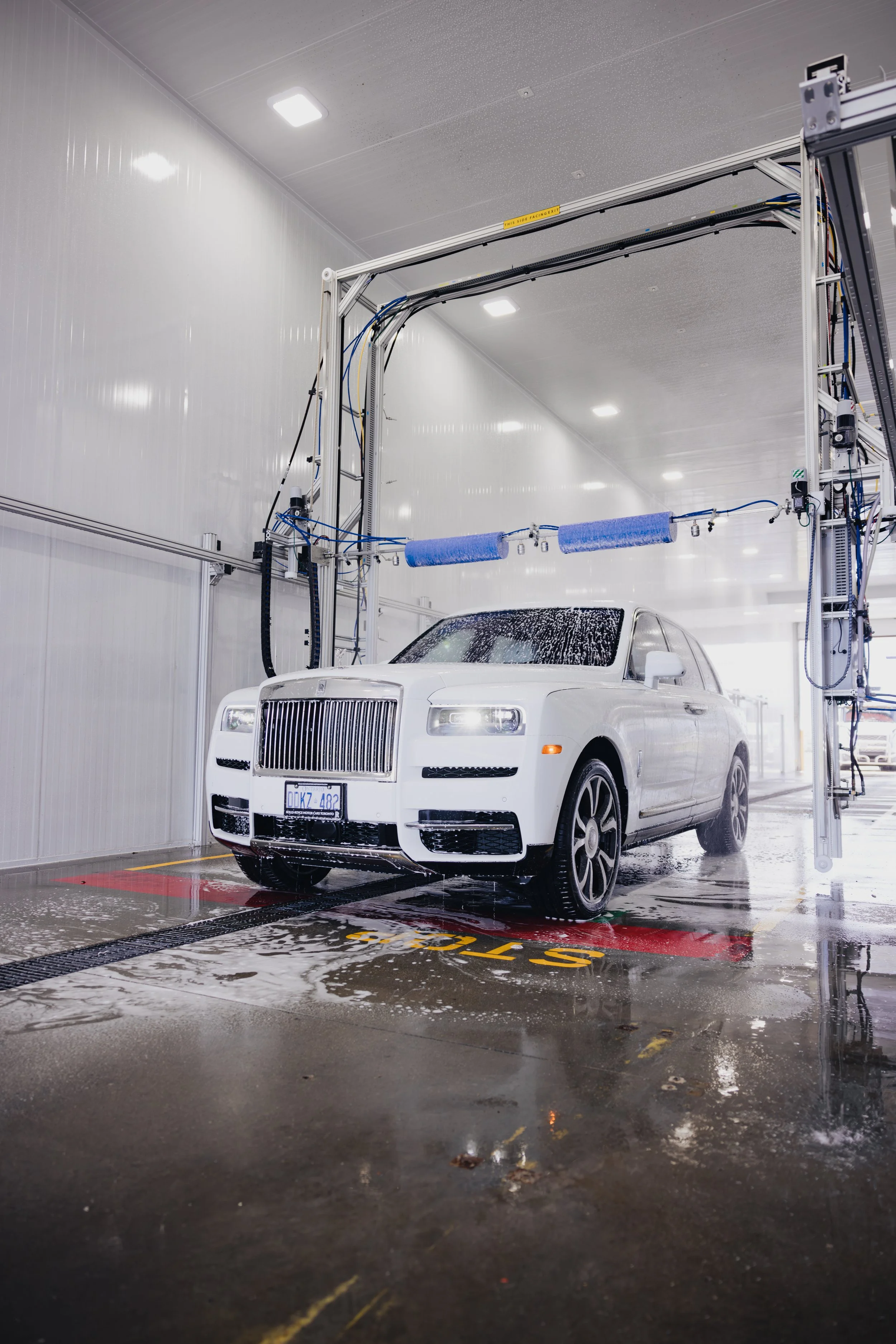
Gantry systems involve the truck driving into a wash bay and remaining stationary while a U-shaped frame moves back and forth over the vehicle. These systems are highly effective for dump trucks because they can be programmed to perform multiple passes over high-debris areas like the tailgate and wheels.
- Pros: Consistent cleaning quality, lower labor costs, and efficient water recycling.
- Cons: High initial capital investment for the facility; may struggle with "blind spots" in complex dump body hinges.
2. Drive-Through Systems
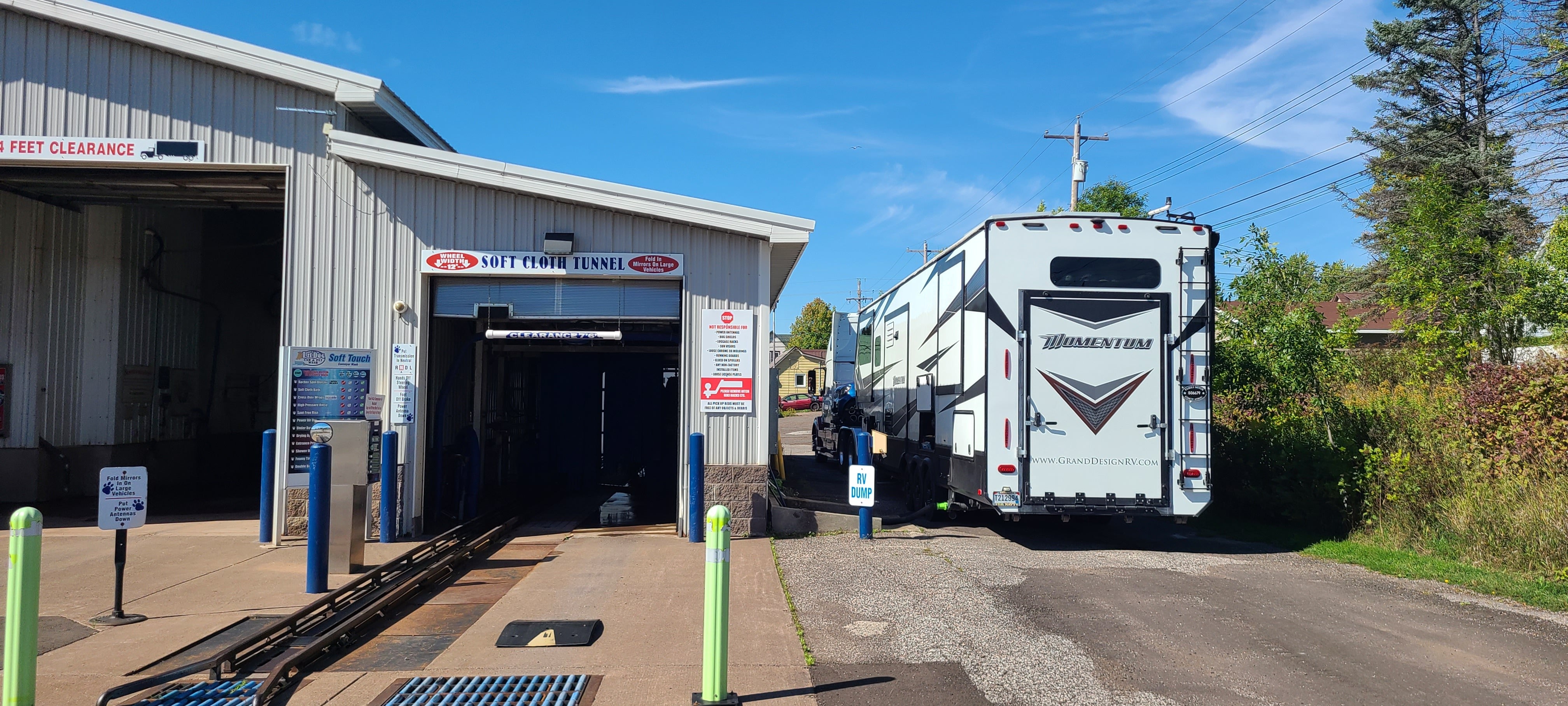
Commonly found at high-volume truck stops, drive-through systems utilize a series of high-pressure nozzles and brushes that the driver moves through at a slow, steady pace.
- Pros: Fastest turnaround time (often under 10 minutes).
- Cons: Brushes can occasionally damage specialized lighting or hydraulic hoses if not properly maintained; less effective for heavy excavation mud.
3. Manual High-Pressure Bays
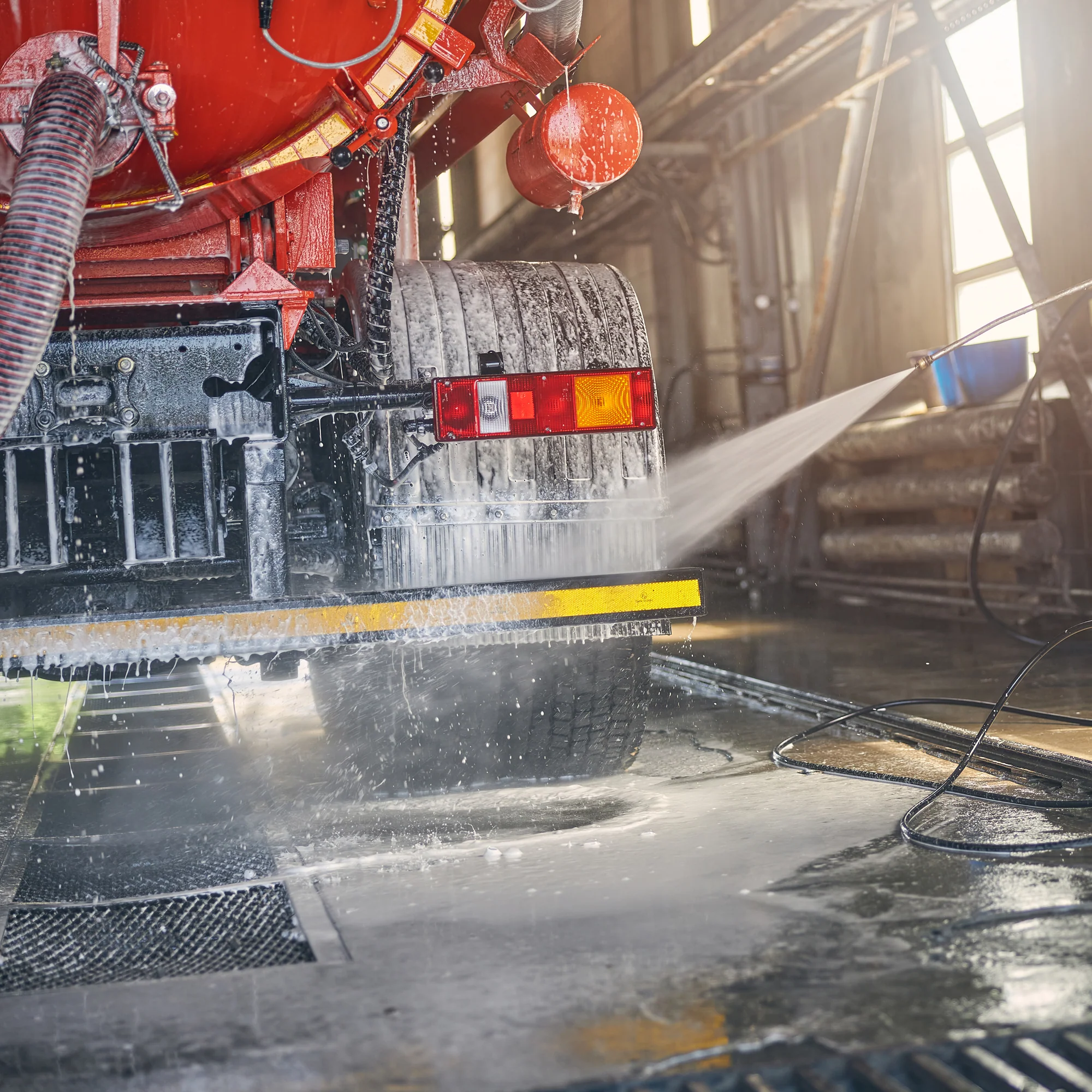
These are often found at specialized "Self-Serve" or "Full-Service" heavy equipment washes. A technician uses a high-volume (GPM) rather than just high-pressure (PSI) wand to manually clear debris.
- Pros: Most thorough method for cleaning the "inside" of the dump body and the intricate parts of the lift cylinder.
- Cons: Extremely labor-intensive and slow.
4. Mobile Pressure Washing Services
Mobile units bring the wash to the truck's yard. In 2026, these services are increasingly popular for fleets that operate 24/7.
- Pros: No "deadhead" miles to a wash facility; cleaning can happen during driver downtime.
- Cons: Requires the fleet owner to provide a space with proper drainage or the mobile provider to use "wash mats" to capture and reclaim water.
Dealing with Difficult Contaminants: Asphalt, Concrete, and Clay
Standard soap and water are insufficient for the materials dump trucks move daily. Specialized chemical applications are required to maintain the vehicle without damaging the paint or hydraulic seals.
| Contaminant | Removal Method | Chemical Required | Risk if Ignored |
|---|---|---|---|
| Asphalt / Tar | High-heat pressure wash (180°F+) | Citric-based solvents or specialized release agents | Permanent staining; buildup prevents tailgate sealing |
| Concrete / Cement | Low-pressure chemical soak | Back-set or organic acid neutralizers | Hardens into "rock," adding significant weight and seizing hinges |
| Clay / Heavy Mud | High-volume (20+ GPM) rinsing | Surfactants to break surface tension | Promotes rapid frame corrosion and hides mechanical failures |
| Road Salt / Brine | Undercarriage focused rinse | Salt neutralizer / Salt-Away | Accelerated rust on brake lines and wiring harnesses |
The "Undercarriage" Factor
The most vital part of a dump truck wash is the area the driver rarely sees. High-pressure "monitors" (automated nozzles) placed in the floor of the wash bay are essential for clearing the suspension hangers, driveline, and the top of the transmission. By 2026, many high-end wash facilities utilize robotic undercarriage sprayers that can sense the vehicle's position to ensure 100% coverage.
Environmental Regulations and Water Reclamation in 2026
The "wash rack" of 2026 is a highly regulated environment. It is no longer permissible in most jurisdictions to allow wash water—laden with oils, heavy metals, and sediment—to enter the storm drain system.
Oil-Water Separators (OWS)
Commercial dump truck washes must be equipped with large-scale oil-water separators. These systems use gravity and coalescing plates to separate hydrocarbons from the water before it is discharged into the sanitary sewer or a reclamation tank.
Water Recycling Systems
Due to rising water costs and "Green Construction" mandates, modern wash facilities often recycle up to 80% of their water. This involves multi-stage filtration, ozone treatment to kill bacteria (preventing the "rotten egg" smell), and settling tanks to remove the massive amounts of grit and sand that fall off a dump truck.
Cost Analysis: Professional Wash vs. In-House Operations
Deciding whether to outsource washing or build an on-site facility depends heavily on fleet size and geographic location.
Outsourcing to Commercial Washes
A standard "Basic Wash" for a tri-axle dump truck in 2026 typically costs between $65 and $95. However, when you add specialized services like an "Acid Wash" for aluminum bodies or "Degreasing" for the engine and hydraulics, the price can climb to $150-$200 per session.
In-House Wash Rack Costs
Building a compliant, permit-ready wash bay in 2026 is a significant undertaking:
- Infrastructure: $150,000 - $350,000 (concrete, drainage, OWS).
- Equipment: $50,000 - $120,000 (pressure washers, heaters, reels).
- Labor: Variable based on local wages.
- Chemicals: Bulk purchases of degreasers and soaps can cost $500 - $1,500 per month for a medium fleet.
For fleets with fewer than 10 trucks, outsourcing is generally more cost-effective. For fleets with 25+ vehicles, the time saved in transit and the ability to wash daily often justifies the capital expenditure of an on-site system.
Maintenance Checklist for On-Site Washing
If you manage your own cleaning, following a strict protocol is necessary to avoid damaging the trucks.
- Cool Down: Never spray cold water directly onto a hot engine block or turbocharger, as this can cause thermal cracking.
- Grease Management: High-pressure washing removes grease from fifth wheels, kingpins, and hinge points. Trucks must be re-greased immediately after a thorough wash.
- Electrical Caution: Avoid direct high-pressure spray on the Electronic Control Module (ECM) and sensitive sensors on the after-treatment (DEF) system.
- Interior Hygiene: While the exterior is the focus, the "dump truck car wash" should include an air-compressor blowout of the cab to remove silica dust, which is a respiratory hazard for drivers.
Frequently Asked Questions
How often should a dump truck be washed?
At a minimum, a dump truck should receive a thorough undercarriage and exterior wash once a week. However, trucks working in concrete, asphalt, or corrosive environments (like salt mines or coastal areas) should be rinsed daily to prevent material hardening and chemical damage.
Can I use a standard car wash for my dump truck?
No. Standard passenger vehicle car washes lack the height clearance, weight capacity, and specialized filtration systems required to handle the volume of mud and oil found on a dump truck. Attempting to use one can result in damage to both the truck and the wash facility.
What is an "Acid Wash" and is it safe for my truck?
An acid wash typically uses hydrofluoric or phosphoric acid solutions to "brighten" unpainted aluminum dump bodies. While it makes the truck look new, it should be used sparingly (no more than once or twice a year) because it removes a microscopic layer of metal and can eventually dull the finish if overused.
How do I remove hardened concrete from my dump truck?
Use a specialized "concrete dissolver" which is usually a biodegradable, organic-acid-based product. Apply the solution to the hardened concrete, let it dwell for 15-30 minutes (keeping it wet), and then use a high-pressure rinse. Avoid using hammers or chisels, as these can damage the body's protective coating and lead to rust.
Final Recommendations for 2026 Fleet Owners
To maximize the lifespan of your dump truck fleet, treat washing as a scheduled maintenance item rather than an optional cosmetic task. In 2026, the integration of automated undercarriage cleaning and water reclamation is no longer just for the largest fleets—it is the industry standard for any operation concerned with DOT compliance and asset resale value. If you are starting a new operation, look for mobile wash providers who offer "closed-loop" water recovery to ensure you stay ahead of local environmental mandates.
Image Gallery