Understanding the Meaning of Emerging Tech: A Comprehensive Guide to the Innovation Landscape
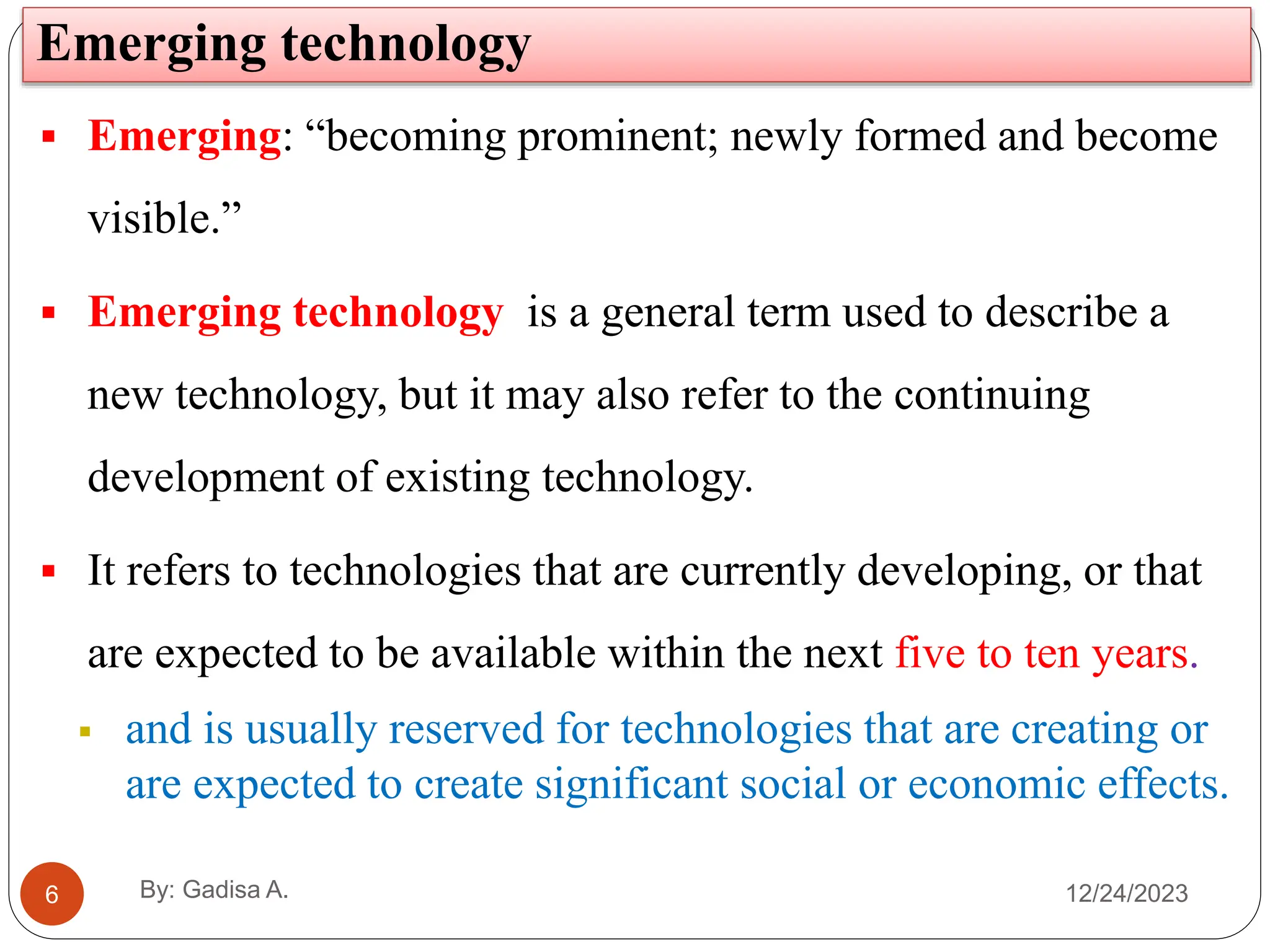
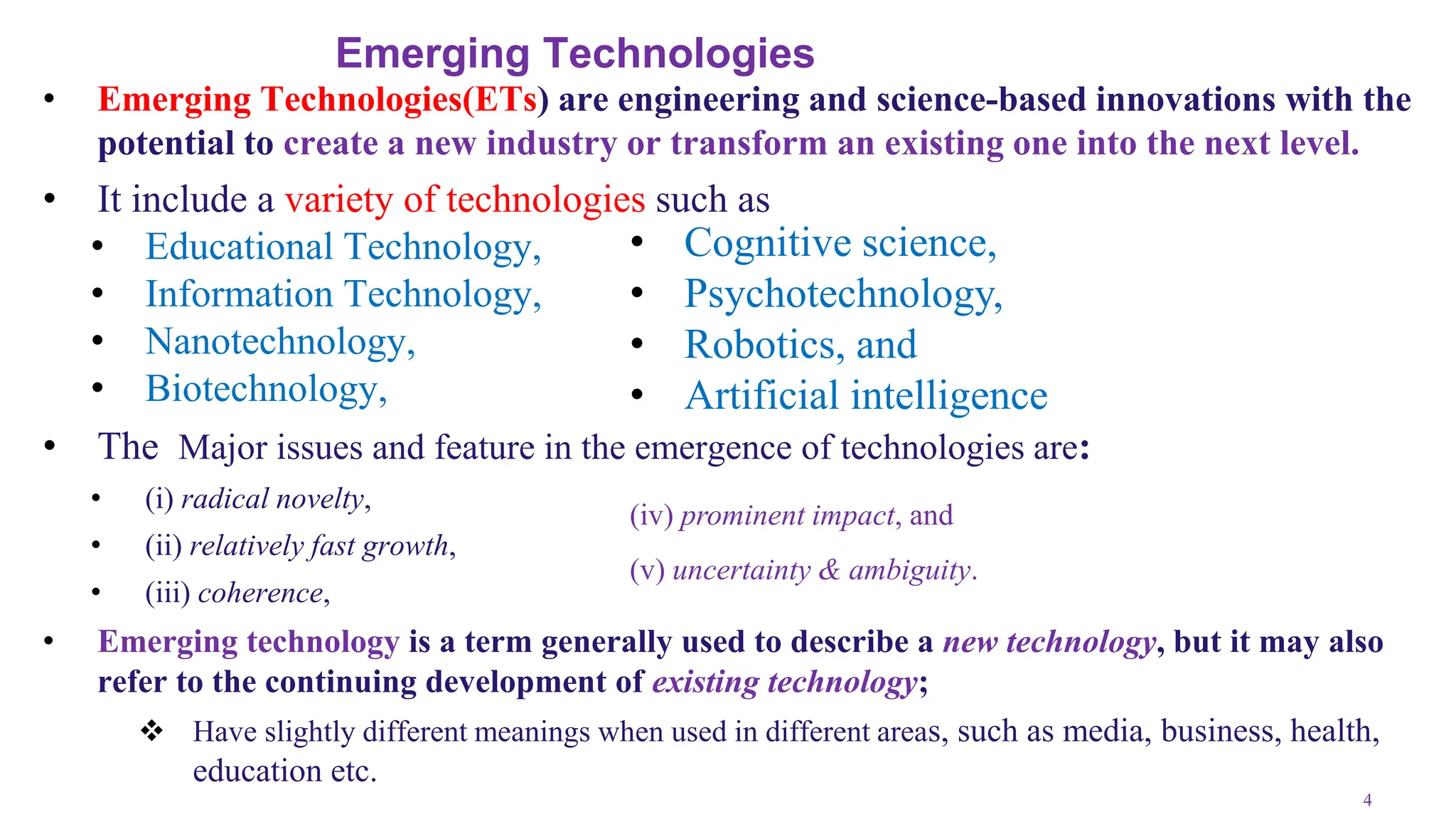
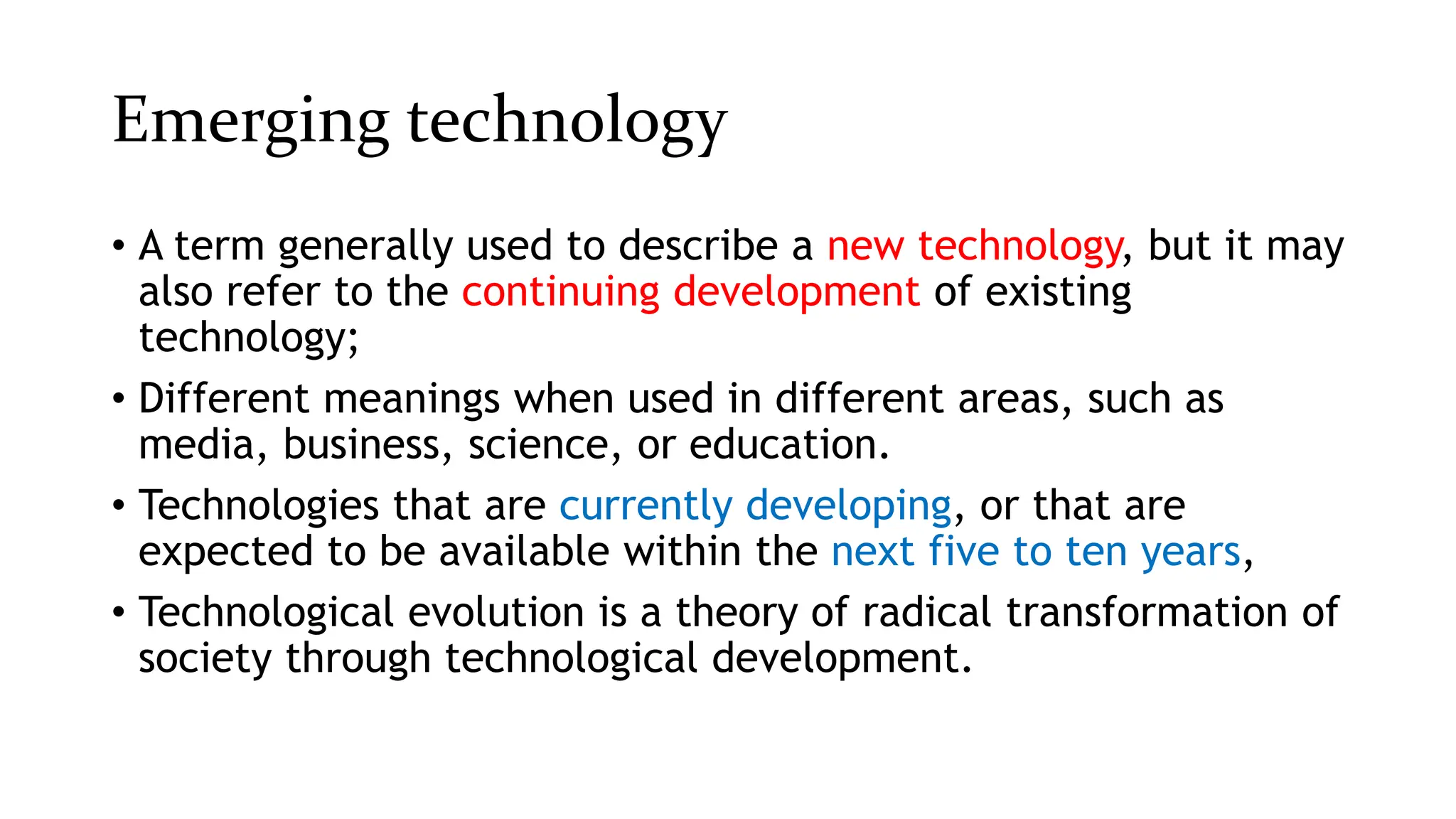
Emerging technology refers to a category of technical innovations that represent significant social or economic shifts. These technologies are characterized by radical novelty, relatively fast growth, internal coherence, and the potent...
Emerging technology refers to a category of technical innovations that represent significant social or economic shifts. These technologies are characterized by radical novelty, relatively fast growth, internal coherence, and the potential for substantial impact, while remaining shrouded in a degree of uncertainty regarding their ultimate maturation and long-term consequences.
Contents
Defining the Core Concept of Emerging Technology
To understand the meaning of emerging tech, one must look beyond the literal definition of "new gadgets." In a professional and academic context, emergence is a process of becoming visible or known after being concealed or in development. In 2026, the term is applied to technologies that are transitioning from theoretical research or niche laboratory applications into broader market awareness and industrial utility.
The most widely accepted academic framework for defining emerging technology stems from research by Rotolo, Hicks, and Martin (2015), who identified five key attributes: radical novelty, relatively fast growth, coherence, prominent impact, and uncertainty. These attributes distinguish a truly "emerging" technology from a simple incremental update to an existing product. For instance, a new smartphone model is an update; the integration of localized, sub-millisecond latency edge-computing for real-time holographic communication is an emerging technology.
The "meaning" of these technologies is often found in their ability to disrupt existing status quos. They are not merely tools; they are catalysts for systemic change. Understanding them requires a multi-dimensional view that includes the science behind the innovation, the market forces driving its adoption, and the regulatory environment attempting to keep pace with its evolution.
The Five Attributes of Emergence
- Radical Novelty: The technology must introduce a fundamentally new approach to solving a problem or fulfilling a need. This could involve a new physical principle (like quantum computing) or a new organizational method (like decentralized autonomous organizations).
- Fast Growth: Emergence is characterized by a rapid increase in patent filings, academic publications, and venture capital investment. If the growth is stagnant, the technology is likely either "dead on arrival" or remaining in a pure research phase.
- Coherence: There must be a recognizable community of practice. Different researchers and companies may be working on various aspects, but their efforts coalesce around a shared set of definitions and goals.
- Prominent Impact: To be considered significant, the tech must have the potential to transform entire industries, change social behaviors, or alter economic structures.
- Uncertainty: Because the technology is still "emerging," its final form, the dominant design, and the eventual winners in the marketplace are not yet clear.
The Innovation Lifecycle: From Lab to Market
Understanding the meaning of emerging tech also requires understanding where a specific innovation sits on the timeline of development. The lifecycle is often visualized through models like the Gartner Hype Cycle or the Diffusion of Innovation theory.
The Role of the Hype Cycle
As of 2026, the Hype Cycle remains a vital tool for organizations to avoid over-investing in "vaporware." The cycle typically begins with a Technology Trigger, such as a breakthrough in room-temperature superconductivity or a new milestone in neural-link interfaces. This leads to the Peak of Inflated Expectations, where media coverage and investor enthusiasm outpace the actual utility of the tech.
The subsequent Trough of Disillusionment is a critical phase for understanding the true "meaning" of the technology. During this time, the initial excitement fades, and only the most viable use cases survive. Technologies that emerge from this trough enter the Slope of Enlightenment, where practical applications are refined, and finally the Plateau of Productivity, where the technology is no longer considered "emerging" but has become an incumbent or "mature" technology.
Identifying the Tipping Point
A technology moves from "emerging" to "established" when it achieves a dominant design and widespread interoperability. For example, in the early 2020s, generative AI was an emerging tech. By 2026, it has moved into a more mature phase in many sectors, though its application in complex areas like autonomous scientific discovery remains in the "emerging" category. Identifying the tipping point requires monitoring the transition from high-risk venture capital funding to low-risk institutional investment and standardized industrial adoption.
Why Emerging Technology Matters to Business and Society
The significance of understanding emerging tech lies in the concept of "strategic foresight." For businesses, being able to accurately define and track emerging technologies is the difference between leading a market and being disrupted out of existence.
Economic Disruption and Market Creation
Emerging technologies often create "blue ocean" markets—entirely new industries where no competition currently exists. For example, the emergence of commercial space-based manufacturing has created a demand for logistics, materials science, and orbital insurance services that did not exist twenty years ago. Organizations that understand the underlying meaning of these shifts can position themselves as infrastructure providers for these new economies.
Social and Ethical Implications
The "meaning" of emerging tech is also deeply tied to ethics. Because these technologies move faster than legislation, they often create "policy vacuums." As of 2026, issues surrounding algorithmic accountability, synthetic biology ethics, and cognitive privacy are at the forefront of the global conversation. Understanding emerging tech means recognizing that these innovations do not happen in a vacuum; they interact with human rights, labor markets, and geopolitical stability.
Categorizing Modern Innovations in 2026
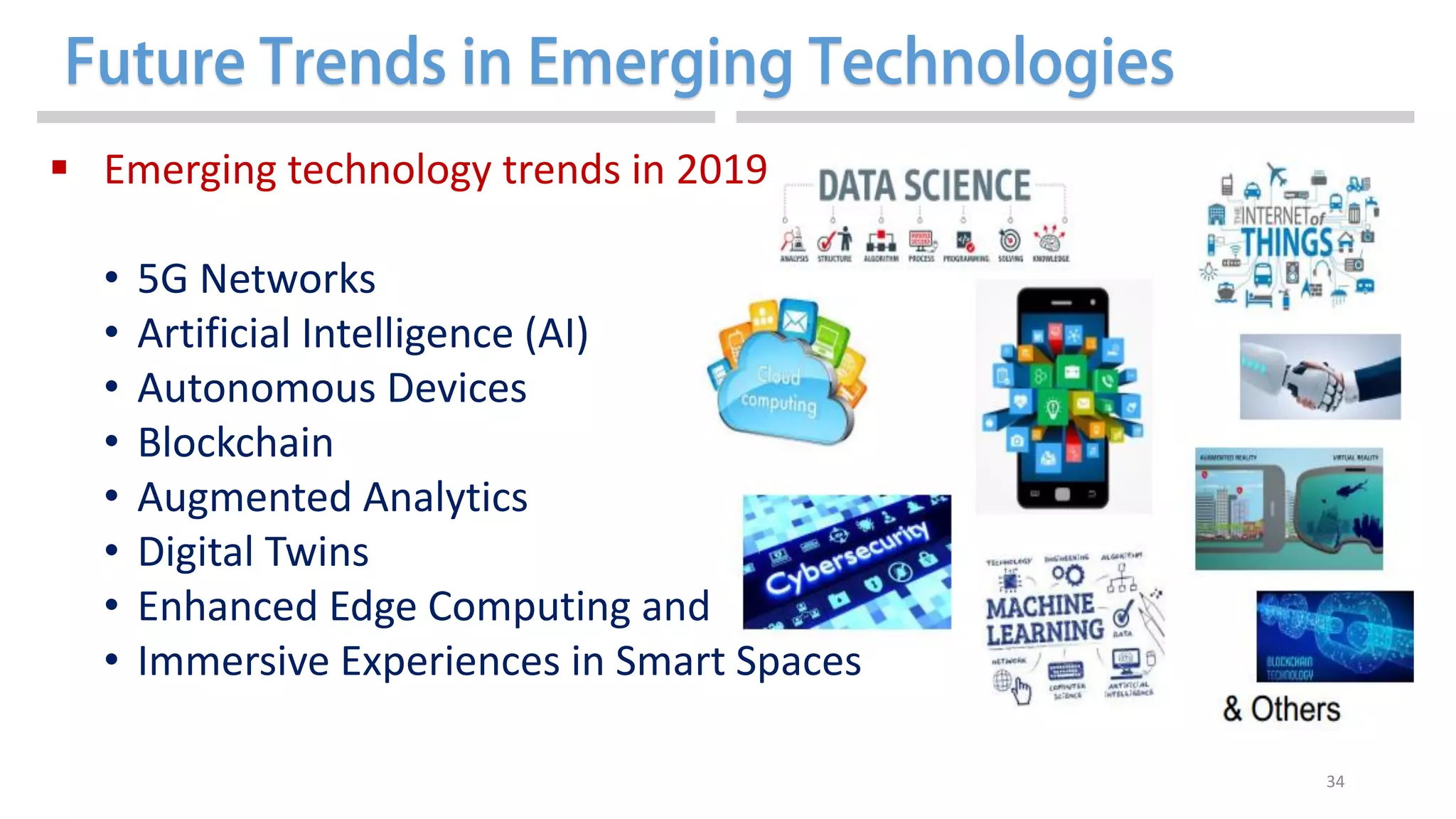
To provide a practical context, we can categorize the current landscape of emerging technologies into three main tiers based on their maturity and potential for immediate disruption.
| Technology Category | Primary Characteristics | 2026 Examples |
|---|---|---|
| Experimental | High scientific uncertainty; primarily in R&D labs. | Fusion energy, molecular assemblers, quantum gravity sensors. |
| Emerging | Rapidly scaling; high investment; early commercial use cases. | 6G networking, personalized mRNA therapeutics, edge-AI robotics. |
| Mature | Standardized; widely adopted; predictable ROI. | Cloud computing, 5G (basic), large language models (LLMs). |
The Convergence Factor
A common mistake in understanding emerging tech is viewing innovations in isolation. In reality, the most significant shifts occur at the intersection of multiple technologies. This is known as technological convergence. In 2026, the convergence of AI, biotechnology, and nanotechnology (often referred to as BINC) is driving advancements that none of those fields could achieve alone. For example, AI-driven protein folding (biotech) combined with nanobot delivery systems represents a new frontier in medicine that is greater than the sum of its parts.
Practical Strategies for Evaluating Emerging Tech
When a new technology enters your professional sphere, use a structured evaluation process to determine its relevance.
- Technical Feasibility: Does the technology actually work as claimed? Look for peer-reviewed studies or verified pilot programs.
- Scalability: Can the technology move from a controlled environment to a mass-market application without exponential cost increases?
- Regulatory Hurdles: Are there existing or pending laws that will limit the technology's growth? The European Union AI Act and similar global frameworks are essential reading for anyone tracking digital emergence.
- Ecosystem Readiness: Does the necessary infrastructure exist? For instance, electric vehicles (an emerging tech 15 years ago) required a massive build-out of charging networks to become mature.
- Human Centricity: Does the technology solve a real human problem, or is it a solution looking for a problem?
Common Mistakes in Tracking Innovation
Many analysts fall into the trap of "technological determinism"—the belief that because a technology can be built, it will be built and will inevitably change society. This ignores the social, political, and economic frictions that often slow or stop technological progress.
Another frequent error is failing to distinguish between sustaining innovations and disruptive innovations. A sustaining innovation improves the performance of established products for existing customers. A disruptive innovation, which is where most emerging tech sits, often starts by targeting an overlooked or low-end segment of the market with a simpler, cheaper, or more convenient alternative before eventually moving upmarket and displacing incumbents.
Frequently Asked Questions
What is the difference between "new tech" and "emerging tech"?
New technology refers to any recently released product or version. Emerging technology refers to innovations that have the potential for systemic impact and are characterized by rapid growth and high uncertainty. All emerging tech is new, but not all new tech is emerging.
How do I stay updated on emerging technologies without being overwhelmed?
Focus on "signals over noise." Follow reputable standards bodies like the IEEE or the International Organization for Standardization (ISO). These organizations often provide the first technical definitions that signal a technology is moving from the lab toward industrial application.
Is emerging technology always better than mature technology?
Not necessarily. Mature technology is often more reliable, cost-effective, and better supported. Emerging technology carries "early adopter risk," which includes higher costs, potential for technical failure, and the risk that the technology will be superseded by a different standard before it reaches maturity.
Does emerging tech always lead to job losses?
While emerging tech can automate certain tasks, it historically creates new categories of labor. The "meaning" of tech in the labor market is usually a shift in required skills rather than a total reduction in employment. In 2026, we see a higher demand for "human-in-the-loop" oversight roles and ethical compliance officers.
How long does a technology remain "emerging"?
The duration varies, but the average window is five to ten years. Once a technology reaches widespread adoption (roughly 20% to 30% of its target market), it is generally classified as an established or incumbent technology.
Recommendations for Navigating the Future
To effectively navigate the landscape of emerging technology in 2026 and beyond, individuals and organizations should adopt a "monitor and pilot" approach. Do not ignore emerging tech, but do not pivot your entire strategy based on unverified hype.
Begin by establishing a Technology Watchlist tailored to your specific industry. Assign "readiness levels" to each item based on technical maturity and regulatory clarity. When a technology reaches a high enough readiness level, initiate small-scale pilot programs to understand how it integrates with your existing workflows. This allows for hands-on learning without exposing the organization to catastrophic risk. By understanding the deeper meaning of these innovations—not just as tools, but as agents of change—you can move from a reactive posture to one of proactive leadership.
Image Gallery