The Difference Between a Checking and Savings Account Explained
The main difference between a checking and a savings account lies in their intended purpose: checking accounts are designed for everyday transactions and spending, while savings accounts are built for storing money and earning interest...
The main difference between a checking and a savings account lies in their intended purpose: checking accounts are designed for everyday transactions and spending, while savings accounts are built for storing money and earning interest over time. Checking accounts offer easy access via debit cards and checks, whereas savings accounts limit frequent withdrawals to encourage wealth accumulation.
Contents
Disclaimer: This article provides general financial education and information. It does not constitute personalized financial, legal, or tax advice. For guidance tailored to your specific financial situation, consult a qualified financial advisor.
Core Functions: How Checking and Savings Accounts Work
Bank accounts serve as the foundation of personal financial management, but different account types are optimized for distinct tasks. Understanding how checking and savings accounts function individually allows you to manage daily cash flow while systematically building cash reserves.
- YOUR TOTAL LIQUID CASH
- CHECKING ACCOUNT (Transactional / Cash Flow)
- Salary Direct Deposits
- Debit Card Purchases & Cash
- Monthly Bill Payments & ACH
- Paper Check Writing
- SAVINGS ACCOUNT (Preservation / Capital)
- Emergency Fund (3-6 Months)
- High-Yield APY Interest
- Short-Term Goal Savings
- Controlled/Limited Withdrawals
- CHECKING ACCOUNT (Transactional / Cash Flow)
What Is a Checking Account?
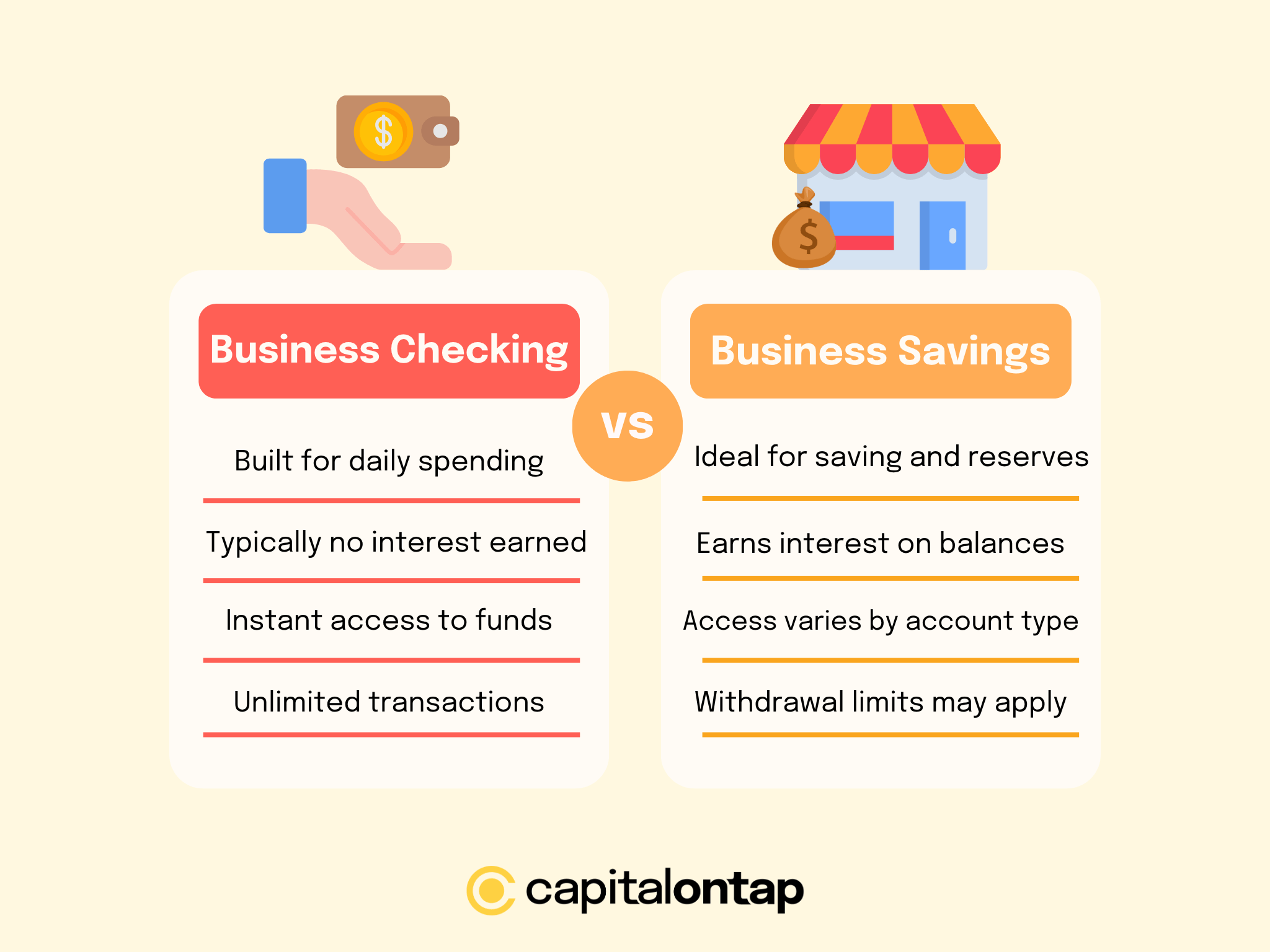
A checking account is a transactional bank account designed for daily liquidity and financial operations. It acts as the primary hub for cash flowing in and out of your household. Income from employers—typically deposited through electronic direct deposit—lands in your checking account, and funds are disbursed from it to pay recurring bills, purchase everyday goods, and withdraw physical cash.
Because checking accounts prioritize transactional convenience over capital growth, they come equipped with multiple payment mechanisms:
- Debit Cards: Allow point-of-sale purchases online and in stores, drawing funds directly from the account balance.
- Automated Clearing House (ACH) Transfers: Enable electronic bill payments for utilities, mortgages, credit cards, and subscriptions.
- Paper Checks: Provide a traditional method for making verified payments to individuals or vendors.
- Automated Teller Machine (ATM) Access: Offers quick cash withdrawals and deposit capability.
Because transactions occur frequently, checking account balances fluctuate constantly. Consequently, traditional checking accounts usually pay little to no interest on deposited funds.
What Is a Savings Account?
A savings account is a deposit account designed for capital preservation, interest accumulation, and short-to-medium-term goals. Rather than facilitating daily purchases, a savings account holds money that you do not intend to spend immediately, such as an emergency fund, home down payment savings, or vacation reserves.
Banks incentivize customers to keep money in savings accounts by paying an Annual Percentage Yield (APY). The bank pools these deposits to issue loans to other customers, sharing a portion of the interest earned back with the depositor.
Savings accounts typically do not come with paper checkbooks, and many financial institutions do not issue debit cards for savings accounts to discourage impulse spending. While funds remain accessible, transferring money out of a savings account often requires an online bank transfer, an ATM withdrawal, or a visit to a bank branch.
Key Differences: Side-by-Side Comparison
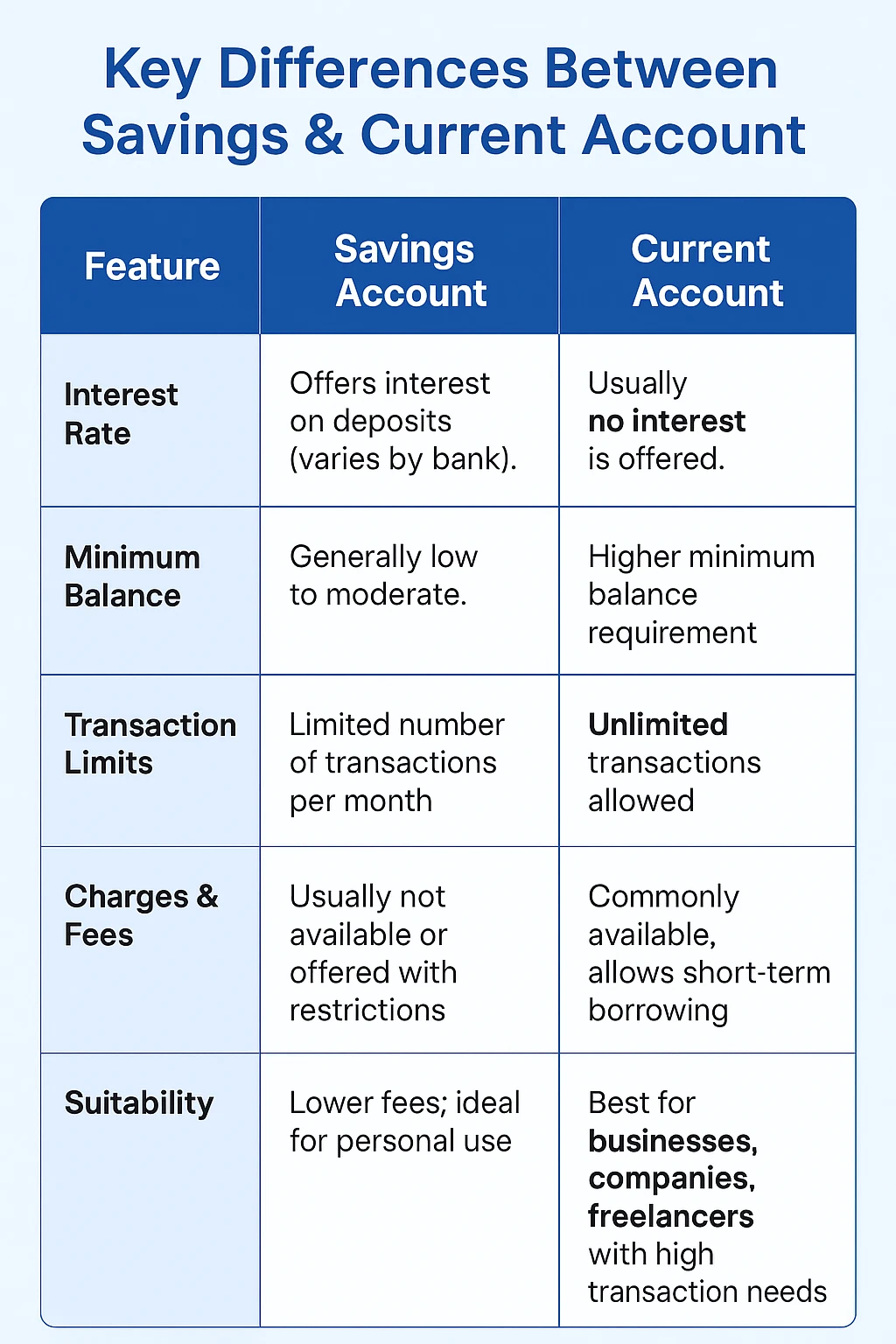
While both accounts hold cash securely at a financial institution, their core features reflect their different roles in personal cash management.
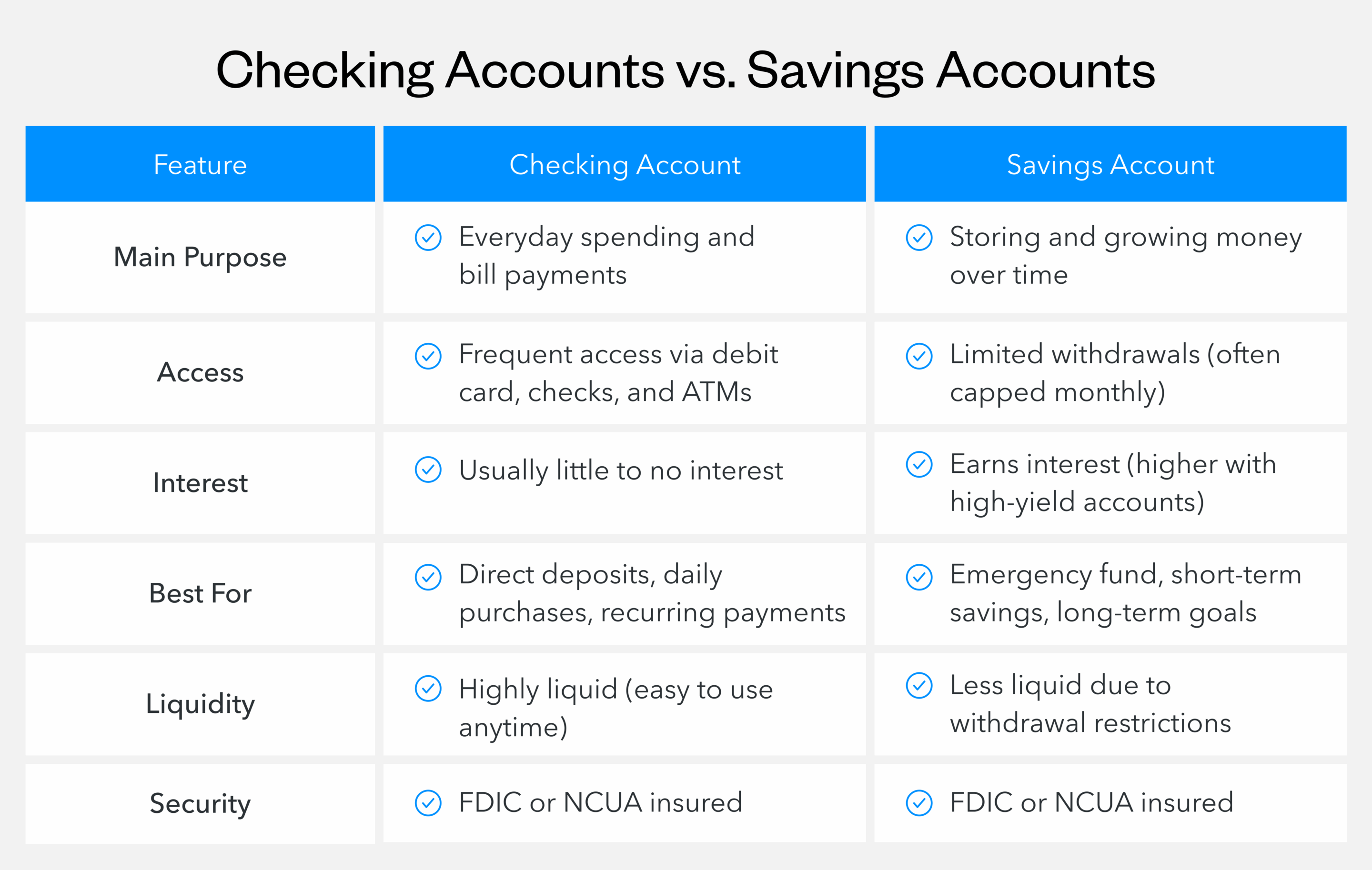
| Feature | Checking Account | Savings Account |
|---|---|---|
| Primary Purpose | Everyday transactions and spending | Storing cash and earning interest |
| Interest Rate (APY) | Typically low (0.01%–0.10%) or zero | Moderate to high (varies by institution/market) |
| Debit Card Access | Standard; linked directly to account | Rare or limited to ATM-only usage |
| Check-Writing Ability | Yes; standard checkbooks provided | No; check writing is generally unavailable |
| Transaction Limits | Unlimited routine purchases and payments | May incur fees after frequent monthly transfers |
| Liquidity & Access | Immediate via card, check, ATM, or transfer | High, but requires explicit transfer steps |
| Deposit Protection | Insured by FDIC or NCUA up to $250,000 | Insured by FDIC or NCUA up to $250,000 |
Interest Rates and APY: Maximizing Cash Earnings
The most significant financial difference between checking and savings accounts is the potential for interest growth.
How Annual Percentage Yield (APY) Works
Annual Percentage Yield (APY) represents the real rate of return earned on a savings deposit, taking into account the effect of compounding interest. Compounding occurs when the interest you earn is added back to your principal balance, allowing your money to earn interest on past interest.
- Checking Accounts: Most basic checking accounts offered by traditional brick-and-mortar banks pay 0.00% to 0.05% APY. A balance of $5,000 in an account paying 0.01% APY yields just $0.50 in interest over a full year. Certain "high-yield checking accounts" exist, but they often require users to perform 10 to 15 debit card transactions per month or maintain strict balance thresholds to earn advertised rates.
- Savings Accounts: Traditional savings accounts at large physical banks often offer modest yields. However, online banks and credit unions frequently offer High-Yield Savings Accounts (HYSAs) with significantly higher APYs. A $5,000 balance in an HYSA paying 4.00% APY generates approximately $200 in compound interest over a single year.
Over long periods, keeping excess cash in a low-interest checking account reduces purchasing power due to inflation. Keeping operational funds in checking while sweeping excess reserves into a high-yield savings account ensures that your capital works for you without compromising liquidity.
Access, Liquidity, and Transaction Rules
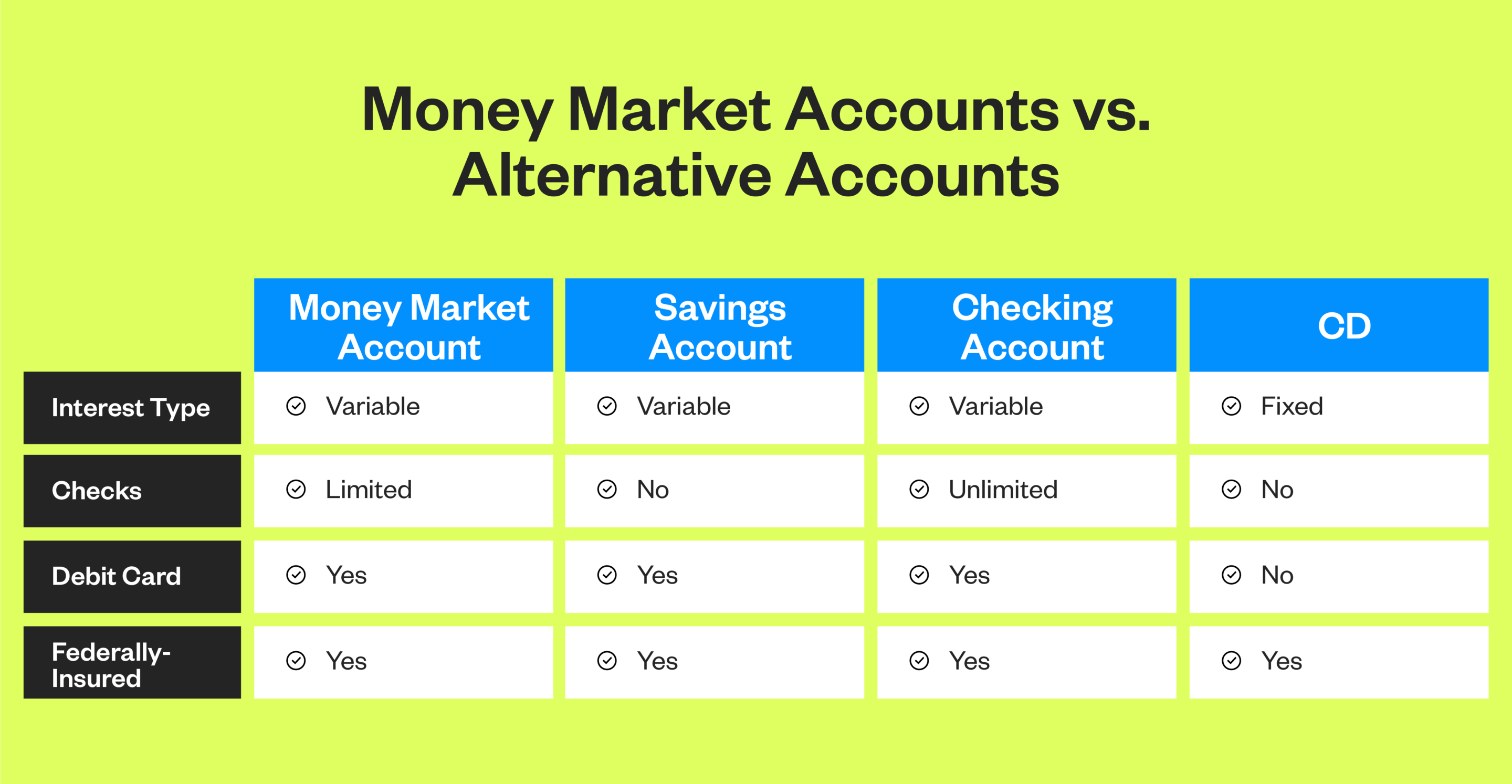
Both account types provide high liquidity compared to investments like real estate or certificates of deposit (CDs), but financial institutions govern access to checking and savings accounts differently.
Checking Account Liquidity
Checking accounts offer unrestricted operational liquidity. You can swipe your debit card dozens of times a day, execute multiple electronic payments, and write checks without triggering account penalties or restrictions, provided you maintain a positive balance.
Savings Account Transaction Policies and Regulation D
Historically, the Federal Reserve's Regulation D capped "convenient" withdrawals and transfers from savings accounts at six per monthly statement cycle. While the Federal Reserve board amended Regulation D to allow depository institutions flexibility in removing the strict six-transfer limit, individual banks retain the authority to enforce monthly withdrawal caps or charge excessive transaction fees if customers exceed a specific threshold.
Withdrawals or transfers from savings accounts that may count toward internal bank caps include:
- Online transfers from savings to checking accounts
- Pre-authorized automatic bill payments from savings
- Transfers made by phone or customer service request
Direct ATM cash withdrawals or transfers performed in person at a bank teller branch generally do not count against these limits. To maintain operational flexibility, complete your monthly bill payments through your checking account and reserve your savings account for periodic, planned transfers.
Fees and Minimum Balance Requirements
Understanding fee structures prevents unnecessary bank charges from eroding your cash balances.
TYPES OF BANK FEES TO WATCH
| Checking Account | Savings Account |
|---|---|
| Monthly Maintenance | Excess Transfer Fees |
| Overdraft & NSF Fees | Below-Minimum Balance |
| Out-of-Network ATM | Paper Statement Fees |
| Foreign Transaction | Account Inactivity |
Checking Account Fees
- Monthly Maintenance Fees: Many institutions charge a monthly fee ($5 to $15) to maintain a checking account. Banks typically waive this fee if you receive a minimum monthly direct deposit (such as a paycheck) or maintain a qualifying average daily balance.
- Overdraft and Non-Sufficient Funds (NSF) Fees: If you make a purchase or payment that exceeds your available checking balance, the bank may cover the item and charge an overdraft fee (often $30 to $35), or reject the payment and issue an NSF fee.
- Out-of-Network ATM Fees: Using an ATM outside your bank’s network can result in charges from both your bank and the ATM operator.
Savings Account Fees
- Minimum Balance Fees: Savings accounts often require a lower minimum balance than checking accounts to avoid monthly maintenance fees (e.g., maintaining a daily balance of $100 to $300).
- Excessive Withdrawal Fees: If your bank imposes transaction caps on savings accounts and you exceed the allowed transfers per month, the bank may assess an excessive usage fee (typically $5 to $15 per excess item) or convert the savings account into a standard checking account.
Deposit Insurance and Safety Rules
Both checking and savings accounts held at accredited financial institutions benefit from robust federal deposit insurance protection in the United States.
FEDERAL DEPOSIT INSURANCE COVERAGE
| Banks (FDIC) | Credit Unions (NCUA) |
|---|---|
| Insures up to $250,000 per depositor, per insured bank. | Insures up to $250,000 per depositor, per credit union. |
FDIC and NCUA Coverage Limits
- Banks: Deposits at FDIC-member banks are insured by the Federal Deposit Insurance Corporation (FDIC) up to $250,000 per depositor, per insured bank, for each account ownership category.
- Credit Unions: Deposits at federally insured credit unions receive identical coverage through the National Credit Union Administration (NCUA).
This protection means that if your bank or credit union experiences financial failure, the federal government guarantees your insured principal up to the legal threshold. Checking accounts, traditional savings accounts, high-yield savings accounts, and certificates of deposit (CDs) qualify for this coverage, making them safe places to hold short-term cash reserves.
How to Use Checking and Savings Accounts Together
Rather than choosing between a checking or savings account, optimal money management involves using both accounts in tandem to create a balanced cash flow system.
AUTOMATED CASH SYSTEM
- Primary Income Source
- Checking Account (Operational Hub)
- Everyday Expenses:
- Rent/Mortgage
- Groceries/Bills
- Credit Cards
- Automated Transfer (Monthly Savings)
- Savings Account (Emergency / HYS)
- Everyday Expenses:
1. Establish Your Checking Account as the Cash Hub
Direct all primary income streams into your checking account. Configure automatic bill payments for recurring monthly obligations (housing, utilities, insurance, credit cards) to originate from checking. Keep a comfortable baseline buffer—such as one month’s worth of living expenses—in checking to avoid overdrafts caused by timing mismatches.
2. Automate Transfers to Your Savings Account
Set up recurring automatic transfers from your checking account to your savings account immediately following your paydays. Automating your savings ensures that cash reserves build consistently without relying on manual intervention or leftover funds at the end of the month.
3. Build and Maintain an Emergency Reserve
Store your emergency fund—typically 3 to 6 months of essential living expenses—in a High-Yield Savings Account. This keeps the money separate from your daily spending cash to prevent accidental use while continuing to earn interest.
4. Enable Overdraft Protection Wisely
Many banks allow you to link your savings account to your checking account as overdraft protection. If a debit transaction exceeds your checking account balance, the bank automatically pulls the missing funds from your linked savings account. Confirm whether your bank charges a transfer fee for overdraft protection sweeps before enabling this service.
Frequently Asked Questions
Can I have both a checking and a savings account at the same bank?
Yes. Maintaining both accounts at the same financial institution allows for quick, internal online transfers between checking and savings. Many banks offer fee waivers or unified account dashboards when you maintain multiple accounts with them.
Is it better to put all my money into a savings account?
No. While savings accounts offer higher interest rates, using a savings account exclusively creates logistical challenges. Savings accounts rarely provide debit cards or checkbooks, and exceeding monthly withdrawal thresholds can trigger fees or cause your bank to reclassify the account. Keeping a operational buffer in a checking account manages daily expenses cleanly.
Do checking accounts affect my credit score?
No. Standard checking and savings accounts are deposit accounts and do not appear on credit bureau reports issued by Experian, Equifax, or TransUnion. However, failing to pay uncollected overdraft balances can lead a bank to turn the debt over to a collections agency, which will harm your credit score. Banks also review banking histories via ChexSystems when evaluating applications for new deposit accounts.
How much money should I keep in my checking account?
A practical rule of thumb is to keep enough money in checking to cover 1 to 2 months of routine living expenses, plus a buffer of $500 to $1,000 to prevent overdrafts. Any cash above this threshold can be moved into a high-yield savings account or long-term investment accounts to optimize growth.
What happens if I make too many transfers out of my savings account?
If you exceed your bank's designated limit for monthly savings account transfers, the bank may charge an excessive transaction fee for each additional item. Continued violations may cause the bank to convert your savings account into a non-interest-bearing checking account or close the account.
Next Steps: Structuring Your Banking Setup
To manage cash effectively:
- Review your current primary checking account: Verify that you meet the balance or direct-deposit requirements to waive all monthly maintenance fees.
- Evaluate your current savings yield: Check the APY on your existing savings account. If it yields significantly below current competitive market benchmarks, open a High-Yield Savings Account (HYSA) at an FDIC- or NCUA-insured institution.
- Automate your savings: Configure an automatic scheduled transfer from checking to savings on payday to steadily grow your emergency reserve.
Image Gallery