Proven Strategies to Lower Your Auto and Life Insurance Premiums in 2026
Policyholders can lower their auto and life insurance premiums by increasing deductibles, improving credit scores, and leveraging data-sharing technologies like telematics and wearable health integration. Bundling multiple policies and...
Policyholders can lower their auto and life insurance premiums by increasing deductibles, improving credit scores, and leveraging data-sharing technologies like telematics and wearable health integration. Bundling multiple policies and maintaining a lifestyle characterized by low-risk behaviors remain the most effective methods for securing sustainable, long-term premium reductions.
Contents
The landscape of the insurance industry in 2026 is defined by precision underwriting. Insurers have moved away from broad demographic buckets toward individualized risk assessment. For consumers, this shift provides an unprecedented level of control over what they pay. Whether you are navigating the complexities of automotive coverage or securing your family's future through life insurance, the path to lower premiums requires a combination of behavioral changes, structural policy adjustments, and a proactive approach to personal data management.
Strategic Approaches to Lowering Auto Insurance Premiums
Auto insurance remains one of the most variable household expenses. In 2026, premium rates are heavily influenced by the cost of high-tech vehicle repairs and the frequency of climate-related claims. However, individual drivers can still exercise significant influence over their specific rates.
Embracing Telematics and Usage-Based Insurance (UBI)
The most direct way to lower auto insurance premiums today is through the adoption of telematics. Most major carriers now offer "Pay-How-You-Drive" (PHYD) programs that use smartphone apps or factory-installed vehicle hardware to monitor driving habits.
These systems track metrics such as hard braking, rapid acceleration, cornering speeds, and the time of day the vehicle is operated. Drivers who avoid "high-risk" windows—typically between midnight and 4:00 AM—and maintain smooth driving patterns can see discounts ranging from 10% to 40%. The shift in 2026 is that these discounts are often applied in real-time or at the start of every monthly billing cycle, providing immediate financial feedback for safe behavior.
Optimizing Deductibles and Coverage Limits
The deductible is the amount you pay out-of-pocket before insurance coverage kicks in. Increasing your deductible from $500 to $1,000 or even $2,500 can significantly reduce your monthly premium. This strategy is most effective for drivers with an emergency fund capable of covering the higher out-of-pocket cost in the event of an accident.
Furthermore, it is essential to evaluate the "actual cash value" of your vehicle. If you are driving an older car with a low market value, the cost of collision and comprehensive coverage might exceed the potential payout. In such cases, dropping these optional coverages while maintaining high liability limits can result in substantial savings without compromising your legal or financial protection against third-party claims.
Leveraging Vehicle Safety and Technology Discounts
In 2026, vehicle choice is a primary driver of insurance costs. While Advanced Driver Assistance Systems (ADAS)—such as automated emergency braking and lane-keeping assist—reduce the likelihood of an accident, they also increase the cost of repairs if a collision occurs.
To lower your premium, look for vehicles that strike a balance: high safety ratings from the Insurance Institute for Highway Safety (IIHS) and lower-than-average repair costs. Features like factory-installed anti-theft devices and VIN etching continue to provide modest discounts, as they reduce the insurer’s risk of total loss due to theft.
Methods for Reducing Life Insurance Premiums
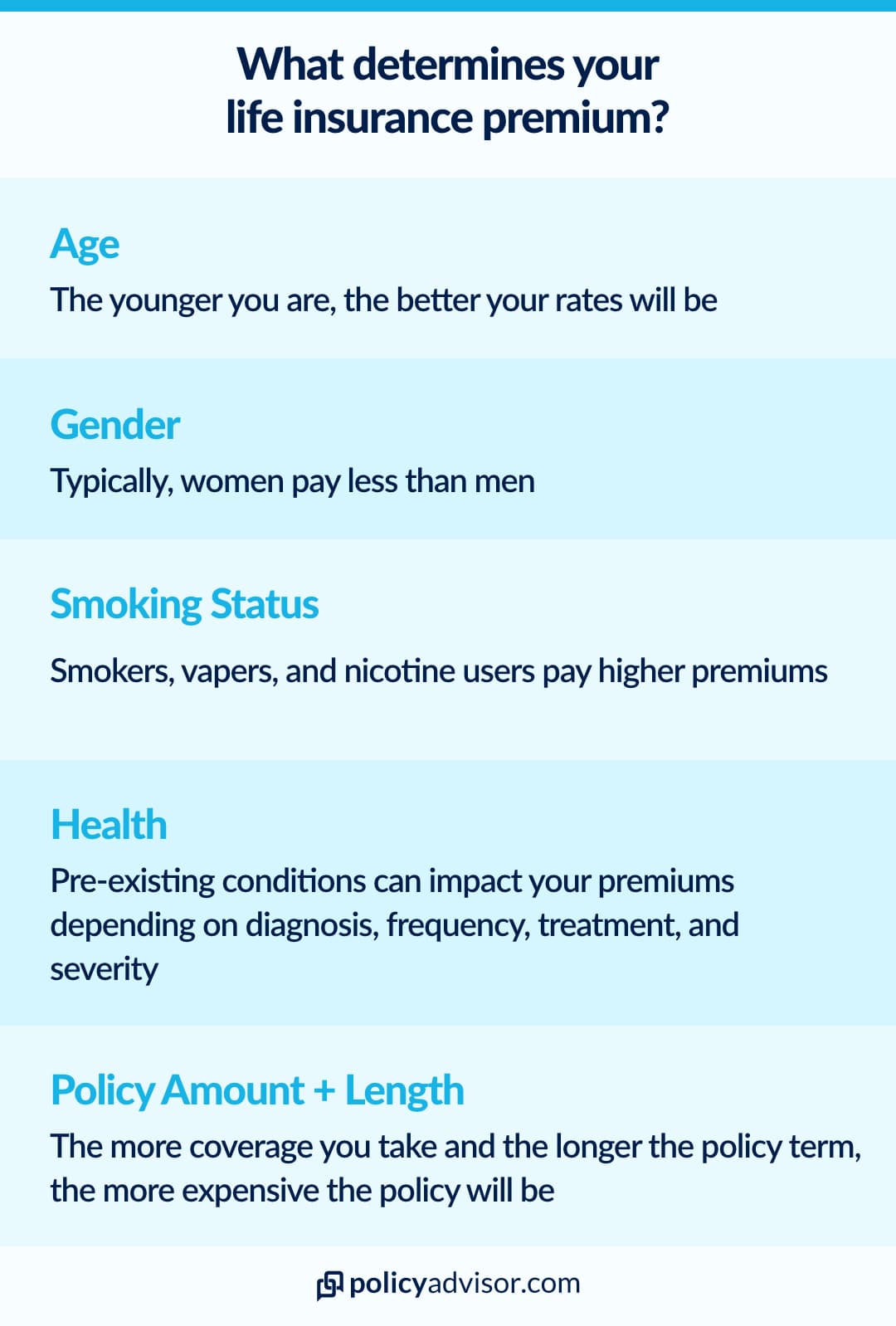
Life insurance premiums are fundamentally a reflection of mortality risk. Because life insurance contracts are often long-term, the decisions you make at the time of application can lock in savings for decades.
Prioritizing Health and Lifestyle Improvements
Medical underwriting remains the cornerstone of life insurance pricing. In 2026, insurers have streamlined the process through "accelerated underwriting," which uses electronic health records and pharmaceutical databases to assess risk quickly.
To secure the lowest "Preferred Plus" rates, applicants should focus on manageable health metrics:
- Tobacco and Nicotine Use: Ceasing all nicotine products (including vaping) for at least 12 to 24 months is the single most effective way to lower life insurance costs. Smokers typically pay three to four times more than non-smokers.
- Weight Management: Maintaining a Body Mass Index (BMI) within the insurer’s target range can move an applicant from a "Standard" to a "Preferred" tier.
- Chronic Disease Management: Demonstrating consistent control of blood pressure and cholesterol levels through medication and lifestyle choices shows insurers that your risk is well-managed.
Choosing the Right Policy Structure
The type of policy you select dictates the premium. Term life insurance provides coverage for a specific period (e.g., 10, 20, or 30 years) and is significantly more affordable than permanent or "whole" life insurance. For most individuals, term life is the most cost-effective way to cover high-need years, such as during a mortgage or while children are young.
Another strategy is Laddering. Instead of buying one $2 million policy, a policyholder might buy a $1 million 30-year policy and a $1 million 10-year policy. This ensures maximum coverage when expenses are highest but reduces the total premium as financial obligations (like a mortgage) decrease over time.
Utilizing Wearable Data Integration
A growing trend in 2026 is the integration of wearable fitness data into life insurance pricing. Much like telematics for cars, some life insurers offer premium credits or rewards for policyholders who share data from smartwatches or fitness trackers. By proving a consistent level of physical activity and healthy sleep patterns, policyholders can earn annual discounts or "wellness points" that offset the cost of the policy.
Cross-Policy Savings: Bundling and Administrative Efficiencies
One of the most traditional yet effective ways to lower costs across both auto and life insurance is the multi-policy discount, commonly known as bundling.
Insurers prefer "sticky" customers who hold multiple lines of coverage. By placing your auto, homeowners, and life insurance with the same carrier, you can often save between 5% and 15% on each policy. Additionally, administrative choices can lead to incremental savings:
- Annual vs. Monthly Payments: Paying your premium in a single annual lump sum often eliminates "installment fees," saving you 3% to 5% annually.
- Electronic Funds Transfer (EFT): Setting up automatic payments from a bank account rather than a credit card can sometimes trigger a small discount and prevent late fees.
Comparison of Premium-Reduction Factors
The following table compares the impact and effort required for various strategies across both auto and life insurance sectors.
| Strategy | Insurance Type | Potential Savings | Implementation Effort |
|---|---|---|---|
| Telematics/UBI | Auto | High (20-40%) | Moderate (Requires data sharing) |
| Tobacco Cessation | Life | Very High (200%+) | High (Requires long-term change) |
| Increasing Deductibles | Auto | Moderate (15-30%) | Low (Policy adjustment) |
| Bundling Policies | Both | Moderate (5-15%) | Low (Consolidation) |
| Credit Score Improvement | Auto/Life* | Moderate (10-20%) | High (Long-term financial habits) |
| Laddering Coverage | Life | High (Long-term) | Moderate (Strategic planning) |
*Note: The use of credit scores in insurance pricing is subject to jurisdictional regulations. Some states prohibit or limit this practice.
Advanced Considerations for 2026
As we navigate 2026, two emerging factors are influencing premiums: cyber hygiene and climate resilience.
For auto insurance, some carriers have begun offering small discounts for drivers who keep their vehicle’s software updated, reducing the risk of cyber-related malfunctions. For life insurance, staying informed about environmental health risks and living in areas with high "resilience scores" (lower exposure to extreme heat or pollution) is beginning to appear in the peripheral data sets used by long-term disability and life underwriters.
Furthermore, the "loyalty tax" is a well-documented phenomenon where long-term customers are charged more than new customers. It is vital to re-shop your coverage every two to three years. In 2026, AI-powered comparison tools make it easier than ever to get multiple quotes without manual data entry, ensuring that your "loyalty" isn't actually costing you money.
Frequently Asked Questions
Does my credit score really affect my insurance premiums?
In many jurisdictions, yes. Insurers use a version of your credit report called an "insurance score" to predict the likelihood of a claim. Statistically, individuals with higher credit scores tend to file fewer claims. Improving your credit by paying down debt and ensuring on-time payments can lead to lower premiums during your next policy renewal.
Can I lower my life insurance premium after the policy has started?
While you cannot usually change the base rate of a term policy once it is issued, you can request a "re-rating" if your circumstances change significantly—for example, if you have quit smoking for over two years or lost a significant amount of weight. This typically requires a new medical exam. Alternatively, you may replace the policy with a new one if market rates have dropped or your health has improved.
Will a single speeding ticket ruin my auto insurance discount?
A single minor violation may not result in a massive premium hike, but it will likely disqualify you from "Safe Driver" discounts for three to five years. If you are enrolled in a telematics program, the impact may be more immediate as your "driving score" drops, though these programs often look at rolling averages rather than a single event.
Is it worth it to take a defensive driving course in 2026?
Yes. Many states and insurers mandate a discount—often around 5% to 10%—for drivers who complete an accredited defensive driving or accident prevention course. These courses are now largely available online and are valid for three years, making them a high-ROI activity for a few hours of effort.
Are there specific occupations that get lower insurance rates?
Yes, certain professions that are statistically associated with lower risk—such as educators, scientists, engineers, and medical professionals—often qualify for affinity discounts. Always disclose your occupation to your agent to see if you qualify for these specific group rates.
Practical Recommendation for Immediate Savings
To achieve the most significant reduction in your premiums today, begin by auditing your current deductibles. If your auto deductible is still at $250 or $500 and you have sufficient savings, raise it to $1,000. Next, contact your current agent to ask for a "comprehensive discount review," specifically inquiring about telematics for your vehicle and "wellness integration" for your life insurance. Finally, use a reputable comparison tool to check the current market rates; if you haven't switched carriers in more than three years, you are likely overpaying.
Professional Advice Limitation: This article is for informational purposes only and does not constitute legal, financial, or medical advice. Insurance regulations vary significantly by state and country. Always consult with a licensed insurance professional or financial advisor before making changes to your coverage or financial strategy.
Image Gallery