How Consumer Reports Saves You Money on Auto Insurance in 2026
Consumer Reports saves you money on auto insurance by providing unbiased, data-driven ratings that prioritize claim satisfaction and price transparency over marketing claims. By using their proprietary surveys and investigative reports...
Consumer Reports saves you money on auto insurance by providing unbiased, data-driven ratings that prioritize claim satisfaction and price transparency over marketing claims. By using their proprietary surveys and investigative reports, members can identify insurers that offer the best value, avoid "price optimization" traps, and understand how non-driving factors influence their premiums.
Contents
The Consumer Reports Methodology: Unbiased Data vs. Industry Marketing
Consumer Reports (CR) operates as a non-profit, member-supported organization, which is the cornerstone of how it helps consumers save on auto insurance. Unlike many "comparison" websites that function as lead-generation tools for insurance companies—earning a commission when a user signs up—Consumer Reports accepts no advertising and pays for all the products it tests. In the context of auto insurance, this means their recommendations are based on rigorous data analysis and member feedback rather than affiliate partnerships.
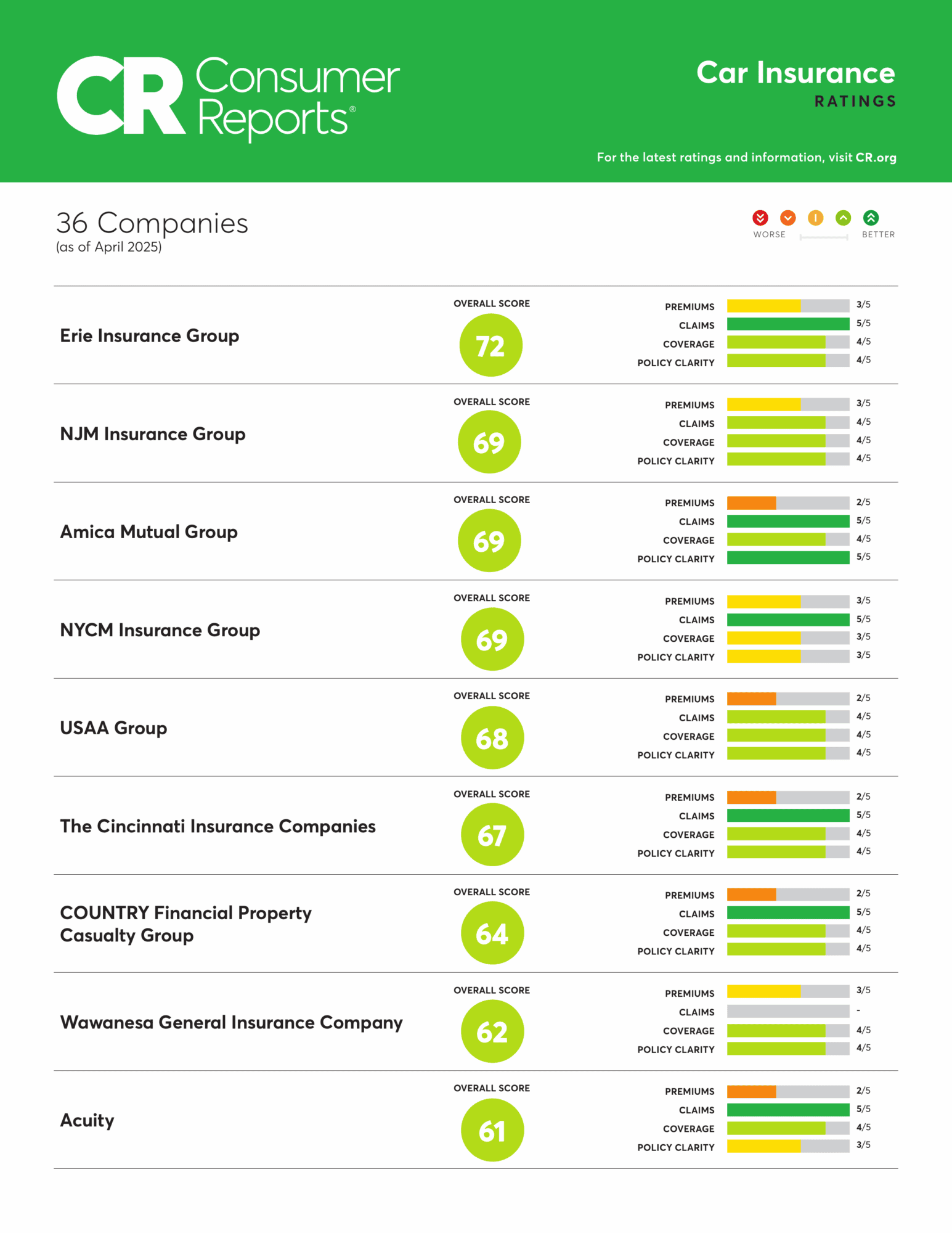
In 2026, the insurance landscape has become increasingly complex with the integration of artificial intelligence and telematics. CR addresses this by surveying tens of thousands of its members about their real-world experiences with insurers. This data provides a level of insight that a simple price quote cannot match. They evaluate companies based on several key metrics: the ease of the claims process, the clarity of their policies, and the fairness of their pricing. By identifying companies that treat their customers well during a claim, CR helps users avoid the "hidden" costs of cheap insurance—such as denied claims or prolonged repair times that necessitate out-of-pocket expenses.
Furthermore, Consumer Reports advocates for transparency in how premiums are calculated. They have historically campaigned against the use of "price optimization," a practice where insurance companies use algorithms to determine which customers are least likely to shop around and then raise their rates regardless of their driving record. By educating consumers on these practices, CR empowers them to switch providers at the optimal time, ensuring they are not paying a "loyalty tax."
Decoding the Ratings: How CR Evaluates Auto Insurers
When looking at Consumer Reports' auto insurance ratings, it is essential to understand that a low premium is only one part of the value equation. CR’s rating system typically breaks down into several critical categories that affect long-term savings.
Claims Handling and Satisfaction
The most significant potential cost in auto insurance isn't the monthly premium; it is the cost of a claim that isn't fully covered or is handled poorly. CR’s member surveys consistently highlight insurers that excel in "Claims Satisfaction." Companies that score high in this area are less likely to haggle over repair costs or pressure policyholders into using sub-standard replacement parts. By choosing a high-rated insurer, consumers save money by ensuring their vehicle is returned to its pre-accident condition without unnecessary legal or mechanical hurdles.
Premium Value and Pricing Fairness
CR investigates how companies set their rates, often revealing that the most heavily advertised brands are not necessarily the best value. Their reports frequently highlight smaller or regional mutual insurance companies that offer significantly lower rates for the same level of coverage. By providing a platform for these less-visible entities, CR enables consumers to find "hidden gems" in the insurance market that do not spend billions on television commercials, passing those savings on to the policyholder.
Customer Service and Communication
Poor communication can lead to lapsed coverage or missed discounts. CR evaluates how well companies interact with their clients, particularly regarding renewals and policy changes. High marks in communication often correlate with proactive notifications about new discounts for which a driver might qualify, such as those for new safety features or changes in annual mileage.
The Impact of Credit Scores and Socioeconomic Factors
One of the most impactful ways Consumer Reports saves consumers money is through its investigative reporting on the "Price of Credit." For years, CR has conducted deep-dive analyses into how insurance companies use credit-based insurance scores to set premiums. Their research has shown that in many states, a driver with a "poor" credit score but a perfect driving record may pay significantly more than a driver with an "excellent" credit score and a recent DUI conviction.
In 2026, CR continues to push for legislative changes to ban or limit these practices, but in the meantime, they provide actionable advice for those affected. They identify which insurance companies weigh credit scores less heavily than others, allowing consumers with less-than-perfect credit to find more equitable rates. This specific, data-backed guidance can save a household thousands of dollars annually that would otherwise be lost to socioeconomic profiling.
Additionally, CR tracks how factors like education level, job title, and homeownership status influence rates. By exposing these "non-driving" factors, they help consumers recognize when they are being unfairly charged and provide a roadmap for shopping around with insurers that prioritize actual driving behavior over demographic data.
Strategic Steps to Save Using Consumer Reports Recommendations
To maximize savings, consumers should follow a structured approach based on Consumer Reports' ongoing research and tools.
- Review the Annual Ratings: Before your policy renews, check the latest CR ratings. In 2026, these ratings reflect the most recent shifts in the market, including how companies have adjusted to inflation and repair costs.
- Evaluate the "Multi-Policy" Myth: While many insurers offer a discount for bundling home and auto insurance, CR’s data often shows that "unbundling" can sometimes lead to greater total savings. If a specific insurer has an exceptionally low rate for auto but is expensive for home insurance, it may be cheaper to hold two separate policies.
- Check for "Low-Mileage" Opportunities: With the rise of hybrid work models, many drivers are logging fewer miles. CR provides guidance on which insurers offer the best "pay-per-mile" or low-mileage discounts, which can reduce premiums by 20% or more for those who drive less than 7,500 miles a year.
- Audit Your Discounts: CR provides a comprehensive list of common and uncommon discounts. Consumers are encouraged to call their agents and specifically ask for discounts related to anti-theft devices, defensive driving courses, or even "affinity" groups (such as alumni associations or professional organizations) that the insurer might not automatically apply.
Comparison of Insurer Performance Metrics (CR Data Trends)
The following table reflects the types of data points Consumer Reports tracks to help members differentiate between price and value.
| Metric Category | High-Rated Insurers (e.g., USAA, Amica) | Mid-Market Insurers | Low-Value/Budget Insurers |
|---|---|---|---|
| Claims Handling | Exceptional; high use of OEM parts. | Standard; may require some negotiation. | Often slow; may use salvaged parts. |
| Pricing Transparency | High; few hidden fees or "price spikes." | Moderate; frequent use of promotional rates. | Low; rates may increase sharply after year one. |
| Non-Driving Factors | Minimal weight on credit scores (varies). | Moderate weight on socioeconomic data. | Heavy reliance on credit and zip code. |
| Customer Loyalty | High; rewards long-term members. | Low; focus is on new customer acquisition. | Very low; utilizes "price optimization." |
| Telematics Privacy | Strong data protection policies. | Varies by state and specific policy. | May sell data to third-party marketers. |
Utilizing Consumer Reports' Digital Tools
In 2026, the Consumer Reports online portal includes advanced tools that go beyond static articles. Their "Car Insurance Tool" allows members to input their specific needs—such as high liability limits or gap insurance—and see which companies historically provide the best service for those specific products.
One of the most valuable aspects of these tools is the ability to filter results by state. Because insurance is regulated at the state level, a company that is excellent in New York might have poor claims service in Florida. CR’s localized data ensures that users are making decisions based on the performance of the company in their specific geographic region.
Furthermore, CR provides a "Policy Review Checklist." This tool helps consumers compare their current policy line-by-line with a potential new policy. It highlights common pitfalls, such as "step-down" provisions (which lower coverage levels if someone else drives your car) or restrictive "named-driver" exclusions that can leave a policyholder vulnerable to massive out-of-pocket costs.
Common Pitfalls and How CR Helps Avoid Them
Many consumers fall into traps that appear to save money in the short term but cost more in the long run. Consumer Reports focuses on educating drivers to avoid these specific errors:
- Sacrificing Liability for Premium Savings: Many "budget" insurers suggest the state minimum liability limits to keep premiums low. CR strongly advises against this, showing through actuarial data how a single moderate accident can lead to personal bankruptcy if limits are too low. They help users find insurers where increasing limits from $50,000 to $250,000 costs only a few extra dollars per month.
- Ignoring the Financial Strength of the Insurer: A low price means nothing if the company goes insolvent after a natural disaster. CR incorporates financial stability ratings from agencies like A.M. Best into their overall evaluations, ensuring members choose companies with the "staying power" to pay large claims.
- Overlooking Deductible Math: CR provides calculators to help users determine if raising their deductible from $500 to $1,000 is actually worth the premium savings. If it takes five years of premium savings to "break even" on the extra $500 risk, CR often suggests sticking with the lower deductible.
FAQ
Does Consumer Reports provide actual insurance quotes?
No, Consumer Reports does not provide direct insurance quotes or sell insurance policies. Instead, they provide ratings, research, and tools that direct you toward the companies that offer the best value. You must still contact the insurers directly or use their websites to get a specific quote based on your personal information.
Do I have to be a member of Consumer Reports to see their insurance ratings?
Most of Consumer Reports' detailed ratings and proprietary tools are behind a paywall and require a monthly or annual membership. However, they frequently publish free articles and advocacy reports that summarize their findings on the insurance industry and highlight the top-performing companies.
How often does Consumer Reports update its auto insurance ratings?
CR typically updates its auto insurance ratings annually, based on the results of its massive Annual Questionnaire sent to members. However, they may publish investigative reports or "market alerts" throughout the year if there are significant changes in the industry, such as new laws affecting credit score usage or spikes in repair costs.
Can Consumer Reports help me if I have a "high-risk" driving record?
Yes. While many of their top-rated companies are "preferred" insurers that look for clean records, CR’s research also covers "non-standard" insurers. They provide guidance on how to move from a high-risk pool back into standard coverage and which companies offer the fairest rates for those with a history of accidents or violations.
Does Consumer Reports evaluate the privacy of "usage-based" (telematics) insurance?
Yes, this is a major focus for CR in 2026. They evaluate how different insurers handle the data collected by car apps and plug-in devices. They help consumers understand which companies use that data solely for pricing and which may share or sell your driving habits to third parties.
Final Recommendation
To save the most on your auto insurance using Consumer Reports, do not simply look for the company with the lowest price. Instead, use the Consumer Reports Ratings to identify the top three companies in your region for Claims Satisfaction. Once you have those names, obtain quotes from each while ensuring your coverage limits and deductibles are identical across all quotes. This "apples-to-apples" comparison, backed by CR’s data on company reliability, ensures you are getting the best possible protection for the lowest possible price. Finally, check the CR Advocacy pages to see if your state has specific protections against credit-based pricing, which can further inform your shopping strategy.
For more information on insurance regulations and consumer protections, you can visit the National Association of Insurance Commissioners (NAIC) or check the Federal Trade Commission (FTC) for guidance on how credit scores affect your insurance rates.
Image Gallery