Painters in Detroit MI and the Evolution of the Local Art Scene
The local art scene in Detroit, Michigan, in 2026 remains a powerhouse of cultural resilience and innovation, driven by a diverse community of painters who blend industrial grit with contemporary vision. From world-renowned muralists t...
The local art scene in Detroit, Michigan, in 2026 remains a powerhouse of cultural resilience and innovation, driven by a diverse community of painters who blend industrial grit with contemporary vision. From world-renowned muralists transforming the city's skyline to fine artists in the Milwaukee Junction studios, Detroit's painters are the architects of the city's modern visual identity.
Contents
The Foundation of Detroit’s Visual Language
To understand the painters in Detroit, MI, one must first recognize the city’s unique relationship with its architectural and industrial history. Unlike many other major metropolitan areas, Detroit’s art scene did not develop in a vacuum; it grew from the literal and figurative soil of a city that has redefined itself multiple times. By 2026, the "Detroit Aesthetic"—a term often used to describe the intersection of figurative realism, social commentary, and raw, textured surfaces—has become a globally recognized style.
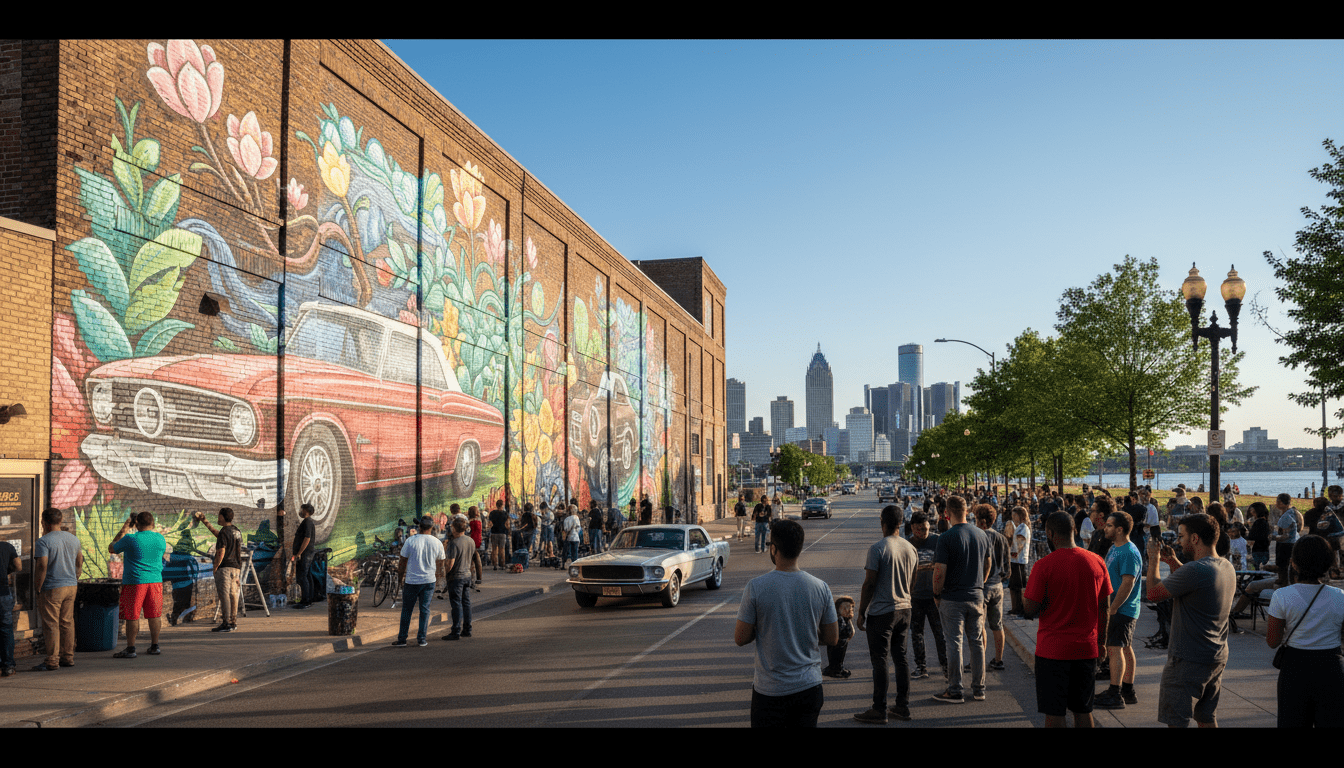
The local scene is anchored by institutions like the Detroit Institute of Arts (DIA) and the College for Creative Studies (CCS). These pillars provide both the historical context and the technical training that many local painters utilize. However, the true heartbeat of the scene is found in the independent studios and on the brick facades of the city's neighborhoods. The transition from the 2010s to the mid-2020s saw a massive shift from "guerrilla" street art to sophisticated, city-sanctioned mural programs that have turned the city into one of the largest open-air galleries in the world.
Leading Figures Defining Detroit Painting in 2026
The contemporary landscape is populated by a mix of established masters and emerging voices who use paint to explore themes of identity, labor, and rebirth.
Sydney James and the Narrative of the City
Sydney James remains a central figure in the Detroit scene. Known for her monumental murals and deeply personal canvas works, her art often focuses on the Black experience and the women who anchor Detroit’s communities. Her work is characterized by vibrant colors and a mastery of scale that allows her to command entire city blocks. In 2026, her influence extends beyond the brush, as she mentors a new generation of painters through collective initiatives.
Tylonn Sawyer: History and Realism
Tylonn Sawyer is a multidisciplinary artist whose paintings are essential to the Detroit dialogue. His work frequently blends classical figurative techniques with contemporary political imagery. By juxtaposing historical symbols with modern Detroiters, Sawyer forces viewers to confront the complexities of race and heritage. His paintings are often found in high-profile galleries like the Library Street Collective, bridging the gap between public art and fine art.
Bakpak Durden: The Intersection of Identity
Bakpak Durden has risen to prominence for their hyper-realistic style and profound exploration of neurodiversity and gender identity. Durden’s work is often characterized by a monochromatic or limited color palette that emphasizes shadow, light, and the physical texture of the human form. Their ability to translate internal psychological states onto large-scale surfaces has made them a sought-after collaborator for both private commissions and public works.
The Geography of the Art Scene: Neighborhoods and Districts
Detroit’s art scene is decentralized, with different neighborhoods offering distinct "flavors" of creative output. Navigating the painters of Detroit requires an understanding of these geographic hubs.
| District | Primary Vibe | Notable Landmarks | Medium Focus |
|---|---|---|---|
| Eastern Market | Commercial/Public | Murals in the Market, Red Bull Arts | Large-scale Murals, Street Art |
| Milwaukee Junction | Industrial/Experimental | Tangent Gallery, Chroma | Abstract, Mixed Media |
| Cass Corridor | Historical/Academic | MOCAD, Simone DeSousa Gallery | Contemporary, Conceptual |
| Southwest Detroit | Community/Cultural | Matrix Theatre Co., The Garage | Realism, Cultural Heritage |
| Grandmont Rosedale | Residential/Emerging | Neighborhood Art Spaces | Figurative, Local Narratives |
Eastern Market: The Mural Epicenter
Eastern Market is arguably the most visible facet of the Detroit painting scene. Through various iterations of mural festivals, hundreds of walls have been transformed into massive canvases. In 2026, the area continues to be a destination for "art tourism," where local painters work alongside international guests. The scale of the work here is staggering, often requiring lifts and industrial equipment, reflecting Detroit’s manufacturing roots.
Milwaukee Junction and the Studio Culture
If Eastern Market is where art is seen, Milwaukee Junction is where it is made. This district has become the preferred home for professional painters due to the availability of large, light-filled industrial lofts. The Russell Industrial Center remains a massive incubator, housing hundreds of artists under one roof. Here, the work is often more experimental, focusing on abstract expressionism and technical innovation that eventually finds its way into the city's galleries.
The Role of Public Art Programs and Commissions
In 2026, the relationship between painters and the municipal government is more structured than ever. The City Walls program, initiated by the City of Detroit, has played a pivotal role in replacing illegal graffiti with high-quality murals that reflect the desires of the residents.
This program has created a viable economic pathway for local painters. Instead of relying solely on gallery sales, many Detroit painters now operate as small businesses, bidding on city contracts and working with community leaders to design works that improve neighborhood morale. This shift has led to a more sustainable art economy, where painters are viewed as essential contributors to urban development and community health.
Buying and Collecting Detroit Art
For collectors, Detroit in 2026 offers an accessible entry point into high-value contemporary art. The market is split between high-end galleries and grassroots art fairs.
- Library Street Collective: Located in the downtown "Belt" alleyway, this gallery represents many of Detroit’s most successful painters. It is the primary destination for serious collectors looking for museum-quality work.
- N'Namdi Center for Contemporary Art: A staple of the Midtown district, this center focuses on established and emerging African American artists, providing a sophisticated venue for painters who explore cultural identity.
- The Scarab Club: One of the oldest art institutions in the city, the Scarab Club offers a more traditional environment where painters can exhibit work in a historic, communal setting.
- Art Week Detroit: Every summer, this city-wide event opens the doors of private studios, allowing collectors to purchase directly from the painters. This is often the best way to find emerging talent before their prices rise on the primary gallery market.
Challenges and Sustainability in 2026
Despite the growth, Detroit painters face significant challenges. As neighborhoods like Corktown and Midtown continue to gentrify, studio space becomes more expensive. The "starving artist" trope is being replaced by the "displaced artist" reality. However, the Detroit community is famously collaborative. Artist-led cooperatives have begun purchasing buildings collectively to ensure that long-term residents and creators aren't priced out of the city they helped revitalize.
Furthermore, the environmental impact of painting—specifically the disposal of aerosols and synthetic pigments—has become a topic of focus. In 2026, many Detroit muralists are pioneering the use of eco-friendly paints and recycled materials, aligning the art scene with the city’s broader sustainability goals.
Frequently Asked Questions
Where can I see the most murals by Detroit painters?
The highest concentration of murals is in the Eastern Market district and along the Grand River Creative Corridor. While Eastern Market offers a more walkable, condensed experience, the Grand River area features massive, multi-story works that are best viewed by car or bike. Additionally, the Southwest neighborhood contains numerous works that celebrate the local Latino culture and history.
How do I hire a local painter for a mural or commission?
Most professional Detroit painters handle inquiries through their personal websites or Instagram profiles. For large-scale public projects, the City of Detroit’s General Services Department often maintains a registry of vetted artists. For private home or office commissions, visiting galleries like K.S.S. (K.S. Josey) or attending open studio nights at the Russell Industrial Center are the best ways to connect with artists directly.
What is the average cost of a painting by a local Detroit artist?
Prices vary wildly based on the artist's reputation and the size of the work. Emerging artists might sell smaller canvas works for $500 to $1,500. Established names with international representation often see their works starting at $5,000 and exceeding $50,000 for significant pieces. Mural commissions typically range from $15 to $50 per square foot, depending on complexity and materials.
Are there specific "Detroit styles" of painting I should look for?
While the scene is diverse, look for the "Cass Corridor Style"—which is historically rooted in found objects and raw, expressive textures—and the "New Detroit Realism", which focuses on highly detailed, figurative representations of city residents and urban landscapes.
Is the Detroit art scene welcoming to newcomers?
Yes, Detroit is known for having a "low ego" art scene. Unlike New York or Los Angeles, the community here is tightly knit and generally supportive of newcomers. However, there is a strong emphasis on authenticity and community engagement. Artists who move to the city are encouraged to participate in local events and respect the long-standing cultural traditions of the neighborhoods they enter.
Practical Recommendation for Art Enthusiasts
If you are looking to immerse yourself in the Detroit art scene in 2026, start with a visit to The Belt downtown for a curated look at public art, followed by a Saturday morning at Eastern Market. To truly support the local economy, skip the gift shops and look for the independent studios in Milwaukee Junction. Engaging with painters at their place of work not only provides a deeper understanding of their process but also ensures that your investment directly supports the continued growth of Detroit’s creative soul.
Image Gallery