Asia Kate and the Rise of Regional Data Centers: The New Infrastructure Blueprint
As of 2026, the global digital economy is no longer defined solely by traditional tier-one hubs. "Asia Kate"—the industry-shorthand for the Asia-Pacific Key Asset and Technical Evolution—represents the strategic shift of data center ca...
As of 2026, the global digital economy is no longer defined solely by traditional tier-one hubs. "Asia Kate"—the industry-shorthand for the Asia-Pacific Key Asset and Technical Evolution—represents the strategic shift of data center capacity from saturated markets like Singapore and Tokyo toward regional secondary hubs. This movement addresses the dual pressures of land scarcity and soaring AI-driven power demands by decentralizing the core of the internet.
Contents
The data center landscape in 2026 is characterized by a "hub-and-spoke" architecture where massive regional facilities support the burgeoning digital appetites of Southeast Asia and India. This shift, spearheaded by the Asia Kate framework, prioritizes proximity to emerging consumer markets, localized power availability, and strict data sovereignty compliance. For enterprise leaders and infrastructure investors, understanding this transition is the key to maintaining low-latency connectivity and operational resilience in the world’s fastest-growing digital region.
The Decentralization Mandate: Moving Beyond Tier-One Hubs
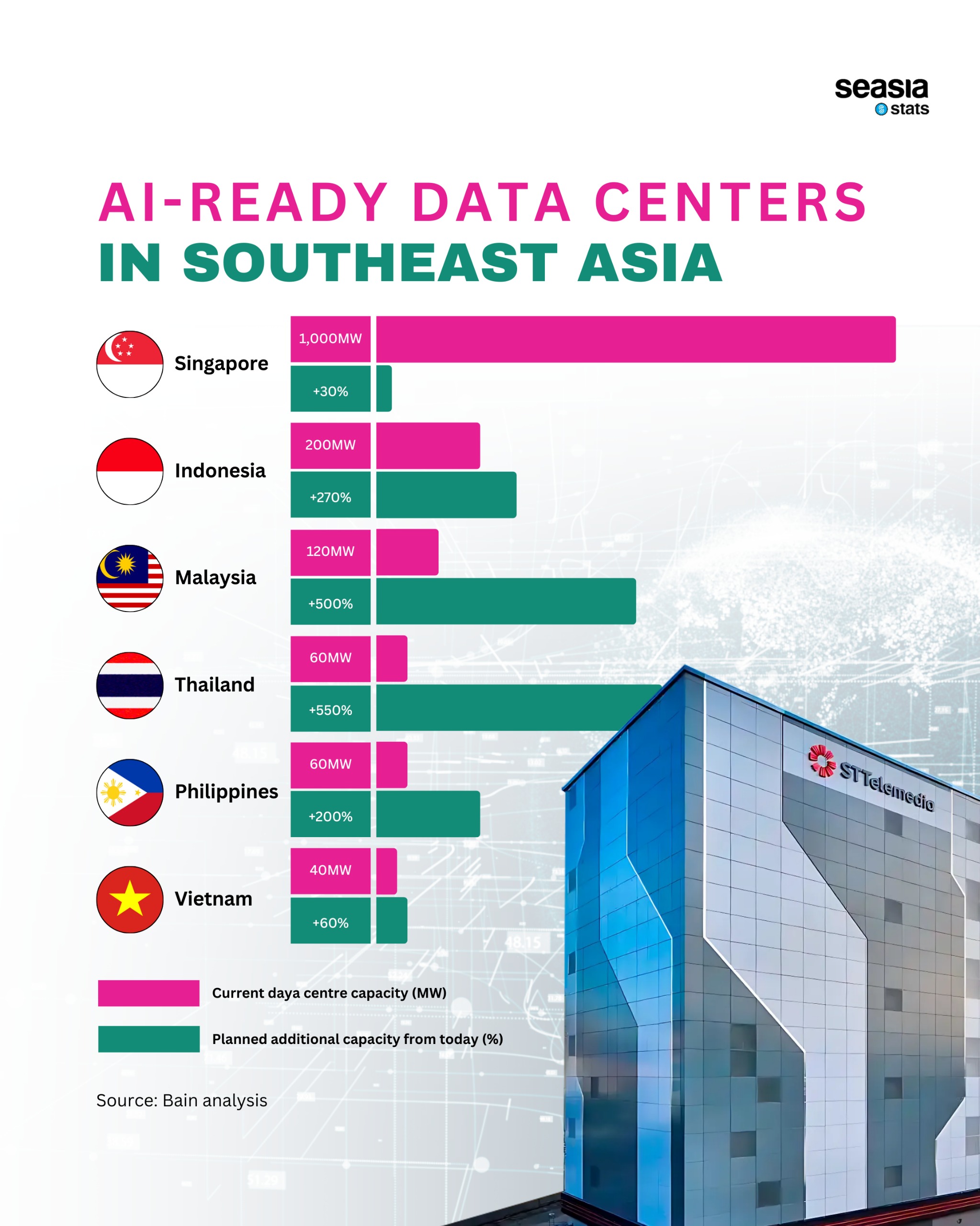
For decades, the Asia-Pacific (APAC) data center market was concentrated in the "Big Four": Singapore, Hong Kong, Tokyo, and Sydney. However, by the mid-2020s, these markets reached a tipping point. Singapore’s power moratorium and land constraints, coupled with geopolitical complexities in Hong Kong and high operational costs in Tokyo, forced a fundamental rethink of where data should live.
The "Asia Kate" approach emerged as the solution. It posits that regional centers—located in cities like Johor Bahru (Malaysia), Jakarta (Indonesia), Bangkok (Thailand), and Chennai (India)—are no longer just "edge" locations. They have become primary processing nodes. The rise of these regional centers is driven by several critical factors:
- AI and High-Density Computing: The 2026 AI boom requires rack densities of 50kW to 100kW, which older facilities in legacy hubs often cannot support without massive retrofitting.
- Land Availability: Regional markets offer the massive footprints required for hyperscale campuses that can span several hundred megawatts.
- Power Sovereignty: As national grids become strained, regional data centers are increasingly co-located with dedicated renewable energy sources, such as solar farms in Vietnam or geothermal plants in Indonesia.
Understanding the Asia Kate Strategic Framework
The Asia Kate framework serves as a technical and investment benchmark used to evaluate the readiness of a regional market to host tier-three and tier-four data centers. It focuses on four "KATE" pillars: Knowledge (local talent pool), AI-Readiness (cooling and power infrastructure), Telecommunications (subsea and terrestrial fiber connectivity), and Energy (sustainability and grid stability).
Knowledge and Local Talent
A significant barrier to regional expansion has historically been the lack of specialized data center technicians and engineers in secondary cities. In 2026, the Asia Kate initiative has seen major providers like Equinix and AirTrunk partner with local universities in markets like Malaysia and Vietnam to create a pipeline of "data-literate" workers capable of managing complex liquid-cooling systems and automated facility management tools.
AI-Readiness and Infrastructure
The rise of regional centers is inextricably linked to AI. Unlike traditional cloud workloads, AI training requires immense computational power but is less sensitive to the millisecond latencies required by financial trading. This allows developers to build massive "training clusters" in regional areas where power is cheaper and land is abundant, while keeping "inference" engines closer to the end-users in the cities.
Key Geographic Players in the Regional Shift
The transition toward regional centers is not uniform across the continent. Several key locations have emerged as the primary beneficiaries of the Asia Kate shift, each offering unique strategic advantages.
| Region/City | Primary Driver | 2026 Estimated Capacity | Key Advantage |
|---|---|---|---|
| Johor Bahru, Malaysia | Singapore Overflow | 1.2 GW+ | Proximity to Singapore; lower land cost; robust power. |
| Jakarta, Indonesia | Consumer Population | 800 MW | Massive domestic market; growing tech ecosystem. |
| Bangkok, Thailand | Connectivity Hub | 450 MW | Strategic position between East and West; government incentives. |
| Chennai, India | Subsea Landing Point | 950 MW | Direct link to Europe and SE Asia; massive AI development. |
| Batam, Indonesia | Special Economic Zone | 350 MW | Digital bridge between Indonesia and Singapore; tax benefits. |
The Johor-Singapore Corridor
Perhaps the most visible success of the Asia Kate movement is the Johor Bahru cluster. Functioning as a "twin city" to Singapore, Johor has absorbed the demand that Singapore’s grid could no longer handle. In 2026, the Johor-Singapore Special Economic Zone (JS-SEZ) has streamlined cross-border data flow, allowing companies to maintain their headquarters in Singapore while hosting their massive server arrays just across the causeway.
The Rise of Jakarta and Batam
Indonesia has transitioned from a localized market to a regional powerhouse. With its "Data Sovereignty Law," the Indonesian government has mandated that certain types of citizen data remain within national borders. This has spurred a construction boom in Jakarta and the Batam Islands. Batam, in particular, has become a green data center hub, utilizing solar energy to power facilities that serve both the Indonesian and Singaporean markets.
Technical Specifications: Power, Cooling, and Connectivity
Building a data center in a regional market presents technical challenges that differ from those in established hubs. The Asia Kate standards emphasize high-performance computing (HPC) requirements.
Advanced Cooling Solutions
In the tropical climates of Southeast Asia, maintaining a low Power Usage Effectiveness (PUE) is a significant challenge. By 2026, regional centers have moved away from traditional air cooling toward Direct-to-Chip (DTC) and Immersion Cooling. These technologies are essential for the high-density racks required by modern AI applications, allowing facilities in hot, humid climates to operate efficiently without excessive water consumption.
Subsea Cable Integration
Regional centers are only as good as their connection to the global backbone. The rise of these centers has been mirrored by an explosion in subsea cable investments. Projects like the Echo and Bifrost cable systems are providing direct, high-capacity links between North America and regional hubs in Indonesia and the Philippines, bypassing the traditional congestion points.
Sustainability: The "Energy" Pillar of Asia Kate
Sustainability is no longer optional in 2026. The Asia Kate framework places a heavy emphasis on 24/7 Carbon-Free Energy (CFE). Regional data centers are increasingly being built as part of "Integrated Energy Parks."
In these parks, the data center operator works directly with renewable energy providers to ensure that the facility’s load is matched by local green generation. For example, in Vietnam, the implementation of Direct Power Purchase Agreements (DPPAs) has allowed data center operators to buy solar and wind energy directly from private farms, bypassing the state grid’s carbon-heavy mix. This trend is vital for multinational corporations aiming to meet their Net-Zero targets while expanding their footprint in Asia.
Common Pitfalls in Regional Expansion
Despite the growth, expanding into regional markets via the Asia Kate blueprint involves significant risks. Navigating local regulatory environments remains the most common hurdle.
- Regulatory Fragmentation: Each regional market has its own set of compliance standards, ranging from the Personal Data Protection Act (PDPA) in Thailand to specific local content requirements in Indonesia.
- Grid Stability: While power is more available in regional areas, the reliability of the grid can vary. Leading operators solve this by investing in onsite battery storage and microgrid technologies.
- Latency Miscalculations: Moving data centers to regional hubs requires a sophisticated understanding of fiber paths. A "regional" center that adds 20ms of latency might be unacceptable for real-time applications like autonomous driving or high-frequency trading.
FAQ
What is the "Asia Kate" shorthand in the data center industry?
It refers to the Asia-Pacific Key Asset and Technical Evolution, a set of strategic and technical standards used in 2026 to guide the expansion of high-capacity data centers into regional, secondary markets beyond the traditional hubs of Singapore and Tokyo.
Why are data centers moving out of Singapore?
Singapore faces significant land and power constraints. While the moratorium on new data centers was eased, the strict criteria for PUE and green energy availability make it difficult for massive hyperscale projects to expand there, leading them to look at nearby regional alternatives like Johor and Batam.
How does AI impact regional data center growth?
AI workloads require extremely high power density and specialized cooling. Regional centers offer the space and power infrastructure necessary for these requirements, whereas older facilities in established cities often lack the physical capacity to support AI-grade hardware.
Are regional data centers more sustainable?
Not inherently, but the "Asia Kate" framework encourages building in locations where renewable energy—such as geothermal in Indonesia or solar in Malaysia—is more accessible and can be directly integrated into the facility’s power supply.
Is latency an issue for regional centers?
For many modern applications, the latency between a regional hub (like Johor) and a major center (like Singapore) is negligible (often sub-5ms). However, for AI training and bulk cloud storage, these small differences are less critical than the availability of cheap, scalable power.
Practical Recommendations for 2026
For organizations looking to capitalize on the rise of regional data centers, the next steps should focus on geographical diversification and infrastructure flexibility.
- Audit Your Workloads: Separate your "latency-sensitive" data (keep in Tier 1 hubs) from your "power-intensive" AI and storage workloads (move to Regional KATE hubs).
- Prioritize Sovereign Compliance: Ensure that your regional provider has a deep understanding of local data residency laws, especially in Indonesia and India.
- Invest in Hybrid Cooling: As regional climates vary, choose facilities that offer modular cooling options (air, liquid, or immersion) to future-proof your hardware deployments.
- Verify Renewable Sources: When selecting a regional partner, demand transparency regarding their Power Purchase Agreements (PPAs) to ensure your expansion aligns with corporate sustainability goals.
Image Gallery