Navigating When a Car Accident Needs a Lawyer in Detroit
Determining if you need a legal representative after a motor vehicle collision in Detroit requires assessing the complexity of your injuries, the clarity of fault, and the adequacy of insurance settlements under Michigan’s no-fault sys...
Determining if you need a legal representative after a motor vehicle collision in Detroit requires assessing the complexity of your injuries, the clarity of fault, and the adequacy of insurance settlements under Michigan’s no-fault system. You should generally consult an attorney if you face permanent impairment, significant medical debt, or disputes regarding insurance coverage and liability.
Contents
Understanding Michigan’s No-Fault Auto Insurance Framework
To understand why legal intervention becomes necessary, one must first recognize the structure of Michigan's insurance laws. Michigan is a "no-fault" state, meaning that regardless of who caused the accident, your own insurance policy is the primary source of coverage for medical expenses, wage loss, and replacement services.
However, the "no-fault" designation does not mean you can never sue. It simply dictates that your first avenue of financial recovery is your own insurer. When your damages—such as medical costs or income loss—exceed the limits of your policy or fall into specific categories, you may need to pursue a "third-party" claim against the at-fault driver. Navigating the threshold between first-party benefits and third-party liability is a technical process that often necessitates professional legal guidance.
Identifying Scenarios That Mandate Legal Representation
While minor accidents resulting in property damage only can often be settled through standard insurance claims, specific conditions frequently arise that require an attorney's intervention to protect your financial interests.
Severe or Permanent Injuries
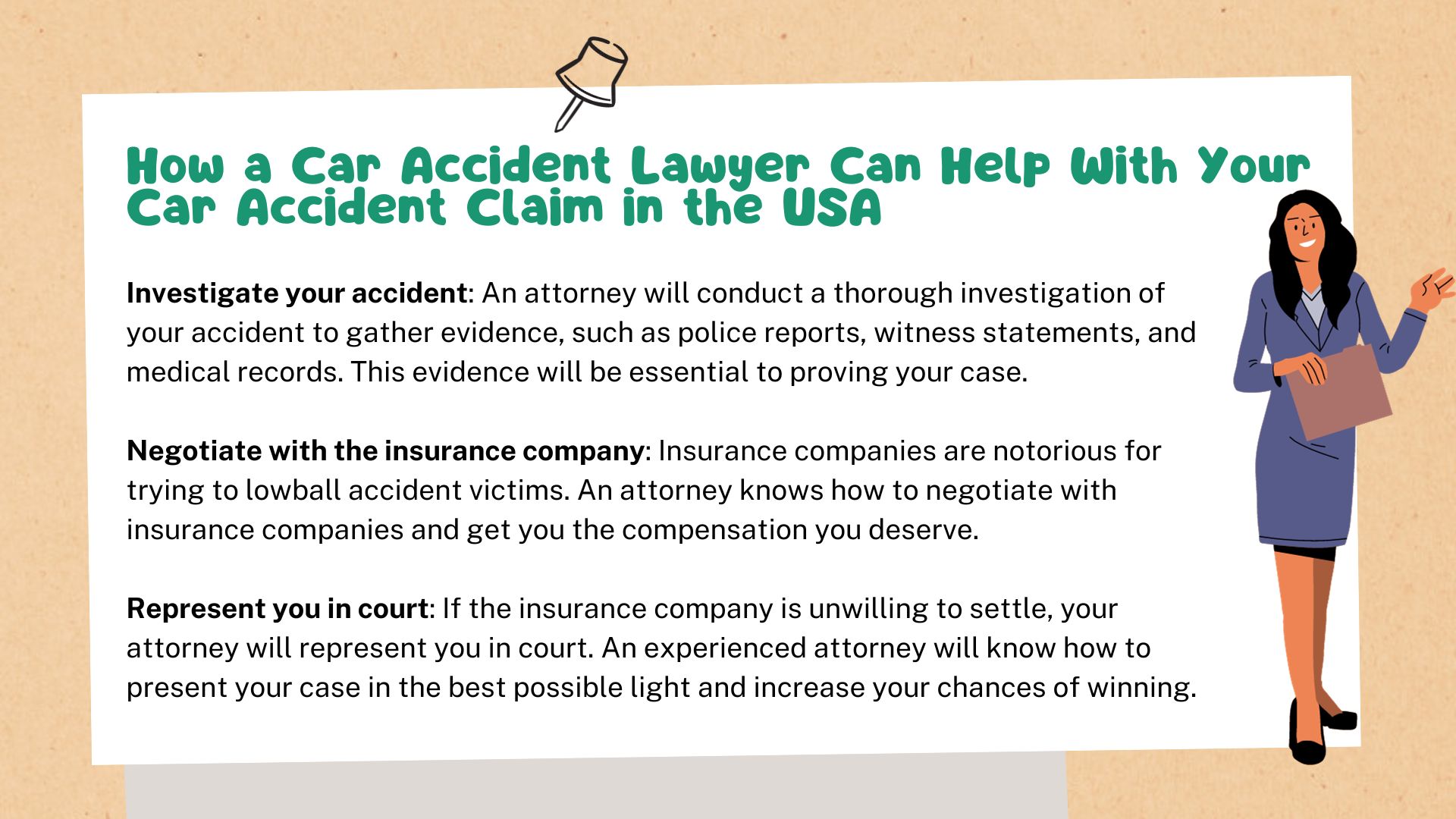
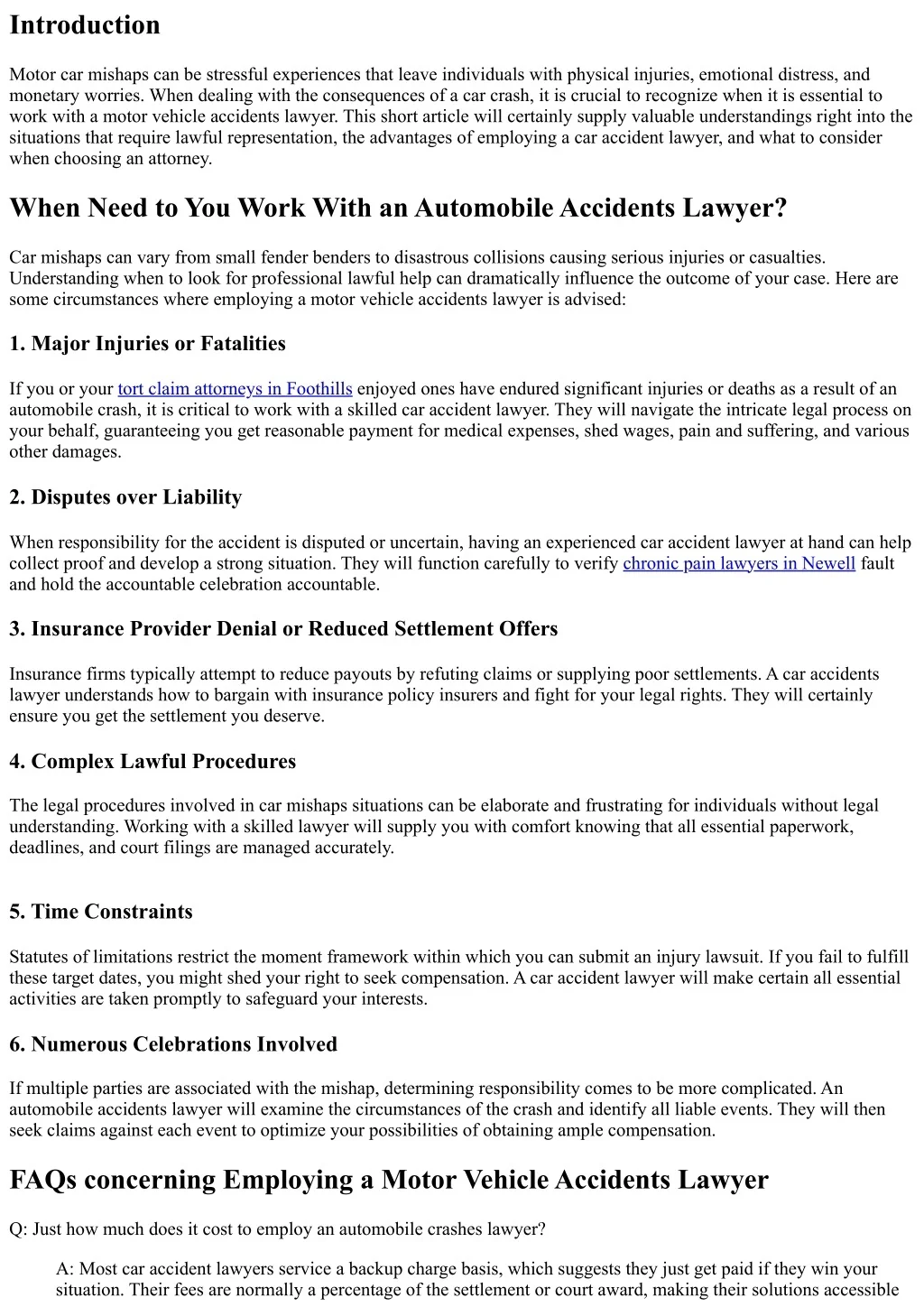
If an accident leads to a serious impairment of body function, permanent serious disfigurement, or death, the legal stakes increase significantly. Insurance companies often aggressively challenge the severity of injuries to minimize payouts. An attorney helps in gathering expert medical testimony, documenting the long-term impact on your quality of life, and calculating future care costs, which are essential for securing a fair settlement or verdict.
Disputes Over Fault and Liability
Even in a no-fault system, proving the other driver was at fault remains critical for recovering non-economic damages (such as pain and suffering). If the insurance company denies your claim, blames you for the accident, or alleges that your injuries are pre-existing, an attorney becomes vital. They conduct a thorough investigation, secure police reports, interview witnesses, and analyze traffic patterns to establish liability.
Complications with Insurance Claim Denials
Insurance providers are businesses designed to manage risk, and they may occasionally deny valid claims for benefits or offer settlements that do not cover the full scope of your medical needs. If you receive a denial letter or a settlement offer that feels inadequate, a lawyer can draft a formal demand for payment, negotiate on your behalf, and, if necessary, initiate litigation to hold the insurer accountable to the terms of your policy.
Comparative Assessment: When to Handle It Alone vs. Seeking Counsel
The table below outlines common scenarios to help you evaluate whether your situation warrants legal support.
| Scenario | Typical Outcome | When a Lawyer is Recommended |
|---|---|---|
| Minor Property Damage Only | Handled via standard claim process | Rarely needed |
| Soft Tissue Injuries (Whiplash) | Managed by insurance adjusters | If insurer disputes causality or needs |
| Serious Permanent Injury | Requires complex valuation | Highly recommended |
| Contested Liability | Claims often denied by insurers | Essential for investigations |
| Death of a Loved One | Requires probate and wrongful death law | Essential for legal compliance |
| Settlement Offer is Low | Negotiated by policyholder | Recommended to maximize recovery |
The Role of Investigative Evidence
In Detroit, establishing a strong case often relies on immediate and accurate collection of evidence. The urban infrastructure, including traffic signals, road maintenance conditions on major arteries like I-94 or the Lodge, and the prevalence of surveillance cameras, can provide critical data. A legal team typically manages the preservation of these materials, which may include:
- Medical Records: Chronological documentation of every treatment, diagnosis, and prescription related to the accident.
- Evidence of Negligence: Dashcam footage, traffic camera data, and testimony from witnesses who observed traffic violations.
- Economic Impact Data: Pay stubs, tax records, and projections of future lost wages that go beyond the standard statutory periods.
Steps to Take Immediately Following a Detroit Accident
Your actions in the minutes and days following an accident influence the viability of a future legal claim. First, prioritize safety and medical attention; your health records are the primary evidence of your damages. Second, report the accident to the Detroit Police Department or Michigan State Police to ensure an official record exists. Finally, avoid providing recorded statements to insurance companies until you have consulted with an attorney, as these statements are often used to limit your recovery.
Common Pitfalls and How to Avoid Them
Many claimants inadvertently weaken their position by failing to follow through with physician-recommended treatments or by missing strict notification deadlines. Under Michigan law, there are specific statutes of limitations for filing claims against at-fault drivers and time windows for filing applications for no-fault benefits. An attorney ensures that all mandatory filings are submitted within these statutory periods. Additionally, failing to disclose accurate information to your own insurance provider can lead to a denial of benefits; professional counsel helps you navigate your disclosure obligations without inadvertently harming your case.
Frequently Asked Questions
Does a lawyer cost more than the settlement I might receive? Most auto accident attorneys in Detroit operate on a contingency fee basis. This means they receive a percentage of the recovery only if they win your case. You should always discuss the fee structure during your initial consultation to understand the terms clearly.
What is the "threshold" for suing for pain and suffering in Michigan? Michigan law requires that an injury meets a "serious impairment of body function" threshold to recover non-economic damages. This is a legal standard, not just a medical one, and lawyers are equipped to argue why your specific injuries meet this statutory criteria.
Can I switch lawyers if I am unhappy with my current representation? Yes, you have the right to change legal counsel at any stage of your case. However, doing so may involve complexities regarding the division of fees between your former and new attorney, so it is best to consult with a new lawyer about this process before making a transition.
Do I need a lawyer even if the other driver was clearly at fault? Even with clear fault, insurance companies may dispute the value of your claim. A lawyer ensures that you are not low-balled on your medical expenses, wage losses, and long-term damages, regardless of how obvious the fault may seem.
How does living in Detroit affect my car accident claim? Detroit has specific local traffic dynamics and infrastructure challenges. Legal counsel familiar with the local courts and the specific insurance landscape in the city can navigate these nuances more effectively than someone unfamiliar with the region’s legal environment.
Professional Guidance and Next Actions
If you determine that your accident involves significant injury or complex liability, your next step should be to schedule a consultation with a qualified personal injury attorney. During this meeting, bring all documents related to the accident, including your police report, medical records, and correspondence with insurance companies. This initial assessment will help clarify your legal position and determine the best path forward for your specific circumstances.
Disclaimer: This article provides general information and does not constitute legal advice. Laws regarding no-fault insurance and tort claims are subject to change and individual interpretation. Always consult with a licensed attorney in your jurisdiction regarding the specifics of your case.
Image Gallery