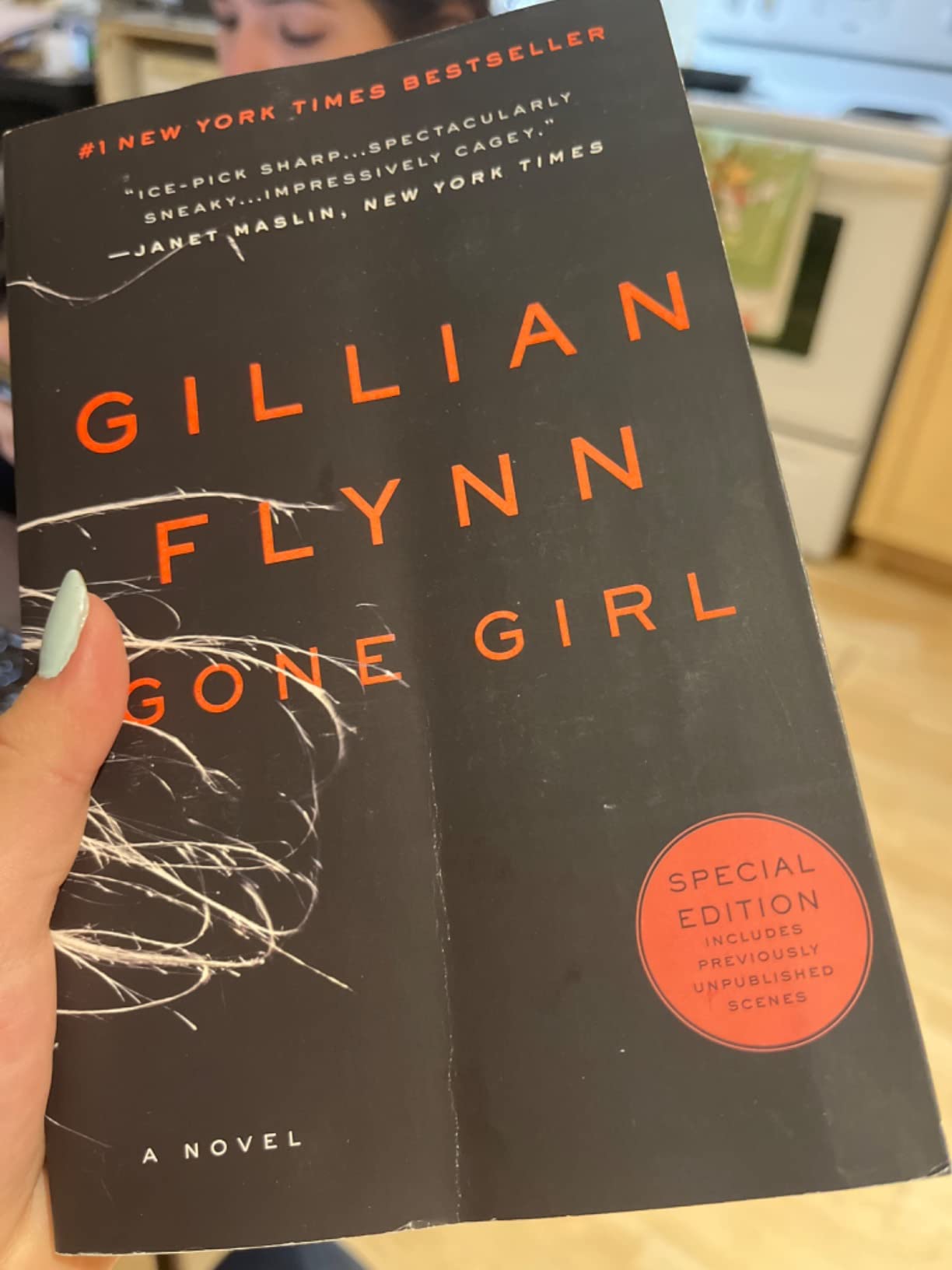
The Evolution of the Unreliable Narrator: Explaining the Twist in the Gone Girl Novel
The central twist in Gillian Flynn’s 2012 novel Gone Girl occurs at the midpoint, revealing that the protagonist’s wife, Amy Dunne, is alive and has meticulously staged her own disappearance. The "Diary Amy" readers followed in the fir...
The central twist in Gillian Flynn’s 2012 novel Gone Girl occurs at the midpoint, revealing that the protagonist’s wife, Amy Dunne, is alive and has meticulously staged her own disappearance. The "Diary Amy" readers followed in the first half is a fabricated persona created to frame her husband, Nick, for her murder as punishment for his infidelity and emotional neglect.
Contents
Since its publication, Gone Girl has become a cultural touchstone for the "domestic thriller" genre. By 2026, the novel’s influence on literature and film remains a subject of intense study, particularly regarding its use of the dual-narrator structure to manipulate reader empathy. Understanding the twist requires a deep dive into the psychological warfare between Nick and Amy Dunne and the literary mechanics Gillian Flynn used to execute one of the most famous reveals in modern fiction.
The Dual Narrative: Setting the Trap for the Reader
To understand why the twist is so effective, one must first analyze the structure of the novel's first half. Flynn employs a alternating perspective: Nick Dunne provides a present-tense account of the days following Amy’s disappearance, while Amy provides a past-tense account through her diary entries.
The Construction of "Diary Amy"
In the first half of the book, the diary entries paint Amy as a sympathetic, brilliant, yet increasingly fearful woman. She describes a whirlwind romance in New York City that slowly soured after the couple moved to North Carthage, Missouri. The diary documents Nick’s transition from a charming husband into an aggressive, resentful man. By the time the diary ends, the reader is led to believe that Amy feared for her life, providing a motive for the police—and the reader—to suspect Nick of foul play.
The Present-Day Nick
Simultaneously, Nick’s present-day narrative reveals him to be an unlikable, though not necessarily murderous, figure. He is caught in lies, hides his emotions from the police, and eventually reveals that he was having an affair with a 23-year-old student, Andie. This behavior reinforces the "Diary Amy" narrative, making the audience believe they are witnessing the aftermath of a domestic homicide committed by a failing husband.
The Midpoint Reveal: "I Am So Much More Efficient"
The "twist" occurs in Part Two, titled "Boy Meets Girl." The narrative shifts to the "Real Amy," who is very much alive and driving toward a rental cabin in the Ozarks. She reveals that the diary the reader has been consuming for hundreds of pages was a forgery—a literary performance designed to ensure Nick’s conviction and eventual execution.
The Deconstruction of the "Cool Girl"
One of the most famous passages in the novel—and perhaps in 21st-century literature—is the "Cool Girl" monologue. Amy explains that during their courtship, she performed the role of the "Cool Girl": the woman who loves football, beer, and high-calorie food while remaining thin, beautiful, and unfazed by her husband’s flaws.
Amy’s realization that Nick eventually stopped trying to be the man she wanted led her to stop being the "Cool Girl." When Nick’s resentment grew and he began an affair, Amy decided that simply divorcing him was insufficient. She sought to destroy him by utilizing his own flaws against him in a public, legal, and psychological arena.
The Mechanics of the Frame-Up
Amy’s plan was not a spur-of-the-moment decision; it was a masterclass in forensic manipulation. By 2026, crime fiction analysts often point to Gone Girl as the gold standard for "the long-game" antagonist.
- Financial Sabotage: Amy used Nick’s credit cards to purchase expensive, luxury items (electronics, high-end toys) and hid them in his sister Margo’s woodshed. This created a paper trail of a husband spending his wife’s money behind her back.
- The Blood Scene: Amy meticulously bled herself over several weeks, storing the blood in a refrigerator. On the morning of her "disappearance," she splashed the blood in the kitchen and attempted to clean it up poorly, knowing the police would find the traces using luminol.
- The Treasure Hunt: Every year on their anniversary, Amy created a treasure hunt for Nick. For their fifth anniversary (the day she disappeared), she designed the clues to lead the police directly to the evidence of his "guilt."
- Medical Records: Amy befriended a neighbor and faked a pregnancy, knowing that the "murder" of a pregnant wife would carry more weight in the court of public opinion and the legal system.
| Element of Deception | Purpose in the Frame-Up | The Reality Revealed in Part Two |
|---|---|---|
| The Diary | To provide a motive and history of abuse. | A complete forgery written specifically for the police. |
| Staged Living Room | To suggest a violent struggle and kidnapping. | Amy flipped a table and broke a lamp herself before leaving. |
| Credit Card Debt | To show Nick was financially desperate. | Amy made the purchases using Nick's credentials. |
| The "Diary" Friends | To create witnesses to Nick's "temper." | Amy manipulated neighbors into believing Nick was aggressive. |
The Second Twist: The Desi Collings Pivot
While the initial twist is Amy’s survival, the novel introduces a secondary complication when Amy’s plan goes awry. While hiding at a low-rent campground, she is robbed by two fellow residents who realize she has a significant amount of cash. This leaves her destitute and unable to complete her original plan of committing suicide to "seal" Nick’s fate.
Desperate, she contacts an old flame, Desi Collings. Desi is a wealthy, obsessive man who has stalked Amy in the past. He hides her in his lake house, but he attempts to control her, effectively turning her into a "kept" woman. To escape this new cage and return to Nick (who has since gone on national television to "confess" his love for her in a bid to draw her out), Amy performs a second, even more violent frame-up.
She murders Desi in his bed, making it look like he kidnapped and raped her. She then returns home covered in his blood, positioning herself as the triumphant victim who fought her way back to her husband.
The Resolution: Why the Twist Leads to a Dark Ending
The final twist of the novel is not about identity or survival, but about the permanent nature of the bond between Nick and Amy. Upon her return, Nick knows that she is a murderer and that she framed him. He intends to leave her and tell the truth.
However, Amy reveals her final move: she has used Nick’s stored sperm from a fertility clinic to impregnate herself. Nick is faced with an impossible choice: leave and let his child be raised by a sociopath, or stay and play the role of the happy husband for the rest of his life.
The novel ends with the two of them trapped in a "mutually assured destruction" marriage. The twist isn't just that Amy is alive; it's that she "won" by forcing Nick to become the very man she invented in her fake diary.
Frequently Asked Questions
Is the twist in the Gone Girl book different from the movie?
The core twist—that Amy is alive and framing Nick—is identical in both the 2012 novel and the 2014 film adaptation. However, the book provides significantly more internal monologue regarding Amy's "Cool Girl" philosophy and the specific forensic steps she took to ensure Nick would be sentenced to death.
Why did Amy choose to return to Nick instead of staying hidden?
Amy returned because she saw Nick on a talk show (the Ellen Abbott show surrogate) behaving exactly like the man she originally fell in love with. She realized that by framing him, she had "refined" him back into his best self. Additionally, after being robbed and then trapped by Desi, she saw Nick as the only person who truly understood her intellect and capacity for darkness.
Does Nick Dunne actually go to jail?
In the novel, Nick is never officially charged with murder because Amy "returns from the dead." However, he is functionally a prisoner in his own home. By 2026, literary critics often cite the ending as a subversion of the "justice" trope in thrillers; the villain isn't punished by the law, but rather rewarded with the life she wanted.
Did Amy Dunne really love Nick?
Amy’s version of love is rooted in power and performance. She loved the version of herself that Nick brought out when they first met. Her actions are an attempt to force him back into that role. Whether this qualifies as "love" or "obsession" is one of the central debates for readers of the book.
What happened to the "Diary Amy" in the end?
"Diary Amy" exists as the public record. Because the police and the public believe the diary was real, Nick can never tell the truth about his wife without looking like a delusional abuser. The fake persona Amy created effectively replaced her real identity in the eyes of the world.
Final Recommendation for Readers
If you have only seen the film, reading the novel Gone Girl is highly recommended to understand the depth of the twist. Gillian Flynn's prose provides a psychological roadmap that explains how Amy's mind works, which is often lost in visual media. For those interested in the craft of writing, the book serves as a primary text on how to successfully execute a midpoint shift in perspective without alienating the audience.
Image Gallery