Is It Illegal to Waive Auto Insurance Deductible in Texas?
Waiving an auto insurance deductible in Texas is illegal for a body shop or mechanic when handled through inflated insurance claims, as this practice constitutes insurance fraud. However, an insurance company itself legally waives a de...
Waiving an auto insurance deductible in Texas is illegal for a body shop or mechanic when handled through inflated insurance claims, as this practice constitutes insurance fraud. However, an insurance company itself legally waives a deductible under specific circumstances, such as when another driver is entirely at fault and their liability carrier covers the damages, or when a policy includes a specialized vanishing deductible endorsement.
Contents
Navigating the rules surrounding auto insurance deductibles requires a clear understanding of Texas insurance statutes, state regulations, and the mechanics of collision and comprehensive claims. For motorists in the Lone Star State, distinguishing between legal policy provisions and fraudulent shop practices protects against severe legal and financial consequences.
Understanding Auto Insurance Deductibles in Texas
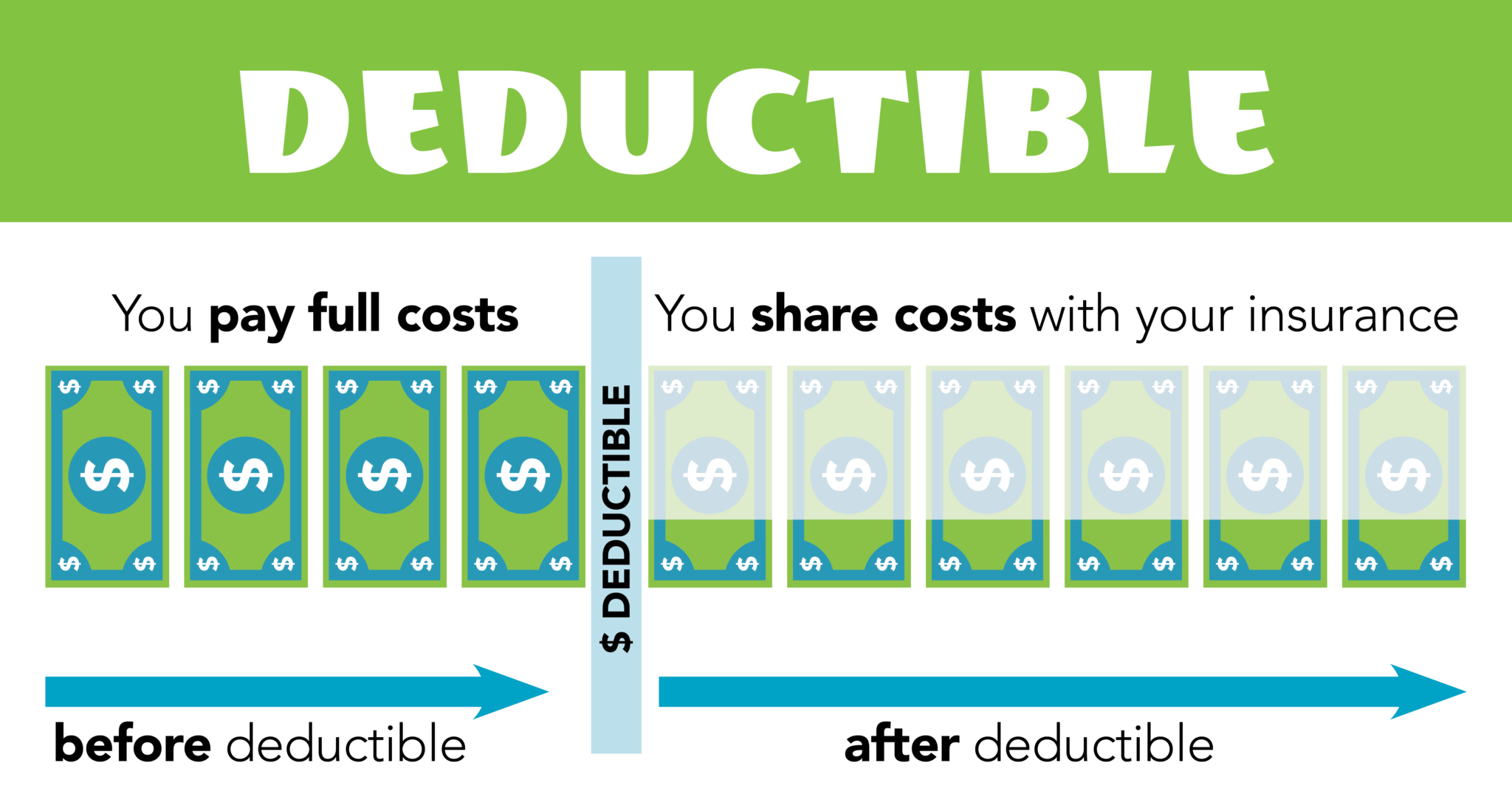
A deductible represents the predetermined out-of-pocket amount a policyholder agrees to pay toward a physical damage claim before their insurance coverage kicks in. For example, if a vehicle sustains $3,000 worth of hail damage and the policy carries a $500 comprehensive deductible, the insurer pays $2,500, and the policyholder pays the remaining $500 to the repair facility.
In Texas, auto insurance policies governed by the Texas Department of Insurance (TDI) outline these deductibles clearly within the declarations page. Policyholders choose these amounts when purchasing coverage, balancing higher premiums with lower deductibles or vice versa. The existence of this financial threshold is designed to prevent small claims and ensure the insured shares a portion of the financial risk.
When a vehicle requires repairs, the total cost is divided between the insurer's payout and the insured's deductible. Problems arise when third parties—most commonly auto repair shops—offer to absorb, absorb part of, or "waive" that out-of-pocket obligation to secure repair business.
The Legal Status of Repair Shops Waiving Deductibles
The central legal question regarding waived deductibles usually involves auto body repair shops offering incentives such as "free deductibles" or promises to "pay your deductible for you." Under Texas law, these promotional offers cross the line into illegal activity.
Insurance Fraud and Texas Law
Under the Texas Penal Code (specifically Section 32.42 relating to deceptive business practices and Section 35.02 relating to insurance fraud), it is illegal to submit a claim to an insurance company that misrepresents the actual cost of repairs.
When a body shop agrees to waive a $500 deductible, they typically inflate the repair estimate submitted to the insurance company by that exact $500 amount. For instance, if the legitimate repair cost is $4,000, the shop might bill the insurer $4,500, absorb the $500 deduction, and collect the inflated total.
This practice involves:
- Submitting a false or misleading invoice to an insurer.
- Collusion between the repair facility and the vehicle owner to deceive the insurance company.
- Inflating the pool of losses, which ultimately drives up insurance rates for all consumers in Texas.
Statutory Penalties for Consumers and Shops
Both the auto body shop and the vehicle owner can face serious legal fallout if caught engaging in deductible-absorption schemes. For the repair facility, this can mean criminal fraud charges, loss of business licenses, and civil liability. For the policyholder, participating in the scheme—such as signing a work order that does not reflect reality or knowingly allowing an inflated bill to be submitted—constitutes insurance fraud, a felony offense in Texas depending on the financial value involved.
When Deductible Waivers Are Completely Legal
While a body shop cannot unilaterally forgive a deductible by manipulating an invoice, there are several standard, entirely legal scenarios where a deductible is waived or recovered.
1. The At-Fault Driver's Liability Coverage
If another motorist causes an accident and accepts or is assigned 100% liability, the victimized driver does not need to pay their own collision deductible out of pocket. Instead, the claim is filed against the at-fault driver's property damage liability insurance. The third-party insurer pays the total repair cost without applying the claimant's deductible.
2. Subrogation Recovery
When a policyholder utilizes their own collision coverage to expedite repairs after an accident caused by an uninsured motorist or a disputable third party, they initially pay their deductible. However, if their insurance company successfully pursues the responsible party or their insurer through a legal process known as subrogation, the insurance company will typically reimburse the policyholder for their out-of-pocket deductible amount.
3. Vanishing or Bonus Deductibles
Many modern auto insurance policies sold in Texas feature a "vanishing deductible" or "disappearing deductible" endorsement. This is a contractual reward system where the insurer reduces the deductible amount by a specific increment (such as $100) for every consecutive year or period the policyholder maintains a clean driving record without accidents or claims. This reduction is explicitly built into the insurance contract, funded by policy terms, and entirely legal.
4. Windshield Repair and Comprehensive Waivers
Texas law permits insurers to offer specific endorsements or policy options for glass damage. In many cases, if a windshield can be repaired rather than entirely replaced, comprehensive insurance covers the full cost without requiring the insured to pay a deductible, provided the policy includes full glass coverage.
| Scenario | Is the Deductible Waived? | Legal Status | Mechanism |
|---|---|---|---|
| Shop Offers "Free Deductible" | Yes | Illegal | Inflating the repair bill submitted to the insurer. |
| Third-Party Liability Claim | Yes | Legal | At-fault driver's insurance pays total cost. |
| Successful Subrogation | Yes (Reimbursed) | Legal | Insurer recovers funds from at-fault party and returns deductible. |
| Vanishing Deductible Program | Yes | Legal | Contractual reward for safe driving over time. |
| Full Glass Coverage Repair | Yes | Legal | Policy endorsement waives deductible for windshield repairs. |
Common Red Flags and Consumer Protection
Unscrupulous repair shops use various marketing tactics to attract customers by targeting their reluctance to pay out-of-pocket costs. Recognizing these red flags prevents unintended legal exposure.
Recognizing Predatory Repair Practices
- "We'll Beat Your Deductible": Advertisements or verbal promises offering to cover, pay, or match the exact amount of an insurance deductible are strong indicators of potential fraud.
- Blank Work Orders: Asking a customer to sign a blank authorization form or an estimate that lacks itemized parts and labor totals.
- Cash Back Offers: Proposing to write the repair estimate high enough to give the vehicle owner cash back after paying the shop. Under Texas law, any cash-back arrangement derived from an insurance claim payout is illegal.
Consumer Responsibilities Under Texas Regulations
Vehicle owners in Texas maintain legal responsibility for the accuracy of any claims submitted on their behalf. Reviewing the final repair bill, comparing it against the insurance adjuster's estimate, and ensuring that no unauthorized charges or inflated line items appear protects the policyholder from accusations of insurance fraud. If a repair shop suggests manipulating paperwork to bypass a deductible, motorists should report the business to the Texas Department of Insurance or the Office of the Attorney General.
Frequently Asked Questions
Can a body shop legally discount my bill by the amount of my deductible?
A body shop can offer legitimate discounts on labor or parts, but those discounts must apply to the entire bill transparently. They cannot use a discount specifically to offset or "absorb" an insurance deductible while simultaneously billing the insurance company for the full, non-discounted amount. Doing so misrepresents the actual cost of repairs to the insurer.
What happens if I accidentally used a shop that waived my deductible?
If a motorist unknowingly utilized a shop that engaged in fraudulent deductible absorption, they should contact their insurance company immediately to clarify the billing details. Rectifying discrepancies before an investigation begins helps demonstrate a lack of intent to commit fraud, though the insured may still be required to pay their legitimate deductible amount.
Does Texas law require insurance companies to waive deductibles during natural disasters?
No. Following severe weather events such as hailstorms or hurricanes, standard insurance deductibles—including specialized windstorm or comprehensive deductibles—remain fully enforceable unless a specific legislative emergency order or statutory amendment dictates otherwise. Insurers are legally bound to apply the deductible specified in the policy contract.
Can I negotiate my deductible amount with my insurance company after an accident?
No. The deductible is a binding contractual term established when the policy is purchased or renewed. An insurance company cannot alter or waive a deductible retroactively for a specific claim outside of what the policy contract explicitly permits through endorsements like vanishing deductibles or third-party liability recovery.
Next Steps and Professional Guidance
For motorists dealing with property damage claims in Texas, verifying repair estimates with the insurance adjuster ensures compliance with state regulations. Policyholders facing complex claims disputes or pressure from third-party repair facilities should consult with licensed insurance agents, consumer protection attorneys, or contact the Texas Department of Insurance Consumer Help Line for official guidance.
Image Gallery