Organic vs Genetically Modified Food: Understanding the Key Differences in Modern Agriculture
Navigating modern food labels requires understanding organic versus genetically modified organisms (GMOs). Organic foods are grown without synthetic fertilizers, chemical pesticides, or genetic modification, adhering to strict regulato...
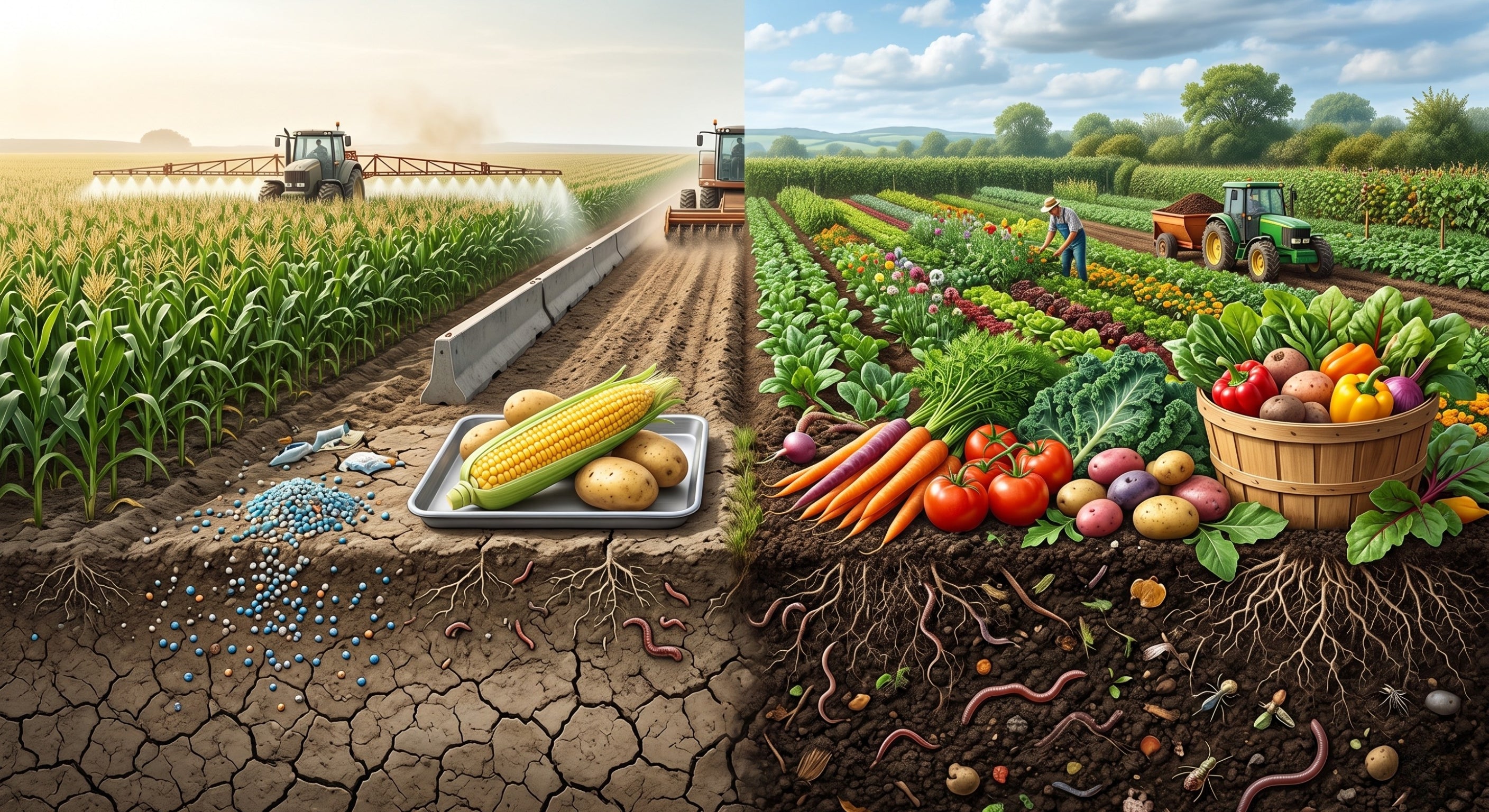
Navigating modern food labels requires understanding organic versus genetically modified organisms (GMOs). Organic foods are grown without synthetic fertilizers, chemical pesticides, or genetic modification, adhering to strict regulatory standards. In contrast, genetically modified foods are scientifically engineered in laboratories to enhance traits such as pest resistance, drought tolerance, and nutritional profile, offering distinct benefits and considerations for producers and consumers.
Contents
Introduction to Modern Agriculture and Food Systems
The global food supply relies on diverse agricultural practices to feed billions of people. As grocery store shelves fill with products bearing labels like "USDA Organic" or "Non-GMO Project Verified," consumers face a dizzying array of choices. To make informed purchasing decisions, it is essential to look past marketing claims and examine the science, regulations, and operational practices behind organic vs genetically modified food.
While both systems aim to provide a safe, abundant food supply, they utilize fundamentally different philosophies and methodologies. Organic farming emphasizes ecological balance, biodiversity, and soil biological activity. Conversely, agricultural biotechnology, or genetic modification (GM), applies modern laboratory techniques to directly alter the genetic makeup of crops and livestock. Understanding these two approaches requires a close look at how they are defined, regulated, and implemented across the agricultural sector.
Defining Organic Food: Standards, Certification, and Practices
Organic agriculture is a holistic production management system that promotes and enhances agro-ecosystem health, including biodiversity, biological cycles, and soil biological activity. In the United States, the United States Department of Agriculture (USDA) National Organic Program (NOP) sets strict legal definitions and standards that farms and processors must meet to label their products as organic.
Core Principles of Organic Farming
To carry the organic seal, agricultural products must be produced using methods that preserve the environment and avoid most synthetic inputs. Key requirements include:
- Prohibition of Synthetic Fertilizers and Pesticides: Farmers must rely on natural methods, such as crop rotation, green manures, compost, and biological pest control, to manage fertility and pests.
- Exclusion of Genetic Engineering: The use of GMO seeds, plants, or ingredients is strictly forbidden in organic production and handling.
- Animal Welfare Standards: Livestock raised for organic meat, eggs, and dairy must have year-round access to the outdoors, be raised on certified organic feed, and cannot be treated with routine antibiotics or synthetic hormones.
- Soil Stewardship: Farmers must actively maintain or improve the physical, chemical, and biological condition of the soil.
Achieving organic certification is a rigorous, multi-year process. Land must be free of prohibited synthetic substances for at least three years before a harvest can be sold as organic. Furthermore, independent third-party certifiers inspect farms and processing facilities annually to ensure ongoing compliance with federal regulations.
Defining Genetically Modified (GM) Food: Science and Technology
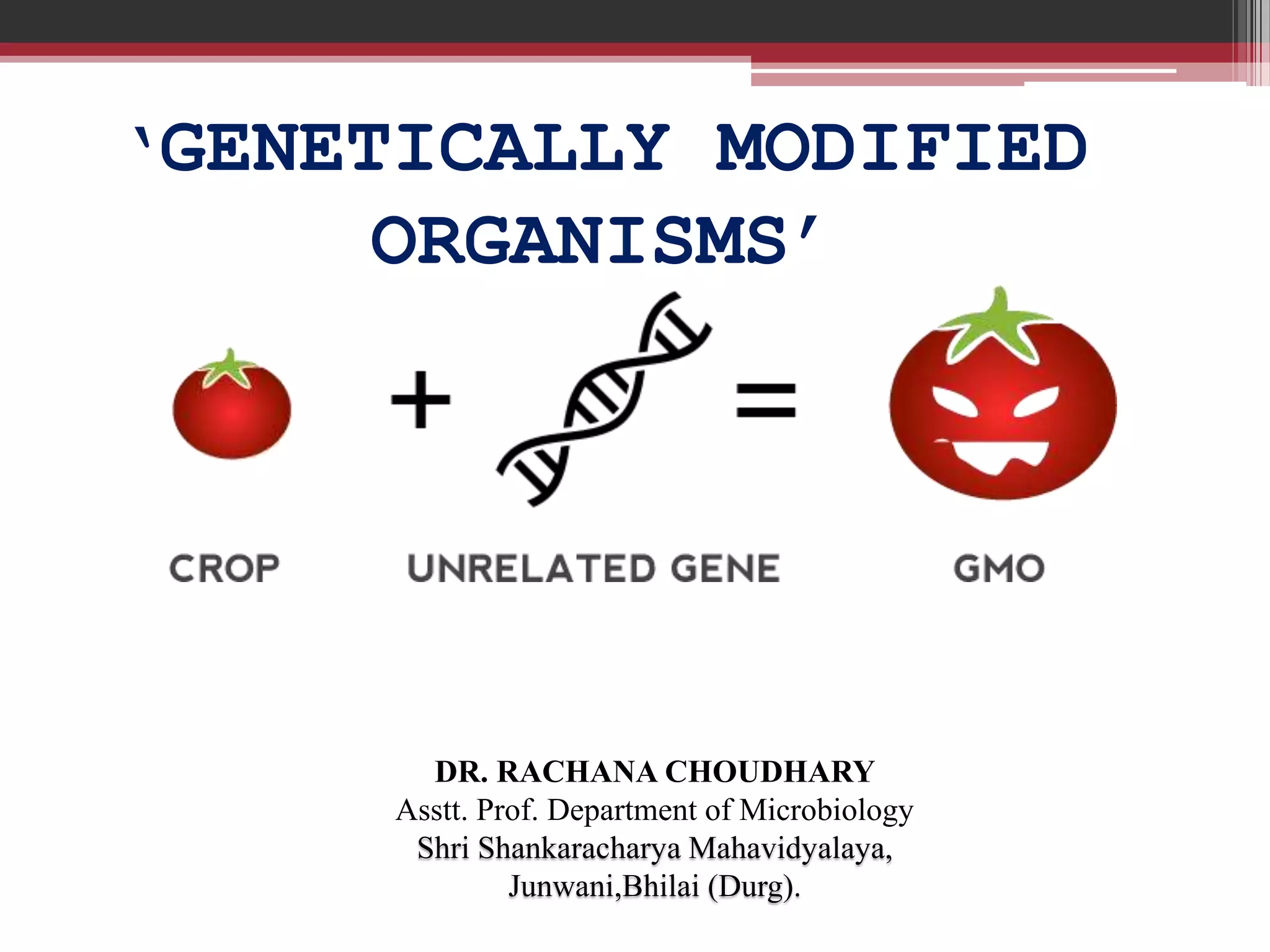
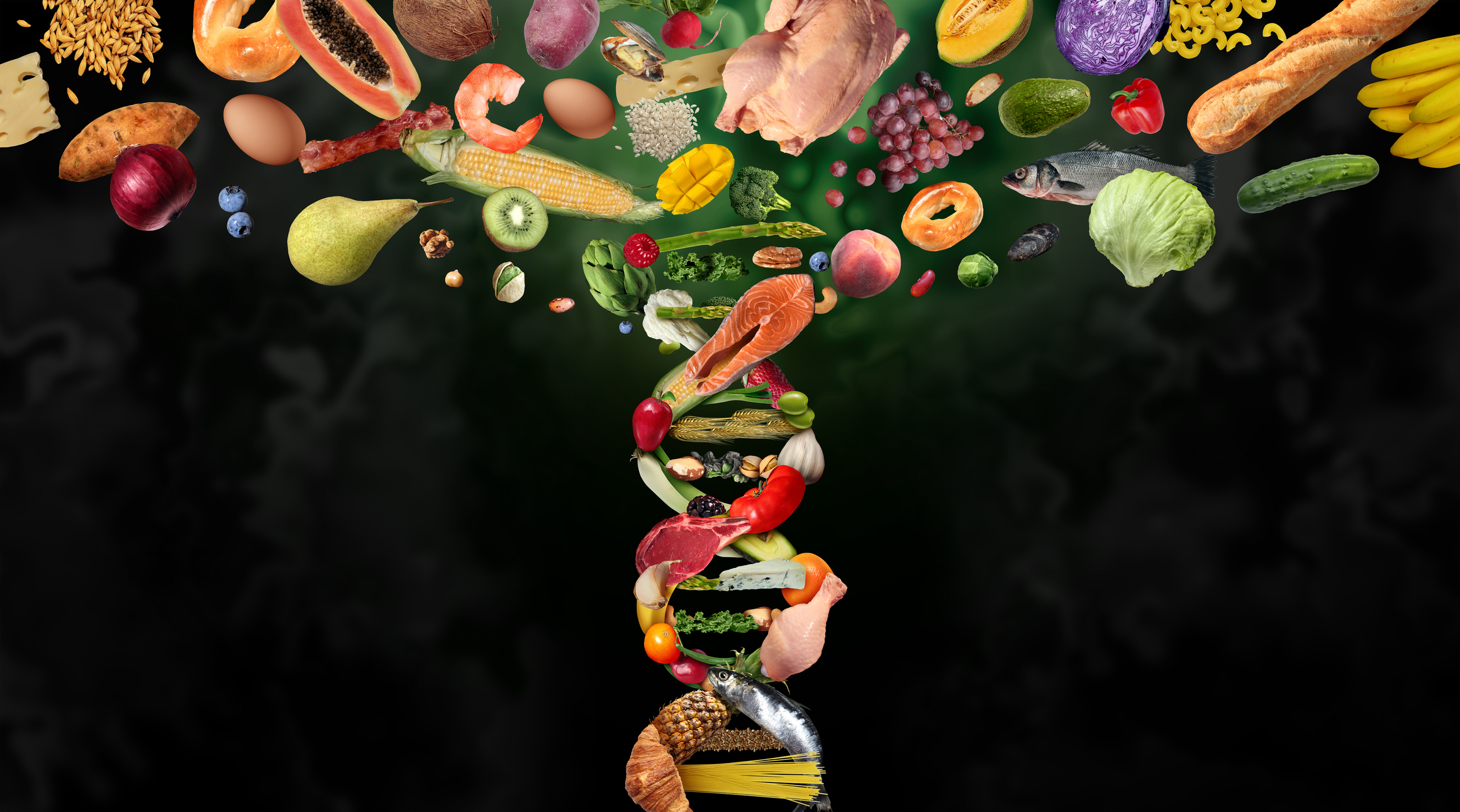
Genetically modified foods are derived from organisms whose genetic material (DNA) has been modified using genetic engineering techniques. Unlike traditional selective breeding, which involves crossing related plants over many generations to combine desirable traits, genetic engineering allows scientists to introduce, remove, or alter specific genes with high precision.
How Genetic Modification Works
The process of creating a genetically modified crop typically involves several precise scientific steps:
- Trait Identification: Researchers identify a specific gene responsible for a desirable trait in another organism, such as a bacterium, virus, or unrelated plant.
- Gene Isolation: Scientists isolate the target gene in a laboratory setting.
- Transformation: The gene is inserted into the DNA of the target crop plant using tools like biolistics (gene gun technology) or Agrobacterium tumefaciens-mediated transformation.
- Testing and Breeding: The newly modified plant cells are regenerated into whole plants, which undergo extensive greenhouse and field testing to ensure the trait functions correctly without unintended changes.
The most common GMO crops grown worldwide include soybeans, corn, cotton, canola, papaya, and sugar beets. These crops are predominantly engineered for two main agronomic traits: insect resistance (often via the incorporation of genes from the soil bacterium Bacillus thuringiensis, or Bt) and herbicide tolerance (allowing farmers to spray fields with weed-killing chemicals without harming the crop).
Regulatory Oversight and Safety Assessments
Both organic and genetically modified foods are subject to rigorous regulatory oversight, though the frameworks focus on different aspects of production and safety.
Safety of Genetically Modified Foods
Before a GMO crop can be commercialized and sold to consumers, it undergoes comprehensive safety evaluations by regulatory agencies such as the U.S. Food and Drug Administration (FDA), the Environmental Protection Agency (EPA), and the U.S. Department of Agriculture (USDA) Animal and Plant Health Inspection Service (APHIS).
- FDA Oversight: Focuses on food and feed safety, evaluating potential allergens, toxicity, and overall nutritional equivalence compared to non-GMO counterparts.
- EPA Oversight: Regulates plant-incorporated protectants (such as Bt proteins) to ensure they pose no unreasonable risks to human health or the environment.
- USDA-APHIS Oversight: Evaluates potential plant pest risks to ensure the engineered crop does not become an invasive agricultural weed or harm other plants.
Scientific consensus from major international organizations—including the World Health Organization (WHO), the American Medical Association (AMA), and the National Academy of Sciences—concludes that currently commercialized GMO foods are as safe to consume as conventionally or organically grown foods.
Regulation of Organic Foods
Organic regulations do not evaluate the final food product for safety in a laboratory setting the way GMO regulations do; instead, they focus on the process of production. The USDA NOP ensures that certified operations adhere strictly to approved input lists and handling procedures. The National Organic Standards Board (NOSB), a federal advisory committee, continuously reviews substances allowed and prohibited in organic farming.
Comparing Organic and Genetically Modified Foods
To clearly understand how organic and GM systems differ in practice, it is helpful to compare them across key agricultural and economic metrics.
| Feature / Metric | Organic Food | Genetically Modified (GM) Food |
|---|---|---|
| Primary Philosophy | Ecological balance, minimal synthetic intervention, soil health. | Technological enhancement, targeted trait breeding, yield optimization. |
| Use of Synthetic Inputs | Strictly prohibited (with rare, highly regulated natural exceptions). | Permitted; often paired with specific chemical herbicides or pesticides. |
| Seed Regulation | Must use certified organic seeds; GMO seeds are banned. | Utilizes patented, engineered seeds developed through biotechnology. |
| Environmental Impact | Focuses on biodiversity and soil organic matter; often requires more land per unit of food produced. | Can reduce tillage and pesticide spray volume for specific traits; raises concerns about weed resistance and biodiversity. |
| Cost to Consumer | Generally higher due to labor-intensive practices and lower yields. | Generally lower due to scalable industrial production and higher yields. |
Environmental and Sustainability Impacts
The debate over organic versus genetically modified food frequently centers on environmental sustainability, land use, and climate resilience. Both systems present distinct ecological trade-offs.
Environmental Aspects of Organic Farming
Organic agriculture generally excels in enhancing local biodiversity, protecting pollinators, and improving soil structure. By avoiding synthetic nitrogen fertilizers, organic farms reduce the risk of chemical runoff into waterways, which can cause hypoxic dead zones in aquatic ecosystems. However, organic farming often yields less per acre than conventional or GM farming. This lower land productivity means that producing the same volume of food via organic methods may require more land overall, potentially offsetting some localized environmental gains through increased land conversion.
Environmental Aspects of GMOs
Genetically modified crops have transformed pest management and tillage practices. Herbicide-tolerant crops enable farmers to practice "no-till" or conservation tillage farming, which leaves crop residue on the field, drastically reducing soil erosion, conserving soil moisture, and lowering tractor fuel consumption and carbon emissions.
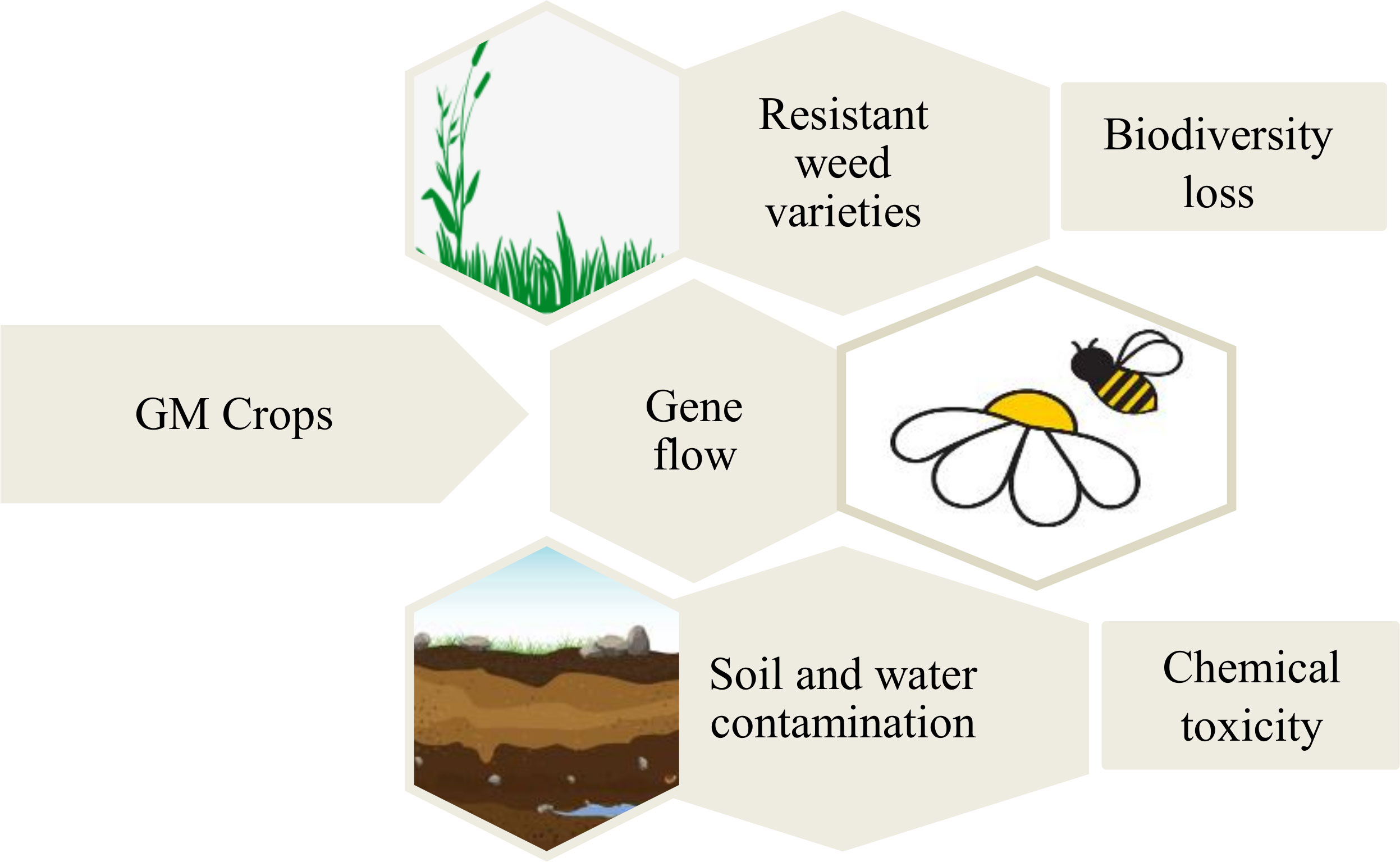
Conversely, the widespread adoption of glyphosate-tolerant crops has led to the emergence of herbicide-resistant weeds (often called "superweeds"), requiring farmers to employ more complex weed management strategies. Furthermore, the cultivation of insect-resistant Bt crops has reduced overall insecticide applications, though ongoing resistance management is required to maintain effectiveness.
Nutritional Value and Consumer Health Considerations
Consumers often purchase organic foods under the assumption that they are inherently more nutritious than conventional or GMO alternatives. Nutritional science offers a nuanced perspective on this topic.
Comprehensive reviews of nutritional studies, including a landmark meta-analysis published in the British Journal of Nutrition, have found little consistent difference in vitamin, mineral, or macronutrient content between organic and conventionally or genetically grown crops. Organic produce does, however, consistently show lower levels of synthetic pesticide residues, as synthetic chemical applications are prohibited.
For genetically modified foods, nutritional enhancement is an active area of development rather than a universal baseline. While most commercial GMO traits target agronomic performance (like pest resistance), biofortified GM crops have been successfully developed to combat malnutrition in developing regions. A prime example is Golden Rice, which is genetically engineered to biosynthesize beta-carotene (a precursor to vitamin A) in the edible grain, addressing vitamin A deficiency in populations reliant on rice staples.
Economic Factors, Pricing, and Accessibility
Economic considerations play a major role in food choices. The price premium associated with organic foods reflects the realities of agricultural production.
Why Organic Food Costs More
Organic farming is inherently more labor-intensive. Without synthetic herbicides, weed control relies heavily on mechanical cultivation, hand-weeding, and cover cropping, all of which require significant manual labor and machinery operation. Additionally, organic livestock feed is more expensive, and organic crop yields are frequently lower than conventional or GM equivalents, particularly during the transition phase or under severe pest and drought pressure.
The Economic Efficiency of GMOs
GM crops are engineered to protect yields against devastating losses from pests, viruses, and weeds. This efficiency lowers production costs for farmers, resulting in lower retail prices for consumers. For staple commodities like corn, soybeans, and cotton, GM technology has helped stabilize global food and fiber supplies, keeping basic food costs lower for lower-income households.
Common Misconceptions and Practical Guidance
Misinformation surrounds both organic and genetically modified foods. Addressing common myths helps consumers make rational, evidence-based choices.
- Myth: GMO foods contain foreign genes that transfer into human DNA.
- Fact: The DNA in food is broken down into its basic building blocks (amino acids and nucleotides) by the human digestive system just like any other food. It does not transfer into human cells.
- Myth: Organic farming uses zero pesticides.
- Fact: Organic farming does use pesticides, but they must be derived from natural sources (such as copper sulfate, neem oil, or Bacillus thuringiensis) rather than being synthetically manufactured.
- Myth: All processed foods are GMO.
- Fact: While many processed foods contain corn or soy derivatives from GMO sources, thousands of processed foods carry organic certifications or Non-GMO Project verification.
Practical Steps for Consumers
When deciding between organic and genetically modified foods, consider the following practical approaches:
- Prioritize Personal Values: If supporting biodiversity, avoiding synthetic pesticide residues, or promoting animal welfare is a priority, choose certified organic products.
- Evaluate Budget and Accessibility: If cost is a primary concern, conventional and GM foods offer identical nutritional value at a more accessible price point.
- Read Labels Carefully: Look for explicit certifications like the USDA Organic seal or the Non-GMO Project Verified butterfly logo to ensure products meet your specific purchasing criteria.
Frequently Asked Questions
Are organic foods completely free of pesticides?
No. Organic agriculture permits the use of certain naturally derived pesticides and fungicides when pest pressures threaten crop survival. However, these substances break down quickly in the environment and are strictly regulated by the USDA National Organic Program, meaning they leave negligible residues compared to many synthetic chemicals.
Do GMO foods cause allergies?
Before any GMO food is approved for commercial sale, regulatory agencies thoroughly test it for allergenicity. Proteins introduced from known allergenic sources (such as peanuts or shellfish) are heavily scrutinized or barred from use unless safety can be definitively established. Currently, approved GMO foods are no more allergenic than their conventional counterparts.
Can a farmer save and replant GMO seeds?
Legally, no. Farmers who purchase patented GM seeds sign technology stewardship agreements that prohibit saving seeds from the harvest for the following season. This legal protection allows seed companies to recoup the hundreds of millions of dollars invested in research, development, and regulatory approval.
Is organic farming better for climate change?
Organic farming can sequester more carbon in healthy, well-managed soils through cover cropping and compost application. However, because organic yields are often lower, it may require more land to produce equivalent food volumes, which can release stored carbon if natural lands are cleared. Both systems are actively innovating to reduce their carbon footprints through improved soil and resource management.
How can I identify non-GMO or organic foods at the store?
In the United States, look for the green and white "USDA Organic" seal on fresh produce, dairy, meat, and packaged goods. For non-GMO foods, look for the "Non-GMO Project Verified" seal or packages explicitly labeled "100% Organic" (as organic rules inherently prohibit GMO ingredients).
Conclusion
Choosing between organic and genetically modified food involves weighing personal values, environmental priorities, economic realities, and nutritional needs. Organic agriculture prioritizes ecological processes, soil health, and the exclusion of synthetic inputs, appealing to consumers focused on environmental stewardship and natural production methods. Conversely, genetic modification utilizes modern biotechnology to enhance crop resilience, protect yields, and increase agricultural efficiency, playing a vital role in global food security. Recognizing the scientific evidence and regulatory frameworks behind both systems empowers consumers to make confident, informed decisions in the marketplace.
Image Gallery