Why the Vatican Is Not Part of Italy: The History of its Sovereignty
Vatican City is not part of Italy because it is a legally independent city-state established by the Lateran Treaty of 1929. This international agreement between the Holy See and the Kingdom of Italy resolved decades of political confli...
Vatican City is not part of Italy because it is a legally independent city-state established by the Lateran Treaty of 1929. This international agreement between the Holy See and the Kingdom of Italy resolved decades of political conflict, granting the Pope full sovereignty over the territory to ensure his religious independence.
Contents
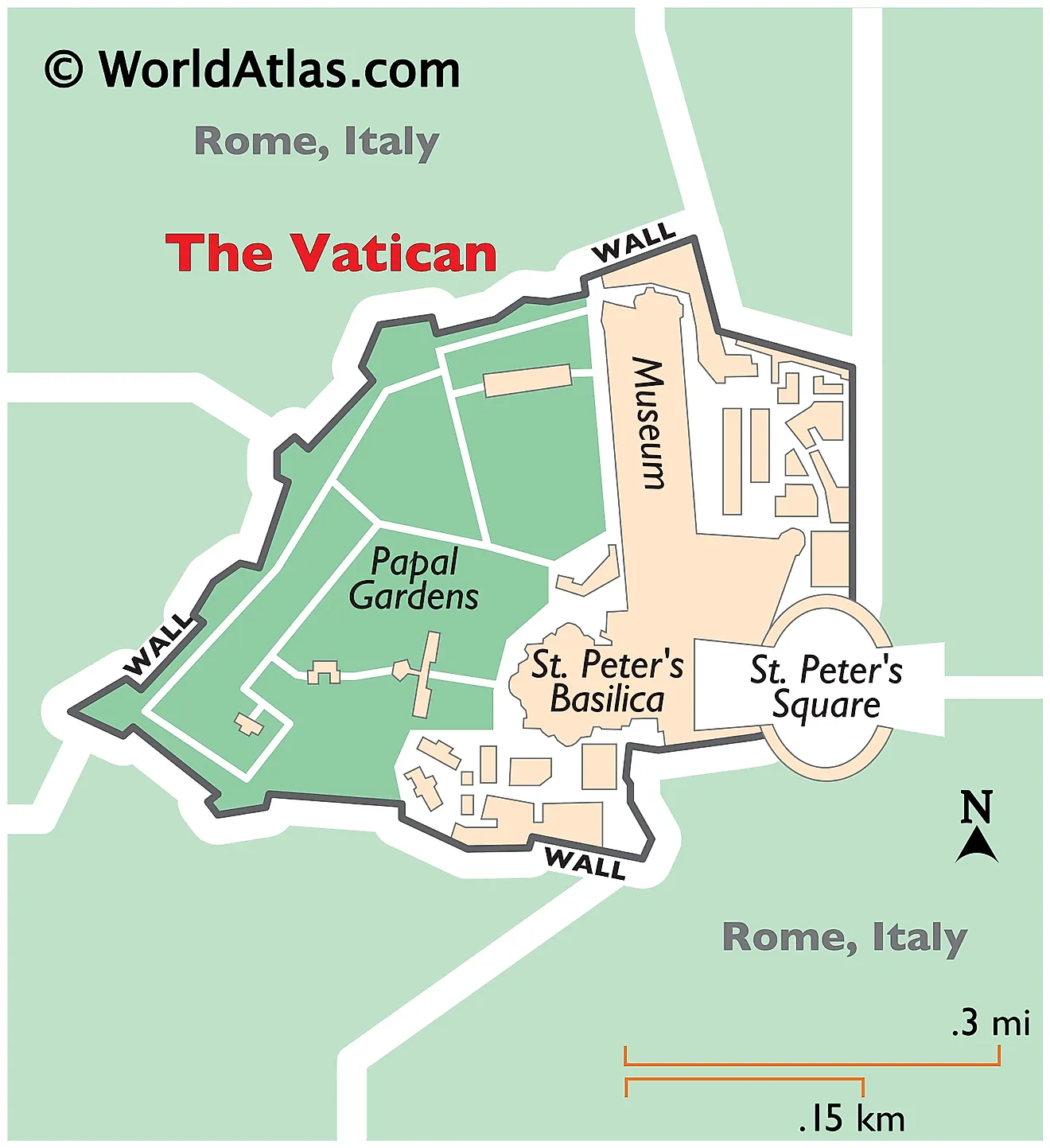
As of 2026, Vatican City remains the smallest internationally recognized independent state in the world. While it is physically located entirely within the city of Rome, it possesses its own government, laws, and diplomatic status. To understand why this tiny enclave exists as a separate entity from the Italian Republic, one must examine the centuries of territorial shifts, the unification of Italy, and the unique legal framework that defines the Holy See today.
The Historical Context: The Papal States
For over a millennium, the Pope was not just a spiritual leader but also a major secular ruler. From the 8th century until 1870, the Catholic Church controlled a vast swath of central Italy known as the Papal States. These territories provided the Papacy with the revenue and physical security necessary to maintain independence from the various European monarchs who often sought to influence Church affairs.
The Papal States functioned like any other European kingdom of the era. They had their own armies, taxation systems, and judicial structures. However, the rise of nationalism in the 19th century posed a direct threat to this ecclesiastical rule. The movement for Italian unification, known as the Risorgimento, sought to combine the various kingdoms, duchies, and the Papal States into a single, cohesive Italian nation.
By 1860, most of the Papal States had been annexed by the burgeoning Kingdom of Italy. Only Rome and its immediate surroundings remained under Papal control, largely protected by the presence of French troops sent by Napoleon III. When the Franco-Prussian War broke out in 1870, the French garrison withdrew, leaving Rome vulnerable. On September 20, 1870, Italian forces breached the Aurelian Walls at Porta Pia, and Rome was officially annexed, eventually becoming the capital of the unified Kingdom of Italy.
The "Roman Question": A Fifty-Year Stalemate
The annexation of Rome created a diplomatic and theological crisis known as the Roman Question (La Questione Romana). Pope Pius IX refused to recognize the legitimacy of the Italian state’s seizure of his territory. He retreated into the Vatican walls and declared himself a "prisoner in the Vatican."
For the next 59 years, several successive Popes maintained this stance. They refused to leave the Vatican, as doing so would require them to step onto Italian soil and, by extension, acknowledge the authority of the Italian government over Rome. This stalemate had significant international implications:
- Diplomatic Isolation: The Holy See continued to maintain diplomatic relations with foreign powers, but its lack of a defined territory complicated its legal standing.
- Domestic Tension: Italy was a predominantly Catholic country, and the conflict between the state and the Church created a deep divide in the loyalty of Italian citizens.
- The Law of Guarantees: In 1871, Italy passed the Law of Guarantees, which attempted to grant the Pope certain honors and a yearly income, but the Papacy rejected it, arguing that a law passed by a parliament could just as easily be revoked. The Church insisted on a treaty-based international recognition of its sovereignty.
The 1929 Lateran Treaty: The Birth of Vatican City
The resolution to the Roman Question finally arrived in 1929. Following negotiations between the Holy See and the government of Benito Mussolini (representing King Victor Emmanuel III), the Lateran Treaty was signed on February 11. This treaty is the primary reason why the Vatican is not part of Italy today.
The Lateran Treaty consisted of three distinct documents:
- A Political Treaty: This recognized the full sovereignty of the Holy See and created the independent state of Vatican City. Italy recognized the Vatican as a sovereign entity under international law, and the Holy See recognized the Kingdom of Italy with Rome as its capital.
- A Financial Convention: This provided the Holy See with a financial settlement to compensate for the loss of the Papal States and church properties seized during the unification process.
- A Concordat: This regulated the relationship between the Catholic Church and the Italian State regarding internal matters, such as the legal recognition of church marriages and the teaching of religion in schools.
The signing of these documents effectively "reset" the relationship. By creating a physical territory—however small—the treaty ensured that the Pope would never be a subject of any temporal ruler. This sovereignty allows the Holy See to engage in global diplomacy, sign international treaties, and maintain a neutral stance in global conflicts without being influenced by Italian domestic policy.
Sovereign Status and Governance in 2026
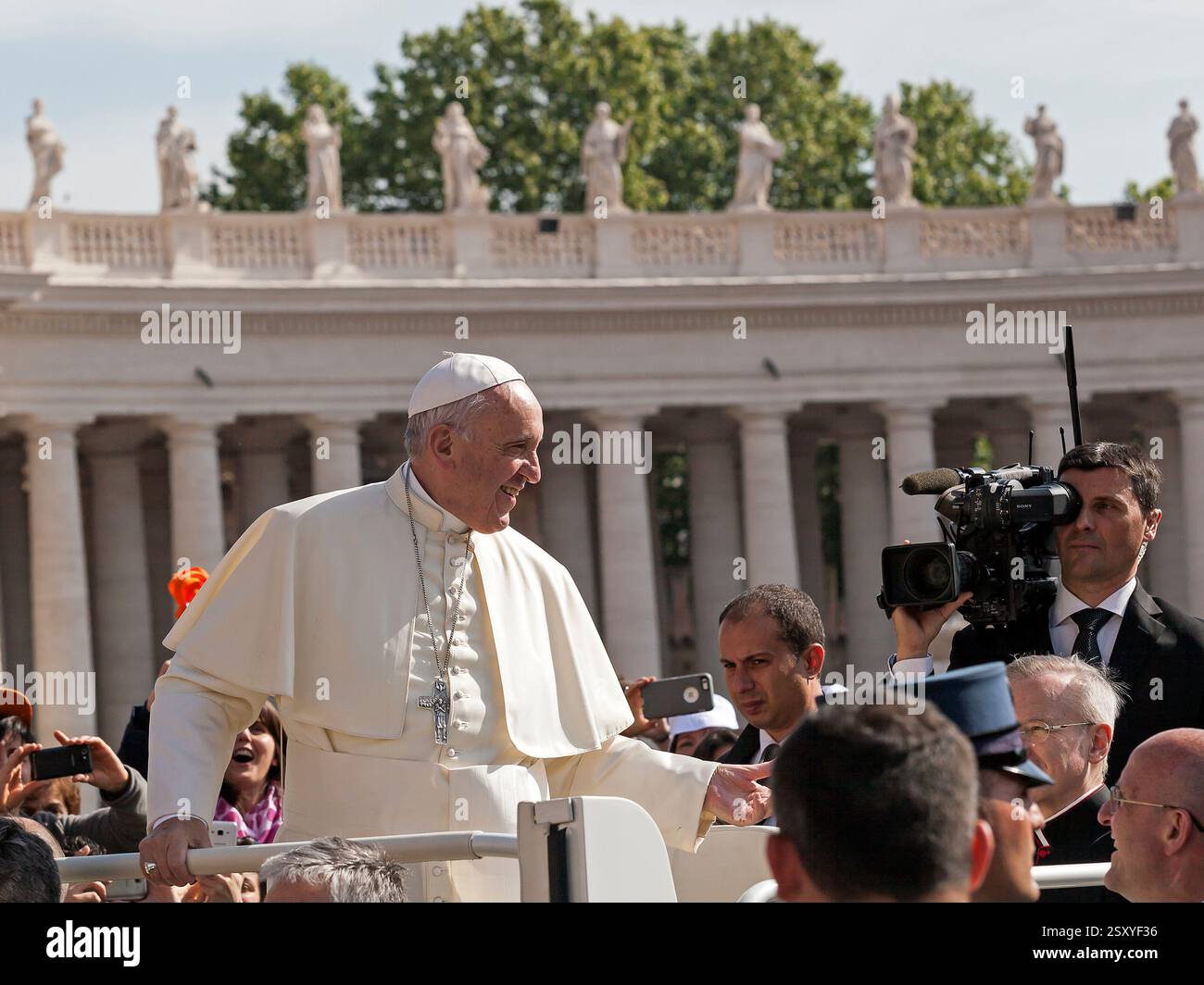
Vatican City operates as an absolute elective monarchy, which is a rare form of government in the modern world. The Pope holds supreme legislative, executive, and judicial power. While Italy provides certain services to the Vatican—such as water, railway connections, and some police cooperation—the Vatican remains entirely autonomous.
The Distinction Between the Holy See and Vatican City State
It is important to distinguish between the Holy See and Vatican City State. The Holy See is the universal government of the Catholic Church and the sovereign entity that maintains diplomatic relations with other countries. Vatican City is the physical territory that supports the Holy See. When a diplomat is sent to the Vatican, they are technically accredited to the Holy See, not the city-state itself.
Functional Independence
To maintain its status as a non-Italian entity, Vatican City manages its own internal infrastructure:
- Legal System: The Vatican has its own legal code, based on Canon Law and supplemented by adapted Italian laws. It operates its own court system and jail (though long-term prisoners are often housed in Italian prisons via bilateral agreements).
- Currency and Economy: Although the Vatican is not a member of the European Union, it uses the Euro as its official currency through a special agreement with the EU. It mints its own coins, which are highly prized by collectors.
- Communications: The Vatican has its own postal service (Poste Vaticane), which is famously more efficient than the Italian national post. It also operates its own internet domain (.va), radio station, and newspaper (L'Osservatore Romano).
- Security: The Pontifical Swiss Guard is responsible for the safety of the Pope, while the Gendarmerie Corps of Vatican City State handles general policing and border security.
Comparison: Vatican City vs. Italy (2026)
The following table highlights the core differences between the two entities, illustrating why they are treated as separate nations under international law.
| Feature | Vatican City State | Republic of Italy |
|---|---|---|
| Area | 0.44 km² (Approx. 109 acres) | 301,340 km² |
| Population | ~450–800 (mostly clergy/guards) | ~59 million |
| Government | Absolute Elective Monarchy | Parliamentary Republic |
| Head of State | The Pope (Sovereign of the State) | President of Italy |
| Citizenship | Functional (granted for the duration of office) | Jus sanguinis (by descent) or naturalization |
| UN Status | Permanent Observer State | Full Member State |
| Military | Swiss Guard (Ceremonial/Protective) | Italian Armed Forces |
| Primary Revenue | Museum fees, stamps, investments | Taxation, manufacturing, tourism |
Why Italy Does Not "Take Back" the Vatican
A common question is why Italy, as a modern G7 nation, allows a tiny enclave to remain independent in the heart of its capital. The answer lies in both legal obligation and political benefit.
First, the Lateran Treaty is enshrined in the Italian Constitution (Article 7). For Italy to unilaterally annex the Vatican would be a violation of its own constitutional law and a major breach of international treaties. Second, having the center of the Catholic Church in Rome brings immense prestige and tourism revenue to Italy. Millions of pilgrims and tourists visit Rome every year specifically to see St. Peter's Basilica and the Vatican Museums.
Furthermore, the Vatican's independence serves as a diplomatic "buffer." The Holy See often acts as a neutral mediator in international disputes. If the Vatican were part of Italy, its diplomatic interventions would be seen as extensions of Italian foreign policy, stripping the Church of its perceived neutrality.
International Recognition and the United Nations
The Vatican’s status as a non-Italian entity is solidified by its role in international organizations. The Holy See is a Permanent Observer State at the United Nations. This allows it to participate in General Assembly debates and attend UN conferences without having a vote.
This status is unique; the Holy See is the only non-member state (other than Palestine) to hold this position. It maintains full diplomatic relations with over 180 countries. Interestingly, because the Vatican is so small, most foreign embassies to the Holy See are actually located in Rome, on Italian soil. This creates the unique situation where an ambassador to the Vatican lives in Italy but "crosses the border" to conduct official business.
Frequently Asked Questions
Do you need a passport to enter Vatican City from Italy?
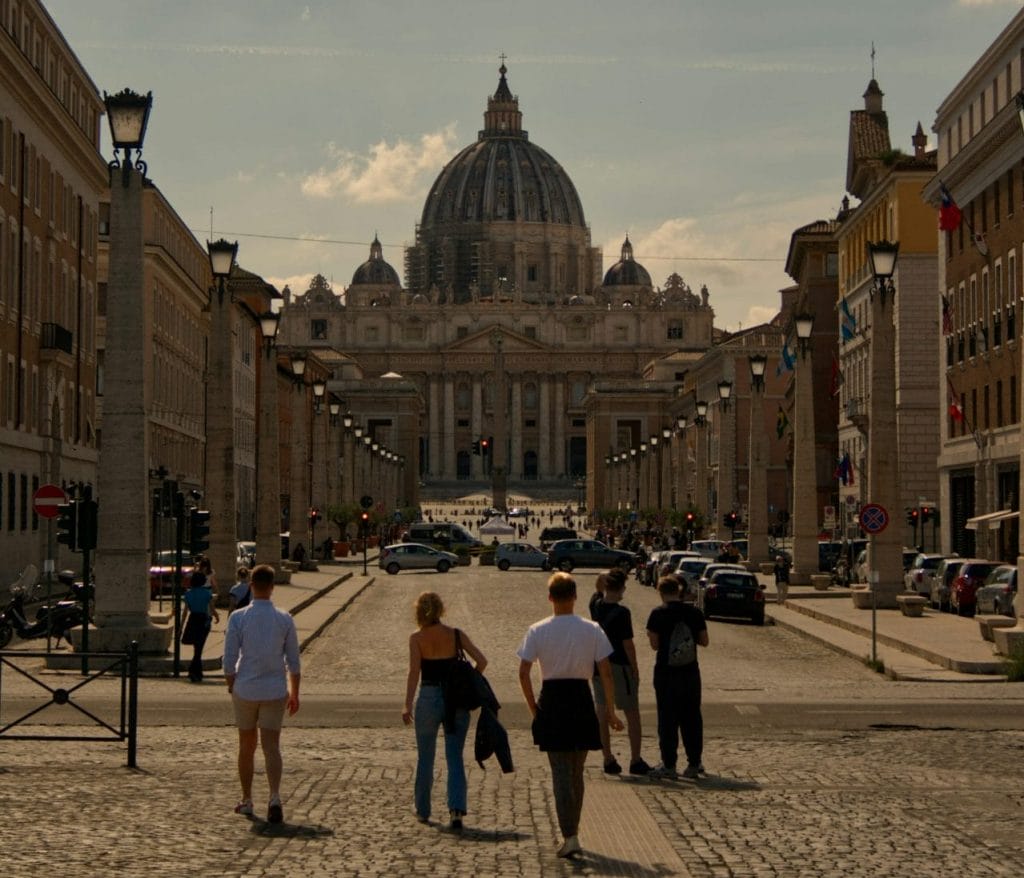
No, there is no formal border control for tourists entering St. Peter's Square or the Vatican Museums. However, the Vatican is a sovereign territory. If you wish to enter the private working areas of the city, you must pass through security and provide documentation. For most visitors, the border is marked simply by a white line on the pavement at the edge of St. Peter's Square.
Does the Vatican pay taxes to Italy?
No. Under the Lateran Treaty, the Holy See is exempt from Italian taxes. This includes property taxes on certain "extraterritorial" buildings located in Rome but owned by the Church (such as the Basilica of St. John Lateran).
Is the Vatican a member of the European Union?
Vatican City is not a member of the EU. However, it maintains an open border with Italy and is part of the Schengen Area in practice, though not by treaty. It uses the Euro and follows certain EU regulations regarding currency and money laundering to maintain its financial integration with Europe.
Can you become a citizen of the Vatican?
Vatican citizenship is not based on birth (jus soli) or bloodline (jus sanguinis). Instead, it is functional. Citizenship is granted to those who work in a high-level capacity for the Holy See (such as Cardinals living in Rome or members of the Swiss Guard) and is usually revoked once their term of service ends.
Who provides security for the Vatican?
The Vatican has two main forces: the Swiss Guard, which protects the Pope and the apostolic palace, and the Gendarmerie, which acts as the general police force. For large events in St. Peter’s Square, the Italian State Police (Polizia di Stato) provides security under a specific request and coordination protocol defined in the Lateran Treaty.
Practical Recommendations for Visitors
If you are planning to visit Vatican City in 2026, keep in mind that you are leaving Italian jurisdiction. While common Italian laws regarding public conduct generally apply through bilateral agreements, the Vatican has its own dress codes and behavioral expectations, particularly inside St. Peter’s Basilica.
- Respect the Dress Code: Knees and shoulders must be covered. This is strictly enforced at the entrance to the Basilica and Museums.
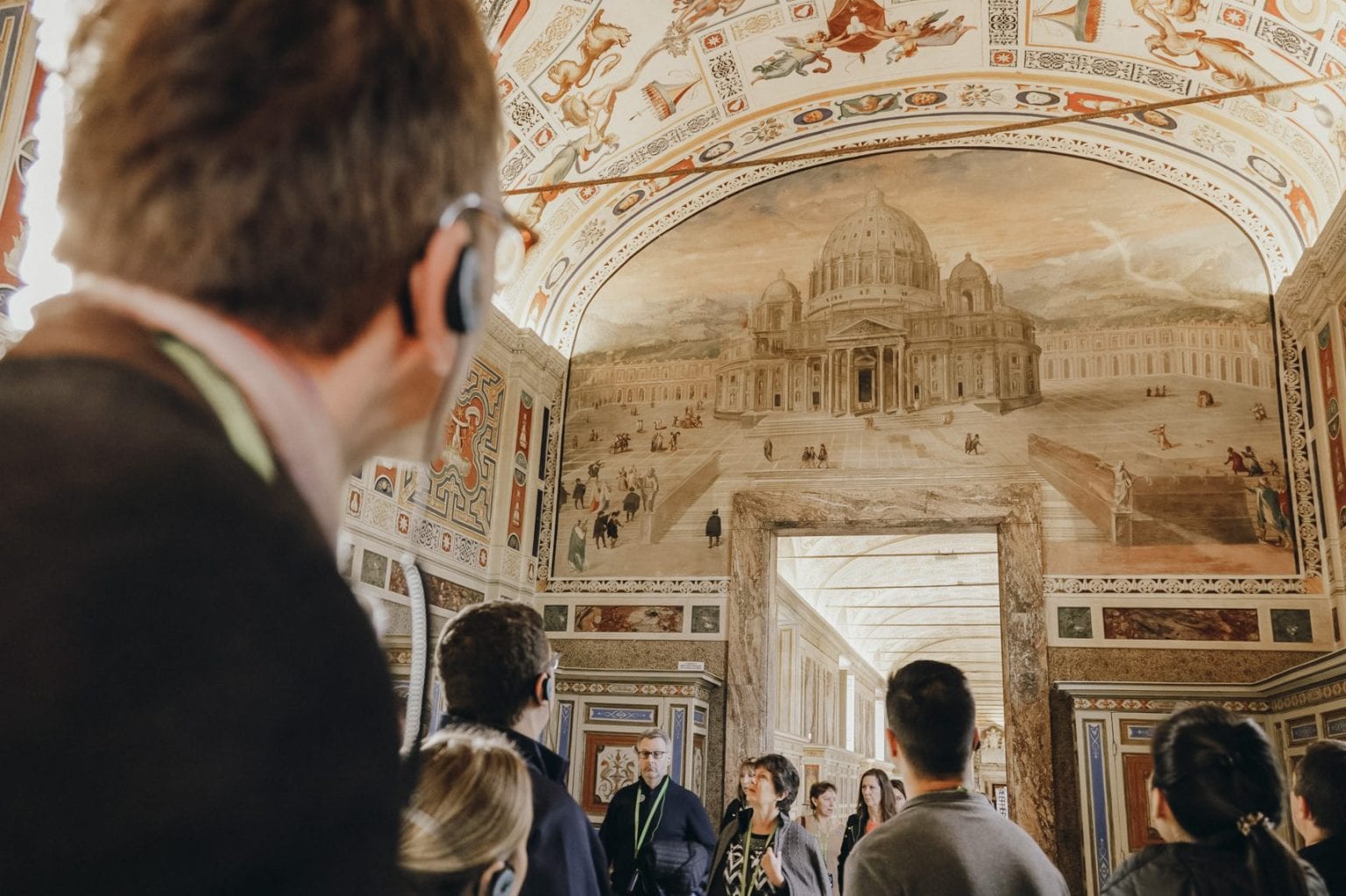
- Book in Advance: As an independent state with limited space, the Vatican Museums have strict capacity limits. In 2026, demand remains high, and online reservations are essential to avoid hours-long queues on Italian soil.
- Use the Vatican Post: Sending a postcard from the Vatican post office is a popular activity because it uses Vatican stamps and a Vatican postmark, which are distinct from the Italian postal system.
Image Gallery