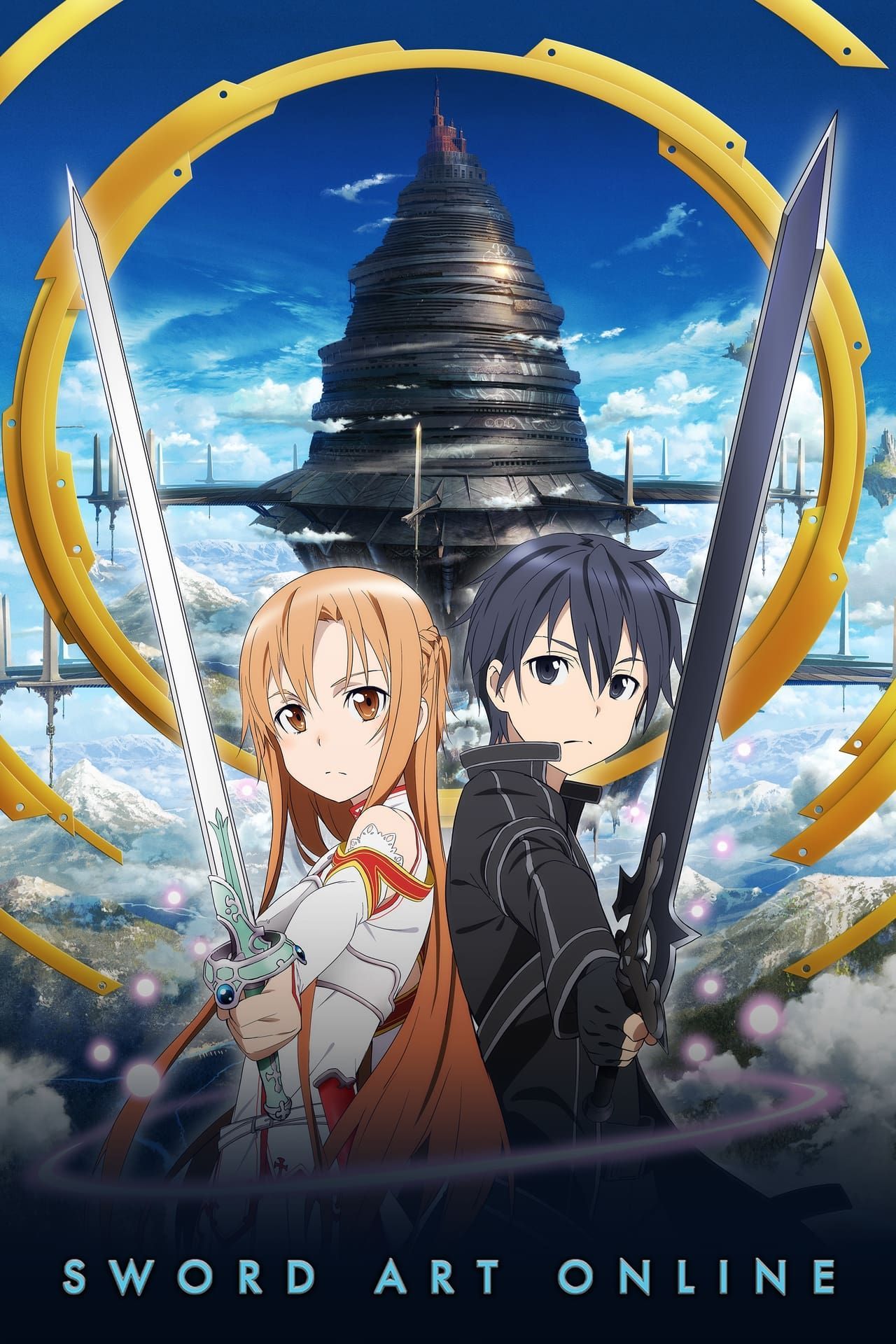
Who Voices Kirito in Sword Art Online: An In-Depth Look at the Voice Actors
The character Kirito, the protagonist of the Sword Art Online series, is voiced by Yoshitsugu Matsuoka in the original Japanese version and by Bryce Papenbrook in the English dubbed version. These two actors are responsible for definin...
The character Kirito, the protagonist of the Sword Art Online series, is voiced by Yoshitsugu Matsuoka in the original Japanese version and by Bryce Papenbrook in the English dubbed version. These two actors are responsible for defining the voice of the Black Swordsman across the main anime series, films, and various video game adaptations released through 2026.
Contents
Understanding the Role of Kirito
Kirito—legally named Kazuto Kirigaya—is the central figure of Reki Kawahara’s Sword Art Online light novel series. As the primary protagonist, he serves as the anchor for the viewer’s experience, moving from the isolated intensity of Aincrad to the complex social dynamics of later story arcs like Phantom Bullet, Alicization, and Unital Ring.
Because Sword Art Online is an international phenomenon, the role of Kirito is split between two primary performance traditions: the Japanese seiyuu (voice acting) industry and the North American English dubbing industry. Each actor brings a distinct interpretation to the character’s growth, balancing his initial stoic, "solo player" demeanor with the maturing, protective persona he develops as the series progresses.
The Japanese Voice: Yoshitsugu Matsuoka
In the original Japanese production, Yoshitsugu Matsuoka has voiced Kirito since the anime’s debut in 2012. Matsuoka is a prolific actor in the industry, and his performance as Kirito is widely considered one of his most iconic roles.
Evolution of the Performance
Matsuoka’s portrayal is noted for its adaptability. Early in the series, Kirito is a teenager attempting to survive the brutal death game of Aincrad. Matsuoka adopted a voice that was initially detached and guarded. As the narrative progressed, particularly into the Alicization arc, the character required a more nuanced vocal range to reflect years of traumatic experience, leadership responsibilities, and emotional burden. Matsuoka’s ability to project vulnerability during moments of failure and intensity during high-stakes combat sequences has helped maintain the character’s consistency over more than a decade of content.
Industry Impact
Matsuoka’s success in the role of Kirito led to his recognition within the anime industry, earning him various awards, including Best Lead Actor at the Seiyu Awards. His ongoing commitment to the character—through the Ordinal Scale and Progressive films—has made his voice synonymous with the franchise in Japan.
The English Dubbed Voice: Bryce Papenbrook
For the North American and international English-speaking markets, Bryce Papenbrook has been the voice of Kirito since the premiere of the English dub. Papenbrook is a staple in the anime dubbing community, and his work as Kirito remains one of the most recognizable performances in modern dubbing history.
Strategic Approach to the Character
Papenbrook’s performance focuses on the transition of Kirito from a disillusioned teenager to a young man grappling with the moral consequences of his actions. In the English version, Papenbrook emphasizes the character’s internal conflict, often utilizing a slightly raspier or more strained tone during intense combat scenes to convey the physical and mental toll of the VRMMORPG (Virtual Reality Massively Multiplayer Online Role-Playing Game) environments.
Consistency Across Media
One of the challenges for a voice actor in a long-running franchise is maintaining vocal fidelity across different types of media. Beyond the television anime episodes, Papenbrook has voiced Kirito in dozens of video games, such as Sword Art Online: Hollow Fragment, Fatal Bullet, and Last Recollection. Ensuring that the character sounds consistent across animation and interactive gaming requires strict adherence to the established vocal profile developed over the years.
Comparison of Interpretations
While both actors provide the voice for the same character, the cultural context of their respective industries results in slightly different stylistic choices.
| Feature | Japanese Performance (Matsuoka) | English Performance (Papenbrook) |
|---|---|---|
| Primary Focus | Emotional nuance and internal monologue. | Kinetic energy and dramatic tension. |
| Industry Style | Traditional seiyuu ensemble recording. | Standard North American ADR (Automated Dialogue Replacement). |
| Consistency | Highly consistent throughout all arcs. | Highly consistent across games and anime. |
| Characterization | Subtle shifts in pitch for age progression. | Emphasis on tonal depth and maturity. |
Why Voice Casting Matters in VRMMORPG Narratives
The medium of Sword Art Online presents unique challenges for voice actors. Because the story takes place largely within virtual reality, the actors must simulate being "inside" a game. This often involves sound effects for virtual UI (User Interface) interactions, distinct vocal shifts when the character is in different virtual avatars (such as the GGO or ALO forms), and the delivery of highly technical game terminology.
Both Matsuoka and Papenbrook have mastered the delivery of technical jargon—terms like "Switch," "Starburst Stream," and "System Call"—without losing the character’s emotional authenticity. This is a critical skill in the Sword Art Online franchise, where the dialogue often blends character-driven moments with the mechanics of game world logic.
Frequently Asked Questions
Has the voice actor for Kirito ever been replaced?
No. Since the inception of the anime in 2012, Yoshitsugu Matsuoka has remained the Japanese voice, and Bryce Papenbrook has remained the English voice for all major animated series, films, and core video games.
Does the voice of Kirito change when he is in different virtual worlds?
Yes, but only in terms of tonal inflection. In games like Gun Gale Online (GGO), Kirito takes on a different avatar with a more feminine appearance. Both actors adjust their vocal pitch and delivery slightly to reflect that the character is attempting to blend into a new environment, while still ensuring the audience recognizes the character.
Where can I verify the current credits for a specific Sword Art Online title?
You can verify the official Japanese cast through the Aniplex or A-1 Pictures production websites. For the English dub, the most accurate credits are usually found on the official distribution platforms (such as Crunchyroll or the official North American home video releases by Aniplex of America).
Do the voice actors record the game dialogue separately from the anime?
Yes. While the actors utilize the same character baseline, video game recording sessions are structured differently than anime production. In games, actors often record lines for various combat actions, UI alerts, and menu navigation, which requires a specific set of vocal stamina and technical precision that differs from episodic storytelling.
Why do the Japanese and English voices sound different?
This is a standard outcome of localization. The Japanese industry emphasizes specific acting styles (seiyuu culture), while English dubbing focuses on regionalized emotional responses and lip-syncing to the animation. Both interpretations are considered "canon" within their respective language versions.
Recommendations for Further Research
If you are interested in the production of Sword Art Online, exploring the behind-the-scenes content provided on the home media releases is highly recommended. These often include interviews with Yoshitsugu Matsuoka and Bryce Papenbrook, where they discuss their personal approaches to the character’s development over the years. Additionally, the official Sword Art Online web portal provides consistent updates regarding new film releases and casting confirmations. If you are analyzing the performance for academic or creative purposes, listening to the same scene in both languages back-to-back offers the best insight into how different vocal directing styles can change the tone of the same character interaction.
Image Gallery