What Is a Credit Union Commercial Loan? A Complete Business Guide
A credit union commercial loan is a business financing vehicle issued by a member-owned, non-profit financial cooperative rather than a for-profit commercial bank. Regulated by bodies such as the National Credit Union Administration (N...
A credit union commercial loan is a business financing vehicle issued by a member-owned, non-profit financial cooperative rather than a for-profit commercial bank. Regulated by bodies such as the National Credit Union Administration (NCUA), these loans fund commercial real estate purchases, equipment acquisitions, and operational working capital, frequently offering lower fee structures and competitive interest rates due to the cooperative's non-profit operational status.
Contents
Understanding How Credit Union Commercial Loans Work
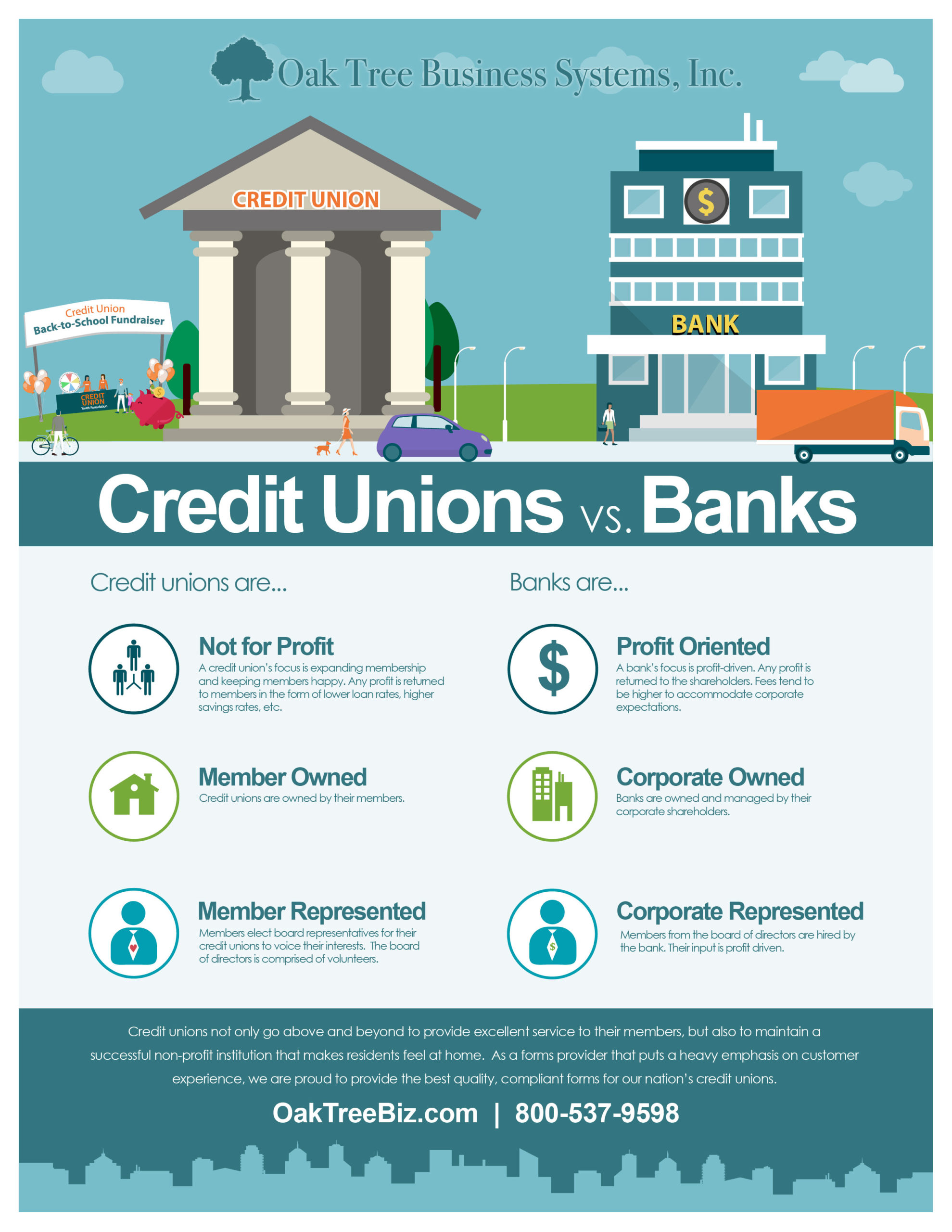
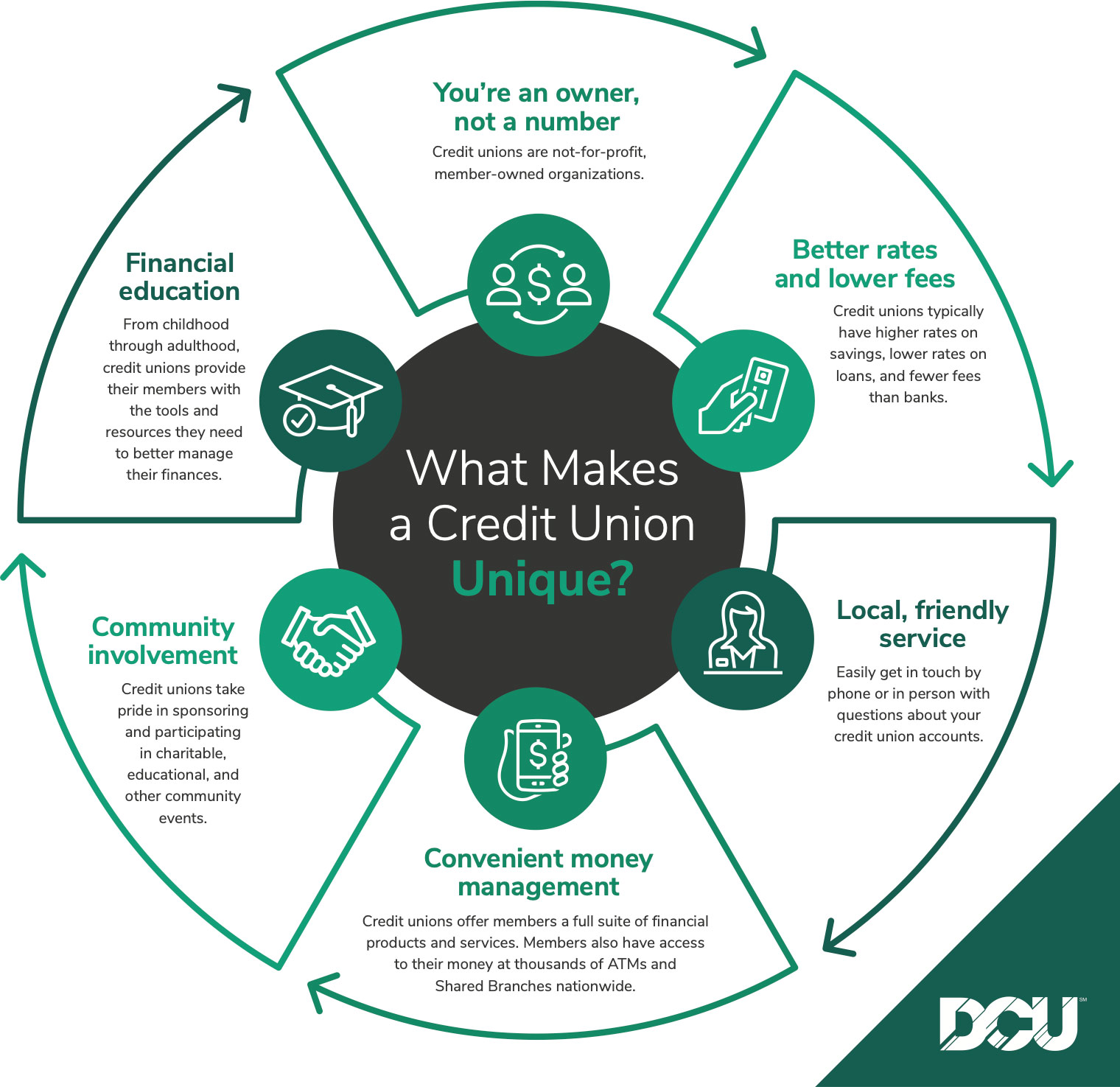
Credit unions operate under a fundamentally different structure than traditional commercial banks. While banks exist to generate profits for external shareholders, credit unions are financial cooperatives owned entirely by their depositors and members. When a credit union issues commercial credit—often designated regulatory-wise as Member Business Lending (MBL)—it reinvests surplus earnings back into its membership through higher deposit yields, reduced borrowing fees, and lower interest rates.
To access a credit union commercial loan, a business owner must first meet the institution's "field of membership" criteria. Membership may be based on geographic location, employer affiliation, industry sector, or membership in associated non-profit organizations. Once a business entity or principal owner becomes a member, the business can apply for commercial credit facilities under terms tailored to local market conditions and individual cash flow profiles.
In credit union commercial underwriting, local decision-making plays a vital role. Commercial loan officers at regional or community credit unions typically manage local portfolios, allowing them to evaluate business credit applications beyond automated credit-scoring algorithms. Underwriters assess qualitative factors, such as the applicant's business reputation and local market presence, alongside financial metrics like debt service capacity and collateral values.
Core Types of Commercial Loans Offered by Credit Unions
Credit unions provide a wide range of debt financing products designed to support business lifecycle stages, from expansion and acquisitions to day-to-day liquidity management.
1. Commercial Real Estate (CRE) Loans
Commercial real estate loans are among the most common commercial products offered by credit unions. Funding covers both owner-occupied properties (where the borrower's business occupies at least 51% of the space) and non-owner-occupied investment properties (such as multi-family residential units, retail plazas, or industrial warehouses).
- Loan Terms: Typically structured with 5-, 10-, or 15-year term lengths based on 20- to 25-year amortization schedules.
- Loan-to-Value (LTV): Usually capped between 70% and 80%, depending on property type and tenant concentration.
2. Commercial Equipment and Fleet Financing
For businesses needing machinery, specialized technology, medical devices, or commercial vehicle fleets, credit unions offer equipment loans secured by the underlying asset. Because the asset serves as direct collateral, these loans often carry lower interest rates than unsecured debt and feature fixed repayment terms matching the equipment's useful life (typically 3 to 7 years).
3. Business Lines of Credit
A commercial line of credit gives businesses flexible access to revolving capital to manage seasonal cash flow fluctuations, purchase inventory, or bridge payroll gaps. Borrowers draw funds up to an approved limit, pay interest only on the drawn amount, and can re-borrow principal as balances are repaid.
4. Working Capital Term Loans
Working capital term loans provide lump-sum capital repaid over a fixed timeframe, typically 1 to 5 years. Companies utilize these loans for growth initiatives, marketing expansion, technology upgrades, or refinancing higher-cost short-term debt.
5. SBA-Guaranteed Loans
Many credit unions participate in federal business lending programs, notably those backed by the U.S. Small Business Administration (SBA). By originating SBA 7(a) and SBA 504 loans, credit unions can extend financing to businesses that might fall slightly outside standard commercial underwriting criteria. The federal guarantee reduces lender risk, facilitating longer repayment terms, lower down payments, and manageable interest rate caps.
Regulatory Framework: The NCUA 12.25% Lending Cap
Federal regulations govern credit union commercial lending practices to maintain institutional liquidity and safety. The primary framework governing federal credit unions in the United States is set by the National Credit Union Administration (NCUA), specifically under 12 CFR Part 723.
- NCUA Statutory Member Business Loan Cap
- [ Total Credit Union Assets ] x 12.25% (or 1.75x Net Worth)
- EXEMPTIONS FROM CAP:
- SBA-Guaranteed Portion of Loans
- Loans under $50,000
- Low-Income Designated (LICU) Credit Unions
- Business Loans Secured by 1-to-4 Family Residential Property
Under the Credit Union Membership Access Act, a federal credit union’s aggregate member business loans (MBLs) are statutorily capped at 12.25% of its total assets (or 1.75 times its net worth, whichever is less). This rule ensures credit unions maintain focus on their core consumer and small business membership rather than acting purely as institutional commercial banks.
Statutory Exceptions to the MBL Cap
Several categories of business loans are exempt from counting toward this 12.25% statutory limit:
- Government-Guaranteed Loans: The guaranteed portions of SBA 7(a), SBA 504, or USDA business loans do not count against the cap.
- Low-Income Designated Credit Unions: Credit unions designated by the NCUA as Low-Income Credit Unions (LICUs) or Community Development Financial Institutions (CDFIs) are exempt from the MBL aggregate ceiling.
- Small Business Loans Under $50,000: Total commercial balances below $50,000 per borrower are excluded from the MBL cap definition.
- Residential 1-to-4 Family Non-Owner Occupied Loans: Under updated NCUA rules, loans secured by 1-to-4 family residential properties are excluded from the statutory MBL cap, giving credit unions more room to finance residential real estate investors.
Credit Union vs. Commercial Bank Loans: Side-by-Side Comparison
When seeking business capital, comparing credit union commercial lending against national commercial banks and online alternative lenders helps clarify costs and trade-offs.
| Feature / Metric | Credit Union Commercial Loan | Traditional Commercial Bank | Online / Fintech Business Loan |
|---|---|---|---|
| Ownership Structure | Non-profit cooperative (Member-owned) | For-profit corporation (Shareholder-owned) | For-profit private or public equity |
| Interest Rates | Generally lower, competitive fixed/variable | Market-competitive; risk-based | Higher interest rates and factor rates |
| Fee Structure | Lower origination and application fees | Standard to high origination/underwriting fees | High origination and platform fees |
| Underwriting Focus | Cash flow, local relationships, collateral | Cash flow, historical performance, strict metrics | Speed, revenue velocity, bank statements |
| Lending Limits | Subject to statutory MBL caps; mid-size limits | High to virtually unlimited per borrower | Lower maximum loan limits |
| Relationship Model | Personalized, local community focus | Institutional, centralized credit committee | Digital, self-service automated interaction |
| Technology / Speed | Moderate turnaround (2 to 6 weeks) | Moderate to slow (3 to 8 weeks) | Rapid approval (24 hours to 5 days) |
Eligibility and Underwriting Criteria
Credit union underwriters focus on evaluating business stability, cash flow durability, and repayment capacity. While individual institutions set specific guidelines, standard commercial underwriting criteria include:
1. Debt Service Coverage Ratio (DSCR)
The Debt Service Coverage Ratio measures a business’s annual net operating income (NOI) against its annual total debt obligations (principal and interest). $$\text{DSCR} = \frac{\text{Net Operating Income}}{\text{Total Debt Service}}$$ Credit unions typically require a minimum DSCR between 1.20x and 1.25x. A DSCR of 1.25x indicates that the company generates $1.25 of net cash flow for every $1.00 of required debt payments, offering a 25% safety margin.
2. Credit Profile (Personal and Business)
Because small to medium-sized business operations are tied to their principals, credit unions evaluate the credit scores of all equity owners holding a 20% or greater stake. Personal credit scores above 680 to 700 are generally required for competitive pricing. Business credit reports (such as Dun & Bradstreet or Experian Commercial) are also evaluated for payment history and vendor trade references.
3. Collateral Coverage and Loan-to-Value (LTV)
Commercial credit union loans are typically fully collateralized. Acceptable collateral includes commercial real estate, heavy equipment, business inventory, accounts receivable, or cash deposit certificates. LTV requirements vary by asset class:
- Commercial Real Estate: 70% – 80% LTV
- Equipment and Fleet: 75% – 85% LTV
- Accounts Receivable / Inventory: 50% – 70% LTV
4. Guarantees and Contingencies
Most credit unions require a personal guarantee from majority owners. A personal guarantee gives the lender legal recourse to personal assets if the corporate entity defaults on its obligations.
Step-by-Step Guide to Applying for a Credit Union Commercial Loan
Securing commercial financing requires clear documentation and early preparation. Following these steps helps streamline the underwriting process.
- Verify Eligibility: Check membership rules
- Financial Prep: 3 yrs tax returns & P&L
- Officer Consult: Review loan structure
- Submission: Complete application
- Underwriting: Appraisals & DSCR audit
- Closing & Funding: Execute note & deed
Step 1: Verify Membership Eligibility
Confirm that your business or its primary owners qualify for membership at the target credit union. You can meet membership requirements by operating within the credit union's geographic footprint, working in an eligible industry, or joining an affiliated association.
Step 2: Organize Financial Documentation
Assemble a comprehensive business loan package before submitting your application. Required documents typically include:
- Tax Returns: 3 years of corporate and personal federal tax returns.
- Financial Statements: Year-to-date Balance Sheet and Profit & Loss (P&L) statements signed by an officer or CPA.
- Bank Statements: 6 to 12 months of consecutive business operating account statements.
- Debt Schedule: An itemized list of all current business debts, detailing creditors, original amounts, balances, interest rates, and monthly payments.
- Legal Documents: Articles of Incorporation or Organization, Operating Agreements, corporate resolutions, and commercial property leases.
Step 3: Consult a Commercial Loan Officer
Schedule an initial consultation with the credit union's commercial lending unit. Use this meeting to discuss loan sizing, target terms, DSCR expectations, and whether your request falls comfortably within their commercial lending focus.
Step 4: Submit Formal Application and Underwrite
Once submitted, the file enters formal underwriting. The credit union will order third-party reports, which may include commercial property appraisals, Phase I Environmental Site Assessments (ESA), title searches, and personal credit pulls.
Step 5: Loan Approval, Commitment, and Closing
Upon approval by the credit union's credit committee, you will receive a formal Loan Commitment Letter detailing interest rates, covenants, fees, and closing requirements. Once signed, legal documentation is prepared, final signatures are collected, and funds are disbursed.
Pros and Cons of Credit Union Commercial Loans
Advantages
- Lower Cost of Capital: Non-profit structures allow credit unions to offer lower interest rates and reduced origination fees.
- Relationship-Focused Service: Borrowers work directly with local loan officers who understand regional economic conditions.
- Flexibility in Structuring: Credit unions may offer customized repayment schedules or fee concessions for strong long-term business members.
- Community Reinvestment: Borrowing from a cooperative helps support local economic development and community payrolls.
Drawbacks
- Membership Mandates: You must qualify for and maintain membership status to receive loan proceeds.
- Statutory Portfolio Limits: The 12.25% MBL limit may cause smaller credit unions to reach their commercial lending capacity during tight economic cycles.
- Lower Absolute Lending Limits: Credit unions may have lower single-borrower lending limits compared to national commercial banks.
- Slower Technology Integration: Some smaller credit unions rely on traditional, paper-intensive underwriting workflows rather than automated digital portals.
Frequently Asked Questions
What is the maximum amount a credit union can lend to a single business?
The maximum amount a credit union can lend to a single business borrower depends on its legal lending limit (often capped by NCUA at 15% of the credit union's unimpaired capital and surplus for unsecured loans, or higher for fully secured credit) alongside its internal portfolio limits. While large regional credit unions can fund commercial real estate loans in excess of $10 million to $20 million, smaller institutions often use loan participations—partnering with other credit unions—to fund larger commercial requests.
Do I have to be a member of a credit union to get a commercial loan?
Yes, federal statutory regulations require a borrower to be a member of the credit union to close and receive disbursements on a commercial loan. However, most credit unions permit business owners to submit commercial loan applications concurrently with their membership applications, completing enrollment before closing.
Are credit union commercial loan interest rates lower than bank rates?
Credit union commercial loan interest rates are often lower than traditional bank rates because credit unions operate as non-profit financial cooperatives. Retained earnings are passed to members via lower interest rates and reduced origination fees. However, final rates depend on borrower creditworthiness, collateral type, and prevailing market benchmark rates (such as Prime or SOFR).
How does the NCUA MBL cap affect my business borrowing options?
The NCUA Member Business Lending (MBL) cap limits a credit union's total commercial loan portfolio to 12.25% of its assets. For business borrowers, this means a specific credit union may slow down its commercial lending if it nears its statutory limit. Borrowers can bypass this limitation by seeking SBA-guaranteed loans, financing non-owner-occupied 1-to-4 family residential properties, or partnering with Low-Income Designated Credit Unions (LICUs), which are legally exempt from the MBL cap.
Can I get an SBA loan through a credit union?
Yes, many credit unions are approved SBA lenders that originate SBA 7(a) and SBA 504 loans. Securing an SBA loan through a credit union allows business owners to benefit from lower down payments and longer repayment schedules, while the government-backed portion of the loan does not count toward the credit union's 12.25% MBL statutory cap.
Next Steps for Business Owners
If a credit union commercial loan aligns with your financing strategy, take these next steps to prepare:
- Evaluate Membership Options: Use resources from the National Credit Union Administration (NCUA) to locate credit unions serving your geographic area or industry sector.
- Audit Financial Readiness: Calculate your current Debt Service Coverage Ratio (DSCR) and confirm that corporate and personal tax filings are up to date.
- Engage Commercial Officers Early: Discuss your timeline, borrowing request, and collateral options with a credit union commercial loan specialist before signing acquisition contracts or making major capital expenditures.
Disclaimer: This article is provided for informational and educational purposes only and does not constitute formal financial, legal, or legal-tax advice. Commercial lending guidelines, membership criteria, and statutory limits vary by institution and jurisdiction. Consult a qualified certified public accountant (CPA), commercial legal counsel, or financial advisor before entering into binding commercial credit obligations.
Image Gallery