Bob Odenkirk on SNL: Analyzing His Tenure and Lasting Impact on Comedy
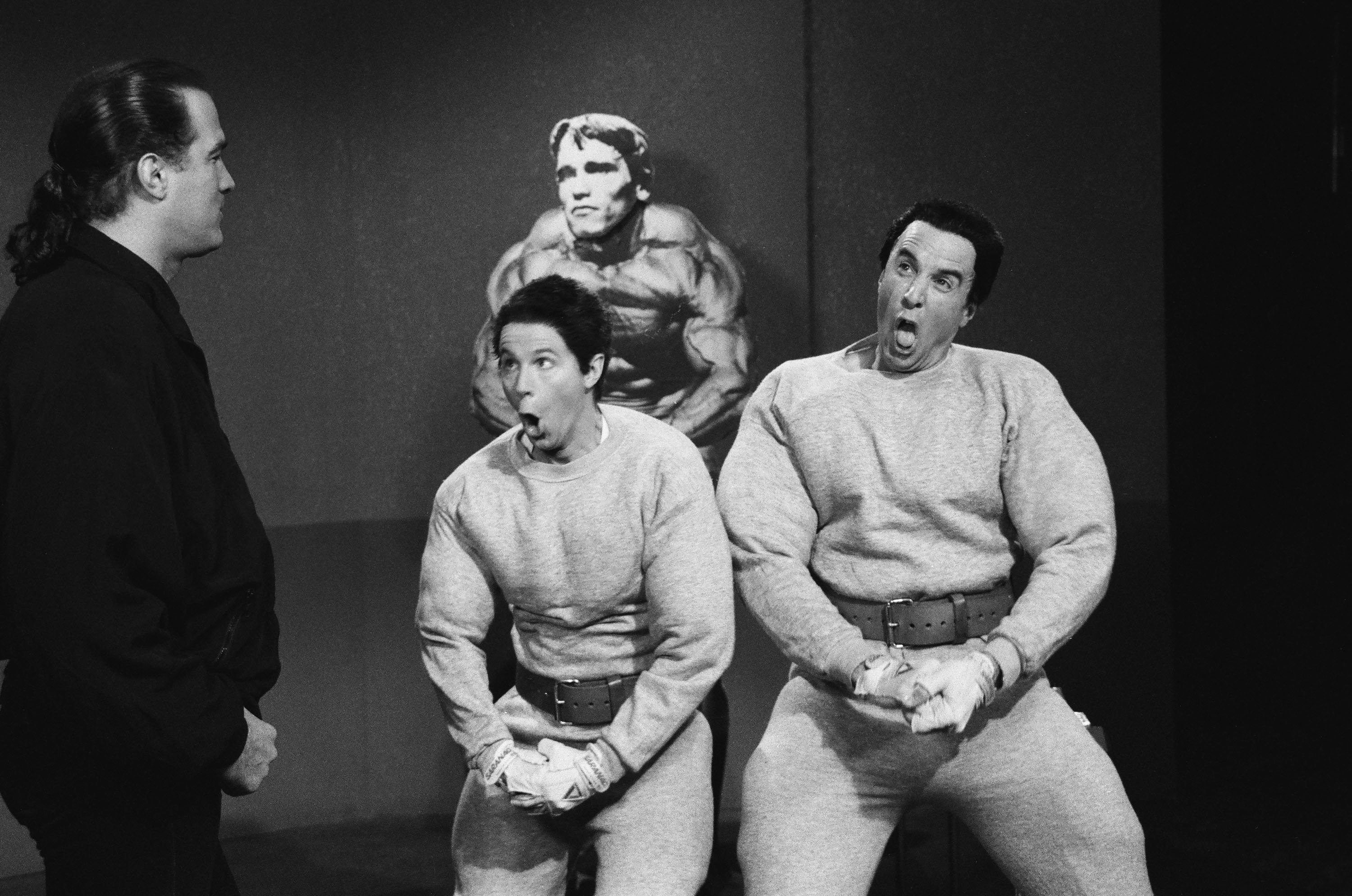
Bob Odenkirk’s tenure as a writer for Saturday Night Live (SNL) between 1987 and 1991 represents a critical, often overlooked turning point in the evolution of modern sketch comedy. While he is now globally recognized for his dramatic...
Bob Odenkirk’s tenure as a writer for Saturday Night Live (SNL) between 1987 and 1991 represents a critical, often overlooked turning point in the evolution of modern sketch comedy. While he is now globally recognized for his dramatic pivots in Breaking Bad and Better Call Saul, his early years in the SNL writers' room helped codify an era of "alternative" humor that prioritized absurdity, meta-commentary, and a subversion of traditional television pacing.
Contents
The Landscape of SNL in the Late 1980s
When Bob Odenkirk joined the staff in 1987, Saturday Night Live was in a period of necessary reinvention. The show had survived the creative instability of the early 80s and was beginning to cultivate a new generation of talent, including Phil Hartman, Dana Carvey, and Jan Hooks. The writers' room was a high-pressure environment characterized by a struggle between "commercial" mass-appeal sketches and the avant-garde sensibilities that would eventually define the nineties.
Odenkirk brought with him a background steeped in the Chicago comedy scene and an affinity for the kind of sketch work that felt dangerous, weird, and distinctly anti-sitcom. Alongside fellow writers like Conan O’Brien, Robert Smigel, and Greg Daniels, Odenkirk functioned as an architect of a specific brand of irony that moved the show away from the heavy reliance on celebrity impressions and toward character-driven, surrealist vignettes.
Key Contributions and Notable Sketches
Odenkirk’s impact was not necessarily defined by sketches that became cultural touchstones in the traditional sense, but by the structural DNA he injected into the writing. His collaboration with Smigel and O’Brien yielded sketches that often mocked the format of television itself.
One of his most significant contributions was the creation of the character "Matt Foley: Motivational Speaker," performed by Chris Farley. While the sketch gained its ultimate fame in the 1990s, the conceptual roots—the hyper-specific, pathetic, and physically aggressive nature of the character—reflected the kind of character studies Odenkirk favored. He helped shift the focus of SNL from "clever celebrity riffs" to "character-based degradation," where the comedy derived from the sheer, uncomfortable intensity of the performance rather than a political or pop-culture joke.
Comparison of Comedy Styles Influenced by Odenkirk’s Tenure
| Comedy Element | Traditional SNL (Pre-1987) | The Odenkirk Influence (1987-1991) |
|---|---|---|
| Pacing | Measured, setup-punchline rhythm | Erratic, repetitive, and surreal |
| Characterization | Broad, recognizable archetypes | Specific, pathetic, and deeply flawed |
| Meta-Humor | Rarely utilized | Central to the sketch structure |
| Target Audience | Mainstream broadcast viewer | Culturally savvy, irony-inclined youth |
The Philosophy of the "Weird" Sketch
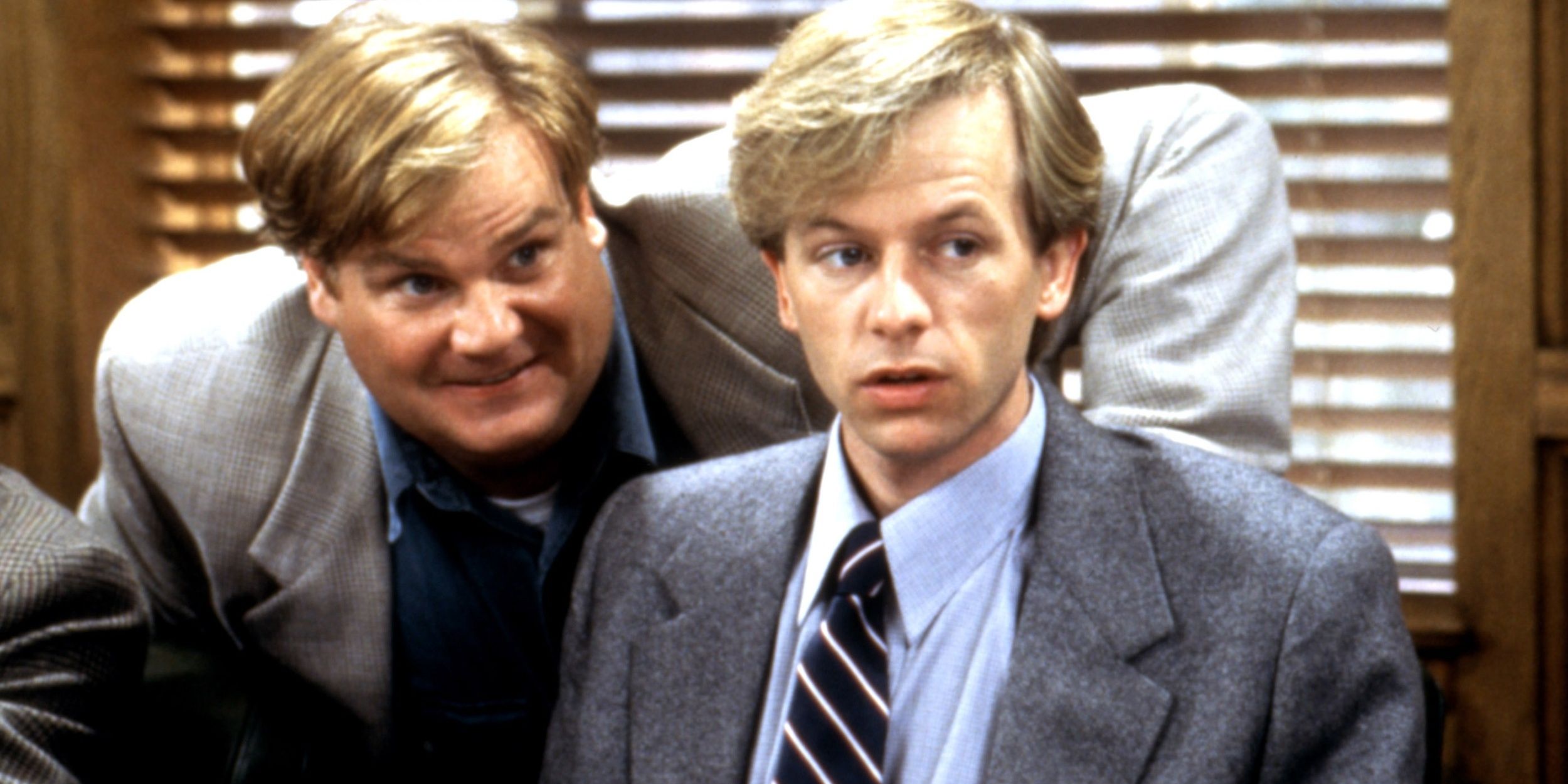
Odenkirk’s philosophy on comedy, as evidenced by his later work on Mr. Show with Bob and David, was clearly germinating during his SNL years. He favored the "hard turn"—a moment where a sketch abandons its initial premise to spiral into something nonsensical or nihilistic.
For many writers at the time, this was a difficult sell. Lorne Michaels, the long-standing executive producer, historically favored sketches that could land with a broad audience. Odenkirk’s tenure represents the friction between the constraints of network television and the impulses of the "alternative" comedy underground. By pushing for sketches that were intentionally "not funny" in the traditional sense, Odenkirk helped pave the way for the subversive comedic aesthetic that would come to define the late 90s and early 2000s.
Transitioning to Mr. Show: The Legacy of SNL Training
The primary frustration Odenkirk faced at SNL was the "filter." Much of what he wrote was either cut during the dress rehearsal or rewritten to be more palatable for a mainstream audience. This frustration became the catalyst for his departure.
Leaving the show in 1991 was, in retrospect, the most important career move he could have made. It allowed him to take the "stray parts"—the bits that SNL rejected—and synthesize them into Mr. Show. In this sense, his time at SNL served as a laboratory. He learned how to handle the machine of network television and, subsequently, learned exactly how to break that machine effectively. The sketches that died in the SNL writers' room provided the foundational architecture for the fast-paced, interconnected, and highly surreal sketches that appeared on HBO years later.
Why the Influence Remains Relevant in 2026
In 2026, the landscape of digital content creation mirrors the sensibilities Odenkirk was pushing for in the late 80s. Short-form video platforms and viral comedy creators prioritize the "hard turn," the niche character study, and meta-commentary. The modern comedy viewer is accustomed to content that doesn't hold their hand or follow a traditional narrative arc.
Odenkirk’s legacy at SNL is the validation of this specific type of comedy. He proved that even within the most rigid, commercial frameworks, there is space for the surreal and the abrasive. His trajectory—from a frustrated writer of "too weird" sketches to an award-winning actor—serves as a roadmap for comedic creators who operate outside the mainstream.
Frequently Asked Questions
1. Did Bob Odenkirk perform on camera during his time at SNL? While he was primarily hired as a writer, Odenkirk did make occasional on-camera appearances in background roles or small bits. However, his primary contribution was strictly behind the scenes in the writers' room.
2. Which specific sketches is Bob Odenkirk credited with writing? His credits include a wide variety of collaborative pieces. Most notably, he is often credited with helping to craft the specific, high-intensity voice for characters like Chris Farley’s "Matt Foley." He also contributed heavily to various satirical commercials and "Weekend Update" segments.
3. Why did he leave Saturday Night Live? Odenkirk has frequently stated in interviews that he felt he wasn't a good fit for the show's specific demands and that he was frustrated by how many of his sketches were cut or heavily sanitized for broadcast. He sought creative autonomy that the SNL format could not provide.
4. How did his SNL experience influence Mr. Show? Mr. Show with Bob and David was effectively an anthology of the types of sketches SNL rejected. Odenkirk took the structural lessons of sketch writing—timing, escalation, and character work—and removed the "censor" of the network, allowing for darker, more experimental content.
5. Is Bob Odenkirk's style considered "alternative comedy"? Yes. Odenkirk is widely regarded as one of the architects of the "alt-comedy" movement. His focus on irony, discomfort, and the deconstruction of traditional sketch tropes moved comedy away from the "punchline-driven" model of the 70s and 80s.
Strategic Recommendations for Comedy Writers
For those studying the evolution of sketch comedy, the primary takeaway from Odenkirk’s career is the importance of the "voice." His tenure at SNL teaches that a creative professional’s most rejected ideas often hold the seeds of their most successful future work. Do not discard material simply because it does not fit an existing format. Instead, catalog these ideas, refine them, and recognize that the "failure" of a piece in a commercial setting is often an indicator of a unique artistic signature that requires a different, more hospitable platform.
Image Gallery