Understanding Cruise Safety and Incident Management: Assessing Carnival Cruise Accident 2025 Reports
Navigating the nuances of cruise ship safety requires distinguishing between headline-grabbing incidents and the standard operational protocols that define the industry. When inquiries regarding a "Carnival Cruise accident 2025" arise,...
Navigating the nuances of cruise ship safety requires distinguishing between headline-grabbing incidents and the standard operational protocols that define the industry. When inquiries regarding a "Carnival Cruise accident 2025" arise, they often stem from public concern following reports of mechanical issues, medical emergencies, or minor navigational adjustments that occurred during that calendar year. Passengers seeking clarity on these events should focus on official maritime investigations, cruise line safety disclosures, and the regulatory frameworks that govern international waters.
Contents
The Landscape of Cruise Industry Safety
To evaluate any specific incident, it is essential to understand that the cruise industry operates under strict international maritime law, primarily the International Convention for the Safety of Life at Sea (SOLAS). When a vessel experiences an incident, the cruise line must report it to the flag state of the ship and, if operating in U.S. waters, the United States Coast Guard (USCG).
In 2025, several Carnival Cruise Line vessels continued to operate at high capacity. Public perception of an "accident" often conflates major structural failures—which are statistically extremely rare—with routine operational events. Operational events may include temporary engine cooling issues, localized power fluctuations, or diverted itineraries due to inclement weather. While these events can disrupt a vacation, they are rarely safety-critical in the way media headlines occasionally suggest.
Distinguishing Between Types of Maritime Incidents
When analyzing reported issues from 2025, experts categorize maritime events by their severity and their impact on the vessel’s propulsion and passenger services. Understanding these categories helps clarify what constitutes a true safety incident versus an inconvenience.
- Mechanical Propulsion Issues: These typically involve issues with a ship’s Azipod or engine systems. These problems may lead to slower transit speeds or diverted ports, impacting the cruise itinerary but remaining within the safety tolerances established by the ship’s classification society.
- Medical Emergencies: The most frequent "incidents" on any cruise ship involve medical evacuations. Due to the high number of elderly passengers and the nature of cruising, ships often coordinate with the USCG or local authorities to transport passengers to shoreside facilities. These are standard procedures and not reflective of ship safety flaws.
- Navigational Adjustments: Weather-related rerouting is common. Ships are equipped with advanced radar and meteorological data to avoid storm systems. A change in route is a proactive safety measure, not a reactive accident.
Regulatory Oversight and Reporting Standards
The cruise industry is heavily regulated to ensure transparency. In the United States, the Cruise Vessel Security and Safety Act (CVSSA) mandates the reporting of crimes and serious incidents. Additionally, the Centers for Disease Control and Prevention (CDC) manages the Vessel Sanitation Program (VSP), which inspects ships for health safety.
If a significant accident occurs, the investigation is typically handled by the flag state of the ship (such as Panama or the Bahamas) in coordination with international bodies like the International Maritime Organization (IMO). Information regarding these incidents is usually archived in formal maritime casualty investigation reports. Passengers who feel a specific 2025 event was misrepresented by third-party sources should verify details through the official USCG Marine Casualty Investigation files or the cruise line’s own investor relations safety reports, which are required to disclose any material risks to the business.
Table: Categorizing Maritime Operational Events
The following table provides a breakdown of how common cruise incidents are categorized regarding their actual impact on passenger safety and ship integrity.
| Incident Category | Typical Cause | Safety Impact | Operational Result |
|---|---|---|---|
| Mechanical/Propulsion | Engine or Thruster Failure | Low (Redundant systems) | Itinerary change/Delay |
| Medical Evacuation | Sudden Illness/Injury | None (Standard protocol) | Port or Coast Guard meetup |
| Weather Rerouting | High seas/Storms | Positive (Safety measure) | Itinerary adjustment |
| Sanitation/Public Health | Outbreaks (e.g., Norovirus) | Moderate (Requires hygiene) | Increased cleaning protocols |
| Major Collision/Grounding | Navigational error | High (Requires investigation) | Full NTSB/Coast Guard review |
The Role of Compensation and Passenger Rights
If a passenger was onboard a vessel that experienced an accident in 2025, their rights are governed by the "Ticket Contract." This legal document outlines the limitation of liability for the cruise line. It is a common misconception that every mechanical delay entitles a passenger to a full refund or significant financial compensation.
Generally, cruise lines provide "goodwill" compensation in the form of future cruise credits or partial refunds for missed port calls. However, if a passenger suffers a physical injury during an event, the legal landscape shifts from consumer protection to personal injury law. In these cases, documentation becomes paramount. Passengers should ensure they have:
- Medical reports from the ship’s infirmary.
- Written correspondence with the cruise line’s guest services department.
- Dated logs of the incident as it was explained by the ship’s Captain.
Addressing Misinformation
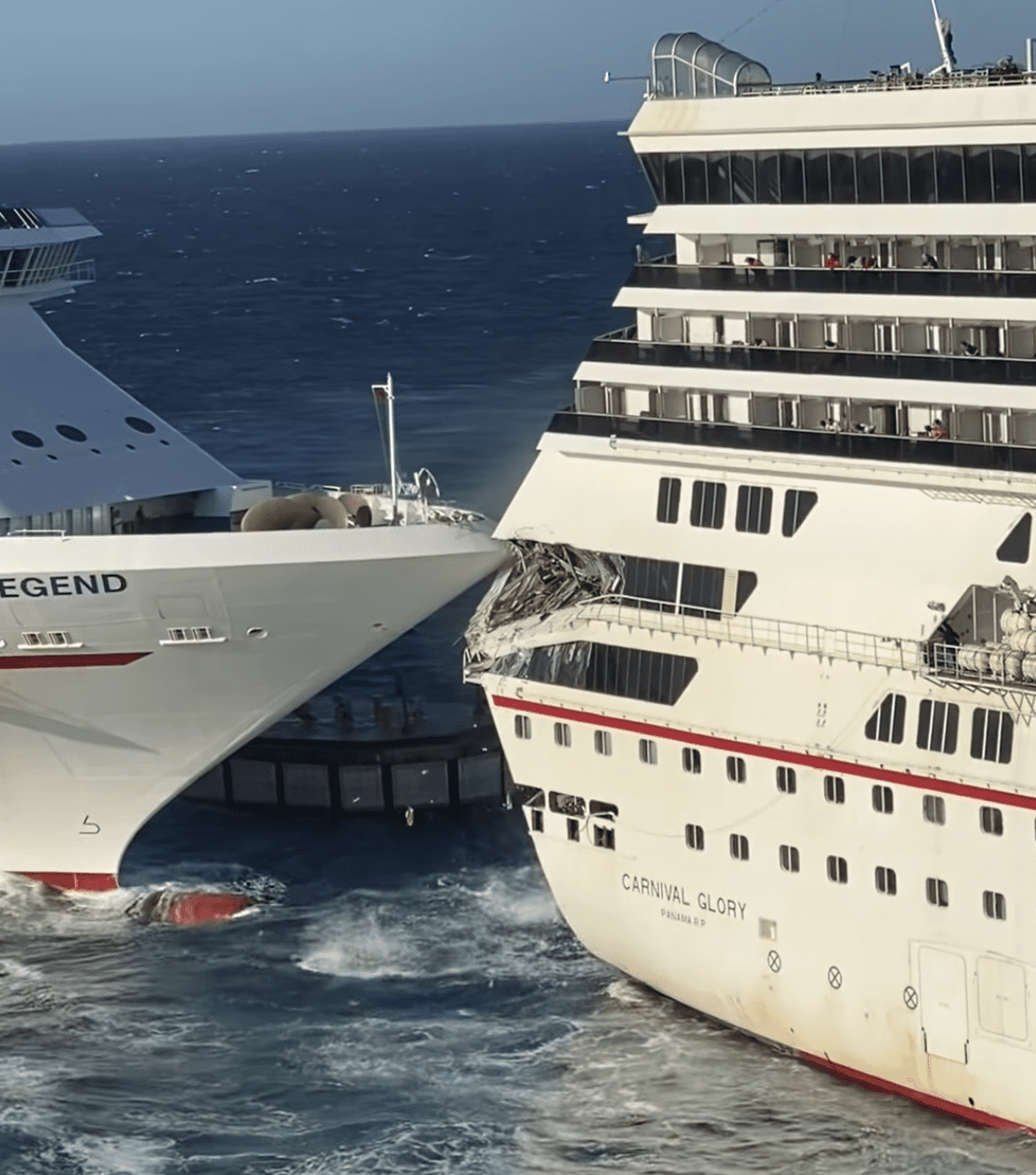
In the digital era, social media often amplifies reports of cruise incidents, stripping away the technical context. A video of a ship docking with a minor scuff on the hull may be labeled as a "collision," even if it was a controlled, low-impact maneuver common in maritime operations. When researching a "Carnival Cruise accident 2025," look for primary source attribution. If a report lacks a date, a specific ship name, or a link to a verified news organization or government maritime report, it should be treated with extreme skepticism.
Frequently Asked Questions
Did any Carnival cruise ships sink or suffer major structural failure in 2025? No. There were no major structural failures or sinkings involving Carnival Cruise Line vessels in 2025. Any reports suggesting such catastrophic events are factually incorrect and likely stem from misidentified minor mechanical delays.
How can I verify if my 2025 cruise was impacted by a recorded safety incident? You can check the USCG’s Marine Information Safety and Law Enforcement (MISLE) database or search the maritime safety records of the specific vessel name and hull number. These databases contain official reports on all reported accidents or technical failures.
Are medical emergencies on cruise ships considered "accidents"? No. In the maritime industry, a medical emergency is treated as a routine logistical event. It does not reflect negatively on the safety or mechanical integrity of the ship.
What should I do if my cruise was significantly delayed due to a mechanical issue? Review your ticket contract first, as it defines the scope of the cruise line's liability. Contact Carnival’s corporate guest relations department with your booking reference number and specific details regarding the duration and impact of the delay to request documented compensation.
Are reports of "power outages" on cruise ships common? Localized power fluctuations can happen on any large vessel due to electrical maintenance or power management systems shifting loads. While inconvenient, these are rarely total power failures and are managed by redundant power systems to maintain essential services like navigation and emergency lighting.
Moving Forward with Informed Expectations
If you are planning a future cruise or reviewing a past experience from 2025, remember that large cruise ships are sophisticated, self-contained cities. Occasional maintenance requirements, weather-related diversions, and medical responses are part of the operational reality of maritime travel. For those seeking compensation or legal recourse regarding a past event, the primary recommendation is to consult the specific terms of the passage contract provided at the time of booking, as these terms strictly limit the liability of the carrier and dictate the venue for potential legal action. For ongoing safety concerns, monitor the updates provided by the cruise line’s official maritime safety disclosures and the USCG bulletins.
Image Gallery