How to Get Whole Life Insurance Online
To get whole life insurance online in 2026, you must select a digital provider, calculate your required coverage, and complete an electronic application. The process involves submitting personal and medical data for digital underwritin...
To get whole life insurance online in 2026, you must select a digital provider, calculate your required coverage, and complete an electronic application. The process involves submitting personal and medical data for digital underwriting, reviewing your personalized quote, and signing the policy documents via secure e-signature platforms to activate coverage.
Contents
Understanding the Landscape of Whole Life Insurance in 2026
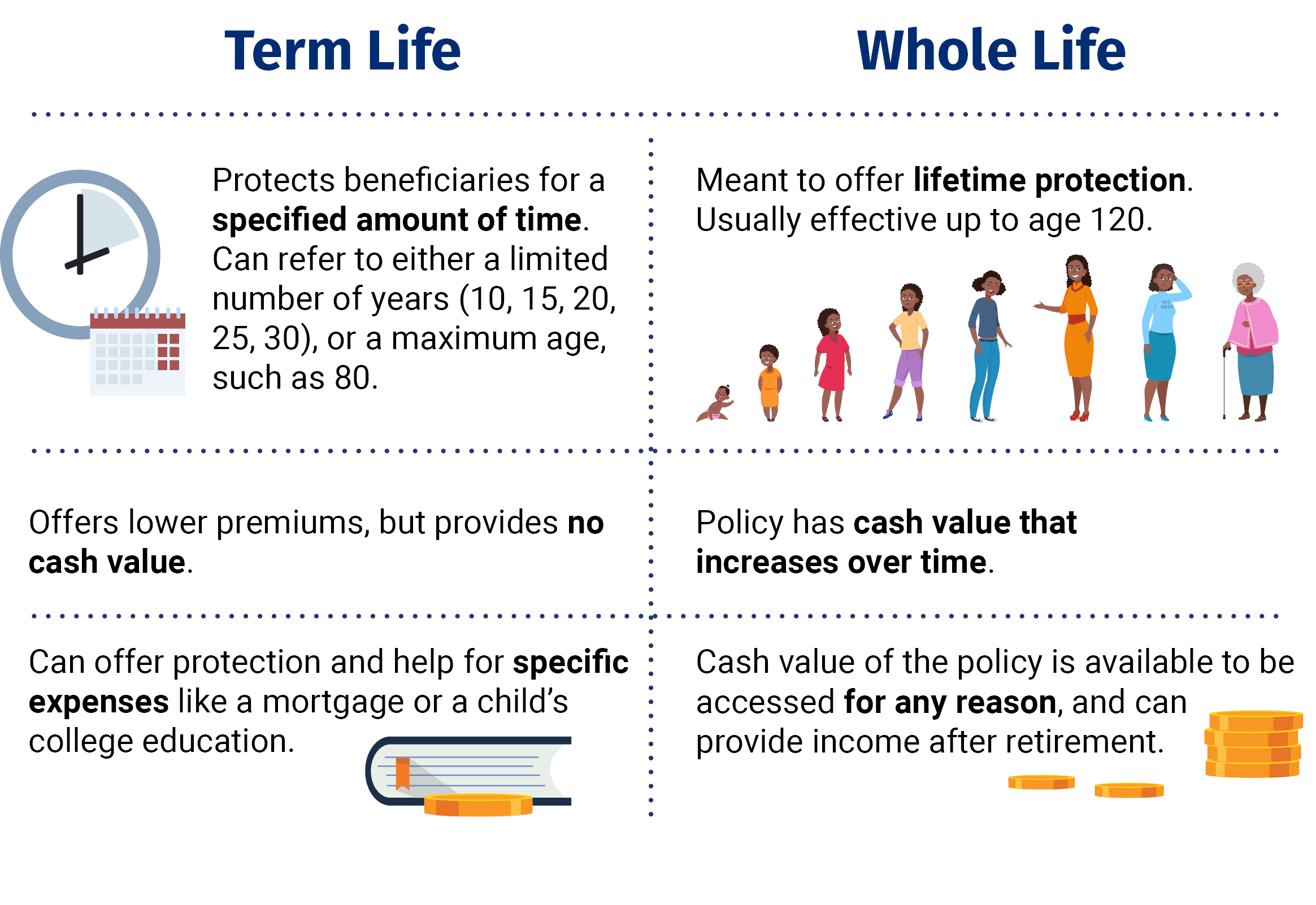
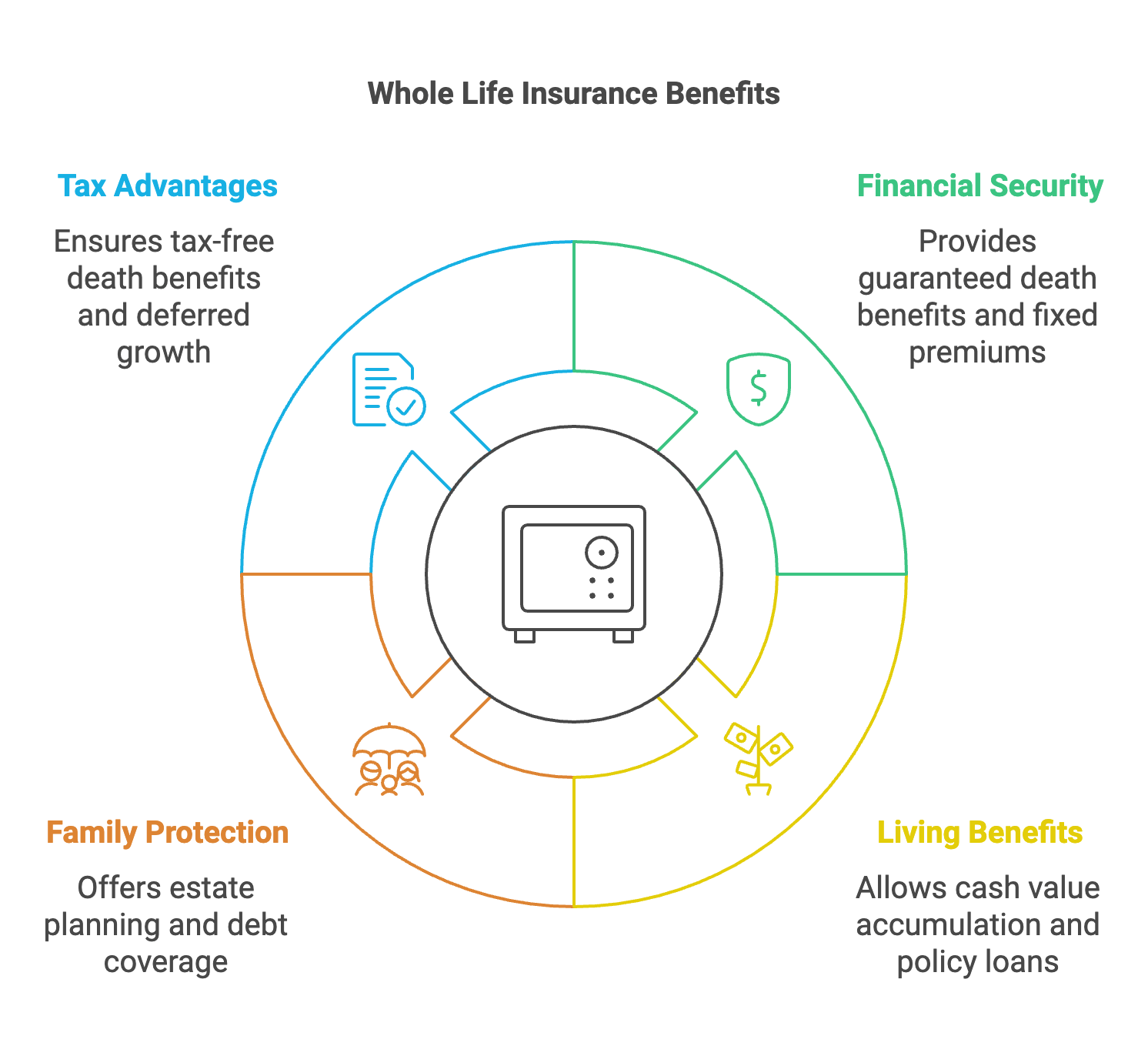
Whole life insurance remains a cornerstone of permanent financial planning because it offers a death benefit that never expires, provided premiums are paid. Unlike term life insurance, which only covers a specific period, whole life insurance accumulates cash value over time. This cash value acts as a living benefit, allowing policyholders to borrow against the equity or even surrender the policy for its accumulated value in later years.
As of 2026, the process of acquiring these complex financial instruments has shifted significantly toward digital-first platforms. While traditionally these policies required lengthy consultations with specialized agents, modern insurance technology (InsurTech) allows for a more streamlined, transparent, and self-directed experience. Getting whole life insurance online now provides the benefit of side-by-side comparison tools and "accelerated underwriting," which can often bypass the need for a physical medical examination for qualified applicants.
When shopping online, it is essential to distinguish between participating and non-participating policies. Participating policies, often issued by mutual insurance companies, may pay dividends to policyholders based on the company's financial performance. These dividends can be used to purchase "paid-up additions," increasing the death benefit and cash value without additional out-of-pocket costs. Understanding these nuances is the first step before initiating an online application.
Prerequisites for a Successful Online Application
Before navigating to an insurance portal, gathering the necessary documentation will prevent session timeouts and ensure the accuracy of your quote. Accuracy is paramount; material misrepresentations during the online application can lead to a denial of claims or policy rescission later.
To complete the process efficiently, prepare the following:
- Personal Identification: Your Social Security number, driver’s license, and proof of citizenship or residency.
- Financial Data: An estimate of your annual income, net worth, and existing debt obligations. The insurer uses this to ensure the policy size is appropriate for your financial situation.
- Medical History: A summary of past diagnoses, surgeries, and current medications. Online systems in 2026 frequently connect to the Medical Information Bureau (MIB) and prescription databases to verify this information in real-time.
- Beneficiary Details: Full names, dates of birth, and Social Security numbers for those who will receive the death benefit.
The "online" aspect of this process does not mean it is less rigorous. Carriers use sophisticated algorithms to analyze your risk profile. Having these details ready ensures that the digital underwriting engine receives a complete picture, which often results in a faster "instant-issue" decision.
Step-by-Step Guide to the Online Purchase Process
The path from "getting a quote" to "active policy" involves several distinct phases. Following these steps ensures you do not overlook critical financial protections.
1. Calculate Your Coverage Needs
Before looking at prices, determine why you need the policy. Whole life is often used for final expenses, estate planning, or as a vehicle for long-term wealth accumulation. A common rule of thumb is 10 to 15 times your annual income, but for whole life, you must also consider the "funding level"—how much you can comfortably commit to a permanent premium that will likely last for the rest of your life.
2. Utilize Online Comparison Tools
Do not apply at the first site you visit. Use independent comparison engines that aggregate data from multiple highly-rated carriers. Look for companies with high financial strength ratings from agencies like A.M. Best or Moody’s. In 2026, these ratings are often integrated directly into quote results to help consumers judge the long-term stability of the insurer.
3. Complete the Digital Application
Once you select a provider, you will fill out a multi-part questionnaire. This covers lifestyle choices (such as smoking or high-risk hobbies like SCUBA diving) and medical history. Most 2026 platforms use "reflexive questioning," meaning if you answer "yes" to a health condition, the system will automatically present follow-up questions to clarify the severity.
4. Navigate the Underwriting Phase
This is where the insurer evaluates your risk. There are three main paths in the online environment:
- Accelerated Underwriting: Uses data (MVR records, pharmacy scripts, credit-based insurance scores) to approve you in minutes or hours without a medical exam.
- Simplified Issue: Requires no exam but usually has higher premiums and lower coverage limits.
- Fully Underwritten: May require a "para-med" exam (where a nurse visits your home). Even when started online, some high-value whole life policies still require this for the most competitive rates.
5. Policy Delivery and Payment
If approved, you will receive a digital "policy packet." Review the Free Look Period, which is a legally mandated timeframe (usually 10 to 30 days depending on the jurisdiction) during which you can cancel the policy for a full refund if you are unsatisfied with the terms. Once you sign electronically and make the first premium payment via ACH or credit card, the coverage is in force.
Evaluating Policy Types and Features
Not all online whole life policies are identical. The structure of the policy dictates how the cash value grows and how much you pay.
| Policy Type | Primary Purpose | Cash Value Growth | Premium Structure |
|---|---|---|---|
| Traditional Whole Life | Lifetime protection & savings | Fixed, guaranteed rate | Level premiums for life |
| Single Premium | Estate planning / Wealth transfer | High immediate cash value | One large upfront payment |
| Graded Benefit | Coverage for those with health issues | Slow initial growth | Higher premiums; limited early death benefit |
| Final Expense | Burial and end-of-life costs | Minimal | Low face amounts ($2k - $25k) |
| Limited Pay | Eliminating debt in retirement | Accelerated growth | Higher premiums for a set period (e.g., 10 or 20 years) |
The Role of Accelerated Underwriting in 2026
The most significant advancement in getting whole life insurance online is the maturity of Accelerated Underwriting (AU). By 2026, the algorithms used by major insurers have become incredibly precise. These systems pull data from thousands of touchpoints to build a risk profile that historically required a blood draw and a physical exam.
For the consumer, this means that if you are in relatively good health and have a clean driving record, you can often secure a $500,000 or $1,000,000 whole life policy in the same amount of time it takes to order groceries. However, if the AU system detects a "red flag"—such as an undisclosed chronic condition or a history of high-risk activity—it will "kick" the application to a human underwriter. This does not mean a denial; it simply means the process moves from "instant" to a standard 2-to-4-week timeline.
It is also important to note the National Association of Insurance Commissioners (NAIC) guidelines regarding data privacy. In 2026, insurers are required to be transparent about what data they use to make these automated decisions. If you are denied or "rated" (given a higher price) based on automated data, you have the right to see that data and contest inaccuracies.
Common Pitfalls When Buying Online
Buying financial products without a face-to-face advisor requires a higher level of diligence. One common mistake is focusing solely on the monthly premium while ignoring the internal rate of return (IRR) on the cash value. Since whole life is a long-term asset, a policy that is $10 cheaper per month but has significantly worse cash value growth may cost you tens of thousands of dollars over thirty years.
Another error is failing to understand riders. Riders are optional add-ons that customize your coverage. Common riders available in online applications include:
- Waiver of Premium: Pays your premiums if you become totally disabled.
- Accelerated Death Benefit: Allows you to access a portion of the death benefit if diagnosed with a terminal illness.
- Chronic Illness Rider: Provides funds if you cannot perform daily living activities, similar to long-term care insurance.
In a digital interface, these are often "toggles" or checkboxes. It is easy to skip them to save money, but for many families, these riders provide the "living benefits" that make whole life insurance a superior tool compared to simpler term policies.
Verification and Safety Measures
Financial security is the primary goal of insurance, so the platform you use must be secure. Ensure the website uses high-level encryption (look for the padlock symbol and HTTPS). Furthermore, verify that the company is licensed to sell insurance in your specific state. The Insurance Information Institute provides resources to help consumers understand state-specific regulations and protections, such as State Guaranty Associations, which protect policyholders if an insurance company becomes insolvent.
Always cross-reference the "Direct-to-Consumer" brand with the actual underwriting company. Many sleek 2026 apps are actually agencies or "front-ends" for older, established insurance carriers. Knowing who is actually holding the risk—and checking their specific financial ratings—is a vital step in your online due diligence.
FAQ
Can I get whole life insurance online without a medical exam?
Yes, in 2026, many carriers offer "no-exam" whole life insurance through accelerated underwriting. These policies use your digital footprint, including medical records and prescription history, to assess risk. While convenient, these policies may have slightly higher premiums or lower coverage caps than those requiring a full exam, depending on your health profile.
Is online whole life insurance more expensive than buying through an agent?
Generally, the base price of the policy is the same whether purchased online or through an agent, as insurance rates are strictly regulated by state departments of insurance. However, some online-only "direct" products may have lower administrative fees because they do not pay a traditional agent commission, though this varies by carrier.
How long does the online application process take?
The initial application typically takes 15 to 30 minutes. If you qualify for accelerated underwriting, approval can be near-instant or take a few days. If the insurer requires additional medical records or a physical exam, the process can extend to several weeks.
What happens to my cash value if the online insurance company goes out of business?
Insurance is heavily regulated at the state level. If a carrier fails, State Guaranty Associations step in to provide protection for policyholders, up to certain limits (often $300,000 to $500,000 for life insurance death benefits and cash values). Always choose carriers with high ratings from A.M. Best or similar agencies to minimize this risk.
Can I change my beneficiaries online after the policy is issued?
Most modern insurance portals provide a "self-service" dashboard where you can update beneficiaries, change your payment method, and view your current cash value. You will typically need the new beneficiary’s Social Security number and date of birth to complete the digital update.
Final Recommendation
When seeking whole life insurance online in 2026, prioritize transparency and financial strength over the fastest checkout process. Start by using a reputable comparison tool to identify the top three carriers for your age and health bracket. Once you have a shortlist, review the specific "illustration"—a document that projects your cash value and death benefit over several decades—to ensure the policy aligns with your long-term wealth goals. If you have complex estate needs or a history of significant health issues, use the online portal to start the process, but do not hesitate to request a consultation with a licensed professional to ensure your policy is structured correctly.
Image Gallery