The Evolution of the Iron Chef: From Culinary Combat to the Quest for the Iron Legend
The Iron Chef franchise is the definitive pillar of competitive culinary television, originating in Japan in 1993 before evolving into a global phenomenon. It centers on "Kitchen Stadium," where elite chefs battle challengers using a s...
The Iron Chef franchise is the definitive pillar of competitive culinary television, originating in Japan in 1993 before evolving into a global phenomenon. It centers on "Kitchen Stadium," where elite chefs battle challengers using a secret ingredient. The legacy reached a pinnacle with the "Iron Legend" title, representing the highest achievement in modern high-stakes cooking competition.
Contents
The Foundations of Kitchen Stadium: Origins in Japan
To understand the status of an "Iron Legend" in 2026, one must look back to the 1993 debut of Ryōri no Tetsujin on Fuji Television. This was not merely a cooking show; it was a stylized, operatic spectacle that framed culinary arts as a blood sport. Led by the flamboyant Chairman Takeshi Kaga, the original series established the Iron Chefs as invincible "gods of cookery."
The original roster—featuring legends like Rokusaburo Michiba (Japanese), Chen Kenichi (Chinese), and Hiroyuki Sakai (French)—set a standard for technical proficiency and creativity that remains the benchmark for professional chefs today. The Japanese production combined rigorous traditional techniques with avant-garde presentation, often involving ingredients that were rare or prohibitively expensive. This era introduced the concept of the "Secret Ingredient," a mandatory component revealed seconds before the clock started, forcing chefs to demonstrate instant adaptability and deep ingredient knowledge.
The success of the Japanese original relied on a sense of "culinary honor." Unlike modern reality TV, the drama was found in the sweat, the knife work, and the silent intensity of the kitchen. When the show was dubbed and exported to the West, it retained its campy aesthetic but gained a cult following that eventually demanded a localized version.
Translating the Spectacle: Iron Chef America and Global Expansion
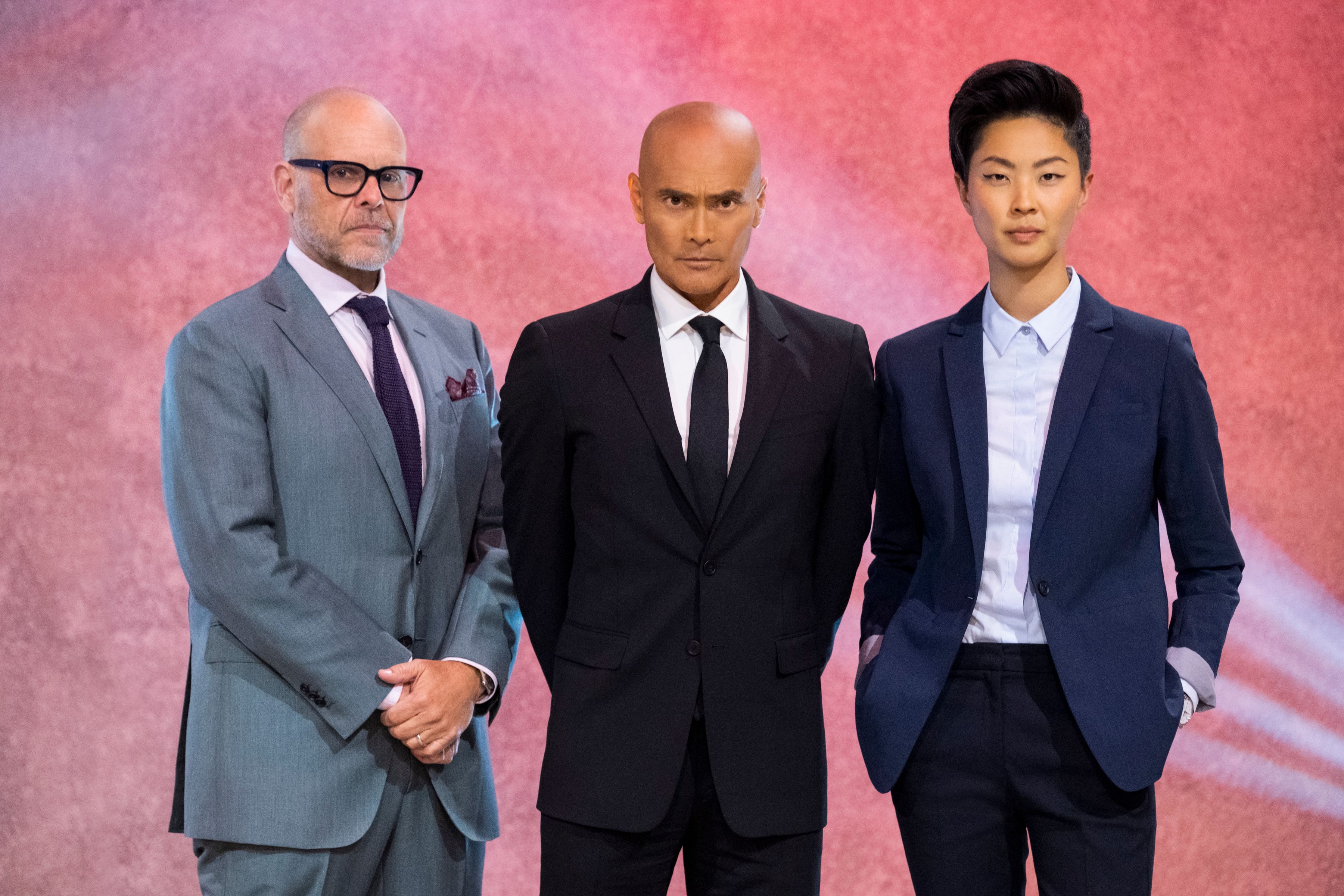
In 2005, Iron Chef America launched on Food Network, moving the franchise into a more streamlined, sport-like format. This version, hosted by Chairman Mark Dacascos and commentated by Alton Brown, brought scientific rigor and high-definition clarity to the competition.
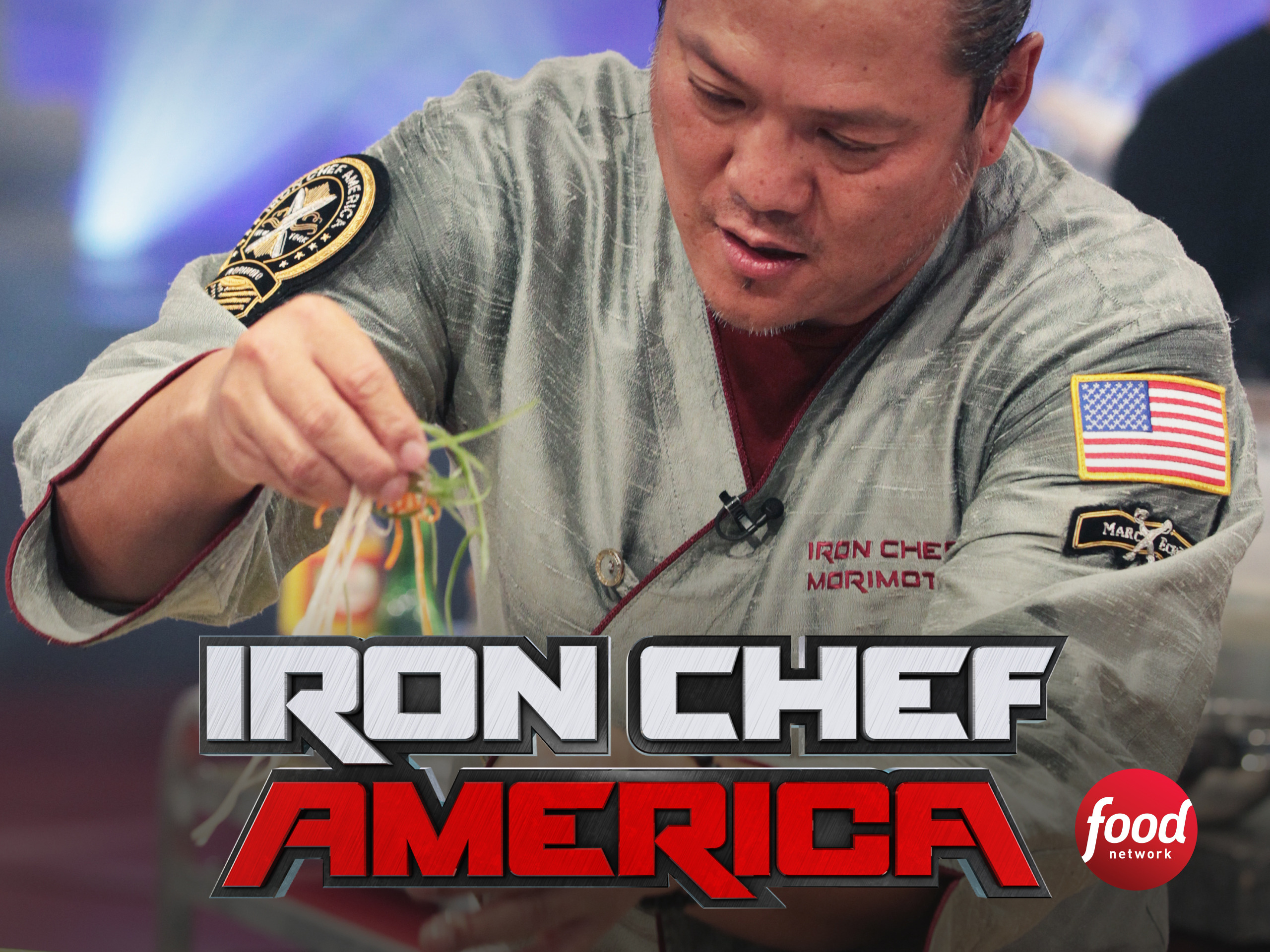
The American iteration produced its own set of "Legends," including Bobby Flay, Mario Batali, and Masaharu Morimoto (the only chef to hold the title in both Japan and the U.S.). This era was characterized by the "Battle of the Titans" atmosphere, where Iron Chefs were treated as professional athletes. The technical depth of the show increased; viewers were treated to detailed explanations of sous-vide cooking, foaming agents, and the intricate chemistry of baking.
The franchise's impact on the restaurant industry was profound. Winning—or even appearing—on the show could triple a restaurant's reservation list overnight. It popularized "fusion" cuisine and pushed ingredients like yuzu, pork belly, and truffles into the mainstream consciousness. By the time the original American run concluded, the foundation was laid for a version that would seek to crown the ultimate competitor: the Iron Legend.
The Modern Era: Iron Chef: Quest for an Iron Legend
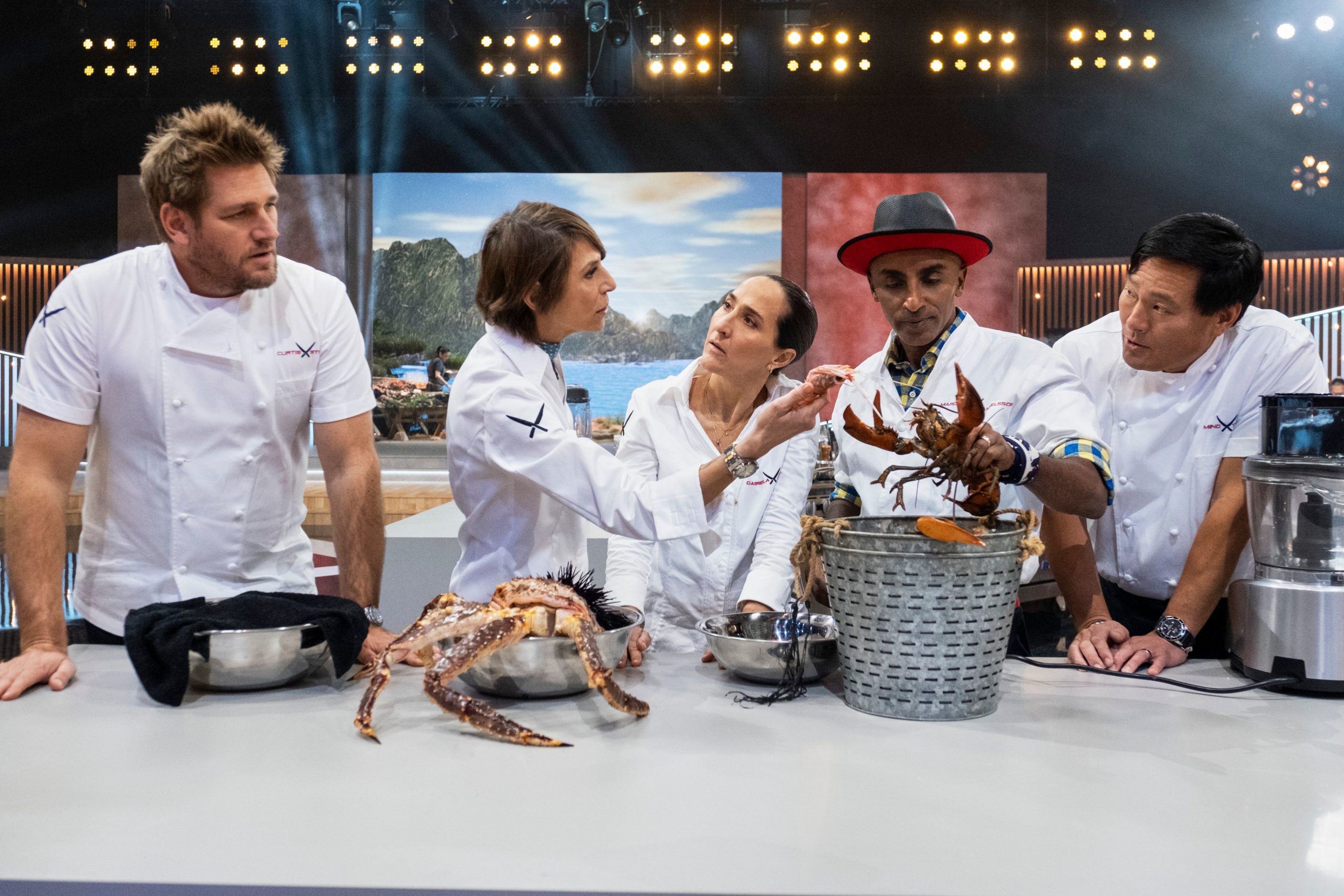
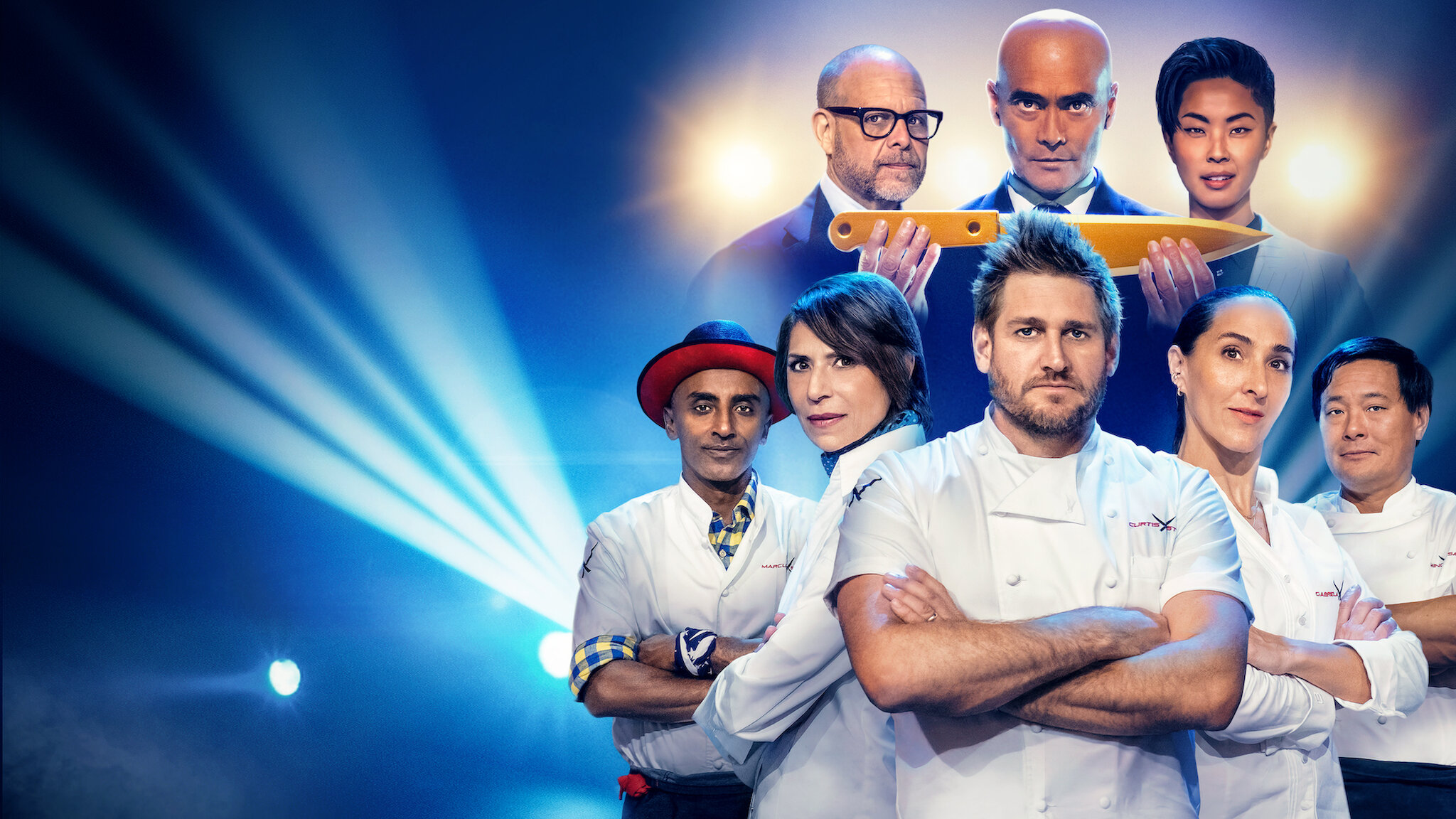
The revival of the franchise, specifically the 2022 Netflix series Iron Chef: Quest for an Iron Legend, redefined the stakes for a new generation. In this format, five new Iron Chefs—Curtis Stone, Dominique Crenn, Marcus Samuelsson, Ming Tsai, and Gabriela Cámara—defended Kitchen Stadium against elite challengers. The ultimate goal was no longer just winning individual battles, but accumulating enough points to challenge the Iron Chefs in a final showdown for the title of "Iron Legend."
As of 2026, the "Iron Legend" status is viewed as the "Grand Slam" of the culinary world. It requires more than just high-speed cooking; it demands a mastery of global cuisines, sustainable sourcing, and the ability to tell a narrative through a five-course meal. The "Iron Legend" winner is someone who transcends the title of "chef" to become a cultural ambassador of gastronomy.
Key Innovations of the Iron Legend Era:
- Technological Integration: The use of advanced kitchen tech, such as centrifuge machines and blast chillers, became standard.
- Sustainability Metrics: Judging began to incorporate the ethical sourcing of ingredients and the reduction of food waste.
- Globalized Palates: The secret ingredients shifted from traditional proteins (lobster, beef) to more diverse and challenging items like jackfruit, fermented pastes, or specific regional heirloom grains.
The Mechanics of the Battle: Rules, Standards, and Judging
The integrity of the Iron Chef title depends on a rigid set of rules that have been refined over three decades. Whether in the original Japanese stadium or the high-tech 2026 environments, the core mechanics remain the same.
The Secret Ingredient and The Clock
Chefs are given exactly 60 minutes to prepare five distinct dishes. Each dish must feature the secret ingredient as a central component. While chefs are allowed a small team of sous-chefs (typically two), the "Iron Chef" must lead every aspect of the menu development and execution. The pressure is compounded by the "Culinary Curveball," a secondary ingredient or piece of equipment introduced mid-battle to test the chefs' ability to pivot under duress.
Judging Criteria and Scoring
In the quest for the Iron Legend title, the scoring system is meticulously balanced. A panel of three to four judges—usually comprising culinary critics, legendary retired chefs, and occasional celebrities with refined palates—evaluates the dishes on a 20-point scale per judge:
- Taste (10 Points): The most critical factor. This includes balance, seasoning, and the successful integration of the secret ingredient.
- Plating and Presentation (5 Points): The visual appeal and the "story" the plate tells.
- Originality (5 Points): The chef’s ability to use the ingredient in a way the judges have never seen before.
Comparing the Eras of Kitchen Stadium
The following table outlines the technical and stylistic shifts that led to the current "Iron Legend" standard.
| Feature | Original Japanese (1993-1999) | Iron Chef America (2005-2018) | Iron Legend Era (2022-2026) |
|---|---|---|---|
| Primary Focus | Theatricality & Tradition | Sporting Competition | Culinary Artistry & Precision |
| Commentary Style | Excitable/Narrative | Technical/Scientific | Analytical/Global Perspective |
| Secret Ingredients | High-Luxury (Shark Fin, Truffle) | Versatile (Bacon, Potato) | Sustainable/Global (Koji, Bison) |
| Kitchen Tech | Basic Gas/Ovens | Commercial Standard | Cutting-Edge/Molecular |
| The "Legend" Title | Implicit (The "Gods") | Institutional (The "Champs") | Explicit (The "Iron Legend") |
The Cultural and Professional Impact of the Franchise
The legacy of the Iron Chef extends far beyond the television screen. It essentially created the "Celebrity Chef" career path. Before this franchise, chefs were largely anonymous figures behind a kitchen door. Today, being an Iron Chef or an Iron Legend is equivalent to being a world-class athlete or a high-level executive.
Professionally, the show raised the bar for what is expected in high-end dining. It forced chefs to become comfortable with public speaking, live performance, and the rapid-fire innovation required in a 24-hour digital food culture. The "Iron Legend" represents the final evolution of this trend: a chef who is as comfortable discussing the chemistry of a ferment as they are the history of a rare chili pepper.
Common Mistakes for Challengers
Many elite chefs have entered Kitchen Stadium only to fail. The most common pitfalls include:
- Over-Complication: Trying to do too much in 60 minutes, leading to unfinished components.
- Ignoring the Ingredient: Using the secret ingredient as a garnish rather than the star.
- Lack of Leadership: Failing to delegate tasks to sous-chefs, causing the main chef to get bogged down in prep work.
FAQ
Who was the first Iron Chef?
The first Iron Chef was Rokusaburo Michiba, who served as Iron Chef Japanese from 1993 to 1996. He was known for his "No Borders" philosophy, occasionally breaking traditional Japanese culinary rules to incorporate Western ingredients and techniques.
What is the difference between an Iron Chef and an Iron Legend?
An Iron Chef is a permanent member of the Kitchen Stadium roster who defends their title against challengers. An "Iron Legend" is a specific title awarded to the winner of the Quest for an Iron Legend series, representing the "best of the best" among both Iron Chefs and elite challengers.
Is the food on Iron Chef actually cooked in 60 minutes?
Yes, the primary cooking occurs within the 60-minute clock. However, certain basic tasks (like boiling water or making basic stocks) are often prepared beforehand to ensure the focus remains on the creative application of the secret ingredient. In the "Iron Legend" era, strict oversight ensures that no "cheating" occurs during the prep phase.
How are the secret ingredients chosen?
Ingredients are chosen by the production's culinary team based on seasonality, versatility, and the specific skill sets of the competing chefs. The goal is to choose an ingredient that can work across appetizers, main courses, and even desserts.
Can a chef refuse to use a secret ingredient?
No. Failure to use the secret ingredient in every dish results in a significant point deduction, making it virtually impossible to win the battle.
Recommendation for Culinary Professionals
For those aspiring to the level of an Iron Legend, the path involves more than just speed. In 2026, the industry values versatility above all else. Aspiring competitors should master the "Golden Trio" of modern cooking: classical French technique, deep understanding of fermentation/chemistry, and a specialized knowledge of regional global cuisines (such as West African, Southeast Asian, or Indigenous American).
To prepare for the pressures of a Kitchen Stadium environment, chefs are encouraged to practice "black box" cooking—preparing meals from random ingredients with strict time limits—and to focus on the ergonomics of their kitchen movements to shave precious seconds off their prep time.
Image Gallery