All About Elvis Presley in Music: The Evolution and Impact of the King of Rock and Roll
Elvis Presley redefined the global musical landscape by synthesizing African-American rhythm and blues with white country and gospel traditions. From his 1954 debut at Sun Records to his 1970s concert era, his career established rock a...
Elvis Presley redefined the global musical landscape by synthesizing African-American rhythm and blues with white country and gospel traditions. From his 1954 debut at Sun Records to his 1970s concert era, his career established rock and roll as a dominant cultural force and influenced nearly every subsequent genre of popular music.
Contents
The Foundations of the Presley Sound: Fusion and Influence
To understand Elvis Presley's music, one must first look at the cultural melting pot of Memphis, Tennessee, in the early 1950s. Elvis did not "invent" rock and roll, but he became its most potent catalyst by blurring the rigid lines of the era's racial and social hierarchies. His sound was an organic fusion of the Pentecostal gospel he heard in church, the Mississippi Delta blues he sought out on Beale Street, and the country and western "hillbilly" music prevalent on the radio.
His early influences included artists like Sister Rosetta Tharpe, Arthur "Big Boy" Crudup, and B.B. King. From gospel, he took the emotional intensity and the use of the "blue note." From country, he adopted a narrative lyrical style and a rhythmic "twang." When combined, these elements created a sound that was initially difficult for radio stations to categorize; he was too "black" for country stations and too "white" for R&B stations. This ambiguity was exactly what made his music revolutionary.
The Sun Records Era (1954–1955): The Birth of Rockabilly
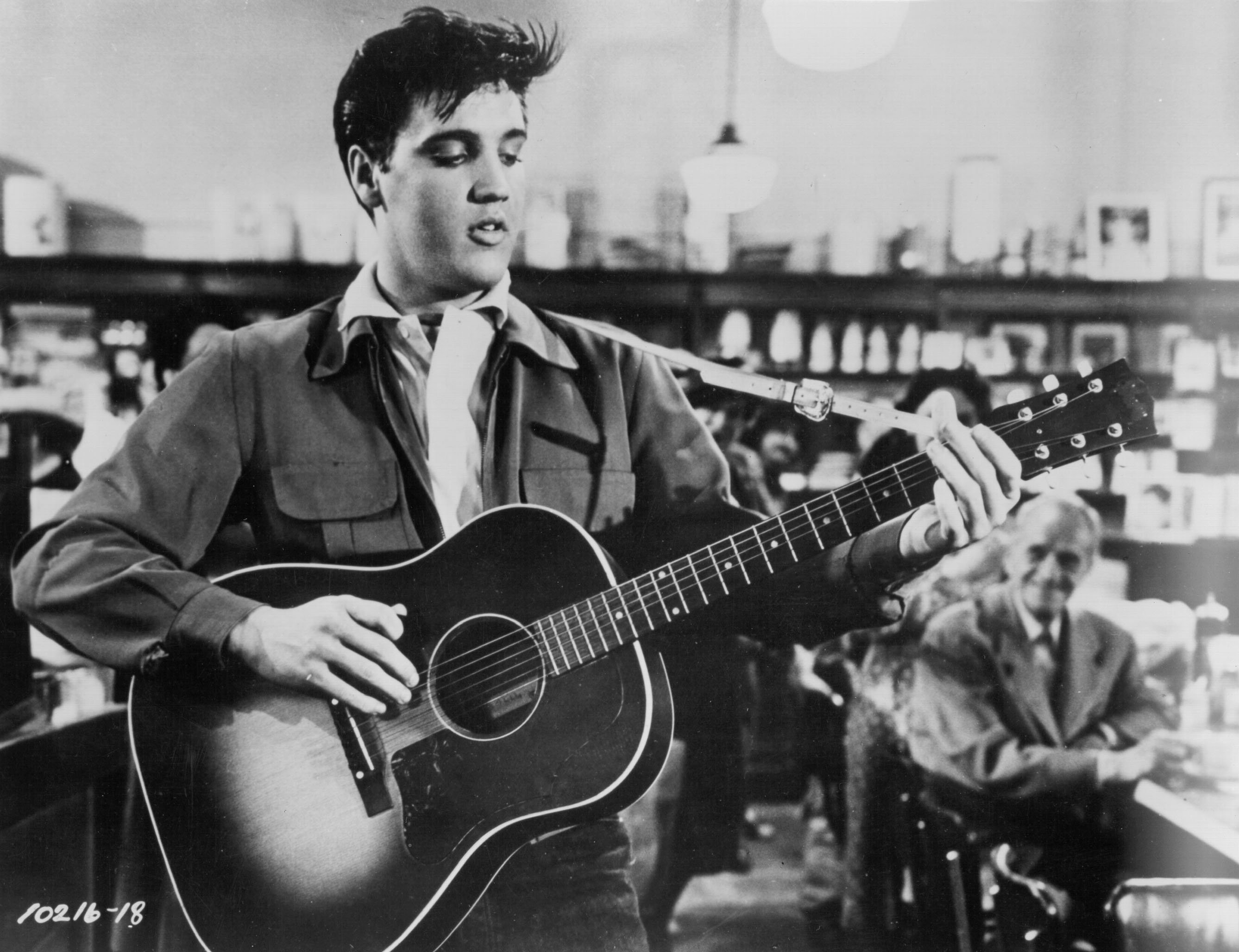
The genesis of Elvis’s professional musical journey occurred at Sun Records, under the guidance of producer Sam Phillips. Phillips was famously searching for a white singer who could capture the "negro sound" and the "negro feel" to bring R&B to a wider audience. On July 5, 1954, during a break in a recording session, Elvis began a high-energy, improvised version of Arthur Crudup’s "That’s All Right."
Accompanied by guitarist Scotty Moore and bassist Bill Black, this session birthed "Rockabilly"—a frantic, uptempo blend of country (hillbilly) and R&B. The technical hallmarks of these recordings included:
- The Slapback Echo: A production technique used by Phillips to create a shimmering, rhythmic delay on Elvis’s voice.
- The Absence of Drums: Early Sun tracks relied on Bill Black’s "slapping" bass technique to provide the percussion.
- Vocal Dynamics: Elvis utilized "hiccups," stutters, and sudden shifts from a low baritone to a falsetto, conveying a sense of raw, unpolished energy.
Tracks like "Blue Moon of Kentucky" and "Good Rockin' Tonight" solidified his regional fame and set the stage for a national takeover.
The RCA Victor Transition and National Stardom (1956–1958)
In late 1955, Elvis’s contract was sold to RCA Victor for an unprecedented $35,000. This move transitioned him from a regional phenomenon to a national icon. His first RCA single, "Heartbreak Hotel," released in early 1956, became a multi-chart number-one hit.
During this period, his music became more polished but lost none of its aggression. RCA added drums (D.J. Fontana) and a full vocal backing group, The Jordanaires, whose smooth harmonies provided a stark contrast to Elvis’s increasingly powerful lead vocals. 1956 saw a staggering run of hits, including "Hound Dog," "Don't Be Cruel," and "Love Me Tender." These songs showcased his versatility: he could transition from a snarling rock-and-roller to a tender, crooning balladeer within a single recording session.
| Era | Primary Genre | Key Technical Element | Essential Tracks |
|---|---|---|---|
| Sun Records (1954-55) | Rockabilly / Blues | Slapback echo, acoustic drive | "That's All Right," "Mystery Train" |
| Early RCA (1956-58) | Rock & Roll / Gospel | Full percussion, vocal backing | "Heartbreak Hotel," "Jailhouse Rock" |
| Hollywood Years (1960-67) | Pop / Soundtrack | Orchestral arrangements | "Can't Help Falling in Love," "Return to Sender" |
| Vegas/Concert (1969-77) | Adult Contemporary / Soul | Brass sections, power ballads | "Suspicious Minds," "An American Trilogy" |
Technical Analysis of the Presley Voice
Elvis Presley’s voice is often categorized as a baritone, yet it possessed an extraordinary range and flexibility that allowed him to reach tenor heights and bass depths. Musicians and critics often cite his "three-octave range" as a defining characteristic.
- Lower Register: He possessed a rich, resonant low end, often heard in his gospel recordings and later 1970s ballads.
- The "Vibrato": Elvis had a natural, rapid vibrato that added emotional weight to sustained notes, particularly in his later "power ballad" phase.
- Phrasing: His most significant technical gift was his phrasing. Like a jazz singer, he would often sing "behind the beat" or "ahead of the beat" to create tension. He frequently changed the melody of a song to suit his emotional delivery, a trait that made his covers often more famous than the original versions.
The Soundtrack Years and the '68 Comeback
After returning from military service in 1960, Elvis’s musical output shifted toward Hollywood movie soundtracks. While this era produced iconic hits like "Can't Help Falling in Love," many critics felt the music became formulaic and lacked the edge of his early work. By the mid-1960s, the "British Invasion" led by The Beatles and The Rolling Stones—both of whom cited Elvis as their primary inspiration—threatened to make him a relic of the past.
The turning point occurred with the 1968 NBC Television Special, commonly known as the "’68 Comeback Special." This performance stripped away the Hollywood artifice. Clad in black leather, Elvis returned to his rockabilly roots in a "sit-down" jam session. Musically, this showcased a more mature, soulful artist. The closing song, "If I Can Dream," demonstrated a newfound social consciousness and a vocal power that proved he was still a formidable force in the industry.
The Final Act: Soul, Country, and the Concert Years (1969–1977)
The final decade of Elvis’s career was defined by his return to live performances and a move toward a "big band" sound. Recording at American Sound Studio in Memphis in 1969, he produced "Suspicious Minds" and "In the Ghetto," tracks that incorporated elements of contemporary soul and social commentary.
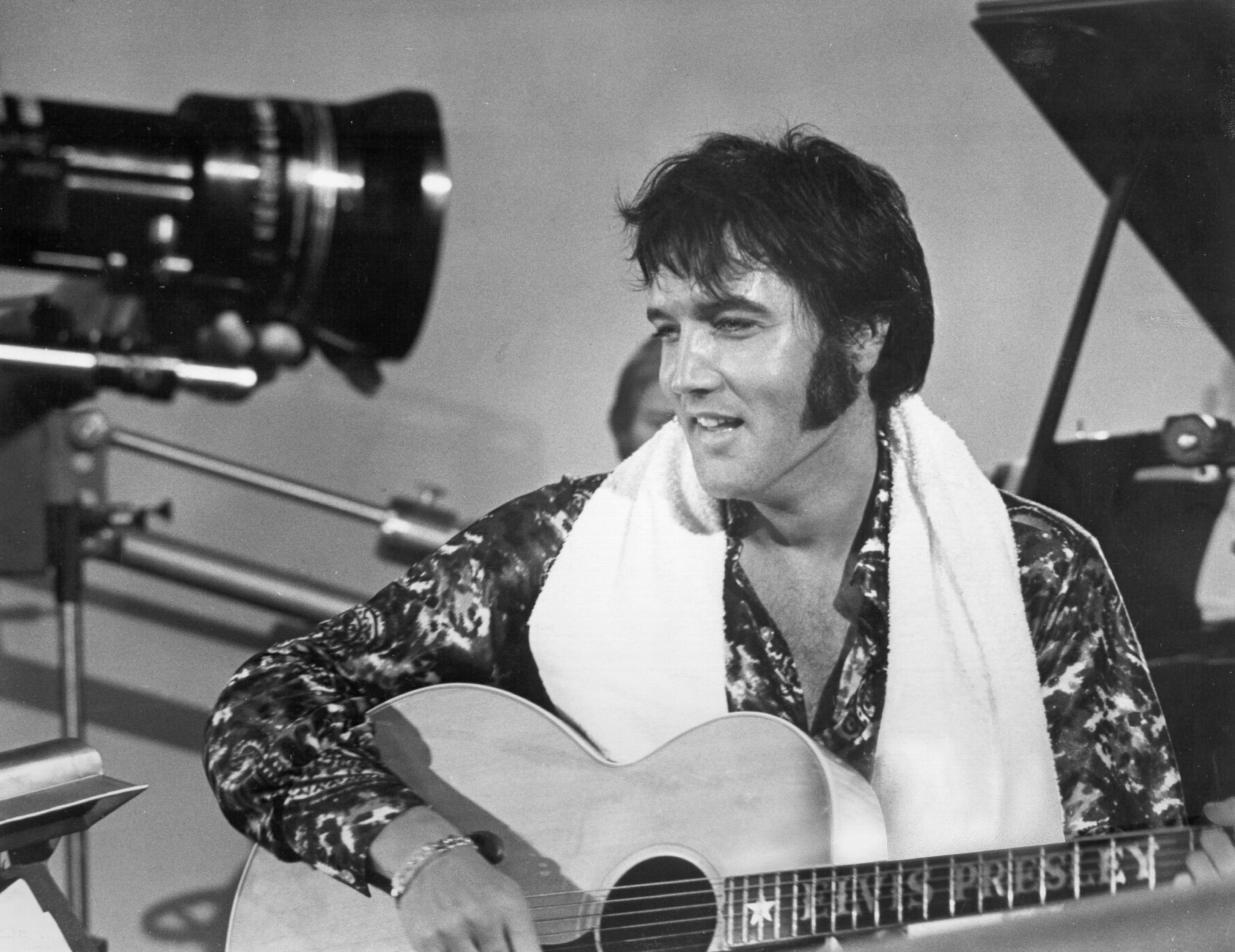
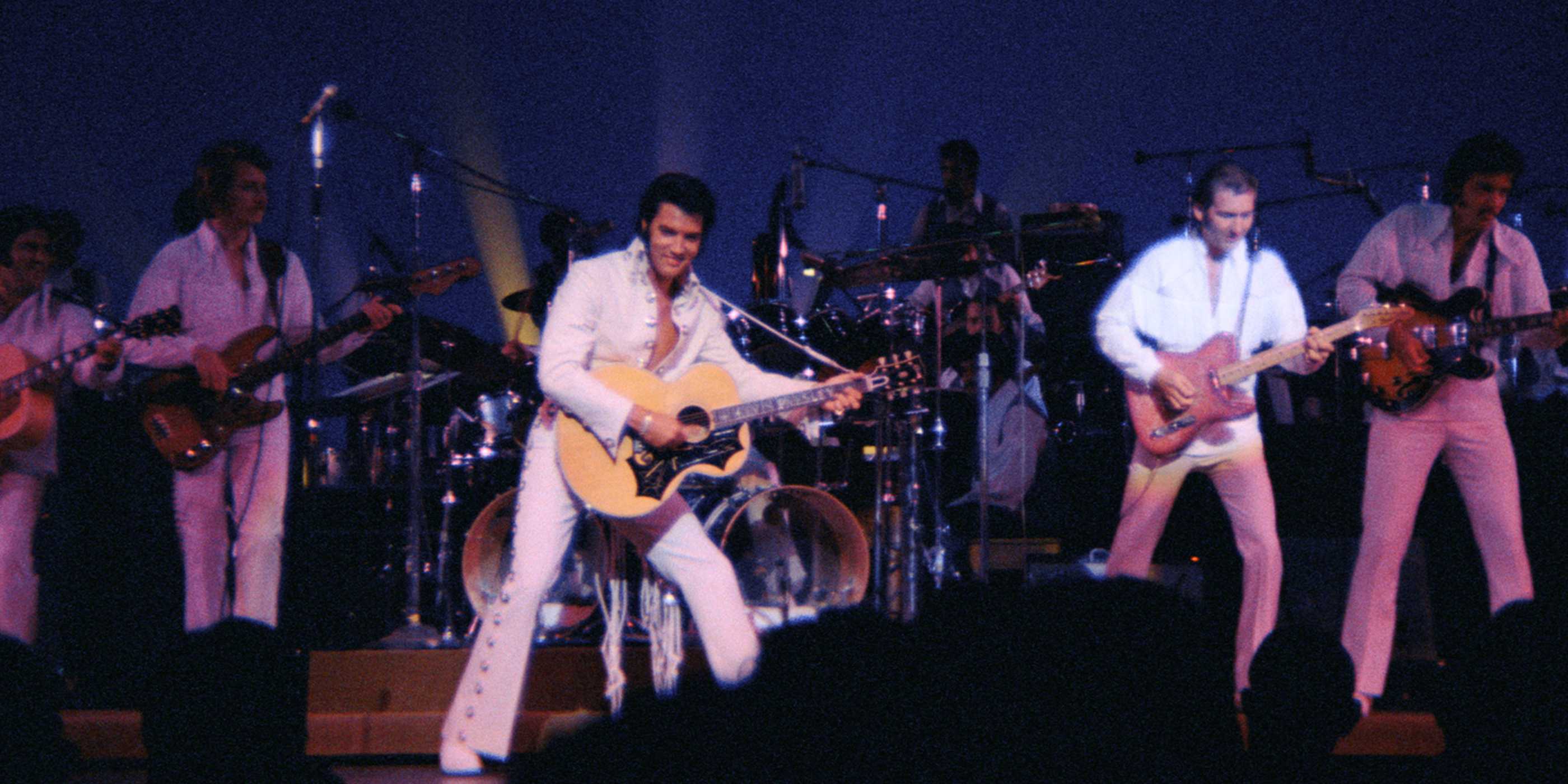
His 1970s live shows were massive productions featuring a full orchestra, a rock band (the TCB Band), and multiple backing vocal groups (The Sweet Inspirations and J.D. Sumner & The Stamps). During this era, his repertoire expanded to include:
- Dramatic Power Ballads: Songs like "My Way" and "An American Trilogy" allowed him to utilize his full operatic range.
- Country-Soul Fusion: He continued to record country music, but with the added weight of Memphis soul horns and gospel backing.
Despite his declining health in the mid-1970s, his studio recordings—such as those from the "Jungle Room" sessions at Graceland in 1976—showcased a voice that remained remarkably potent, even as his physical stamina waned.
Legacy and Influence in 2026
As of 2026, Elvis Presley’s influence remains a fundamental pillar of the music industry. His "democratization" of music—bringing diverse genres together—paved the way for the eclectic nature of modern pop. He remains one of the best-selling solo artists of all time, with estimated global sales exceeding one billion units.
His impact is seen in the way modern artists approach branding, live performance, and genre-blending. Organizations like Graceland and the Rock & Roll Hall of Fame continue to document his technical contributions to the recording arts. Beyond the charts, his music serves as a primary case study in the evolution of 20th-century American culture.
Frequently Asked Questions
Did Elvis Presley write his own music?
Elvis was not a primary songwriter; he rarely took credit for writing lyrics or melodies. However, he was an expert arranger and producer in the studio. He often directed the musicians, dictated the tempo, and changed the structure of songs to fit his style. Because of his immense influence, he was often granted co-writing credits on early hits, but his true genius lay in his interpretation and performance.
What was Elvis's most successful album?
In terms of RIAA certifications, his most successful albums include Elvis' Christmas Album, which remains the best-selling Christmas album of all time in the United States, and various "Greatest Hits" compilations. During his lifetime, his 1973 Aloha from Hawaii Via Satellite album was a massive global success, reaching number one in numerous countries.
How many instruments could Elvis play?
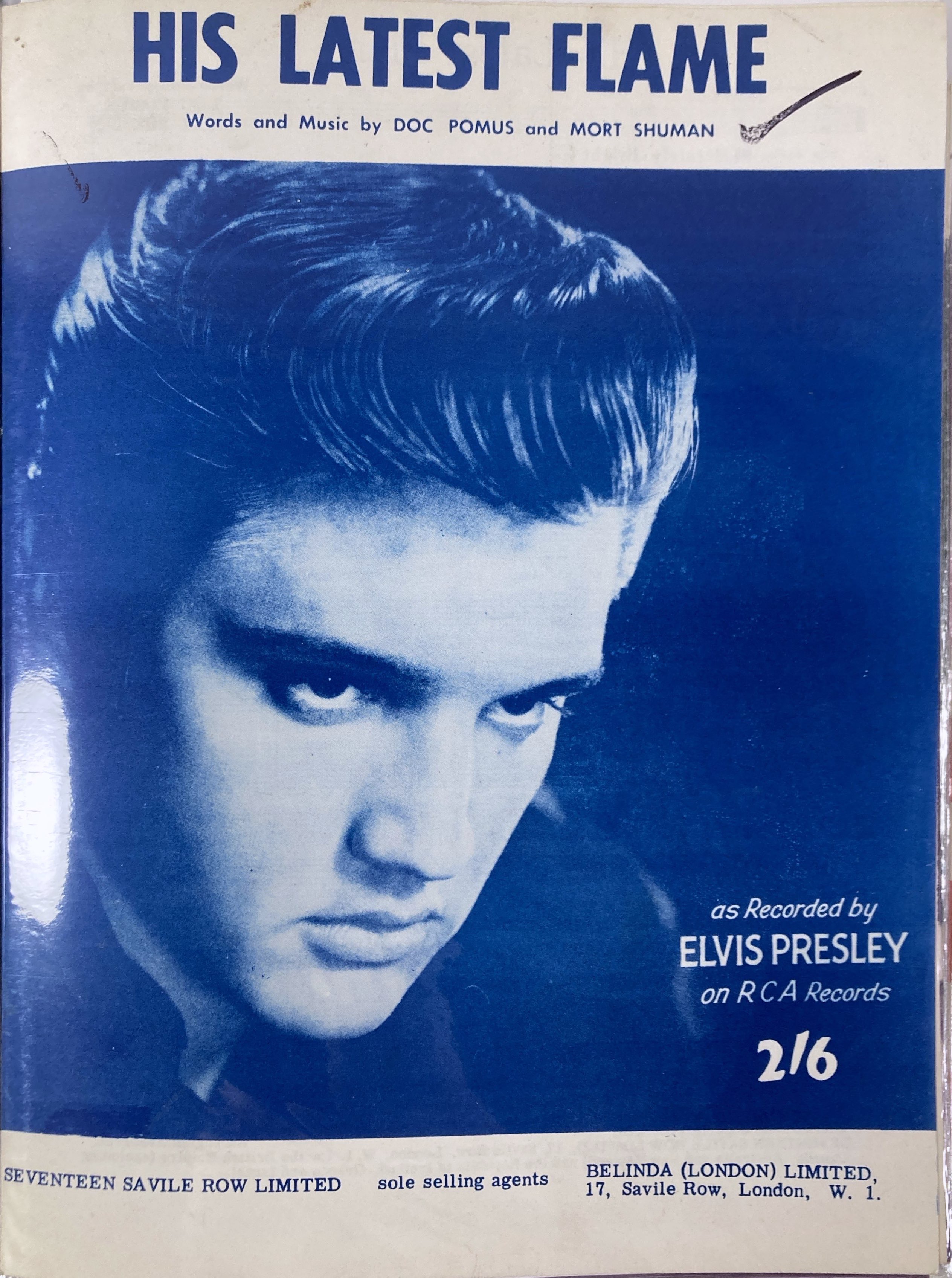
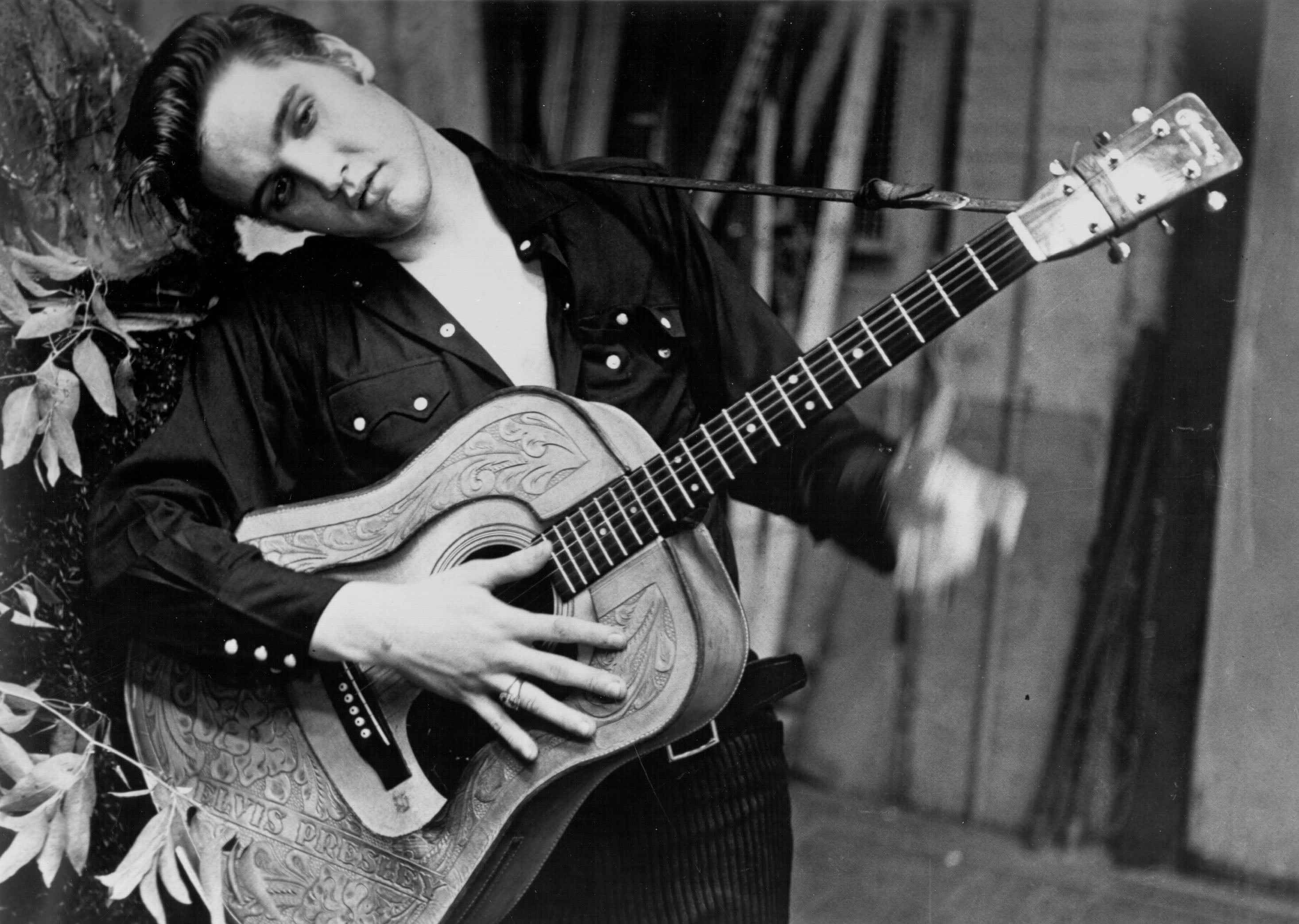
Elvis was proficient in several instruments. While he is most famous for playing the rhythm guitar (notably his Gibson J-200), he also played piano and bass. On the 1961 track "(Marie's the Name) His Latest Flame," he is credited with playing the acoustic guitar, and he frequently played piano during informal jam sessions and gospel recordings.
How did Elvis's music change after the Army?
Post-Army (after 1960), his music shifted from raw rockabilly and rock and roll toward pop-standard and balladry. His voice became deeper and more controlled. While his early work was defined by teenage rebellion, his later work aimed for a broader "adult contemporary" audience, incorporating sophisticated orchestral arrangements and operatic vocal techniques.
What is "The TCB Band"?
The TCB (Taking Care of Business) Band was Elvis's core group of session and touring musicians from 1969 until his death in 1977. Led by guitarist James Burton, the band was known for its technical precision and ability to blend rock, country, and soul, providing the powerful backbone for Elvis's Las Vegas residencies and touring years.
Practical Recommendation for Listeners
To truly appreciate "all about Elvis Presley in music," one should avoid starting with generic "Greatest Hits" collections. Instead, listen chronologically to capture his evolution. Begin with The Sun Sessions to hear the raw birth of rockabilly, move to Elvis Is Back! (1960) to hear his vocal peak after the Army, and finish with From Elvis in Memphis (1969) to experience his soulful maturity. This progression reveals an artist who was constantly evolving, far beyond the "King of Rock and Roll" caricature often seen in popular media.
Image Gallery