When to Go to Puerto Rico: The Ultimate Guide for 2026 Travelers
The best time to visit Puerto Rico is between mid-December and April, offering the most reliable weather with warm temperatures and minimal rainfall. For travelers prioritizing budget and smaller crowds, the shoulder months of May, Jun...
The best time to visit Puerto Rico is between mid-December and April, offering the most reliable weather with warm temperatures and minimal rainfall. For travelers prioritizing budget and smaller crowds, the shoulder months of May, June, and November provide an ideal balance of lower prices and manageable tropical humidity.
Contents
Puerto Rico is a multifaceted archipelago that offers vastly different experiences depending on the month you choose to visit. Whether you are chasing the world-class swells of the winter surf season, looking to witness the glow of bioluminescent bays under a new moon, or hoping to immerse yourself in the vibrant street festivals of San Juan, timing is everything. As we navigate the travel landscape in 2026, understanding the intersection of climate patterns, peak tourism cycles, and local cultural calendars is essential for planning a successful Caribbean getaway.
Understanding Puerto Rico’s Seasonal Cycles
To determine the best time for your specific needs, it is helpful to categorize the year into three distinct travel seasons: peak, shoulder, and low. Each period offers a different value proposition regarding cost, weather stability, and social atmosphere.
The Peak Season (Mid-December to April)
This period coincides with the "winter" months in the Northern Hemisphere. Thousands of travelers flee colder climates for the consistent 80°F (27°C) weather of the Caribbean. This is the driest time of the year, which is crucial for those planning outdoor activities like hiking in El Yunque National Forest or lounging on the beaches of Culebra. However, this popularity comes at a premium. Hotel rates can be 30% to 50% higher than in the summer, and popular attractions require advanced bookings.
The Shoulder Season (May, June, and November)
The shoulder season is arguably the "sweet spot" for seasoned travelers. In May and June, the spring crowds have dissipated, but the heavy rains of late summer have not yet arrived. November marks the end of the hurricane season and the beginning of the festive holiday buildup. During these months, you can often find significant discounts on luxury resorts and boutique airbnbs while still enjoying mostly sunny days.
The Low Season (July to October)
This period aligns with the peak of the Atlantic hurricane season. While modern forecasting provides ample warning for major storms, this season is characterized by higher humidity and frequent afternoon rain showers. The benefit of visiting now is the price; budget-conscious travelers will find the lowest airfare and lodging costs of the year. Furthermore, the island feels more "local," as the international tourist count drops significantly.
Weather Considerations: Temperature, Humidity, and Rainfall
Puerto Rico enjoys a tropical marine climate, meaning it is warm year-round, but "warm" has nuances. The average annual temperature hovers around 82°F (28°C) in lower elevations and roughly 10°F cooler in the central mountains (Cordillera Central).
The Role of Trade Winds
The prevailing easterly trade winds play a vital role in Puerto Rico’s weather. They provide a cooling breeze on the northern coast (San Juan) and eastern side (Fajardo). Conversely, the southern coast, including Ponce, tends to be hotter and drier because the central mountains block much of the moisture-laden air, creating a "rain shadow" effect.
Precipitation Patterns
Rain in Puerto Rico often comes in short, intense bursts rather than day-long drizzles. Even during the wettest months (August and September), you will likely experience periods of brilliant sunshine. If your itinerary involves heavy hiking in the rainforest, be prepared for rain regardless of the season, as El Yunque receives over 200 inches of rainfall annually.
Navigating the Atlantic Hurricane Season
The official Atlantic hurricane season runs from June 1 to November 30, with the highest activity typically occurring between mid-August and late September. Traveling during this window requires a pragmatic approach to risk management.
As of 2026, the infrastructure in Puerto Rico has become highly resilient, but major storms can still disrupt travel plans, power grids, and local transport. If you choose to visit during the summer or early fall, it is highly recommended to:
- Purchase Comprehensive Travel Insurance: Ensure your policy includes "cancel for any reason" (CFAR) coverage or specific hurricane protections.
- Monitor Official Sources: Stay updated via the National Hurricane Center for real-time tracking of tropical depressions and storms.
- Choose Refundable Bookings: Prioritize hotels and car rental agencies with flexible cancellation policies.
Monthly Climate and Pricing Reference
The following table provides a general overview of what to expect throughout the year in terms of weather and relative cost.
| Month | Avg High Temp | Rain Risk | Crowd Level | Relative Cost |
|---|---|---|---|---|
| January | 83°F (28°C) | Low | Very High | Highest |
| February | 83°F (28°C) | Very Low | High | High |
| March | 84°F (29°C) | Low | High | High |
| April | 85°F (29°C) | Low | Moderate | Moderate |
| May | 87°F (31°C) | Moderate | Moderate | Lower |
| June | 88°F (31°C) | Moderate | Moderate | Lower |
| July | 88°F (31°C) | Moderate | High (Local) | Moderate |
| August | 89°F (32°C) | High | Low | Lowest |
| September | 89°F (32°C) | Very High | Very Low | Lowest |
| October | 88°F (31°C) | High | Low | Low |
| November | 86°F (30°C) | Moderate | Moderate | Moderate |
| December | 84°F (29°C) | Low | Very High | Highest |
Best Time for Specific Activities
While the "best" time for a general visit is the dry season, specific hobbies and interests have their own optimal windows.
Surfing and Water Sports
For world-class surfing, winter (December to March) is the definitive choice. The northern coast, particularly around Rincón and Aguadilla, receives powerful swells from North Atlantic winter storms. Beginners may prefer the calmer waters of the summer months, though the surf can be flat during this time. For snorkeling and diving, the summer months often provide the clearest water and calmest seas, provided there isn't a storm system nearby.
Experiencing the Bioluminescent Bays
Puerto Rico is home to three bioluminescent bays: Mosquito Bay (Vieques), Laguna Grande (Fajardo), and La Parguera (Lajas). The "timing" here is less about the month and more about the lunar cycle. The glow is best viewed during a New Moon or when the moon is less than 20% visible. Check a lunar calendar before booking your trip to ensure the nighttime darkness is sufficient for the microscopic dinoflagellates to be visible.
Hiking and Nature Exploration
If your goal is to explore the central mountains or the dry forests of the south, aim for February through April. The humidity is at its annual low, and the temperatures in the mountains can drop to a refreshing 60°F (15°C) at night. This makes strenuous uphill hikes much more comfortable than in the sweltering heat of August.
Cultural Events and Festivals
Puerto Rico’s cultural calendar is packed, and visiting during a major festival can transform your trip.
- San Sebastián Street Festival (Fiestas de la Calle San Sebastián): Held in Old San Juan during the third week of January, this is the unofficial end of the longest holiday season in the world. It features massive crowds, live music, traditional "cabezudos" (big-head masks), and endless dancing.
- Saborea Puerto Rico (April): A premier food festival that attracts top chefs from around the world. It is the best time for foodies to experience the evolution of Puerto Rican gastronomy.
- Noche de San Juan (June 23): Thousands of locals gather on beaches at midnight to jump backward into the ocean three to seven times for good luck. It is a vibrant, communal experience that captures the island's spirit.
- The Christmas Season (Navidad): Starting after Thanksgiving and lasting through mid-January, the Christmas season in Puerto Rico is legendary. Expect "parrandas" (surprising friends with music), "lechón" (roasted pig), and intricate light displays in every town plaza.
Practical Logistics for 2026
Entry Requirements
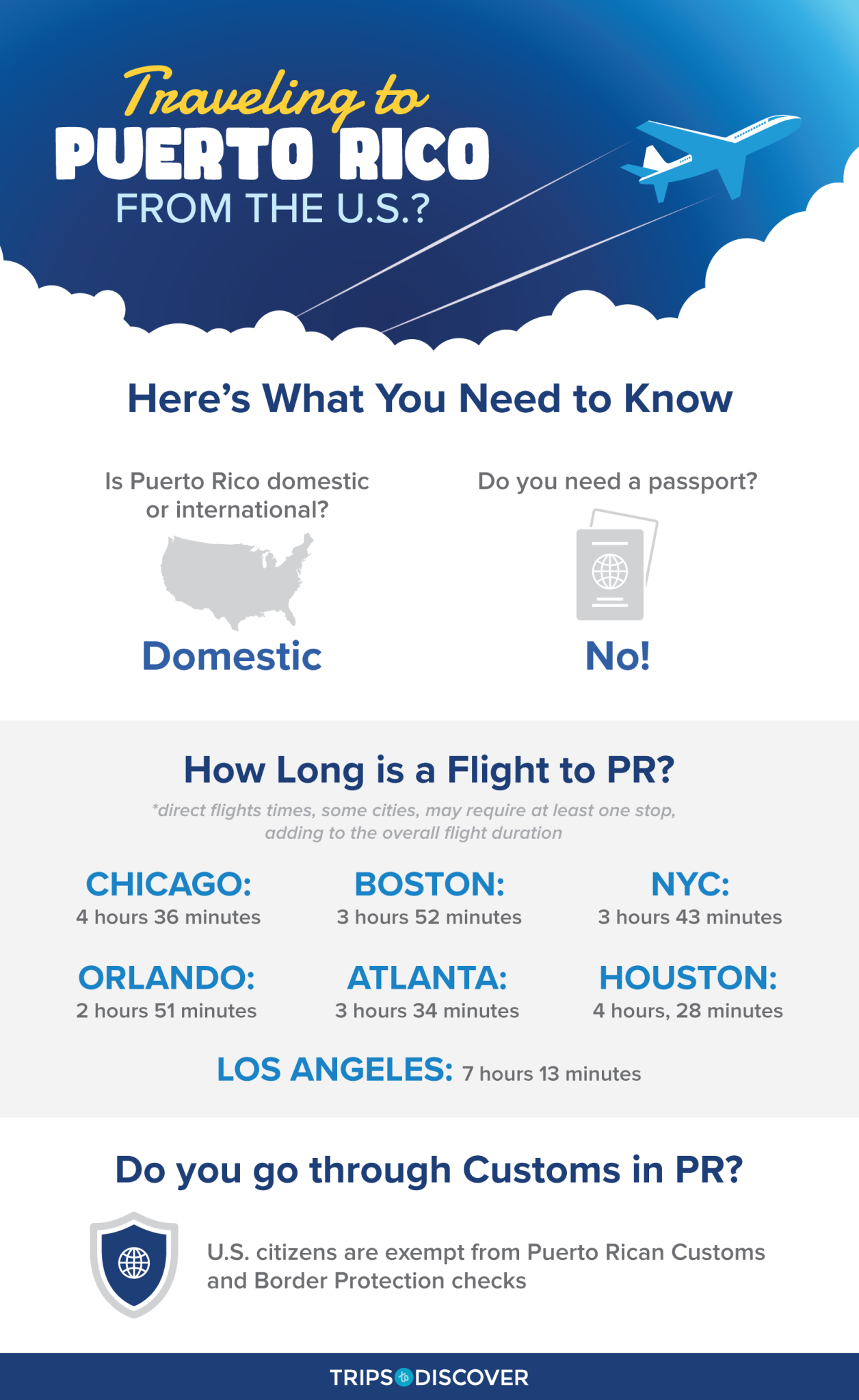
For United States citizens, Puerto Rico remains a domestic destination. As of 2026, no passport is required for U.S. citizens arriving from the mainland, though a REAL ID-compliant driver's license or identification is necessary for air travel. International travelers must follow U.S. federal entry requirements, including visa or ESTA protocols.
Transport and Mobility
Regardless of when you visit, renting a car is highly recommended for those wanting to leave the San Juan metropolitan area. Public transit options between cities remain limited. In 2026, it is advisable to book rental cars at least two months in advance, especially if visiting during the peak winter months or the July local holiday season.
FAQs
What is the absolute cheapest month to visit Puerto Rico?
September is generally the cheapest month to visit. Because it falls during the peak of hurricane season and after the "back-to-school" period, hotels and airlines slash prices to attract visitors. However, you must be comfortable with the higher risk of rain and tropical storms.
Is it safe to visit Puerto Rico during hurricane season?
Yes, it is generally safe, provided you stay informed. Modern infrastructure in 2026 is robust, and hotels are well-equipped with backup generators and water systems. The key is to have travel insurance and a flexible itinerary that allows you to change plans if a storm is forecasted.
When can I see whales in Puerto Rico?
The best time for whale watching is between February and March. Humpback whales migrate past the western coast of the island, particularly near Rincón. You can often see them from the Rincón Lighthouse or by taking a chartered boat tour.
Is the water warm enough to swim in during the winter?
Yes. The ocean temperature in Puerto Rico rarely drops below 78°F (25°C), even in January. While the air might feel slightly brisk when you step out of the water due to the trade winds, the sea itself remains comfortable for swimming and snorkeling year-round.
Final Recommendation
For the quintessential Puerto Rican experience—blending perfect beach weather with vibrant cultural life—aim for late February or March. You will avoid the extreme price hikes of the Christmas/New Year window while benefiting from the driest weather of the year. If you are on a strict budget but want to avoid the peak of hurricane season, May is your best alternative, offering warm waters and significantly lower lodging costs before the summer humidity peaks.
Image Gallery