Maryland Auto Insurance Rate Hike 25: Why Premiums Rose and How to Lower Yours
In 2025 and moving into 2026, Maryland drivers experienced average auto insurance rate increases ranging from 15% to 25%. These hikes were primarily driven by the escalating costs of vehicle repairs, increased medical expenses, and a r...
In 2025 and moving into 2026, Maryland drivers experienced average auto insurance rate increases ranging from 15% to 25%. These hikes were primarily driven by the escalating costs of vehicle repairs, increased medical expenses, and a rise in the frequency of high-speed accidents, forcing the Maryland Insurance Administration to approve significant premium adjustments for the state's major carriers.
Contents
Understanding the Maryland Insurance Market in 2026
The Maryland auto insurance landscape has undergone a period of intense volatility over the last 24 months. While Maryland has historically maintained a competitive insurance market with dozens of active carriers, the post-inflationary environment of the mid-2020s has finally caught up with premium pricing. For many residents, the "25" in their search queries refers to the startling 25% increase many saw on their 2025-2026 renewal notices.
Insurance is a lagging industry. The losses that insurance companies incurred in 2023 and 2024—due to spiked part prices and labor shortages—weren't fully reflected in consumer premiums until the 2025 filing cycle. In Maryland, the Maryland Insurance Administration (MIA) is responsible for reviewing these rate filings. Under Maryland law, insurers must demonstrate that their requested rates are neither "excessive, inadequate, nor unfairly discriminatory." The fact that so many 20% to 25% hikes were approved suggests that carriers provided significant actuarial evidence that their previous rates were insufficient to cover the rising cost of claims.
Key Factors Driving the 25% Rate Hikes in Maryland
Several converging factors have created a "perfect storm" for Maryland drivers. Understanding these factors is essential for any policyholder trying to navigate the current market.
1. The Sophistication of Modern Vehicle Repairs
One of the primary drivers of the 25% hike is the sheer cost of fixing a car in 2026. Vehicles are no longer just steel and glass; they are mobile computers. Even a minor "fender bender" in a suburban area like Bethesda or Silver Spring now involves recalibrating Advanced Driver Assistance Systems (ADAS). A cracked bumper often requires replacing expensive sensors, cameras, and lidar equipment. Maryland’s high density of late-model luxury vehicles and electric vehicles (EVs) further amplifies this trend, as EV repairs can cost 20% to 30% more than traditional internal combustion engine vehicles.
2. Social Inflation and Litigation Costs
"Social inflation" refers to the rising costs of insurance claims resulting from increased litigation and higher jury awards. In Maryland, the legal environment has seen a shift toward larger settlements for bodily injury. While Maryland still adheres to the doctrine of contributory negligence—which can bar a plaintiff from recovering damages if they are even 1% at fault—the costs of defending these cases and the rising "nuclear verdicts" in surrounding jurisdictions have influenced how Maryland carriers price their liability risks.
3. Increased Accident Severity
Despite advancements in safety technology, the Maryland Department of Transportation has reported that while the total number of accidents fluctuated, the severity of accidents increased significantly through 2025. Higher speeds on corridors like I-95 and I-495 lead to more "total loss" claims and more expensive medical treatments for passengers. When an insurer totals a vehicle, they must pay the current market value, which remained stubbornly high throughout 2025 due to supply chain ripples and high demand for used cars.
Top Carriers and Their Approved Rate Adjustments
The following table outlines the average rate adjustments seen by major carriers in Maryland during the 2025-2026 period. Note that individual rates vary based on zip code, driving record, and credit-based insurance scores.
| Insurance Carrier | Avg. 2025 Rate Increase | Primary Stated Reason | Typical Target Demographic |
|---|---|---|---|
| GEICO | 22.4% | Increased claim frequency in MD | Budget-conscious drivers |
| State Farm | 18.5% | Rising cost of medical payouts | Households with multiple cars |
| Progressive | 24.1% | Severity of physical damage claims | High-risk and young drivers |
| Erie Insurance | 12.8% | Regional inflation adjustments | Drivers with excellent credit |
| Allstate | 25.0% | Reinsurance and catastrophe costs | Comprehensive coverage seekers |
| Maryland Auto (MAIF) | 15.0% | Statutory adjustment for high-risk | Drivers unable to get private coverage |
Data based on filings submitted to the Maryland Insurance Administration.
How Maryland’s Regulatory Landscape Impacts Your Bill
Maryland is a "prior approval" state for some lines and "file and use" for others, but for personal auto insurance, the Commissioner has significant oversight. Unlike some states that allow "price optimization" (charging more based on a customer's likelihood to shop around), Maryland regulations focus heavily on actuarial justification.
The Role of Credit-Based Insurance Scores
In Maryland, insurers are allowed to use your credit history to help determine your premium, but there are strict limitations. For example, an insurer cannot refuse to underwrite or cancel a policy based solely on credit. However, as the 25% hikes hit, those with lower credit scores in Maryland often saw the sharpest increases, as carriers tightened their risk appetites to maintain profitability.
Personal Injury Protection (PIP) Requirements
Maryland law requires insurers to offer Personal Injury Protection (PIP), which covers medical expenses and lost wages regardless of fault. While drivers can choose to "waive" PIP (Full PIP vs. Limited PIP), the rising costs of healthcare in the Baltimore-Washington corridor have made the PIP portion of the premium more expensive. In 2025, many Marylanders who opted for Full PIP saw that specific line item on their bill increase by more than the 25% average.
Strategies to Mitigate the Maryland Rate Hike
While you cannot control the state-wide rate increases approved by the MIA, you can control how your individual profile is viewed by carriers.
1. Perform a "Coverage Audit"
Many Maryland drivers carry coverage they no longer need. If you are driving a vehicle that is over 10 years old and has a low resale value, the cost of "Collision" and "Comprehensive" coverage might exceed the potential payout. Adjusting your deductibles from $500 to $1,000 can often offset a 15% to 20% rate hike.
2. Leverage Telematics Programs
Most major Maryland carriers, including Progressive (Snapshot), State Farm (Drive Safe & Save), and GEICO (DriveEasy), now offer telematics-based discounts. By allowing an app or plug-in device to monitor your driving habits—specifically braking, acceleration, and phone usage—you can earn discounts up to 30%. In 2026, this has become the most effective way for safe drivers to "opt-out" of the general rate hikes affecting the rest of the pool.
3. Shop the "Regional" Carriers
While national brands like GEICO and State Farm dominate the Maryland market, regional carriers like Erie Insurance or NJM (which expanded into MD) often have different risk pools and may not have implemented the full 25% hike seen by the giants. Regional carriers often prioritize long-term stability over aggressive growth, which can lead to more consistent pricing during inflationary periods.
4. Group and Affinity Discounts
Maryland has a high concentration of federal employees, military personnel, and educators. Always check for affinity discounts through organizations like USA insurance (for military), the Maryland State Education Association (MSEA), or alumni associations from the University System of Maryland.
Maryland Auto Insurance Minimum Requirements (2026)
To remain legal on Maryland roads, you must carry at least the following 30/60/15 coverage. However, with the 2025-2026 rate hikes, many drivers are tempted to drop to these minimums, which can be a risky financial move.
- $30,000 for bodily injury per person.
- $60,000 for bodily injury per accident.
- $15,000 for property damage.
- Uninsured/Underinsured Motorist Coverage: Equal to the liability limits chosen.
Given that the average new car in 2026 costs over $50,000, the state minimum of $15,000 for property damage is often insufficient. If you cause an accident with a modern EV, you could be personally liable for tens of thousands of dollars beyond your policy limit.
Common Mistakes During Rate Volatility
When rates spike by 25%, many consumers make emotional decisions that can hurt them in the long run.
- Letting Coverage Lapse: A lapse in coverage of even one day in Maryland can lead to significant fines from the Motor Vehicle Administration (MVA) and will categorize you as "high-risk" for future carriers, doubling your rates.
- Misrepresenting Mileage: With more Marylanders working hybrid schedules, it is tempting to underreport annual mileage. However, in 2026, insurers are using third-party data and telematics more aggressively to verify mileage. Misrepresentation can lead to a denied claim.
- Ignoring the "Maryland Auto" Option: If you have been cancelled by private carriers due to the recent rate volatility or claims history, the Maryland Auto Insurance (formerly MAIF) exists specifically to ensure you can stay on the road legally.
FAQs About the Maryland Rate Hikes
Why did my Maryland auto insurance go up 25% if I had no accidents?
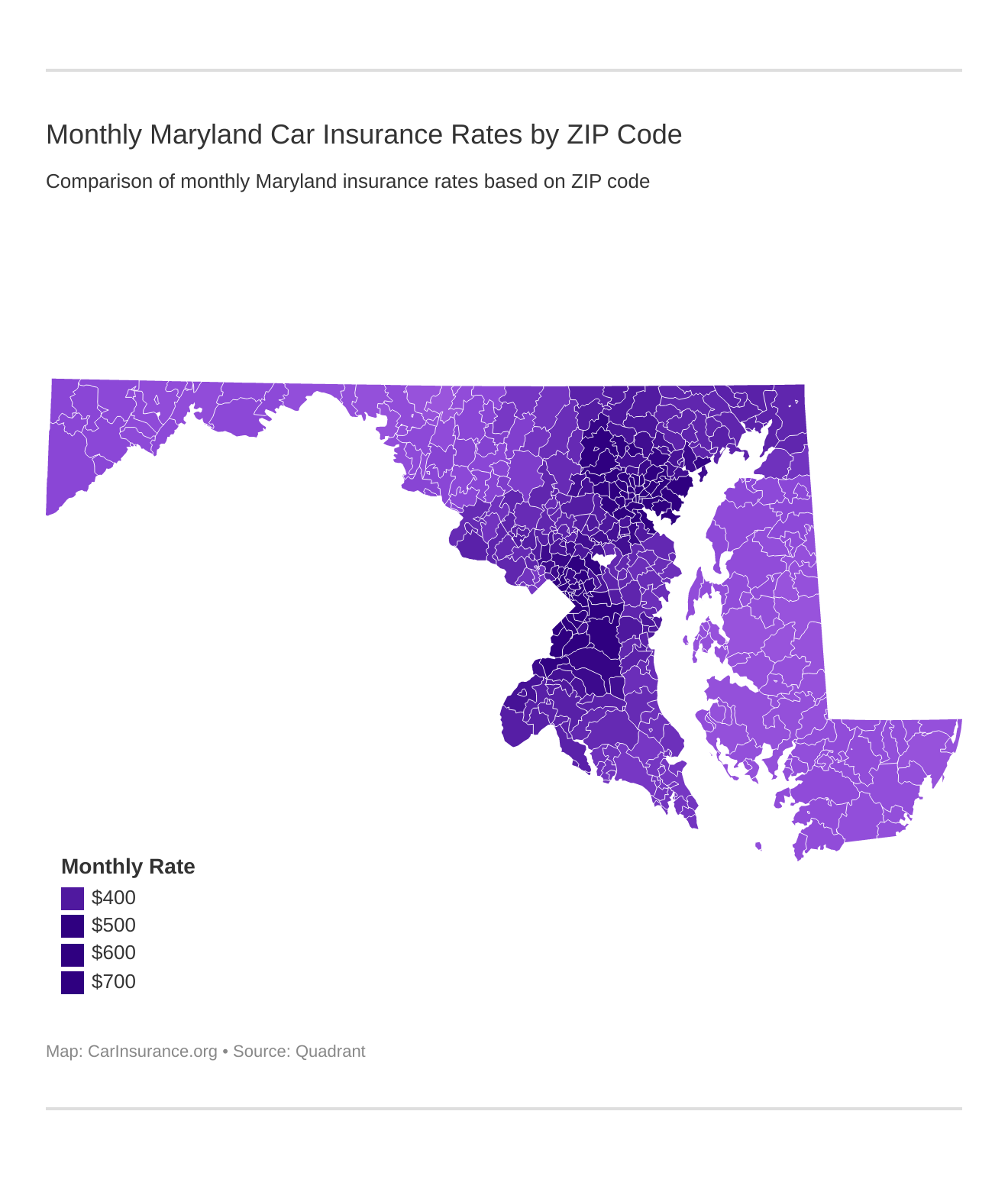
Insurance is a collective risk pool. Even if your record is clean, your premium reflects the increased costs of parts, labor, and medical care in your specific Maryland zip code. If your neighbors are having more expensive accidents, or if vehicle theft has spiked in your county (as seen in parts of Prince George’s and Baltimore County recently), your rates will rise to cover that collective risk.
Can I appeal a rate hike with the Maryland Insurance Administration?
You cannot appeal a general rate hike that has already been approved for a carrier. However, you can file a complaint with the MIA if you believe your insurer is applying the rate incorrectly to your specific policy or if they are violating Maryland's "Unfair Trade Practices" laws.
Is the 25% hike permanent?
While insurance rates rarely "go down" in absolute terms, the rate of increase is expected to stabilize as the supply chain for automotive chips and parts reaches full equilibrium in late 2026. Historically, after a period of sharp "catch-up" hikes, the market enters a period of softer competition where rates stay flat for several years.
Does Maryland have a "Good Driver" discount mandated by law?
Maryland law does not mandate a specific "Good Driver" discount percentage, but it does prohibit insurers from raising your rates based on a single "not-at-fault" accident or a comprehensive claim (like a cracked windshield from a rock on I-95).
How often should I shop for insurance in Maryland?
In a volatile market like 2026, experts recommend shopping your policy every 12 months. Since Maryland carriers use different "rating tiers," a 25% hike at one company might only be a 5% hike at another for a driver with your specific demographics.
Practical Next Action
If you have received a renewal notice with a 20% to 25% increase, do not simply pay it. First, call your current agent and ask for a "re-tiering" or a review of available discounts, such as low-mileage or professional affiliations. Simultaneously, obtain at least three quotes from competing carriers—ensuring one is a regional provider. Finally, consider increasing your deductible to $1,000 to immediately lower the premium while you wait for the market to stabilize.
Professional-Advice Limitation: This article provides general information regarding insurance trends in Maryland and does not constitute legal or financial advice. Insurance regulations and individual eligibility can vary significantly. Consult with a licensed Maryland insurance producer for specific policy recommendations.
Image Gallery