Understanding the BMW M CSL for Collectors
The BMW M CSL (Coupe Sport Lightweight) lineage represents the pinnacle of Motorsport engineering, blending ultra-lightweight construction, track-focused dynamics, and extreme exclusivity. For automotive collectors, acquiring, preservi...
The BMW M CSL (Coupe Sport Lightweight) lineage represents the pinnacle of Motorsport engineering, blending ultra-lightweight construction, track-focused dynamics, and extreme exclusivity. For automotive collectors, acquiring, preserving, and evaluating a BMW M CSL requires a nuanced understanding of its production heritage, engineering philosophy, and long-term valuation drivers.
Contents
The Evolution of the BMW M CSL Philosophy
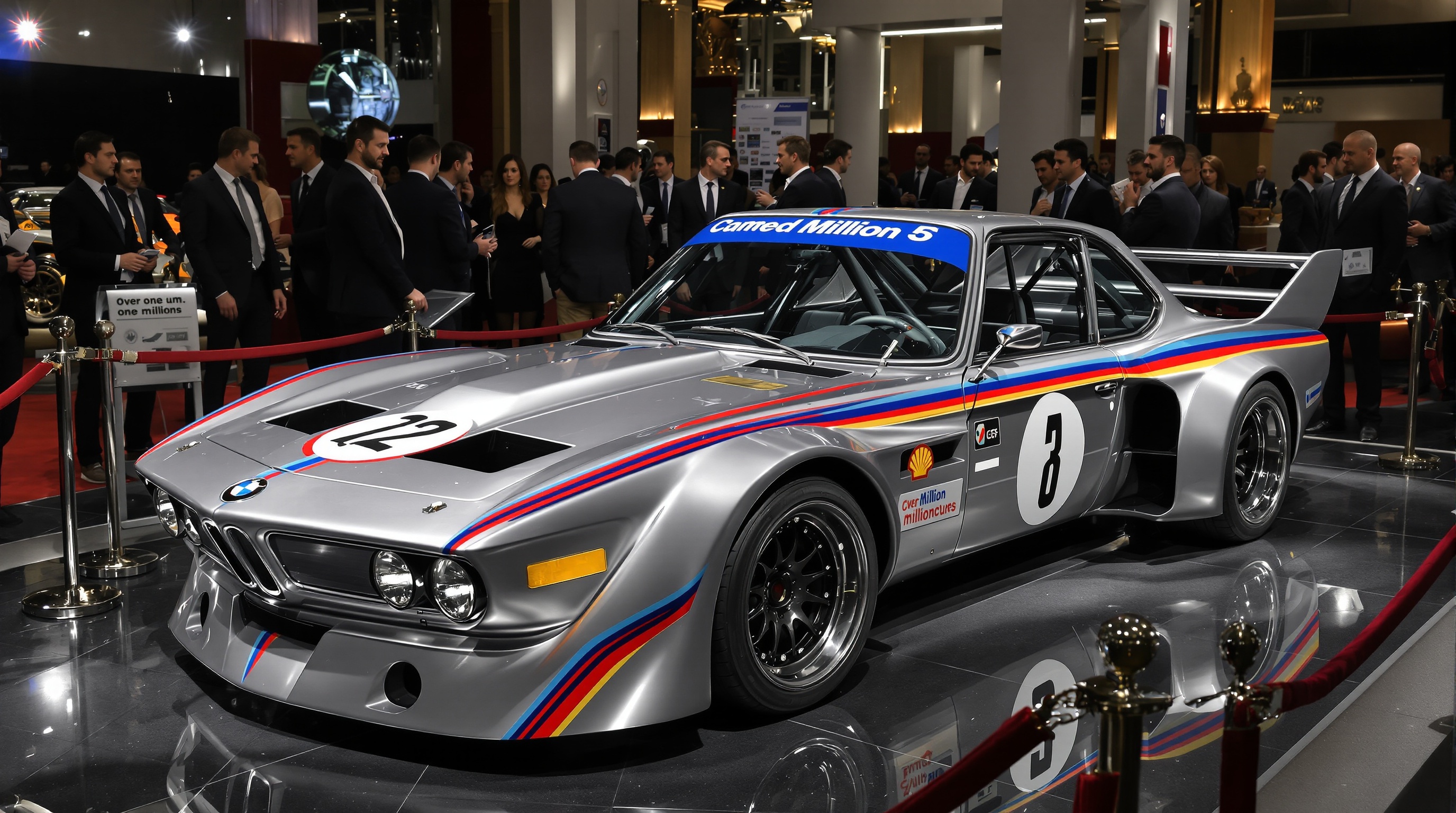
The CSL moniker holds a legendary status within the annals of BMW history. Originally standing for Coupé Sport Leichtbau, the badge debuted with the iconic E9 3.0 CSL in the early 1970s. Designed to homologate BMW's race cars for the European Touring Car Championship, the "Batmobile" established the blueprint for future lightweight specials: thin-gauge steel body panels, aluminum doors and trunk lids, stripped-down interiors, and an uncompromising focus on dynamic agility over luxury appointments.
Decades later, BMW's M division resurrected the philosophy for modern performance vehicles, applying it selectively to create hyper-focused iterations of already capable platforms. Unlike standard M cars, which must balance daily drivability, comfort, and mass-market appeal, CSL variants are built with a singular mission. They strip away sound deadening, utilize lightweight carbon fiber reinforced polymer (CFRP) extensively, eliminate rear seats in many cases, and feature bespoke suspension tuning designed to excel on closed circuits.
For the modern collector, this pedigree translates to vehicles that sit at the absolute apex of BMW’s production hierarchy. They are not merely faster versions of standard models; they represent a distinct engineering exercise where every gram saved and every aerodynamic tweak serves a functional purpose. Understanding this lineage is essential for differentiating true CSL models from standard M-sport packages or cosmetic replicas that frequently enter the secondary market.
Key Models in the Modern CSL Pantheon
While the E9 3.0 CSL laid the historical foundation, modern automotive collecting largely focuses on two pivotal 21st-century interpretations of the badge: the E46 M3 CSL introduced in 2003 and the G82 M4 CSL launched in 2022. Each model reflects the technological capabilities and regulatory environment of its era, creating unique acquisition considerations for collectors.
The E46 M3 CSL (2003)
Widely regarded as a modern holy grail for BMW enthusiasts, the E46 M3 CSL was produced in a limited run of just 1,383 units, exclusively built in left-hand drive. Key engineering highlights included a carbon-fiber roof, a distinct carbon-fiber airbox that produced an unmistakable induction roar, thinner rear window glass, a fiberglass-reinforced plastic trunk floor, and lightweight bucket seats. The car utilized the Sequential Manual Gearbox (SMG II), which, while polarizing among traditionalists, was an integral part of its period-correct track identity.
The G82 M4 CSL (2023)
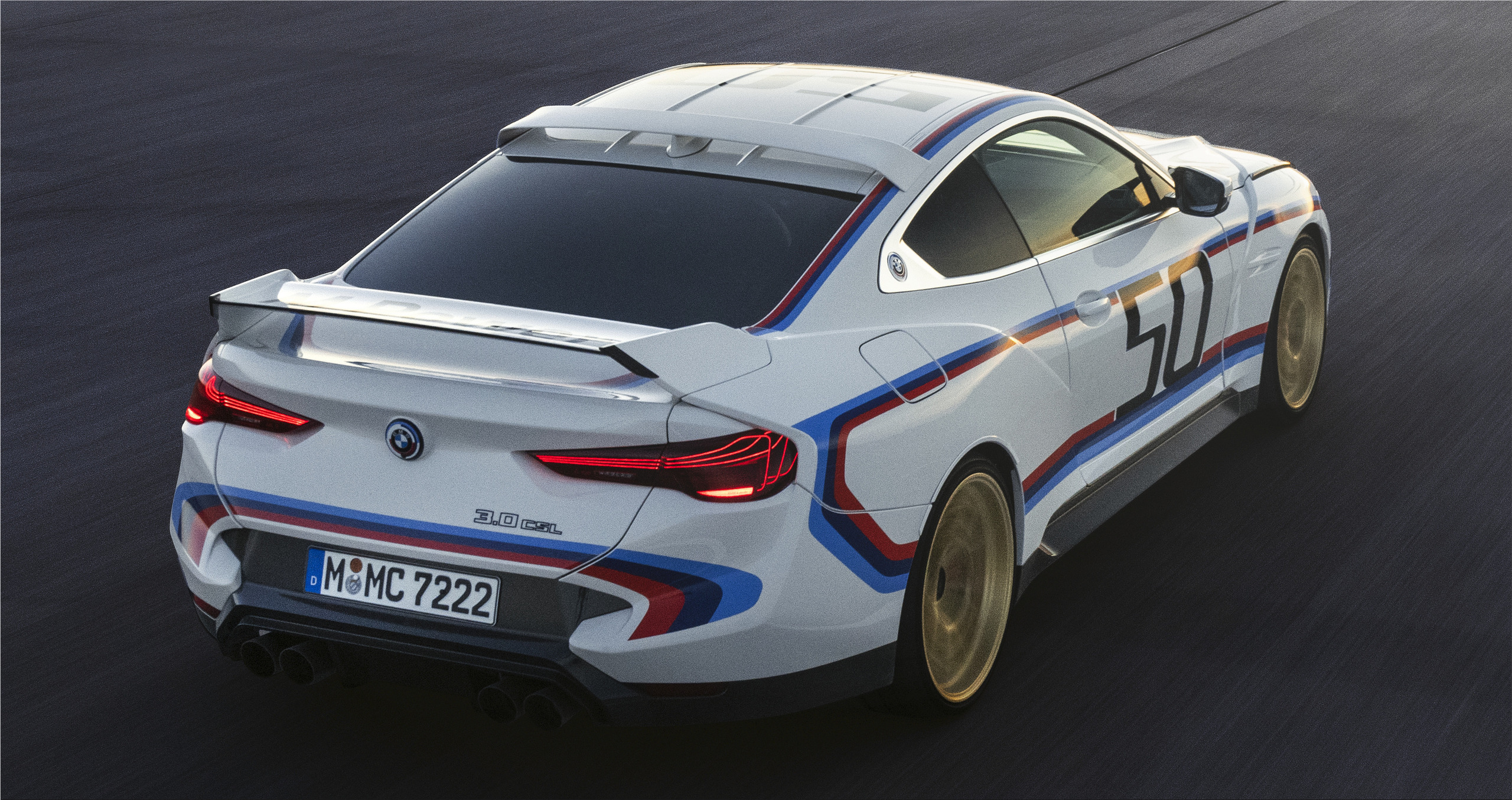
Introduced to celebrate 50 years of BMW M, the M4 CSL brought the lightweight ethos into the modern era with a production cap of 1,000 units globally. It shed approximately 100 kilograms compared to the standard M4 Competition through the extensive use of CFRP bucket seats, a titanium rear silencer, carbon-ceramic brakes, and the removal of the rear seats. Powered by an upgraded version of the S58 twin-turbocharged inline-six producing 543 horsepower, the M4 CSL achieved a blistering Nürburgring lap time, cementing its status as an elite track weapon.
| Model | Production Years | Global Production Limit | Notable Weight-Saving Measures | Transmission Type |
|---|---|---|---|---|
| BMW E9 3.0 CSL | 1971–1975 | 1,265 total units | Thin steel body, aluminum panels, plexiglass windows | 4-speed manual |
| BMW E46 M3 CSL | 2003–2004 | 1,383 units | Carbon roof, FRP trunk, carbon airbox, lightweight glass | 6-speed SMG II |
| BMW G82 M4 CSL | 2022–2023 | 1,000 units | CFRP buckets, titanium exhaust, carbon-ceramic brakes | 8-speed M Steptronic |
Valuation Drivers and Collector Considerations
Evaluating the investment and collection potential of a BMW M CSL requires looking beyond standard mileage and cosmetic condition. Because these vehicles are engineered for high-performance driving, collectors must weigh several specialized factors that significantly influence market value.
Authenticity and Documentation
Given the high desirability of CSL models, verification is paramount. Collectors must meticulously review the vehicle identification number (VIN) against factory registries, inspect original build sheets, and verify the presence of rare, model-specific components. For the E46 M3 CSL, verifying the integrity of the carbon airbox, original lightweight wheels, and specific interior trim is critical, as replacement parts are exceedingly expensive or unobtainable. Complete service histories from authorized BMW M specialists or dealerships are mandatory to command top market tier prices.
Mileage and Condition Paradigms
A paradox exists within CSL collecting: these cars were built to be driven hard on tracks, yet the market heavily rewards low-mileage, pristine examples. Vehicles that have undergone extensive track use often show accelerated wear on carbon-fiber structural components, stone chipping on low-slung front splitters, and heat stress on exhaust and braking systems. Conversely, ultra-low-mileage "museum pieces" require careful mechanical inspection to ensure rubber seals, fluids, and fuel systems have not degraded from prolonged storage.
Modifications and Originality
Purists strongly favor unmodified, factory-spec vehicles. Modifications—even those intended to improve track performance, such as aftermarket coilover suspension systems, non-OEM exhaust configurations, or engine tuning—frequently detract from collector value. Restoring a modified CSL back to factory specifications can be cost-prohibitive due to the rarity of original components.
Maintenance, Storage, and Operational Realities
Owning a BMW M CSL involves unique stewardship responsibilities that differ significantly from standard luxury or performance vehicles. The exotic materials and high-strung powertrains demand specialized care to maintain their mechanical and aesthetic integrity.
Specialized servicing is non-negotiable. The high-performance engines and carbon-composite body structures cannot be serviced by standard repair shops. For instance, the carbon-fiber roof and reinforced panels require certified body technicians who understand how to address structural stress or cosmetic resin yellowing over time. Furthermore, components like the carbon-ceramic brakes found on the M4 CSL require specific, high-cost maintenance procedures and operational temperatures to avoid premature wear.
Storage environment also plays a critical role in preservation. Climate-controlled facilities are essential to protect interior adhesives, carbon-fiber resin coatings, and specialized lightweight upholstery from humidity and extreme temperature fluctuations. Regular fluid circulation and short operational cycles are necessary for older models like the E46 to prevent seal degradation and fuel system varnishing.
Common Pitfalls for Novice Collectors
Entering the CSL market requires caution to avoid costly mistakes. One of the most frequent errors is failing to recognize regional import regulations and compliance standards. For example, the E46 M3 CSL was never officially sold new in the United States, meaning vehicles imported under the "Show or Display" exemption or via grey-market channels carry complex legal and registration caveats that affect their liquidity and driving legality.
Another common pitfall is underestimating the cost of consumable replacement. Track-focused tires, high-performance brake rotors and pads, and bespoke chassis components wear rapidly under spirited driving. Buyers should budget adequately for ongoing upkeep, viewing a CSL not merely as a static investment asset, but as a high-performance machine that demands active, financially sound stewardship.
Finally, buyers should beware of cosmetic replicas or clones. Standard M3 or M4 models outfitted with aftermarket carbon-fiber wings, replica wheels, and CSL-style software tunes are occasionally misrepresented on the secondary market as genuine lightweight specials. Independent pre-purchase inspections conducted by recognized marque experts are an indispensable safeguard against misrepresentation.
Frequently Asked Questions
What makes a BMW M CSL different from a standard M Competition model?
A CSL (Coupé Sport Lightweight) goes far beyond the cosmetic and power upgrades found in standard Competition packages. It features extensive weight-reduction engineering, including carbon fiber body panels, stripped interior amenities, unique chassis calibration, and strictly limited global production numbers designed to maximize track performance.
Was the E46 M3 CSL ever sold new in the United States?
No. The E46 M3 CSL was produced exclusively in left-hand-drive European specification and was never officially homologated or sold by BMW North America. Collectors in the US typically acquire them via 25-year import exemptions or specialized compliance channels.
How does mileage impact the value of a modern BMW M CSL?
Like most low-production exotic vehicles, mileage is a primary valuation driver. Examples with delivery mileage or very low kilometers command significant premiums, though well-maintained drivers with documented service histories still command strong enthusiast demand.
Are BMW M CSL models considered good financial investments?
While historical data shows strong appreciation for limited-edition M cars—particularly the E46 M3 CSL—collecting automobiles involves market volatility, holding costs, insurance, and maintenance expenses. They should be approached primarily through a lens of enthusiast passion rather than guaranteed financial return.
What should I look for during a pre-purchase inspection of an E46 M3 CSL?
A thorough inspection should focus on verifying the authenticity of the carbon-fiber airbox, checking the structural integrity of the rear subfloor and trunk floor, confirming matching VIN stamps, and reviewing a complete, documented service history from marque specialists.
Practical Next Actions for Prospective Buyers
For collectors seeking to acquire a BMW M CSL, the most prudent first step is establishing a relationship with marque-specific experts, specialized auction houses, and reputable BMW car club registries. Attend specialized automotive auctions where verified examples cross the block, and commission an independent, pre-purchase inspection from a technician intimately familiar with S54 or S58 powertrains and carbon-composite chassis construction. Diligent verification of provenance and condition will ensure your investment honors the rich legacy of the CSL badge.
Image Gallery