Marriage as a Qualifying Life Event for Insurance: What You Need to Know
Marriage triggers a Qualifying Life Event (QLE) that opens a special enrollment window, allowing couples to add, drop, or modify health, auto, home, and life insurance policies outside the standard annual open enrollment period. Enteri...
Marriage triggers a Qualifying Life Event (QLE) that opens a special enrollment window, allowing couples to add, drop, or modify health, auto, home, and life insurance policies outside the standard annual open enrollment period.
Contents
Entering into a legal marriage changes your personal status, and in the eyes of insurance providers, it fundamentally alters your risk profile, financial interdependence, and legal liabilities. Because of these shifts, insurance regulations and carrier contracts treat marriage as a Qualifying Life Event (QLE). Recognizing marriage as a QLE grants couples the legal and administrative flexibility to update their insurance portfolios without waiting for the next calendar-year open enrollment period. Navigating this transition correctly requires understanding how different types of insurance—from health and auto to home and life—are impacted, what documentation is required, and which operational deadlines must be met to avoid coverage gaps.
Understanding the Special Enrollment Window for Health Insurance
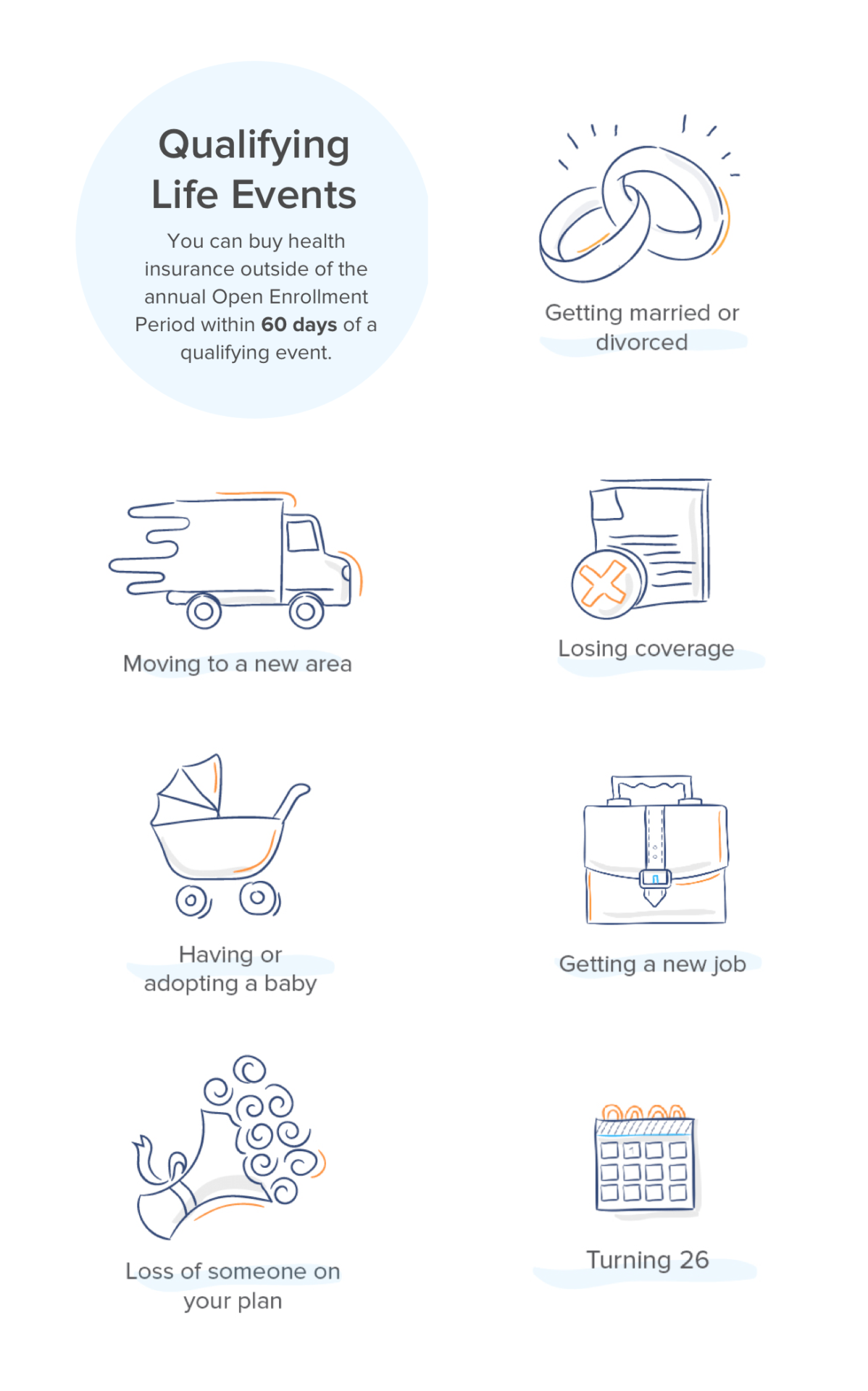
When two individuals marry, federal and state regulations typically grant a strict window—most commonly 60 days from the date of the marriage ceremony—to make changes to employer-sponsored health insurance plans or marketplace coverage under the Affordable Care Act (ACA).
Health Insurance Options Post-Marriage
Upon marriage, couples generally face three primary choices regarding health insurance coverage:
- Maintain Separate Policies: Both partners remain on their respective individual employer-sponsored plans. This option is frequently chosen if both plans offer robust coverage with low deductibles and premiums, or if adding a spouse incurs a steep "spousal surcharge."
- Combine onto One Plan: One spouse is added to the other’s employer-sponsored plan as a dependent. This makes financial sense if one partner’s employer subsidizes dependent care heavily or if the other partner’s plan is superior.
- Transition to Marketplace Plans: If neither partner has access to employer-sponsored insurance, or if marketplace plans offer better subsidies for a newly combined household income, the couple can shop for a joint or individual plan via government exchanges during the 60-day special enrollment window.
Failing to act within this 60-day window means forfeiting the right to make mid-year adjustments. The couple would then be forced to wait until the next annual open enrollment period, leaving one or both spouses exposed to potential coverage mismatches or financial penalties.
Consolidating Auto Insurance Policies
Auto insurance companies evaluate risk based on statistical data, driving history, and household composition. When you marry, insurers typically require you to disclose all licensed drivers residing in the same household, regardless of whose name is on the vehicle title.
| Coverage Type | Single Policy Impact | Married Policy Impact | Potential Savings / Risk |
|---|---|---|---|
| Auto Insurance | Separate premiums; individual risk profiles. | Combined household policy; multi-car discounts applied. | Often lowers overall premiums; however, a spouse with a poor driving record can drive up rates. |
| Homeowners/Renters | Separate dwelling or tenant policies. | Joint homeowners policy or combined bundle. | Unlocks multi-policy bundling discounts; covers combined personal property assets adequately. |
| Life Insurance | Individual term or whole life policies. | Independent or joint policies tailored to new shared liabilities. | Protects shared mortgages and long-term financial goals; locks in lower rates at a younger age. |
Merging auto policies often unlocks multi-car discounts and bundles well with homeowners or renters insurance. However, insurance underwriters will review both spouses' driving records, credit-based insurance scores (where permitted by state law), and claims histories. If one spouse has a history of accidents or traffic violations, adding them to your policy may cause your premium to increase, prompting couples to weigh whether keeping separate auto policies temporarily is more cost-effective.
Homeowners and Renters Insurance Adjustments
Marriage frequently coincides with moving into a new shared home, whether purchasing a property or renting an apartment.
Updating Homeowners Insurance
If you purchase a home together, securing a joint homeowners insurance policy is critical to ensure both partners hold an insurable interest in the property and its contents. Lenders require active homeowners insurance before closing on a mortgage. Newlyweds must ensure that policy limits accurately reflect the replacement cost of the physical structure as well as the combined value of personal belongings, including high-value items like engagement rings, wedding bands, heirlooms, and electronics that may exceed standard policy sub-limits.
Transitioning Renters Insurance
For couples moving into a rented apartment or home, merging individual renters insurance policies into a single joint policy provides liability protection and personal property coverage for both parties. Reviewing liability limits is vital, as shared assets and combined future earnings increase potential exposure in the event of a liability lawsuit.
Life Insurance and Financial Interdependence
While health, auto, and property insurances protect against immediate operational and physical risks, life insurance addresses the long-term financial security of a surviving spouse. Marriage creates shared financial obligations, such as joint mortgages, shared debt, and long-term living expenses, making the re-evaluation of life insurance essential.
Assessing Coverage Needs
Newlyweds should calculate their combined financial obligations to determine if existing individual term or permanent life insurance policies are sufficient. Consider the following factors:
- Shared Debt: Mortgages, private student loans, or auto loans co-signed or assumed together.
- Income Replacement: The degree to which one spouse relies on the other's income to maintain their standard of living.
- Future Goals: Plans for children, business ventures, or retirement funding that would be compromised by the premature death of either partner.
Purchasing coverage early in a marriage often secures lower premium rates, as age and health status are primary determinants of life insurance pricing.
Steps to Take After the Wedding
Successfully updating your insurance portfolio requires a methodical approach, precise timing, and accurate documentation.
- Obtain Official Marriage Documentation: Secure multiple certified copies of your marriage certificate from the county clerk or vital statistics office. Insurance providers require official proof of the name change and marital status.
- Audit Current Policies: Review all existing health, auto, home, and life insurance policies held by both partners to compare deductibles, premiums, and coverage limits.
- Contact Human Resources: Notify your employer's HR or benefits department immediately following the wedding to initiate the special enrollment process for health, dental, and vision insurance within the required timeframe.
- Notify Property and Auto Carriers: Contact your auto, homeowners, and renters insurance agents to report the marriage, update addresses, add drivers, and explore bundling discounts.
- Review Beneficiary Designations: Update the primary and contingent beneficiaries on your life insurance policies, retirement accounts, and bank accounts to reflect your new spouse.
Frequently Asked Questions
What happens if I miss the 60-day window to change my health insurance after marriage?
Missing the 60-day special enrollment window means you generally cannot add or drop health insurance coverage until the next annual open enrollment period. Exceptions are rare and typically require experiencing another qualifying life event, such as the birth of a child or a permanent change in employment status.
Do I legally have to combine my auto insurance policy with my spouse?
Most insurance policies contain household resident clauses requiring you to disclose all licensed drivers living in your home. While you are not always forced to share a single policy contract, the insurance company must be informed of the marriage and household composition to prevent claims denial due to material misrepresentation.
Can a marriage negatively impact my insurance rates?
Yes. If your spouse has a poor driving record, a history of frequent insurance claims, or a low credit-based insurance score in states where credit is permissible in underwriting, adding them to your auto or property policies can increase your overall premium costs.
What documents do insurance companies require as proof of marriage?
Insurers universally require a government-issued, certified copy of your marriage certificate. If you are changing your legal surname, you will also need to update your Social Security card and driver’s license before updating certain institutional policies.
When should I update my life insurance beneficiaries?
You should update your life insurance beneficiaries immediately after the marriage ceremony is legally finalized. Relying on outdated beneficiary designations—such as parents or former partners—can lead to legal disputes and ensure that policy payouts do not reach your surviving spouse as intended.
Next Action: Gather your certified marriage certificate and current policy declarations pages today to begin auditing your household coverage and calendar-marking your special enrollment deadlines.
Image Gallery