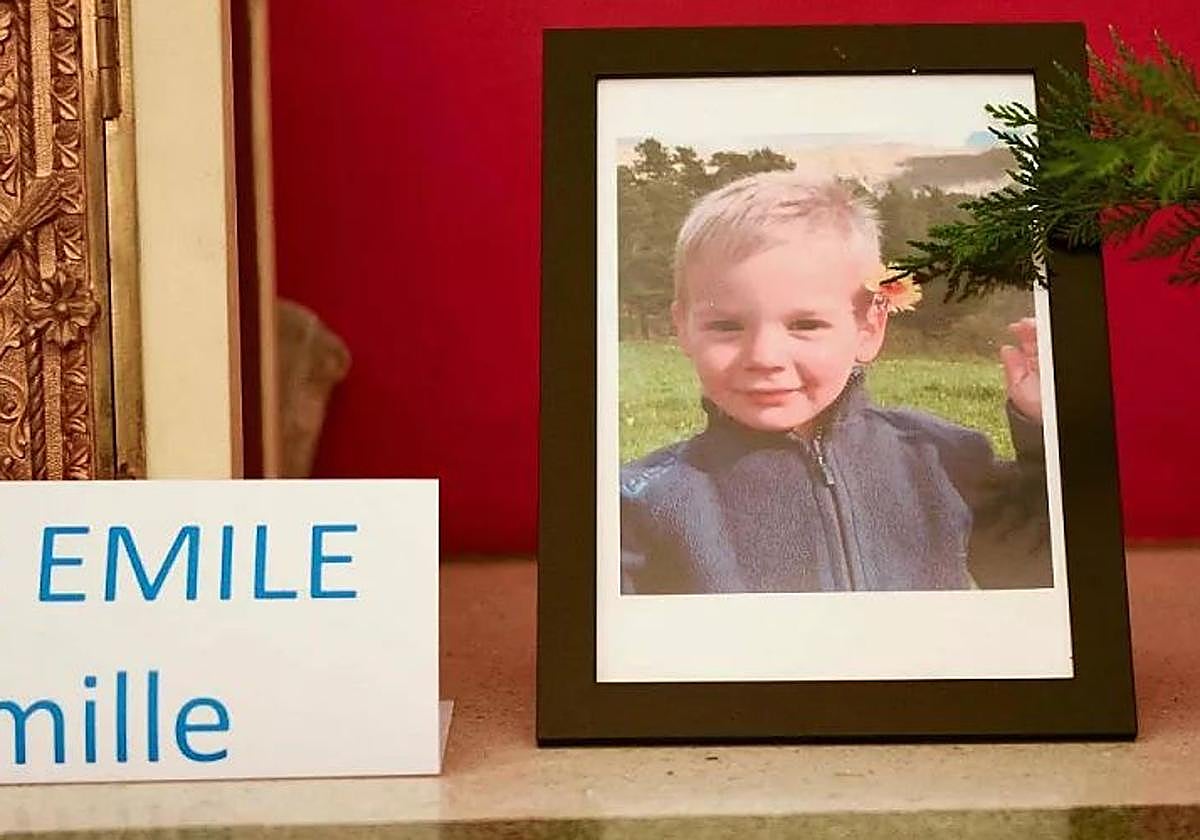
Understanding the Emile Soleil Disappearance: Legal and Investigative Perspectives
The disappearance of two-year-old Émile Soleil in Le Vernet, France, in July 2023 remains a case of profound public and legal significance. Centered on the circumstances surrounding his visit to his maternal grandparents' home, the inv...
The disappearance of two-year-old Émile Soleil in Le Vernet, France, in July 2023 remains a case of profound public and legal significance. Centered on the circumstances surrounding his visit to his maternal grandparents' home, the investigation has navigated complex jurisdictional, procedural, and forensic challenges. This analysis focuses on the status of the investigation, the role of family dynamics in French criminal procedure, and the broader implications for missing persons protocols.
Contents
Contextualizing the Disappearance of Émile Soleil
On July 8, 2023, two-year-old Émile Soleil went missing from the hamlet of Le Vernet, located in the Alpes-de-Haute-Provence region of southeastern France. The child was staying at the secondary residence of his maternal grandparents at the time of the incident. Reports confirmed he had arrived just days earlier for the summer season.
The immediate search effort involved a massive mobilization of authorities, including the Gendarmerie, specialized canine units, helicopters, and hundreds of local volunteers. Despite the intensity of the initial search—covering a significant radius around the hamlet—no immediate trace of the toddler was found. The case quickly moved from a localized search-and-rescue operation to a complex judicial inquiry, as authorities probed the possibility of criminal involvement or accidents that might have been concealed.
The Role of the Grandparents in Judicial Procedure
In the French legal system, when a minor disappears, the opening of a judicial inquiry allows for a broad range of investigative techniques that are not available under a preliminary police report. Within this framework, the grandparents' property and their personal accounts of the events are subject to intense scrutiny.
French law distinguishes between witnesses, suspects, and "assisted witnesses." Throughout the investigative phase, the family members present at the residence—including the grandparents—have been treated as key sources of information. Investigators focused on verifying the timeline provided: that the child was playing in the garden when he was briefly left unattended. The verification of this timeline is crucial because it serves as the foundation for all subsequent search parameters.
Legal observers note that the privacy of the family is often balanced against the state's mandate to uncover the truth. The investigation in Le Vernet utilized aerial imaging, digital forensics of local devices, and repeated interrogations to cross-reference the accounts of family members. There is no legal requirement in France for family members to be charged for them to be the focus of ongoing investigative "interviews."
Chronology and Investigative Milestones
The investigation has been characterized by several distinct phases. Understanding these is essential for comprehending the current state of the case as it stands in 2026.
- Initial Search (July 2023): The immediate 48-hour window focused on the geography of Le Vernet. This period established the "sterile zone," where investigators ruled out the child’s presence through thermal imaging and physical searches.
- The Judicial Inquiry: Upon transferring to a full judicial investigation, the scope expanded to include the backgrounds of all adults present at the property.
- Discovery of Remains: In late March 2024, a hiker discovered human remains in the vicinity of Le Vernet. Forensic analysis confirmed these were the remains of Émile Soleil.
- Forensic Analysis (2024-2025): Post-discovery, the focus shifted from a missing person search to a homicide or involuntary manslaughter investigation. Forensic experts examined the remains to determine the cause of death and whether it occurred at the location where the remains were discovered or if they were moved.
Comparative Analysis of Investigative Outcomes
The following table summarizes the key stages of the legal and investigative progression for the Emile Soleil case.
| Phase | Primary Objective | Investigative Tools Used |
|---|---|---|
| Search & Rescue | Locate a missing child alive | Canine teams, thermal drones, grid searches |
| Witness Verification | Establishing a reliable timeline | Interrogations, digital footprint analysis |
| Judicial Investigation | Determining criminal liability | Wiretaps, forensic modeling, site reconstruction |
| Forensic Recovery | Identifying the remains and cause of death | DNA analysis, osteology, environmental mapping |
Understanding Jurisdictional Complexity
The case of Émile Soleil illustrates the rigor of the French instruction (judicial investigation). Unlike in some adversarial legal systems, the French juge d'instruction (investigating magistrate) has the authority to lead the investigation independently, directing the police to perform specific tasks.
In this case, the juge d'instruction maintained a veil of secrecy around many investigative findings to protect the integrity of the process. This approach is standard in France but often leads to public speculation regarding the role of the grandparents. It is important to distinguish between social media speculation and the evidentiary threshold required by French courts. As of 2026, the investigation has not resulted in public formal indictments against family members, underscoring the legal principle of the presumption of innocence.
Common Questions Regarding the Case
What is the legal status of the grandparents in the investigation? The grandparents are recognized as witnesses with direct knowledge of the events. Under French law, they are not currently accused of any crime; however, the investigation remains open to ensure all potential scenarios are fully examined.
Why did it take so long to find the child? The terrain around Le Vernet is notoriously difficult, characterized by dense vegetation and steep topography. Despite extensive initial searches, environmental conditions and the specific nature of the child's movement likely contributed to the remains being shielded from view for several months.
Has a cause of death been definitively established? While forensic evidence has been gathered, the juge d'instruction keeps specific details regarding the exact cause of death restricted to protect the ongoing judicial proceedings and the privacy of the family involved.
Does the location of the discovery change the investigation? Yes. The location where the remains were found has prompted re-examinations of the initial search data to determine why that area was not cleared during the first wave of the search, helping to refine future protocols for missing child searches in rural areas.
Next Steps and Investigative Continuity
As of 2026, the investigation continues under the supervision of the Aix-en-Provence prosecutor’s office. The focus is now on the synthesis of forensic findings and digital evidence. The case serves as a critical study for French authorities in managing high-profile disappearances, particularly in balancing the extreme public interest with the necessity of maintaining the integrity of an ongoing instruction.
For those following the case, the most reliable information remains the official communications issued by the public prosecutor. Avoid relying on unverified reports from social media, as the judicial process is intentionally closed to the public to prevent contamination of testimony and to respect the legal rights of those involved. The final resolution of the case will depend on the ability of the forensic experts to provide a definitive account that matches the physical evidence against the testimonies provided by witnesses during the investigation.
Image Gallery