Why Solar Panel Installation in Bhopal Matters: A Comprehensive Guide to Energy Independence
Solar panel installation in Bhopal is a strategic investment for residents and businesses, offering a viable solution to rising electricity costs and the growing need for sustainable energy infrastructure. By capitalizing on Madhya Pra...
Solar panel installation in Bhopal is a strategic investment for residents and businesses, offering a viable solution to rising electricity costs and the growing need for sustainable energy infrastructure. By capitalizing on Madhya Pradesh’s high solar insolation levels and participating in government-backed net metering programs, property owners can significantly reduce their grid dependence while stabilizing long-term energy expenditures.
Contents
The Regional Advantage: Why Bhopal is Primed for Solar
Bhopal, the capital of Madhya Pradesh, occupies a unique geographical position that makes it highly suitable for solar photovoltaic (PV) implementation. The region receives a high number of sunny days annually, consistently providing the necessary irradiance to maximize the yield of solar panels. Solar insolation, measured in kilowatt-hours per square meter per day ($kWh/m^2/day$), is a critical metric for determining the efficiency of any installation. Bhopal consistently records favorable levels, ensuring that systems installed here generate a high return on investment (ROI) compared to regions with higher cloud cover or atmospheric pollution.
Beyond environmental factors, the push for solar is bolstered by the state’s commitment to renewable energy. Madhya Pradesh has aggressively promoted the adoption of rooftop solar systems to meet the state’s clean energy targets. As of 2026, the regulatory framework has matured, making the process of grid integration—commonly referred to as net metering—more accessible for residential and commercial consumers.
Understanding the Economic Impact
For most property owners in Bhopal, the primary driver for solar installation is the economic relief from fluctuating electricity tariffs. Grid power costs often rise due to fuel surcharges and inflation. Conversely, once a solar system is installed, the electricity generated is essentially free for the remainder of the equipment’s lifespan, which typically spans 20 to 25 years.
Capital Expenditure vs. Operational Savings
While the initial capital expenditure (CAPEX) for a solar system can be significant, the break-even period in Bhopal is relatively short due to high efficiency levels and available government incentives.
- Initial Costs: These include the price of solar modules (panels), inverters, mounting structures, and the cost of electrical balance-of-system components like cabling and switchgear.
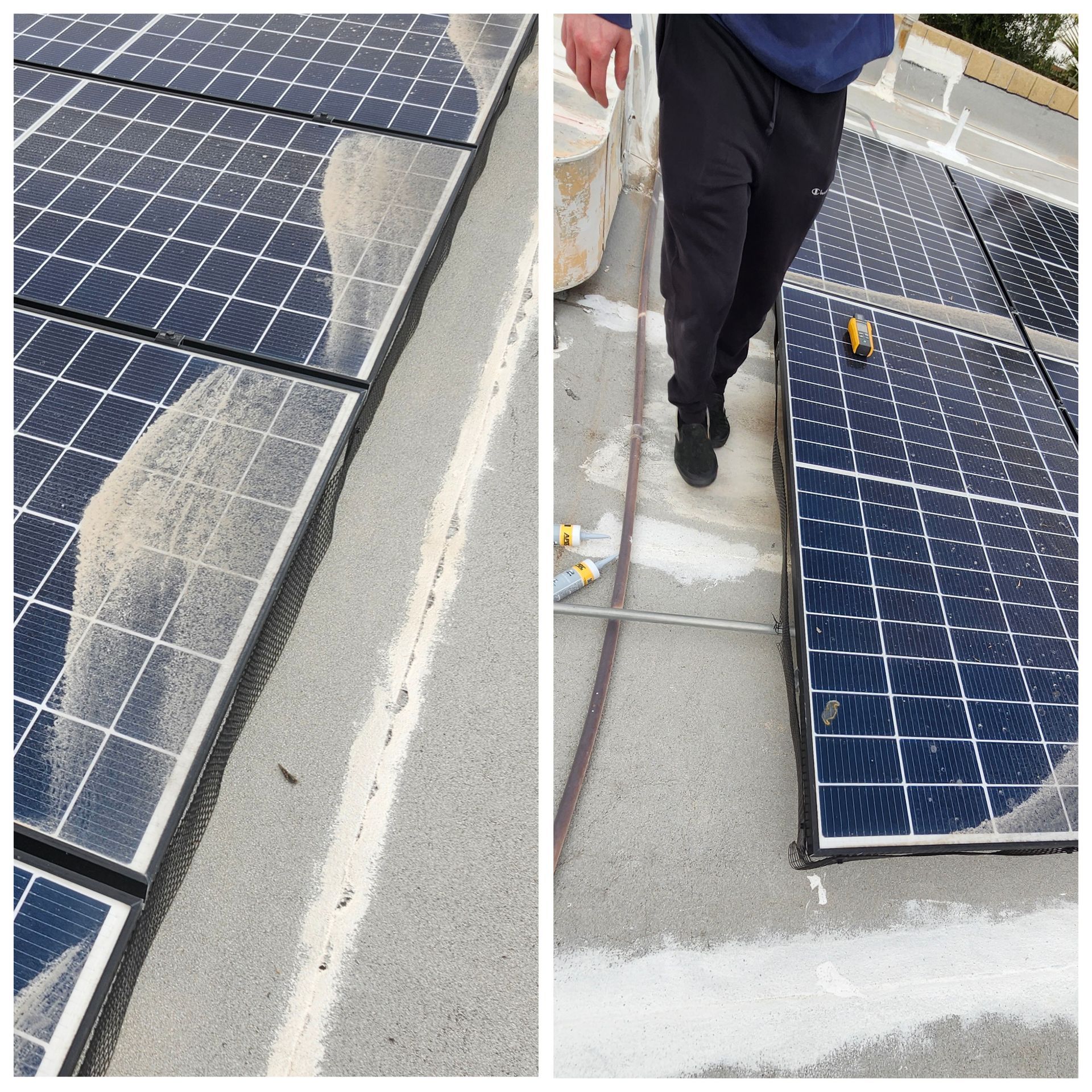
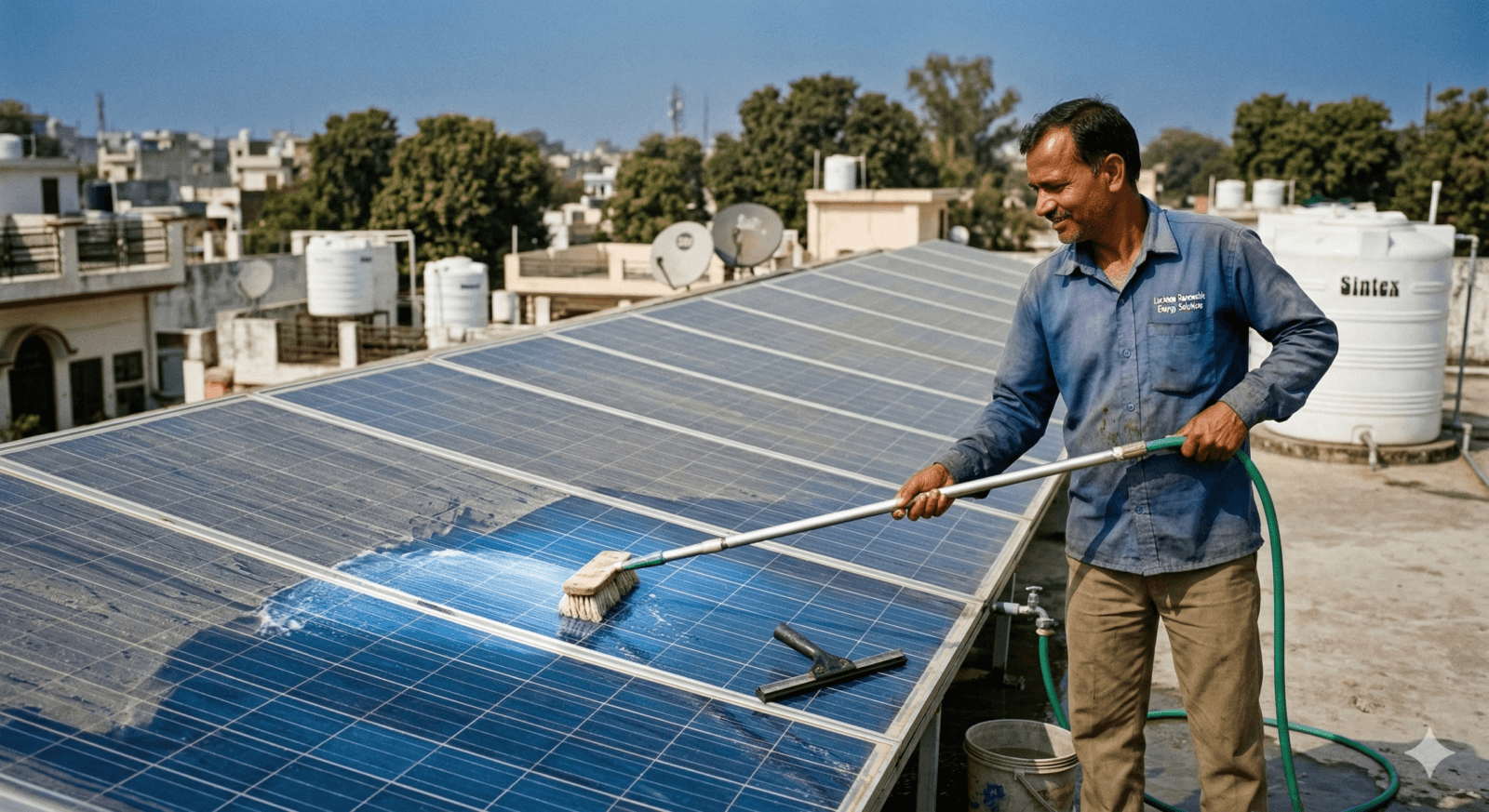
- Maintenance: Solar PV systems are low-maintenance. The primary requirement is regular cleaning of the panels to prevent dust accumulation, which can hinder light absorption.
- Operational Savings: By reducing the amount of energy drawn from the utility grid, the system lowers the monthly electricity bill. In many cases, it moves the user into a lower tariff bracket, providing a dual layer of financial relief.
The Regulatory Framework and Net Metering in Bhopal
Net metering is the mechanism that makes residential and commercial solar installations in Bhopal practical. Under this system, the energy your solar panels produce is first used to power your property. Any excess energy is exported back to the grid through a bi-directional meter. At the end of the billing cycle, the utility company credits your account for the exported power, offsetting the cost of any electricity you imported when your system was not generating power (such as at night).
Eligibility and Connection Steps
To benefit from net metering in Bhopal, property owners must navigate the administrative requirements set by the local power distribution company (DISCOM).
- Technical Feasibility: Before installation, a technical audit must confirm that the roof structure can support the solar array and that the existing transformer capacity in your area can handle the grid-tied connection.
- Application Process: Owners must submit an application to the local DISCOM, detailing the installed capacity and the technical specifications of the equipment, particularly the inverter, which must comply with safety standards (e.g., anti-islanding features).
- Installation and Inspection: After approval, a certified vendor installs the system. Following installation, the DISCOM inspects the setup to ensure it meets safety and quality standards before authorizing the installation of the net meter.
Technical Considerations for Installation
Choosing the right equipment is vital for ensuring longevity and performance. The harsh summer temperatures in Bhopal necessitate equipment that can handle thermal stress.
| Feature | Monocrystalline Panels | Polycrystalline Panels |
|---|---|---|
| Efficiency | High (19-22%) | Moderate (15-17%) |
| Space Requirement | Less space needed | More space needed |
| Heat Tolerance | Better performance in heat | Lower tolerance |
| Cost | Premium | Economical |
For most residential rooftops in Bhopal, monocrystalline PERC (Passivated Emitter and Rear Cell) panels are recommended due to their superior efficiency in high-temperature environments. It is also critical to ensure that inverters are sourced from manufacturers with local service support to minimize downtime should a technical fault occur.
Common Misconceptions
One frequent concern regarding solar in Bhopal is the impact of seasonal weather, specifically the monsoon. While it is true that solar generation dips during the rainy season, the high output during the eight to nine months of clear weather more than compensates for the lower generation period. The yearly average remains consistent, which is the metric used to calculate the system's ROI.
Another misconception is that solar panels require constant maintenance. In reality, most modern systems are solid-state and have no moving parts. Aside from periodic cleaning—which can be done with simple water and a soft brush—and an annual check of the electrical connections by a professional, the system requires very little intervention.
FAQs Regarding Solar Installation in Bhopal
1. How long does a solar panel system typically last in Bhopal? Most solar modules are warrantied for 25 years. While the power output may experience a slight, expected degradation of about 0.5% to 0.8% per year, the panels will continue to produce significant energy well past the two-decade mark.
2. Can I run my air conditioner on solar power in Bhopal? Yes, but you must size your system appropriately. Solar systems are sized based on your peak load. If you intend to run power-intensive appliances like AC units, your solar system capacity (measured in kilowatts) must be high enough to cover that specific consumption.
3. Is it mandatory to have a battery backup system? No. Most urban residential installations in Bhopal are "grid-tied," meaning they work with the grid and do not require batteries. Battery-based systems (off-grid or hybrid) are only necessary if you require power during grid outages, which significantly increases the total installation cost.
4. What happens to my solar system during a power outage? If you have a grid-tied system, it will automatically shut down during a power outage for safety reasons. This is known as "anti-islanding." This prevents the solar system from sending electricity into the grid while technicians are working on lines, protecting them from electrocution.
5. How much space do I need for a solar installation? Generally, you need approximately 100 square feet of shadow-free rooftop space per kilowatt of solar capacity installed.
Next Actions for Property Owners
The first step toward installing solar in Bhopal is to conduct a load analysis. Review your electricity bills from the last 12 months to determine your average monthly consumption in kilowatt-hours ($kWh$). Once you have this data, contact at least three reputed local solar installers to request a site survey.
Ask each installer to provide a quote that includes the total system cost, an estimate of energy production, and the expected payback period based on current electricity tariffs. Ensure the proposal includes the cost of the net metering application and the bi-directional meter. By taking the time to compare technical specifications and warranties, you can secure a system that provides reliable, cost-effective energy for decades to come.
Image Gallery