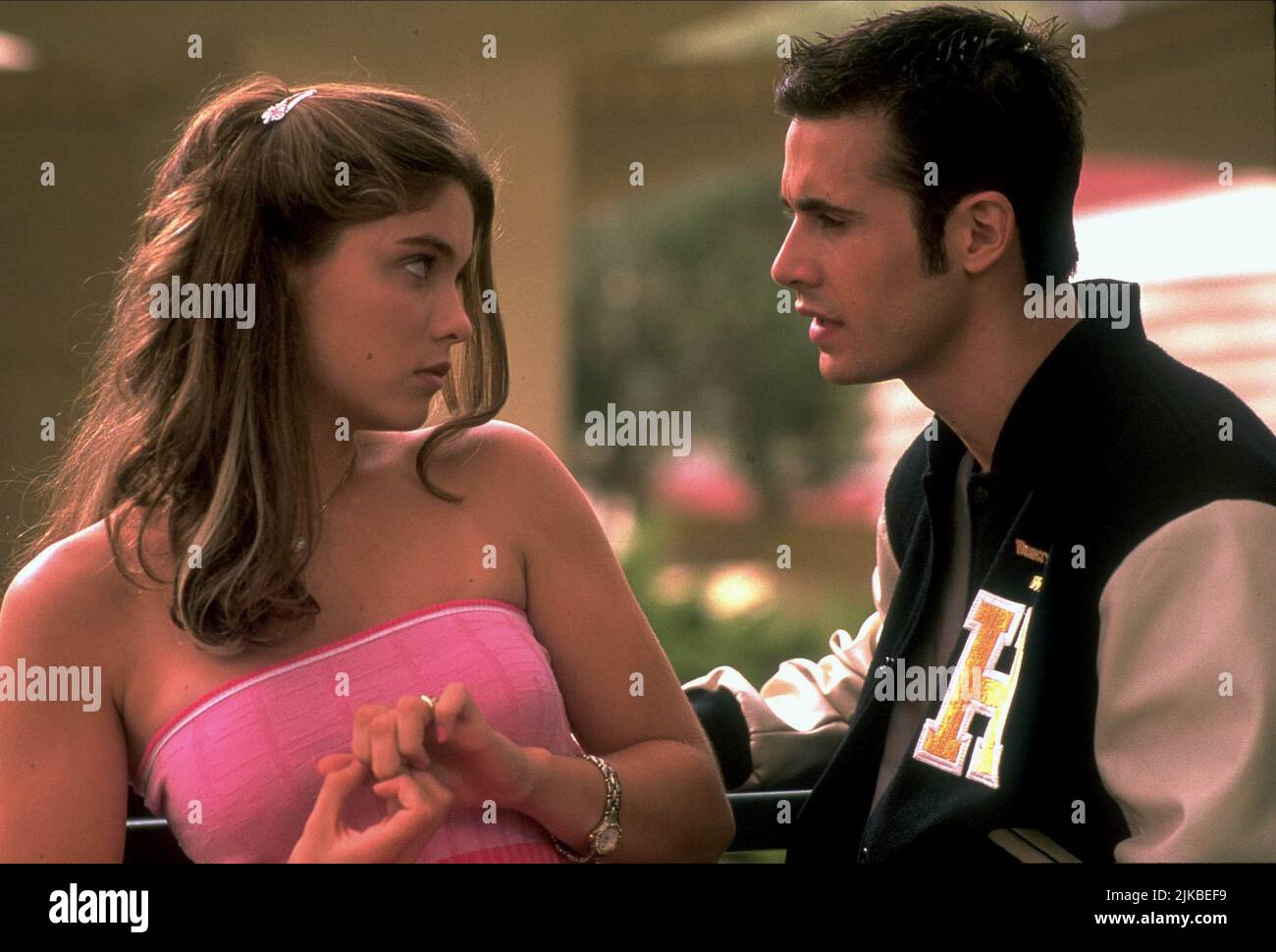
Mitch in Shes All That Is a Supporting Character: A Deep Dive into High School Cinema Tropes
Mitch, played by actor Travis Kramer in the 1999 teen romantic comedy She’s All That, serves as a distinct supporting character who occupies the periphery of the film’s central social hierarchy. While his screen time is limited compare...
Mitch, played by actor Travis Kramer in the 1999 teen romantic comedy She’s All That, serves as a distinct supporting character who occupies the periphery of the film’s central social hierarchy. While his screen time is limited compared to protagonists Zack Siler and Laney Boggs, Mitch functions as a narrative utility, reinforcing the film’s exploration of high school cliques, athletic dominance, and the rigid social archetypes prevalent in late-90s cinema.
Contents
The Role of Supporting Characters in 1999 Teen Rom-Coms
To understand why Mitch is classified as a supporting character in She’s All That, one must examine the structural mechanics of the "high school movie" genre. During the late 1990s, teen films frequently utilized a blueprint of social stratification. The protagonist—usually a popular, charismatic athlete or a misunderstood "nerd"—navigates a ecosystem populated by archetypes.
Supporting characters like Mitch are essential for world-building. They are not intended to drive the primary plot forward in a transformative way; instead, they act as the "social fabric." By surrounding the main characters with peers who occupy specific niches—such as the jock, the sidekick, or the rival—filmmakers provide a sense of authenticity to the setting. Mitch is an extension of the school environment, helping to establish the atmosphere of Harrison High School as a place defined by peer pressure, status, and the pursuit of social validation.
Mitch within the Social Hierarchy of Harrison High
In the universe of She’s All That, the characters are divided into clear socioeconomic and social tiers. At the top sit the "populars," represented by Zack Siler (Freddie Prinze Jr.) and his inner circle. At the bottom, at least initially, is the social outcast, Laney Boggs (Rachael Leigh Cook). Characters like Mitch exist in the middle-to-upper bracket of this hierarchy.
Mitch’s presence helps define the boundaries of this world. Supporting roles are often written to highlight the contrast between different social groups. While the protagonist might attempt to bridge the gap between groups, supporting characters often enforce the status quo, reminding the audience of the "rules" of the social game. Mitch provides a baseline for the average student at Harrison High, anchoring the more extreme personalities of the leads in a setting that feels like a recognizable, if heightened, reality.
Comparison of Character Functions
The following table categorizes the common functions of characters within the She’s All That narrative structure:
| Character Role | Function | Representative Example |
|---|---|---|
| Protagonist | Drives the emotional arc and central plot. | Zack Siler |
| Catalyst | Initiates the core conflict or challenge. | Dean Sampson |
| Supporting | Provides environment, context, and secondary conflict. | Mitch |
| Foil | Contrasts with the lead to highlight traits. | Laney Boggs |
Narrative Utility and Genre Tropes
The "supporting character" trope is often criticized for a lack of depth, but from a screenwriting perspective, Mitch serves a specific purpose in the film’s economy. Every scene requires a balance of character interactions to keep the pace brisk.
In She’s All That, the script relies heavily on ensemble energy. Supporting characters provide the necessary background noise of high school life—the locker room banter, the cafeteria arguments, and the reactions to public displays of affection or social failures. By observing Mitch interacting with the more central figures, the audience understands the "pecking order" of the school without the film needing to spend excessive time on exposition.
Furthermore, supporting characters are often used for "narrative relief." When the romantic tension between Zack and Laney becomes too intense or too heavy, the story cuts to secondary characters to provide levity or to reset the scene. This oscillation between the personal drama of the main couple and the public world represented by the supporting cast is a hallmark of the genre.
Travis Kramer and the Casting of Secondary Roles
The casting of Travis Kramer as Mitch follows the industry standards of the time. For many teen films, the studio sought actors who could embody a specific look or "vibe" to ensure the audience immediately grasped the character’s social standing.
For many actors starting their careers in the late 90s, taking on a supporting role in a high-profile teen movie like She’s All That was a strategic step. While the character might not be the face on the poster, the film’s massive commercial success ensured that the cast members were part of a cultural touchstone. Mitch may not have had a massive character arc or a dramatic monologue, but his inclusion in the film’s ensemble allowed for a cohesive depiction of the student body, which was essential for the film’s overall reception.
Why Supporting Characters Matter to Audience Engagement
If a film were populated only by protagonists, the audience would lose the sense of scale and realism. Characters like Mitch are the "everyman" figures that help the viewer identify with the setting. Even if the audience doesn't relate to the high-stakes romantic bet made by the protagonist, they likely relate to the experience of being an observer in a high school hallway, which is exactly the vantage point occupied by supporting characters.
Supporting characters also serve to validate the stakes of the plot. If the school feels empty or static, the protagonist’s social status doesn't seem important. By filling the background with characters like Mitch, the film creates a "world" that feels populated and active. When the lead character enters a room, the presence of these secondary figures dictates how the protagonist is perceived, confirming their status as a leader, an outcast, or an anomaly.
Understanding the "She’s All That" Legacy in 2026
As of 2026, She’s All That remains a seminal entry in the teen rom-com canon. It is frequently studied for its adherence to the Pygmalion myth and its commentary on 90s fashion, music, and social dynamics. Revisiting the film allows viewers to analyze not just the evolution of the lead performances, but the construction of the entire cast.
When analyzing the film today, it is common to overlook the supporting cast in favor of the iconic status of the leads. However, the film’s durability is actually a result of the collective performance of the ensemble. Mitch, as a character, occupies a space that reminds us that stories, much like high schools, rely on the contribution of various roles, both large and small. Without the supporting characters providing the friction and the backdrop, the transformation of Laney Boggs would lack the social context required to make the ending feel earned.
Frequently Asked Questions
Why is it important to distinguish Mitch as a supporting character? Distinguishing between leads and supporting characters is vital for understanding film structure. It allows for a clearer analysis of how plot points are distributed and how the film’s world is constructed to support the main character's journey.
Does Mitch play a role in the central conflict of the film? No, Mitch does not drive the central plot of the bet between Zack and Dean. He is part of the environment that reinforces the social stakes. His reactions and interactions serve to populate the world rather than influence the specific narrative turns.
Are there other roles like Mitch in the film? Yes, She’s All That features an ensemble of supporting players who fulfill various social roles—jocks, popular girls, theater students, and friends—all of whom contribute to the film’s high school atmosphere.
How did the 1999 setting influence the writing of supporting characters? The late 90s were a peak time for "high school hierarchy" films. The writing was heavily influenced by the need to create distinct, recognizable cliques that resonated with a young audience, leading to the creation of many archetypal supporting roles.
Can supporting characters change the trajectory of a story? Generally, they act as catalysts or mirrors for the protagonist. While they rarely change the ultimate conclusion of a story, they often provide the emotional or social feedback that influences the protagonist's decisions.
Recommendation for Further Analysis
To gain a better understanding of how supporting characters define the teen genre, view She’s All That alongside other contemporary films like 10 Things I Hate About You or Clueless. By comparing the ensemble dynamics in these movies, you can identify how screenwriters use background characters to establish the social "rules" of their respective high schools. Pay close attention to scenes where the protagonist is not the primary focus; note how the background characters interact to maintain the continuity of the film’s social environment.
Image Gallery