Description of Person
A description of person serves as a structured, detailed profile that captures an individual's physical traits, biographical background, psychological tendencies, and social context. It is widely utilized in creative writing, forensic...
A description of person serves as a structured, detailed profile that captures an individual's physical traits, biographical background, psychological tendencies, and social context. It is widely utilized in creative writing, forensic investigations, human resources, and historical documentation to create a vivid and accurate mental image of a subject.
Contents
Understanding the Purpose of a Person Description
A comprehensive description of person goes beyond basic physical attributes to encompass behavioral patterns, professional history, and social interactions. Whether used by law enforcement to draft an identikit, by novelists to build believable fictional characters, or by background-checking agencies for security clearances, the objective is to establish a distinct and verifiable identity.
The accuracy and utility of any description depend heavily on the context of its creation. A clinical psychological evaluation requires an entirely different depth of description compared to an eyewitness report or a biographical sketch.
Core Dimensions of Human Profiling
To achieve a balanced portrait, writers and investigators typically divide a description into distinct categories. This prevents the profile from becoming overly fixated on a single trait, such as clothing or height, while ignoring behavioral or contextual cues.
- Physical Characteristics: Observable traits including height, build, facial features, hair color, and distinguishing marks.
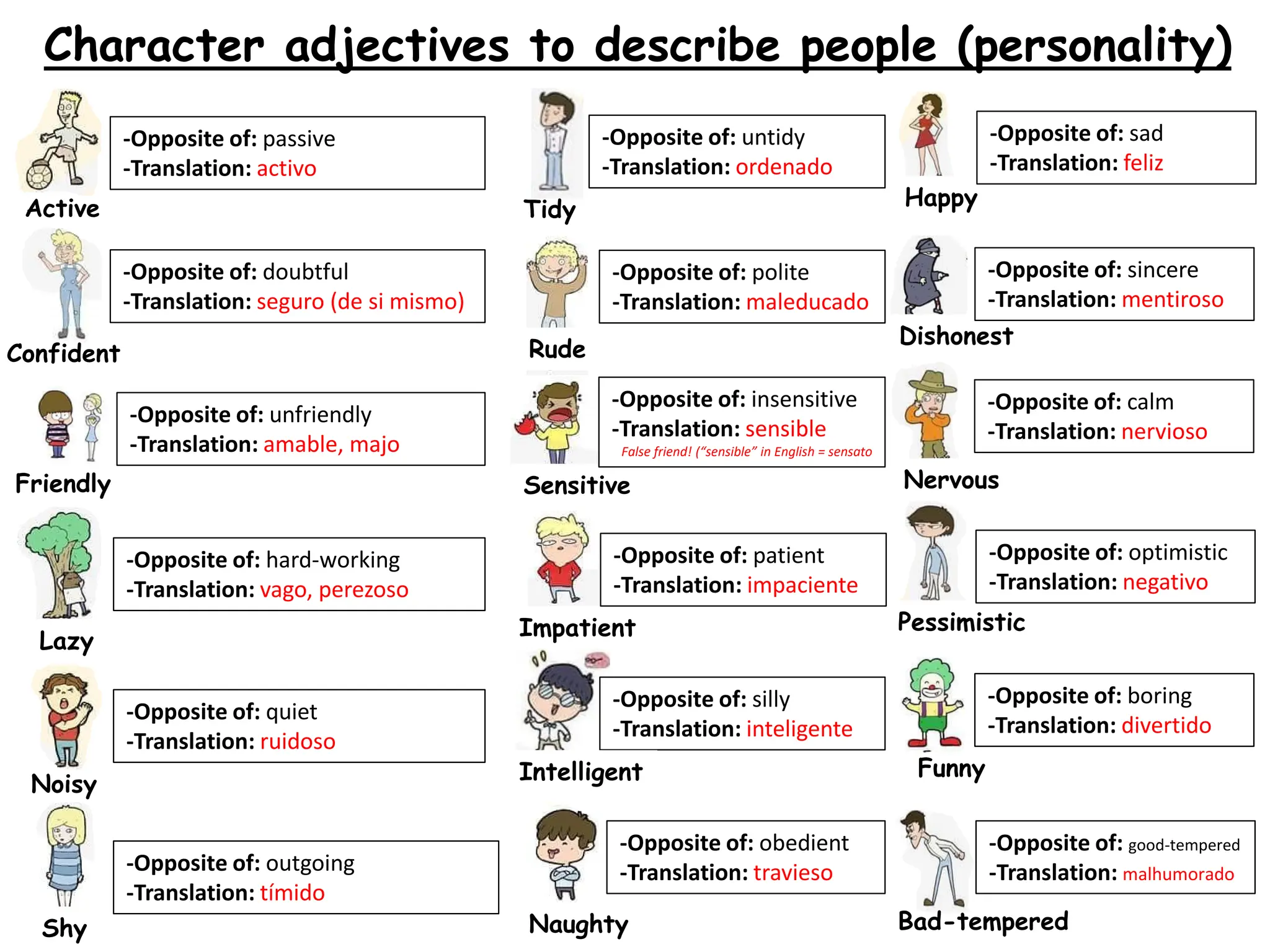
- Behavioral Traits: Mannerisms, speech patterns, posture, gait, and typical emotional responses under stress.
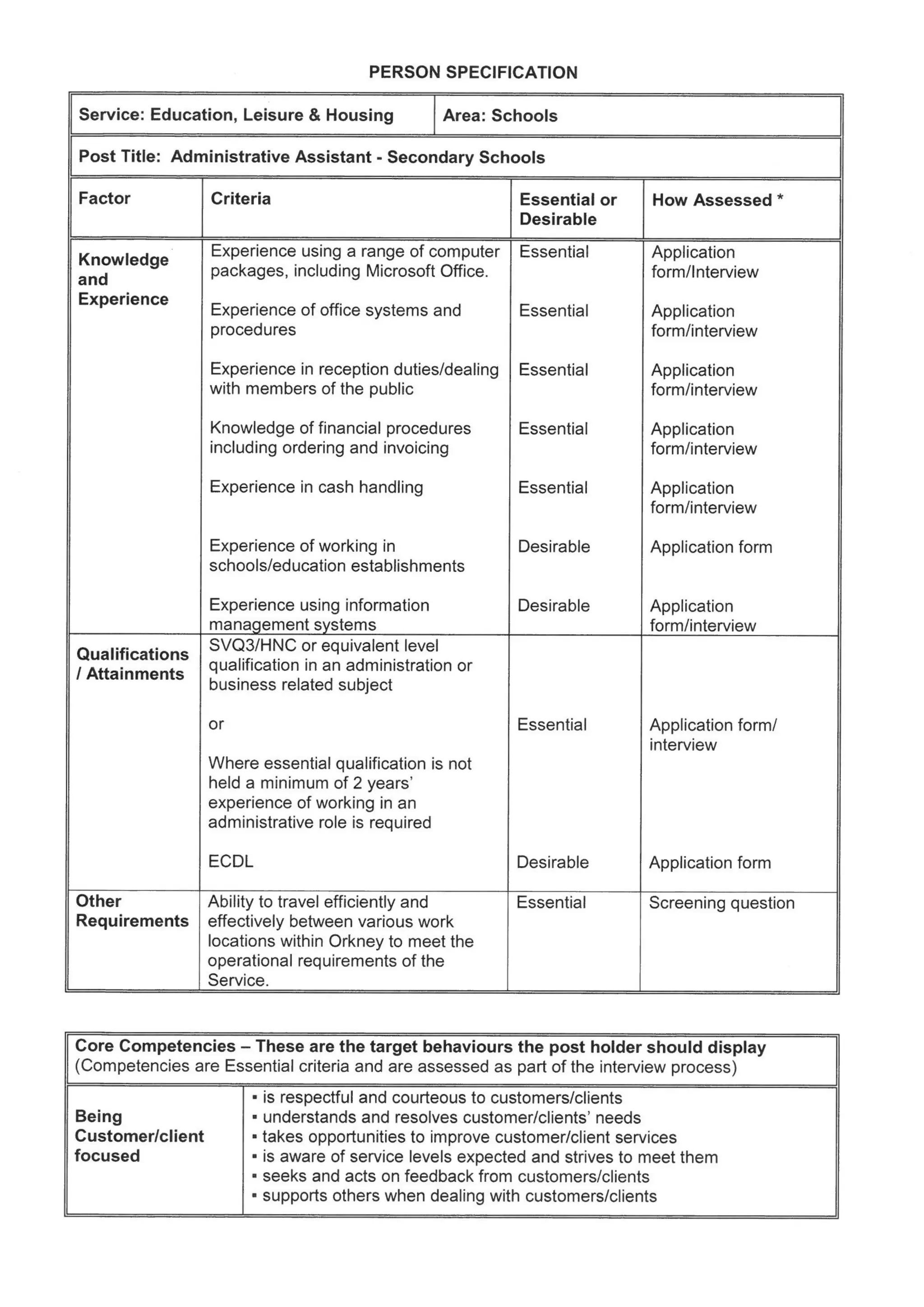
- Socioeconomic Context: Professional background, education level, cultural markers, and daily routines.
- Psychological Profile: Temperament, core motivations, cognitive style, and interpersonal tendencies.
Physical Attributes and Observable Traits
The foundation of any external description rests on objective physical markers. In professional settings, such as security or forensic reporting, observers are trained to look past temporary clothing choices and focus on immutable or semi-permanent characteristics.
Anthropometric and Structural Features
When documenting a person's physical build, recorders look at skeletal structure and muscular development.
- Height and Proportions: Estimating overall height relative to standard benchmarks and noting whether the subject is ectomorphic (lean), mesomorphic (athletic), or endomorphic (heavy-set).
- Posture and Movement: How an individual carries themselves reveals much about confidence, age, or physical ailments. A stooped posture, rigid stride, or asymmetrical limp provides immediate identification cues.
- Facial Geometry: The shape of the skull, jawline definition, forehead height, and the spacing of facial features form the core of facial recognition.
Distinguishing Marks and Modifiers
Permanent or long-lasting modifications help differentiate individuals who share similar height and build profiles.
| Feature Type | Examples | Diagnostic Value |
|---|---|---|
| Natural Marks | Birthmarks, scars, moles, freckles | High permanence; difficult to alter without surgical intervention. |
| Artificial Modifications | Tattoos, piercings, brandings | Cultural or personal indicators; subject to change or removal over time. |
| Condition-Based | Amputations, chronic tremors, alopecia | Functional identifiers; directly observable during routine movement. |
| Grooming Styles | Beard style, hair texture, cosmetic use | Highly variable; reflects temporary personal choice or professional norms. |
Behavioral and Psychological Profiling
While physical traits identify a person at a glance, behavioral and psychological descriptions explain how that person interacts with the world. These elements are critical in investigative fields and character development.
Mannerisms and Habitual Actions
Mannerisms are unconscious physical habits that persist across different environments. Documenting these requires extended observation.
- Kinesics: Hand gestures while speaking, fidgeting habits, and eye contact consistency.
- Paralanguage: Vocal pitch, speech tempo, regional accents, and habitual verbal tics or filler words.
- Reactivity: How the individual responds to unexpected noise, questioning, or frustration.
Cognitive and Emotional Tendencies
A psychological description explores internal mechanics. This includes cognitive speed, emotional regulation, and decision-making strategies. For detailed methodologies on behavioral observation, consult resources provided by the American Psychological Association.
Contextual and Biographical Factors
A person cannot be fully understood in a vacuum. Their environment, history, and social roles shape their outward presentation and internal motivations.
Professional and Social Roles
An individual’s occupation, familial status, and community standing dictate much of their daily presentation.
- Workplace Identity: Professional attire, specialized terminology, and authority markers.
- Social Circles: Peer group dynamics, cultural affiliations, and communication registers.
- Historical Record: Educational background, legal history, and documented achievements.
Common Mistakes in Person Descriptions
Inaccurate or biased descriptions lead to systemic errors in investigations, poor character writing in literature, and flawed human resource assessments.
- Over-Reliance on Stereotypes: Assuming behavior based purely on superficial physical traits or clothing choices.
- Vague Adjectives: Using subjective terms like "suspicious-looking" or "average build" without providing concrete measurements or comparative baselines.
- Neglecting Temporal Changes: Failing to account for aging, weight fluctuations, or deliberate changes in personal grooming.
- Confirmation Bias: Noticing only those traits that confirm an initial impression while ignoring contradictory evidence.
Frequently Asked Questions
What is the most reliable way to describe a person's height accurately?
Whenever possible, compare the subject to known reference points, such as standard doorway heights or standardized measurement markers on a wall. Avoid guessing purely from a seated or distant perspective, as perspective distortion is common.
How do forensic artists use witness descriptions?
Forensic artists translate subjective verbal accounts into composite sketches by breaking descriptions down into standardized anthropological components, such as nose width, eye separation, and hairline shape, allowing witnesses to refine individual features progressively.
Why are behavioral traits considered more reliable than clothing in descriptions?
Clothing is easily altered, discarded, or replaced within minutes. Habitual mannerisms, vocal patterns, and gait mechanics are deeply ingrained neuromuscular habits that are significantly harder for an individual to disguise consistently.
What ethical guidelines govern the description of individuals in public records?
Professional journalism, law enforcement, and research institutions adhere to strict privacy frameworks, such as those outlined by the National Archives, to ensure that physical and biographical descriptions do not violate personal privacy rights or propagate unfair profiling.
Conclusion
Constructing a thorough description of person requires a disciplined approach that balances objective physical measurements with behavioral observations and contextual background. By avoiding subjective generalizations and focusing on verifiable traits, observers can create accurate, reliable profiles suitable for professional, creative, and analytical applications.
Image Gallery