Understanding Life Insurance Policies: Are They Bogus or Good?
Life insurance policies are neither inherently "bogus" nor universally "good"; their value is strictly determined by whether the specific product type aligns with your financial obligations, risk tolerance, and long-term objectives. Wh...
Life insurance policies are neither inherently "bogus" nor universally "good"; their value is strictly determined by whether the specific product type aligns with your financial obligations, risk tolerance, and long-term objectives. While valid concerns exist regarding high fees, complex commission structures, and potential misrepresentation, life insurance remains a critical legal instrument for mitigating the financial impact of premature death on dependents or estates.
Contents
The Origin of the "Bogus" Perception
The skepticism surrounding life insurance often stems from a fundamental misunderstanding of the distinction between insurance as a risk-transfer mechanism and insurance as a wealth-accumulation vehicle. Critics frequently label policies as "bogus" due to the high cost of permanent insurance products, which often contain complex internal fee structures. In many cases, these perceptions arise when a consumer purchases a product that was inadequately explained or improperly suited for their financial lifecycle.
A primary driver of this sentiment is the complexity of "cash value" or permanent policies, such as whole life or universal life insurance. Because these policies bundle a death benefit with an investment or savings component, they carry significant overhead in the form of administrative fees, premium loads, and sales commissions. If a policyholder expects these products to function as a primary investment vehicle—competing with low-cost index funds or high-yield savings accounts—they are frequently disappointed by low net internal rates of return, leading to the perception that the product is a bad deal or a scam.
Distinguishing Between Insurance Types
To evaluate whether a policy is "good" or "bogus," you must first categorize it. Most life insurance offerings fall into two buckets: term insurance and permanent insurance.
Term Life Insurance
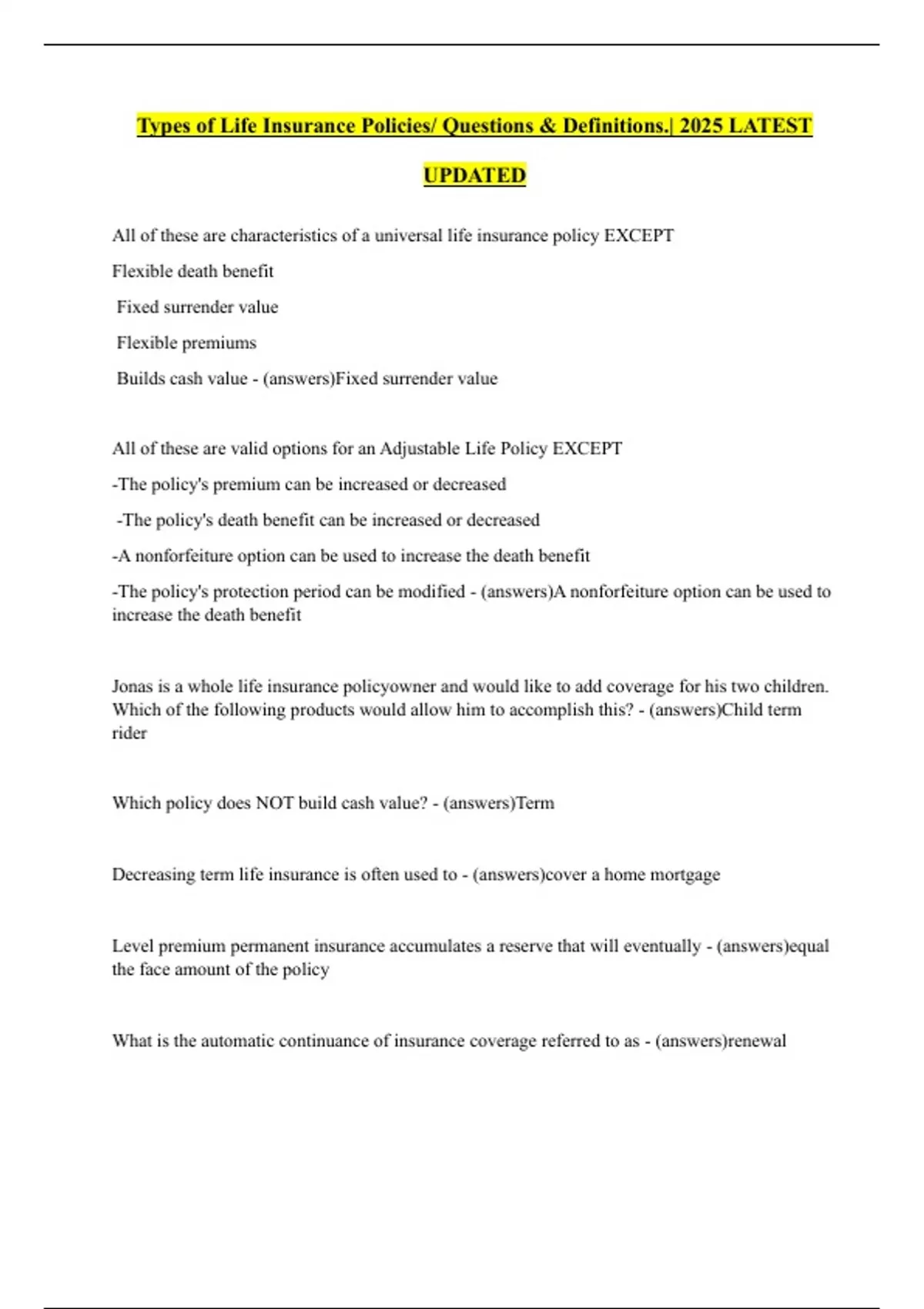
Term insurance is the most straightforward form of coverage. You pay a premium for a set duration (e.g., 10, 20, or 30 years), and the insurer pays a death benefit only if you die during that term.
- The "Good": It is inexpensive, provides high coverage amounts relative to premium costs, and is transparent.
- The "Bogus" risk: It offers no residual value. If the term expires and you are still alive, you have received exactly what you paid for—risk protection—but have no money returned. Those who view insurance strictly as a savings account often label this as "wasted" money.
Permanent Life Insurance
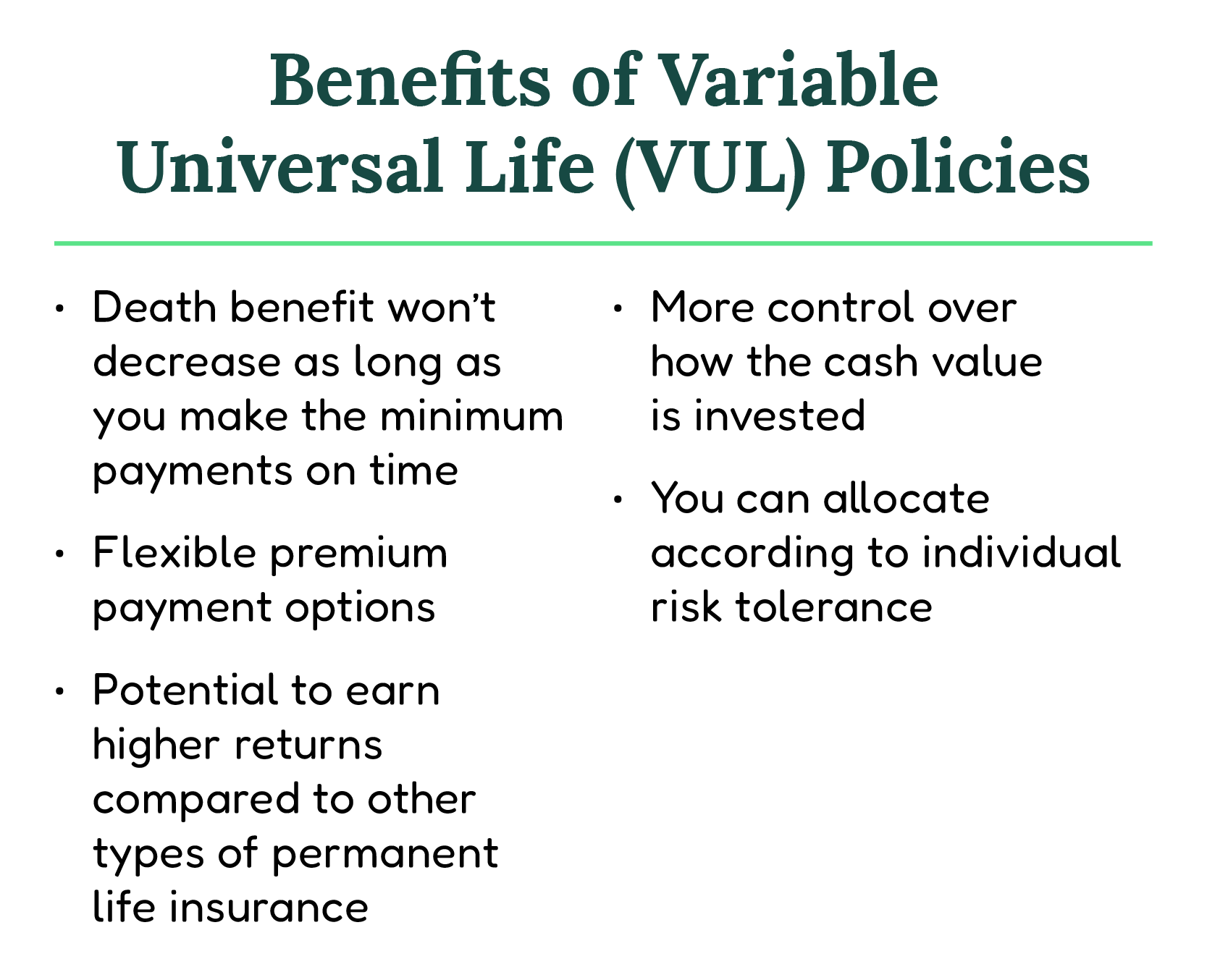
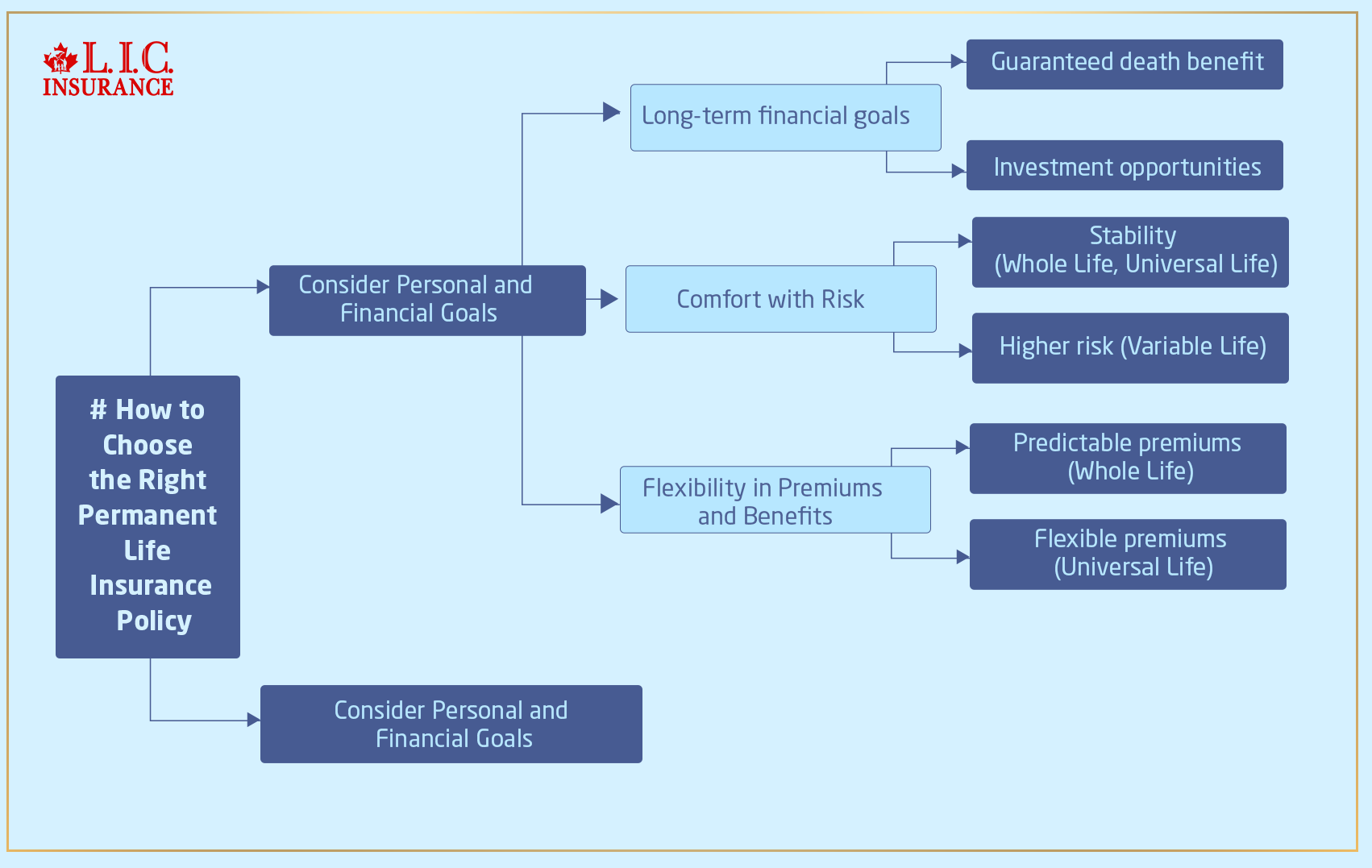
These policies, including Whole Life, Universal Life, and Variable Life, are designed to last for your entire lifetime, provided premiums are paid.
- The "Good": They offer tax-deferred cash value growth and a guaranteed death benefit, which can be useful for estate planning, liquidity needs, or funding business succession.
- The "Bogus" risk: The complexity makes them difficult to compare. If the policy is not structured correctly, or if interest rate assumptions in a Universal Life policy prove overly optimistic, the policy may lapse, or the policyholder may be forced to pay significantly higher premiums to keep it in force.
Analyzing Value and Cost Efficiency
Determining the worth of a life insurance policy requires a quantitative look at the "cost of insurance" (COI). Every permanent policy has a monthly charge for the risk the company assumes; anything paid above that amount enters the cash value account.
If you suspect your policy is performing poorly, request an "in-force illustration" from your insurance provider. This document outlines the current projected performance of the policy based on current interest rates and fees. If the projected returns are consistently below expectations or the internal costs are consuming a large percentage of your premium, the policy may be underperforming.
Comparison Table: Evaluating Policy Suitability
| Feature | Term Life Insurance | Whole Life Insurance | Universal Life Insurance |
|---|---|---|---|
| Duration | Fixed (e.g., 20 years) | Lifetime | Lifetime (flexible) |
| Cost | Low | High | Moderate to High |
| Cash Value | None | Yes (Guaranteed) | Yes (Variable) |
| Primary Goal | Income replacement | Estate planning/Legacy | Flexibility/Accumulation |
| Complexity | Low | Moderate | High |
Why Policies Fail to Deliver
Many consumers feel deceived because they were sold a product that did not align with their financial reality. Life insurance is a long-term commitment. Common pitfalls that lead to the "bogus" label include:
- Over-leveraging: Buying a policy with premiums that represent too high a percentage of monthly income, leading to a lapse during a temporary financial downturn.
- Lack of Transparency: Not understanding how commissions affect the early years of a policy's cash value growth.
- Misalignment: Using permanent insurance for short-term goals, such as buying a house or saving for a child's education. These goals are generally better served by liquid, transparent investment vehicles.
- Premium Increases: In some Universal Life policies, if the underlying interest rates drop, the policyholder may have to choose between increasing premiums or reducing the death benefit to keep the policy active.
Regulatory Protections and Verification
It is important to note that life insurance in the United States and many other jurisdictions is highly regulated. Each state has a Department of Insurance that monitors the financial solvency of insurers. If a company fails, state guaranty associations provide a safety net for policyholders up to certain limits. When you are verifying the "goodness" of a policy, you are not just assessing the product but the financial strength of the carrier. Utilize ratings from services like A.M. Best or Moody’s to assess an insurer’s ability to fulfill claims.
Frequently Asked Questions
Is life insurance a good investment? Life insurance is primarily a tool for risk mitigation, not a traditional investment. While some permanent policies allow for cash value accumulation, the primary goal should be providing a death benefit to beneficiaries. If you seek pure investment growth, other vehicles generally offer lower fees and higher liquidity.
How can I tell if my policy is overpriced? Compare the cost of your current policy against current term insurance quotes for the same death benefit amount. If you hold a permanent policy, request an annual statement and check the "cost of insurance" fees. If the internal fees are high and your policy’s cash value is stagnant, discuss the policy structure with a fee-only financial planner.
Can I get out of a policy if I think it is bogus? Yes, but proceed with caution. You can cancel a policy at any time, but if you have a permanent policy with cash value, you may be subject to surrender charges. Always consult with a tax professional before cancelling to understand the potential tax consequences of taking a cash distribution.
Does term life insurance expire? Yes. Once the term (the specific number of years) ends, the coverage terminates. If you need coverage beyond that term, you would need to either convert the policy to a permanent one (if the contract allows) or apply for a new policy, which will be based on your age and health at that future date.
What is the best way to purchase life insurance? Work with an independent broker who can compare products from multiple carriers. Avoid captive agents who only offer policies from one company. Ensure you clearly define your "why"—are you looking to cover a 20-year mortgage, or are you looking to provide a tax-efficient legacy for your heirs?
Next Steps
If you currently hold a policy and are concerned about its value, your next step is to obtain a formal in-force illustration from your insurance company. Once you have this document, meet with a fee-only financial advisor who does not sell insurance for a commission. They can provide an unbiased objective analysis of your policy's performance versus your original goals. If you do not have coverage, start by calculating your human life value—the amount of income your dependents would need to maintain their standard of living—and use that figure to shop for term insurance quotes online to establish a baseline for cost.
Image Gallery