What is the Average Monthly Auto Insurance Nationwide in 2026?
As of 2026, the average monthly cost of auto insurance nationwide is approximately $228 for a full coverage policy, which totals roughly $2,736 per year. Drivers opting for minimum liability coverage see a significantly lower national...
As of 2026, the average monthly cost of auto insurance nationwide is approximately $228 for a full coverage policy, which totals roughly $2,736 per year. Drivers opting for minimum liability coverage see a significantly lower national average of about $68 per month, or $816 annually. These figures represent a weighted average across all 50 states and the District of Columbia, reflecting the continued upward pressure of vehicle repair technology costs and medical inflation.
Contents
Understanding the Landscape of Auto Insurance Costs in 2026
To understand why the national average sits at $228 per month, one must look at the components that make up a standard "full coverage" policy. In the insurance industry, full coverage is not a single specific product but rather a combination of liability insurance (required by law in most states), collision insurance, and comprehensive insurance.
By 2026, the gap between minimum coverage and full coverage has widened. This is largely due to the escalating costs associated with physical damage claims. Modern vehicles are equipped with Advanced Driver Assistance Systems (ADAS), such as LiDAR sensors and complex camera arrays integrated into windshields and bumpers. A minor "fender bender" that might have cost $1,000 to repair a decade ago now frequently exceeds $4,000 because of the need to replace and recalibrate these sensitive electronic components.
Furthermore, "social inflation"—a term used by insurers to describe the rising costs of legal settlements and jury awards—has pushed liability premiums higher. As medical costs continue to outpace general inflation, the "Bodily Injury" portion of a monthly premium has become a larger percentage of the total bill.
Primary Factors Influencing Your Monthly Premium
While the national average provides a useful benchmark, very few drivers pay exactly $228 per month. Insurance is a highly individualized product where premiums are calculated based on risk assessment algorithms.
Driving History and Risk Profile
Your driving record remains the most significant variable in determining your monthly rate. A single at-fault accident in 2026 can increase your monthly premium by an average of 42%, while a DUI (Driving Under the Influence) conviction can cause rates to spike by 75% to 100%, depending on the state. Insurers typically look back at the last three to five years of your driving history. Drivers with a "clean" record—meaning no moving violations or claims—qualify for preferred tiers, which can sit 20% below the national average.
Credit-Based Insurance Scores
In the majority of U.S. states, insurance companies use credit-based insurance scores to predict the likelihood of a policyholder filing a claim. Statistical data consistently shows a correlation between credit health and insurance risk. In 2026, a driver with "Poor" credit may pay more than double the monthly premium of a driver with "Excellent" credit, even if both drivers have identical driving records and vehicles. It is important to note that states like California, Hawaii, Massachusetts, and Michigan have restricted or banned the use of credit scores in auto insurance pricing.
Vehicle Type and Repairability
The vehicle you choose to drive has a massive impact on the "Collision" and "Comprehensive" portions of your monthly bill. In 2026, electric vehicles (EVs) often command higher insurance premiums than their internal combustion engine (ICE) counterparts. While EVs have fewer moving parts, their battery packs are extremely expensive to replace if damaged, and there is a shortage of specialized labor for high-voltage repairs, leading to higher labor rates that insurers must cover.
National Average Monthly Insurance Comparison (2026 Estimates)
The following table illustrates how different coverage levels and driver profiles deviate from the national average of $228 per month.
| Driver Category | Coverage Level | Est. Monthly Premium | Est. Annual Premium |
|---|---|---|---|
| National Average (Standard) | Full Coverage | $228 | $2,736 |
| National Average (Standard) | Minimum Liability | $68 | $816 |
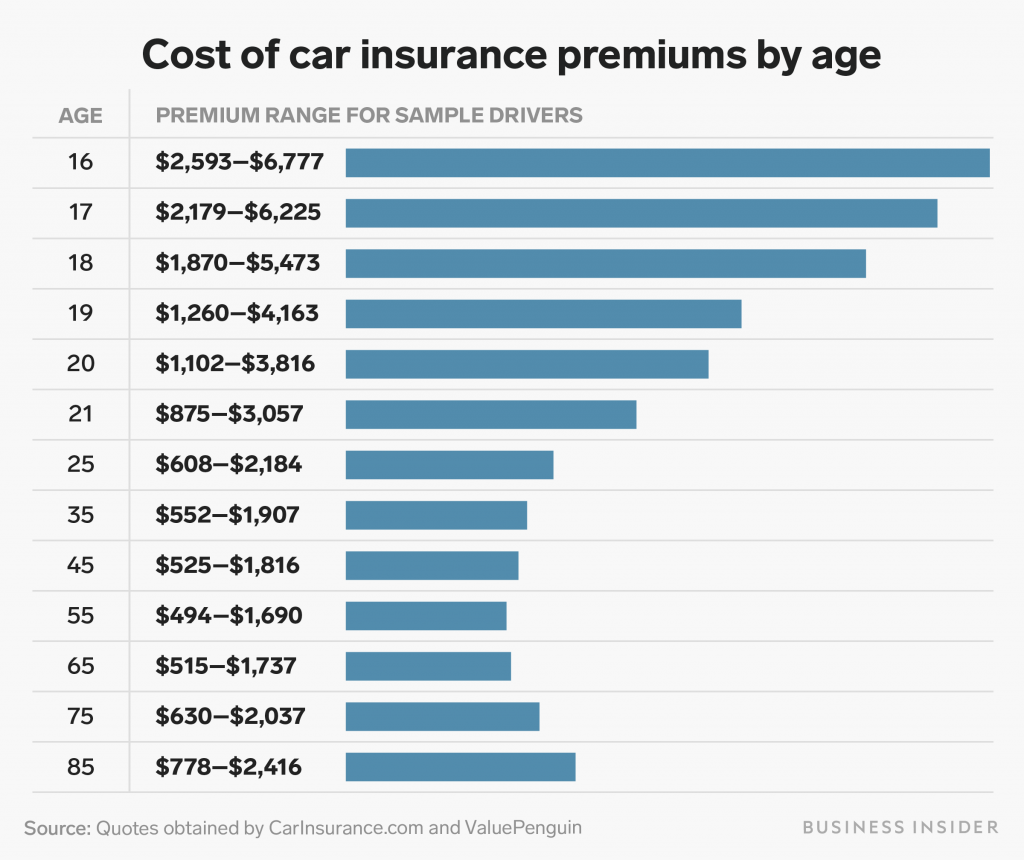
| Teen Driver (18 Years Old) | Full Coverage | $545 | $6,540 |
| Senior Driver (65+ Years Old) | Full Coverage | $210 | $2,520 |
| Driver with One At-Fault Accident | Full Coverage | $324 | $3,888 |
| Driver with Poor Credit | Full Coverage | $410 | $4,920 |
| Electric Vehicle (Luxury) | Full Coverage | $295 | $3,540 |
Regional Variations: Why Location Dictates Price
The "nationwide" average is a composite of vastly different regional markets. For example, a driver in a rural part of Maine might pay $110 per month for full coverage, while a driver in Miami, Florida, might pay $450 per month for the same policy.
High-Cost States
States like Florida, Louisiana, and Michigan consistently rank as the most expensive. In Florida, a combination of high litigation rates, frequent extreme weather events (hurricanes), and a high percentage of uninsured drivers forces premiums upward. In Michigan, despite recent reforms, the unique Personal Injury Protection (PIP) requirements still contribute to higher-than-average costs.
Low-Cost States
Conversely, states like New Hampshire, Maine, and Vermont benefit from lower population densities, fewer accidents, and competitive insurance markets. These states often see monthly averages hovering between $90 and $130 for full coverage.
Urban vs. Rural Disparity
Even within a single state, geography plays a role. Urban areas with high traffic congestion and higher crime rates (theft and vandalism) naturally command higher premiums. If you move from a downtown zip code to a suburban or rural zip code, it is common to see your monthly insurance bill drop by 15% to 30%.
The Role of Telematics and Usage-Based Insurance (UBI)
By 2026, the "average" monthly cost has been influenced significantly by the adoption of telematics. Most major carriers, including State Farm, Progressive, and Geico, now offer programs where a device or a smartphone app monitors your driving behavior.
These programs track metrics such as:
- Braking Intensity: Frequent "hard braking" indicates following too closely or distracted driving.
- Time of Day: Driving between midnight and 4:00 AM is statistically riskier.
- Speed: Consistently exceeding the speed limit reduces potential discounts.
- Total Mileage: "Pay-per-mile" structures have become popular for remote workers who drive less than 5,000 miles per year.
Drivers who enroll in these programs often receive an immediate 10% "participation discount," with the potential to save up to 40% off the national average monthly rate if they demonstrate safe driving habits. This has created a bifurcated market where "safe" drivers pay much less than the $228 average, while those who opt out or drive poorly effectively subsidize the pool.
Strategies to Reduce Your Monthly Premium Below the National Average
If your current quote is higher than the $228 monthly average, there are several verified methods to lower your costs without sacrificing essential protection.
Increasing Deductibles
The deductible is the amount you pay out-of-pocket before insurance kicks in for collision or comprehensive claims. In 2026, increasing a deductible from $500 to $1,000 can lower the physical damage portion of your premium by 15% to 25%. This is a viable strategy for drivers with a healthy emergency fund who can afford the higher out-of-pocket cost in the event of a claim.
Bundling Multi-Line Policies
"Bundling" remains one of the most effective ways to secure a discount. When you purchase auto insurance and homeowners or renters insurance from the same provider, most companies apply a "multi-policy discount." This can shave 10% to 20% off the monthly auto premium.
Reviewing Coverage for Older Vehicles
A common mistake is maintaining full coverage on an older vehicle that has significantly depreciated. If your car is worth less than 10 times your annual insurance premium, the "Collision" and "Comprehensive" portions of your policy may no longer be cost-effective. Dropping to "Liability Only" can move your monthly payment from the $228 range down toward the $70 range.
Seeking Out Professional and Academic Discounts
Insurers often offer affinity discounts for certain groups. This includes active-duty military and veterans, educators, engineers, and alumni of specific universities. Additionally, many states mandate a discount for drivers over age 55 who complete a certified defensive driving course.
Frequently Asked Questions
What is considered "full coverage" in 2026?
Full coverage generally refers to a policy that includes state-mandated liability (Bodily Injury and Property Damage), plus Collision and Comprehensive coverage. In 2026, many experts also recommend including Uninsured/Underinsured Motorist coverage as part of a "full" package, as approximately 14% of drivers nationwide remain uninsured.
Does the average monthly cost include 24/7 roadside assistance?
Usually, no. Roadside assistance, rental car reimbursement, and gap insurance are "riders" or "endorsements" that are added for an additional $5 to $15 per month. While they increase the monthly cost, they provide significant value for drivers who do not have alternative transportation or emergency services through an organization like AAA.
Why did my insurance go up in 2026 if I didn't have an accident?
This is often due to "rate revisions" by the insurance company. If your zip code experiences an increase in claims, or if the cost of labor and parts rises across the industry, the insurer will raise base rates for everyone in that risk pool to ensure they remain solvent and can pay future claims.
Is it cheaper to pay for auto insurance monthly or annually?
It is almost always cheaper to pay annually or semi-annually. Most insurers charge a "fractional payment fee" or "installment fee" of $1 to $5 for monthly billing. Furthermore, paying in full typically earns a "Paid in Full" discount of 5% to 10% off the total premium.
Final Recommendation
To ensure you are not overpaying relative to the national average of $228 per month, you should compare quotes from at least three different insurance carriers every 12 months. Insurance companies change their "appetite" for risk frequently; a company that was the most expensive for you last year may have updated its algorithms to become the most competitive this year. Additionally, if your credit score has improved or you have hit a milestone age (such as 25 or 50), you may be eligible for significantly lower rates that will not be applied automatically unless you request a policy review.
Image Gallery