Understanding Blue Sparrow Pilates: What It Is, Who It Is For, and What to Expect
Blue Sparrow Pilates is a specialized fitness and movement studio approach focused on classical and contemporary Pilates methodologies designed to enhance core strength, postural alignment, flexibility, and overall mind-body wellness t...
Blue Sparrow Pilates is a specialized fitness and movement studio approach focused on classical and contemporary Pilates methodologies designed to enhance core strength, postural alignment, flexibility, and overall mind-body wellness through controlled, low-impact exercise.
Contents
The modern fitness and wellness landscape offers a staggering array of modalities, ranging from high-intensity interval training (HIIT) to restorative yoga. Within this spectrum, Pilates has maintained a steadfast position due to its focus on structural integrity, deep core engagement, and functional movement. Among the various boutique studios and independent practices operating in this space, concepts like Blue Sparrow Pilates emerge to deliver targeted, individualized physical conditioning. Understanding what Blue Sparrow Pilates entails requires examining its core principles, the specific equipment utilized, the target audience, and how it compares to other fitness options available to practitioners today.
Origins and Core Philosophy of Pilates
To understand the specific iteration found in spaces like Blue Sparrow Pilates, one must first ground the discussion in the foundational philosophy established by Joseph Pilates in the early 20th century. Originally called "Contrology," the system was designed to develop the body uniformly, correct posture, restore physical vitality, invigorate the mind, and elevate the spirit.
Modern implementations of these principles—whether in a boutique setting or a specialized local studio—adhere to six foundational pillars:
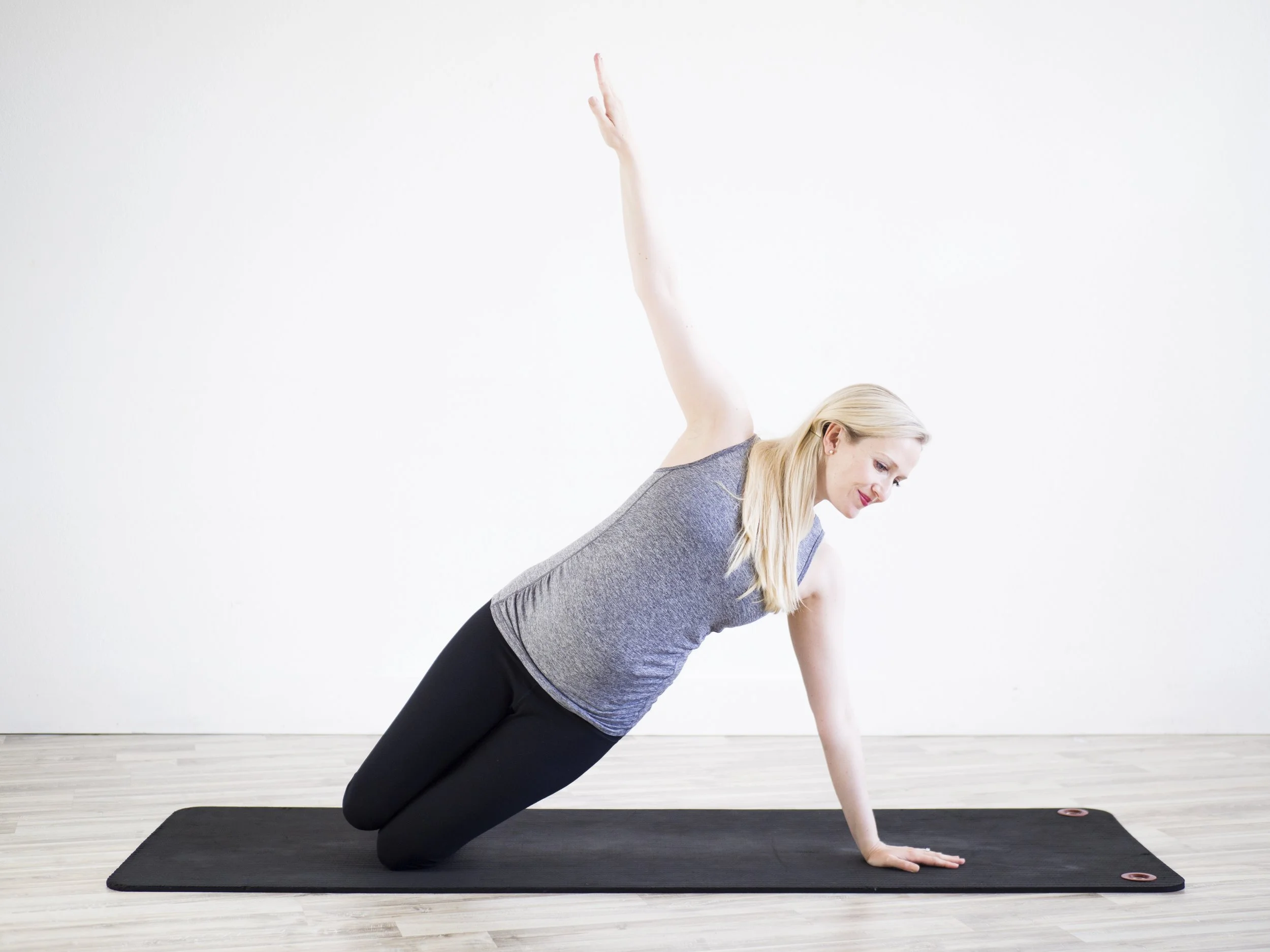
- Centering: Physical energy is deemed to originate from the center of the body, specifically the "powerhouse" encompassing the abdomen, lower back, hips, and buttocks. Every movement in a Blue Sparrow-style session emanates outward from this stable core.
- Control: Complete muscular control is required for every exercise. Nothing is performed haphazardly or with momentum, reducing the risk of joint strain.
- Flow: Transitions between movements are seamless, graceful, and continuous, creating a dance-like quality that elevates the cardiovascular demand without high-impact stress.
- Breath: Deep, conscious inhalation and exhalation coordinate with movement patterns, oxygenating the blood, engaging deep transverse abdominis muscles, and calming the nervous system.
- Precision: Exact alignment and precise execution take precedence over high repetition counts or heavy resistance. Quality of movement always supersedes quantity.
- Concentration: Complete mental focus is required to map the body in space, demanding mindfulness that serves as a mental break from daily stressors.
Equipment and Studio Environment
A defining characteristic of specialized Pilates establishments is the incorporation of specialized spring-resistance apparatuses alongside traditional mat work. While mat Pilates relies on body weight and gravity, studio-based practices typically introduce sophisticated apparatus designed to assist or challenge the body in a three-dimensional space.
The Reformer
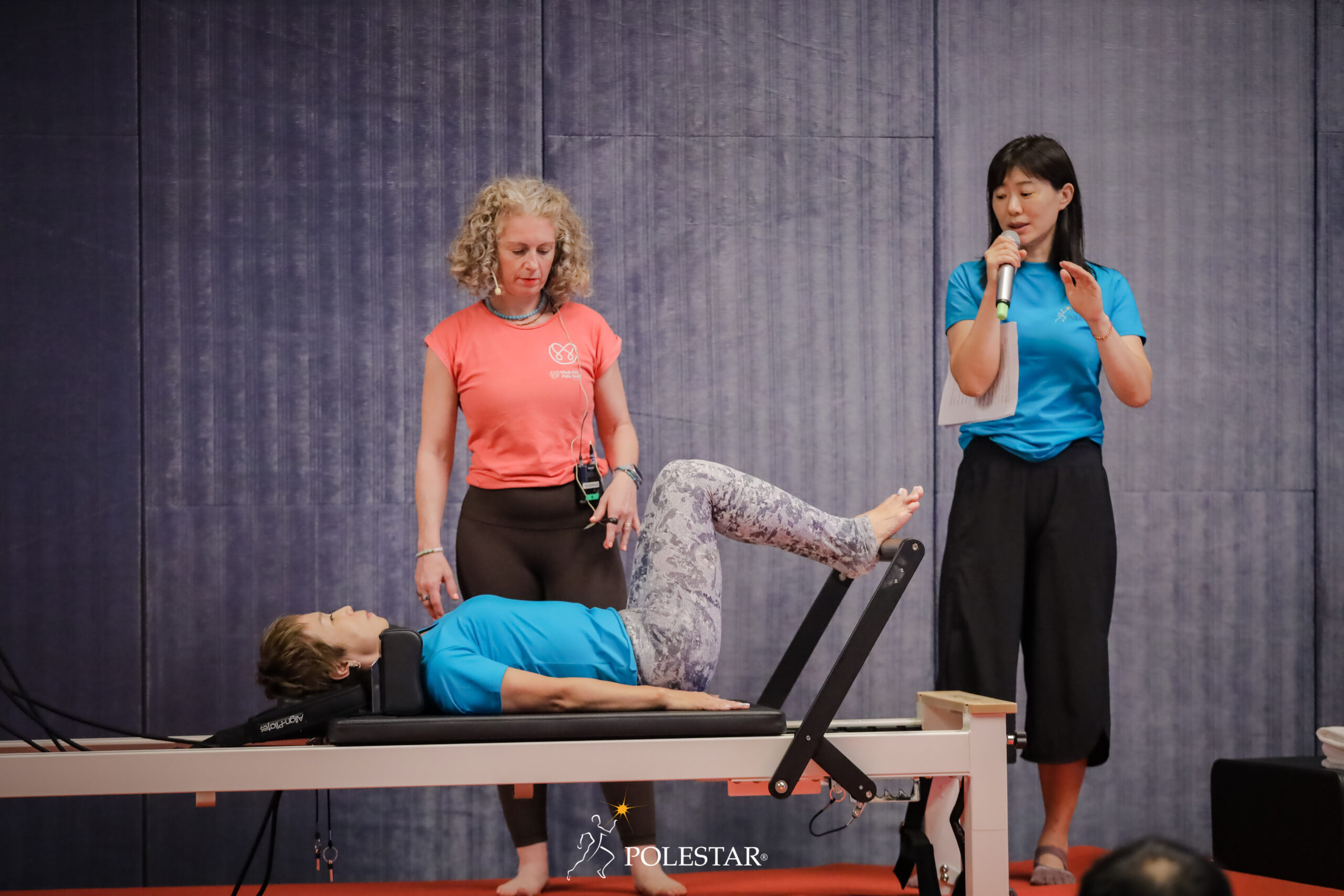
The Reformer is the centerpiece of most advanced Pilates studios. It consists of a sliding carriage attached to a frame by a system of springs that provide adjustable resistance. Practitioners lie, kneel, sit, or stand on the carriage, pushing or pulling against the resistance of the springs. This builds long, lean muscle mass without putting excessive load on the spine.
The Cadillac (Trap Table) and Tower
Resembling a four-poster bed frame with an overhead canopy of bars, springs, straps, and trapeze bars, the Cadillac allows for hundreds of different exercises. It is particularly valuable for rehabilitation, stretching, and advanced acrobatic or spinal decompression movements.
Wunda Chair and Spine Corrector
Smaller apparatuses like the Wunda Chair and various barrel units challenge stability and balance. They target deep stabilizer muscles that are difficult to isolate using conventional gym equipment.
| Apparatus | Primary Function | Ideal For |
|---|---|---|
| Mat | Body-weight resistance, core control, and movement flow | Beginners, home practice, foundational body awareness |
| Reformer | Adjustable spring resistance, eccentric/concentric loading | Full-strength conditioning, rehabilitation, athletic cross-training |
| Cadillac | Suspended movement, deep stretching, spinal decompression | Advanced conditioning, targeted injury recovery, mobility work |
| Wunda Chair | Balance, unilateral stability, lower-body strength | Intermediate to advanced practitioners, functional athletic work |
Target Audience: Who Benefits from This Practice?
Specialized Pilates modalities are designed to be remarkably inclusive, yet they cater to specific demographics seeking particular fitness outcomes. Unlike high-impact training environments that may alienate individuals with joint sensitivities, a focused studio environment welcomes a diverse clientele.
Rehabilitation and Injury Recovery
Many individuals discover specialized Pilates upon recommendation from physical therapists or orthopedic specialists. Because the springs can assist movement rather than merely resist it, individuals recovering from back injuries, knee replacements, or shoulder impingements can safely rebuild muscle tissue and joint stability.
Athletes and Cross-Trainers
Runners, cyclists, golfers, and dancers frequently utilize boutique Pilates to correct muscular imbalances. Sports often cause repetitive stress on specific muscle groups (e.g., tight hip flexors in runners). Pilates counteracts these imbalances by strengthening deep stabilizers, improving rotational power, and enhancing neuromuscular coordination.
Prenatal and Postnatal Individuals
Pregnancy places immense strain on the pelvic floor, transverse abdominis, and lower back. Specialized instruction provides safe, modified movement routines that maintain core integrity, support postural changes during pregnancy, and facilitate postpartum recovery.
General Fitness Seekers
For those seeking functional longevity—the ability to move through daily life without pain—Pilates offers a sustainable path. It builds long, lean muscles, improves posture (counteracting the "desk posture" caused by prolonged sitting), and reduces chronic low-back pain.
What to Expect During a Session
For newcomers approaching a specialized studio class, knowing what to expect can alleviate apprehension. Sessions typically run between 45 and 60 minutes and are led by certified instructors who monitor alignment and form closely.
- Intake and Assessment: Instructors generally inquire about past injuries, surgeries, and specific fitness goals before the first session to ensure appropriate modifications can be provided.
- Warm-Up: The session often begins on the mat or Reformer with gentle breathing exercises and spinal articulation movements, such as the pelvic curl or cat-cow variations, to awaken the nervous system.
- Core and Resistance Work: Practitioners transition through a sequence of exercises targeting the legs, arms, and core. Instructors give verbal and tactile cues to correct alignment, adjust spring tensions, and optimize breathing coordination.
- Cool-Down and Integration: Classes conclude with restorative stretches and deep breathing to integrate the work, lower the heart rate, and release tension in worked muscle groups.
Comparing Pilates to Other Fitness Modalities
To fully understand the value proposition of a specialized movement studio, it is helpful to contrast Pilates with other common fitness disciplines.
Pilates vs. Yoga
While both are considered mind-body practices emphasizing breath and mindfulness, their origins and mechanics differ significantly. Yoga is an ancient spiritual and physical discipline rooted in holding static postures and flowing through sequences (vinyasa) to build flexibility and balance. Pilates is a modern, movement-based conditioning system focused on dynamic stabilization, core strength, and the use of mechanical resistance (springs and apparatus) to build muscle endurance and joint control.
Pilates vs. Traditional Weight Training
Traditional weight training (hypertrophy training) typically isolates individual muscle groups using heavy free weights or fixed-path machines, aiming to increase muscle size and maximal strength. Pilates emphasizes integrated, multi-joint movement patterns driven by the deep core, prioritizing functional strength, flexibility, and muscular balance over sheer mass.
Common Mistakes and How to Avoid Them
Maximizing the benefits of a specialized movement practice requires avoiding several frequent pitfalls common among beginners:
- Sacrificing Form for Resistance: Using springs that are too heavy often forces the body to compensate, leading to poor alignment and neck or shoulder strain. Always start with lighter resistance to master the movement pattern.
- Holding the Breath: Many practitioners tend to hold their breath during challenging exertion. Conscious, rhythmic breathing is essential for engaging the deep core and keeping the nervous system regulated.
- Rushing Through Movements: Momentum is the enemy of Pilates. Performing exercises slowly and with deliberate control yields significantly better muscular engagement.
Practical Recommendations for Getting Started
If you are considering integrating a specialized movement practice into your routine, follow these practical steps to ensure a positive experience:
- Verify Instructor Certifications: Ensure that the instructors hold comprehensive certifications from recognized training organizations (such as Peak Pilates, Polestar, BASI, or Romana's Pilates) requiring hundreds of hours of rigorous training.
- Start with Foundations: Do not jump directly into an advanced multi-apparatus class. Begin with beginner or introductory sessions to learn the studio's specific terminology, equipment safety, and foundational alignment cues.
- Communicate Clearly: Inform your instructor of any past injuries, chronic pain, or physical limitations prior to the start of every session so they can provide safe alternatives.
- Consistency Over Intensity: Committing to two or three sessions per week yields vastly superior results in posture, strength, and flexibility compared to sporadic, high-intensity workouts.
Frequently Asked Questions
Is Pilates suitable for complete beginners with no fitness background?
Yes. One of the primary advantages of apparatus-based Pilates is its scalability. Instructors can modify exercises using springs to provide physical assistance, making it entirely accessible to individuals who are deconditioned or recovering from injuries.
How soon can I expect to see physical results from regular practice?
As Joseph Pilates famously stated, "In 10 sessions you'll feel the difference, in 20 you'll see the difference, and in 30 you'll have a whole new body." Most practitioners report noticeable improvements in posture, core awareness, and reduced back tension within the first four to six weeks of consistent practice (two to three times per week).
What should I wear to a Pilates session?
Wear form-fitting, comfortable athletic clothing that allows the instructor to see your body's alignment and joint positions. Avoid baggy clothing, which can get caught in the springs or apparatus pulleys. Most studios require or recommend grip socks for hygiene and safety on the equipment.
Can Pilates help with chronic back pain?
Yes. Chronic back pain is frequently caused by weakness in the deep abdominal stabilizers (such as the transverse abdominis) and muscular imbalances in the hips and spine. Pilates systematically strengthens these stabilizing structures, de-loads the spine through controlled resistance, and improves postural habits.
How does apparatus Pilates differ from mat Pilates?
Mat Pilates uses your own body weight and gravity against a padded floor mat, which requires substantial baseline core strength. Apparatus Pilates utilizes spring-loaded equipment like Reformers and Towers, which can either assist your movements (making certain exercises more accessible) or provide variable resistance that challenges your stability in unique ways.
Image Gallery