Comprehensive Guide to the 2026 OTC Healthy Foods Card: Benefits, Eligibility, and Usage
Navigating the mechanics of supplemental health benefits can often feel complex, yet understanding your coverage is essential for maximizing your healthcare dollars. The otc healthy foods card—often bundled into Medicare Advantage Spec...
Navigating the mechanics of supplemental health benefits can often feel complex, yet understanding your coverage is essential for maximizing your healthcare dollars. The otc healthy foods card—often bundled into Medicare Advantage Special Needs Plans (C-SNPs and D-SNPs) or select Managed Medicaid programs—represents a vital financial resource for eligible beneficiaries in 2026. This specialized allowance empowers members to purchase approved fresh, frozen, and shelf-stable nutritional items directly from participating retail stores and digital platforms.
Contents
Understanding the 2026 Over-the-Counter Healthy Food Allowance
The modern healthcare landscape places an increasing emphasis on food as medicine. Insurance carriers and regulatory bodies recognize that proper nutrition directly mitigates chronic conditions such as diabetes, hypertension, and cardiovascular disease. Consequently, the 2026 over-the-counter (OTC) healthy food benefit has evolved from a niche perk into a standard cornerstone of comprehensive managed care plans.
Unlike traditional pharmacy-only OTC cards that restrict purchases strictly to pain relievers, bandages, and vitamins, a dedicated healthy foods allowance expands purchasing power into the grocery aisles. These programs typically operate via a prepaid debit card loaded with a predetermined monthly or quarterly stipend. Unused balances generally do not roll over from month to month, making it crucial for beneficiaries to utilize their full allocation within the designated benefit period.
Key Operational Frameworks for 2026
- Stipend Frequency: Most participating health plans load funds on a monthly or quarterly basis, with amounts ranging from $25 to over $200 per month depending on the specific plan tier, geographic location, and chronic condition verification.
- Point-of-Sale (POS) Integration: Modern card processing networks utilize Universal Product Code (UPC) scanning databases. At checkout, the register automatically separates eligible food items from ineligible luxury items, charging the remaining balance to the member's personal payment method.
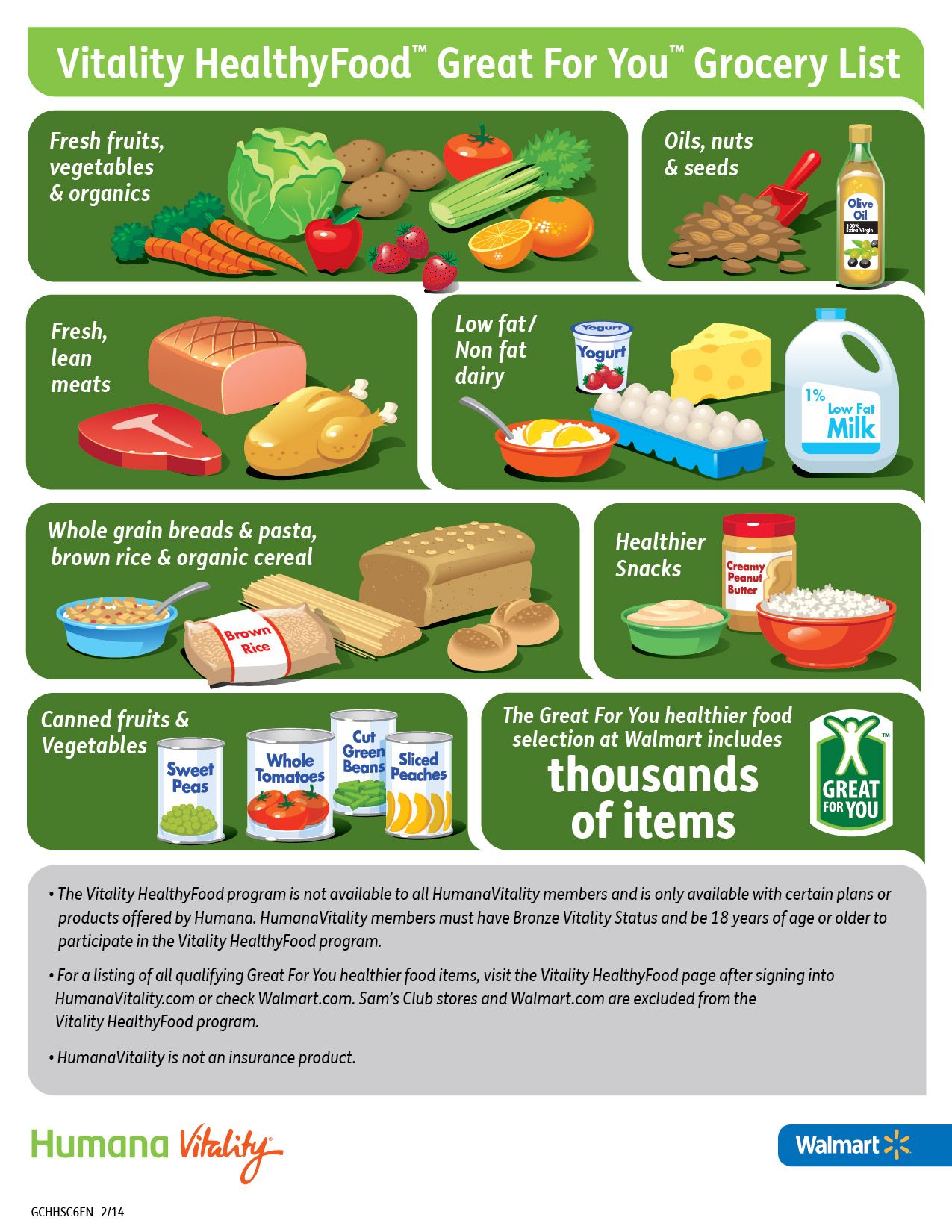
- Qualifying Categories: Eligible foods generally focus on core nutritional groups, including fresh produce, dairy, meat, poultry, fish, whole grains, and pantry staples, while strictly excluding items like alcohol, tobacco, and prepared hot foods.
Eligibility Criteria and Enrollment Pathways
Qualifying for an otc healthy foods card requires meeting specific structural benchmarks established by private insurance carriers under Centers for Medicare & Medicaid Services (CMS) guidelines for 2026. Not every Medicare Advantage plan includes this feature, making careful plan comparison vital during the Annual Enrollment Period (AEP) or Open Enrollment Period (OEP).
To secure this benefit, beneficiaries typically must fall into one of the following plan categories:
- Dual-Eligible Special Needs Plans (D-SNPs): Designed for individuals who qualify for both Medicare and Medicaid, these plans frequently offer the most robust healthy food and utility allowances due to lower-income subsidy structures.
- Chronic Condition Special Needs Plans (C-SNPs): Tailored for patients managing specific severe or disabling conditions, such as diabetes, chronic heart failure, or cardiovascular disorders, where nutritional intervention is medically necessary.
- Select Zero-Dollar Advantage Plans: Standard Medicare Advantage (Part C) plans operating in competitive regional markets often bundle basic OTC and grocery benefits to attract healthier baseline populations.
Verification Requirement: Always check your plan's specific Evidence of Coverage (EOC) document for the exact definition of qualifying foods. Certain regional plans impose stricter limitations on whether frozen or organic foods qualify compared to standard fresh produce.
Approved Grocery Items vs. Prohibited Products
Navigating store aisles with an OTC healthy foods card requires a clear understanding of what qualifies for reimbursement. Because point-of-sale systems rely on strict merchant category codes (MCC) and product catalog matching, attempting to purchase a restricted item will result in the card being declined for that specific product.
| Category Status | Approved Healthy Foods | Prohibited/Restricted Items |
|---|---|---|
| Produce | Fresh fruits, fresh vegetables, bagged salads, pre-cut fruit. | Ornamental gourds, decorative produce, live vegetable plants. |
| Proteins & Dairy | Fresh beef, poultry, pork, seafood, eggs, milk, cheese, yogurt. | Processed jerky with heavy additives, premium non-staple deli platters. |
| Pantry & Grains | Whole-wheat bread, brown rice, oatmeal, canned tuna, beans. | Sugary breakfast cereals, snack chips, cookies, candy, sodas. |
| Specialty Items | Gluten-free alternatives, diabetic-friendly approved meal kits. | Prepared hot meals from the deli counter, alcoholic beverages, tobacco. |
Step-by-Step Guide to Using Your Benefit Card
Maximizing your 2026 healthy foods allowance involves a straightforward operational process. Following these steps ensures seamless transactions and prevents frustrating register rejections at the checkout counter.
- Step 1: Activate Your Card: Upon enrolling in a qualified plan, you will receive your physical card in the mail. Call the activation number printed on the sticker or register through the carrier's mobile app before your first shopping trip.
- Step 2: Review Your Balance: Log into your member portal or call the customer service number on the back of the card to verify your exact remaining balance and check whether your allowance resets monthly or quarterly.
- Step 3: Shop at Approved Retailers: Major national grocery chains, big-box retailers with grocery departments (such as Walmart and Target), and select regional pharmacies accept these benefit cards. Always verify participation via your plan's store locator app.
- Step 4: Separate Eligible Items: While modern POS systems automatically sort items, separating qualifying grocery goods from household supplies or clothing can expedite the checkout process and prevent cashier confusion.
- Step 5: Swipe and Pay: Swipe your card and select "Credit" or enter your PIN if required. If your purchase exceeds your remaining balance, the register will prompt you to pay the remaining difference using an alternate form of payment.
Comparing Traditional OTC Cards vs. Modern Healthy Food Cards
Understanding the evolution of supplemental benefits highlights why the modern healthy foods card represents a significant upgrade over older models.
| Feature Comparison | Traditional OTC Card (Pre-2024 Era) | Modern 2026 OTC Healthy Foods Card |
|---|---|---|
| Product Scope | Restricted to health remedies, first aid, vitamins, and basic toiletries. | Expanded to include fresh groceries, produce, meat, and dairy staples. |
| Retailer Network | Primarily limited to pharmacy chains (CVS, Walgreens). | Accepted across major national supermarkets, grocers, and big-box stores. |
| Health Impact | Reactive symptom management (pain relief, minor care). | Proactive chronic disease management through improved nutrition. |
| Funding Structure | Lower quarterly allotments (often $15 to $50 per quarter). | Higher monthly stipends (frequently $50 to $200+ per month for D-SNPs). |
Expert Tips for Maximizing Your Allowance
As a technical strategist in senior health benefits, I advise beneficiaries to approach their monthly allowance with a strategic purchasing mindset. Because funds do not accumulate, failing to spend your allocation results in forfeited benefits.
- Plan Shopping Trips Around Reset Dates: If your balance resets on the first of every calendar month, schedule your primary grocery run during the final week of the previous month and another immediately after the reset to ensure no funds are wasted.
- Download the Plan App: Utilize proprietary mobile applications provided by card administrators (such as NationsBenefits, Convey Health Solutions, or Solutran). These apps feature in-store barcode scanners that let you test product eligibility right from your smartphone before bringing items to the register.
- Combine with Store Savings: You can safely stack your healthy foods card with store loyalty discounts, digital coupons, and buy-one-get-one-free promotions to drastically increase your overall purchasing power.
Frequently Asked Questions
What is an OTC healthy foods card?
An OTC healthy foods card is a prepaid benefit card issued by select health insurance plans that provides a monthly or quarterly allowance to purchase approved nutritional food items. It bridges the gap between healthcare coverage and daily nutrition to support better health outcomes.
Can I buy any food item with this card?
No, the card only covers specific nutritional categories such as fresh produce, meat, dairy, and pantry staples. Items like alcohol, tobacco, household goods, and prepared hot foods are strictly prohibited by plan guidelines.
Do my unused funds roll over to the next month?
In the vast majority of 2026 health plans, unused OTC and grocery allowances do not roll over. Any remaining balance at the end of the benefit period expires, making it essential to track your spending closely.
Where can I use my healthy foods card?
You can use your card at a wide network of participating national grocery stores, regional supermarkets, and select pharmacies. Always consult your specific insurance provider's directory or mobile app for an up-to-date list of approved local retailers.
How do I check my card's current balance?
You can verify your remaining funds by calling the dedicated customer service phone number printed on the back of your card, visiting your member online portal, or checking the companion mobile application provided by your plan's card administrator.
What should I do if my card is declined at checkout?
First, verify that all items in your cart belong to the approved grocery categories and that you have sufficient remaining balance. If the items are valid and the card still fails, contact the customer service number on your card immediately to check for system outages or activation errors.
Conclusion and Next Steps
The 2026 otc healthy foods card is a powerful financial and nutritional tool designed to help eligible members maintain a healthy lifestyle without straining their personal budgets. By carefully reviewing your plan's specific guidelines, shopping at approved retail partners, and tracking your monthly balances, you can fully leverage this valuable benefit. Contact your insurance provider or speak with a licensed Medicare advisor today to verify your eligibility and ensure your chosen plan includes this vital nutritional support.
Image Gallery