Yungblud, Billie Eilish, and the Rolling Stone Evolution: Analyzing a Shifting Music Landscape
The collaboration between Yungblud, Billie Eilish, and Rolling Stone magazine represents a seismic shift in the music industry, moving away from rigid genre boundaries toward a landscape defined by authenticity, mental health advocacy,...
The collaboration between Yungblud, Billie Eilish, and Rolling Stone magazine represents a seismic shift in the music industry, moving away from rigid genre boundaries toward a landscape defined by authenticity, mental health advocacy, and fan-centric communities. This evolution marks the end of traditional gatekeeping and the rise of the "post-genre" superstar.
Contents
The Rolling Stone Catalyst: Redefining the Future of Music
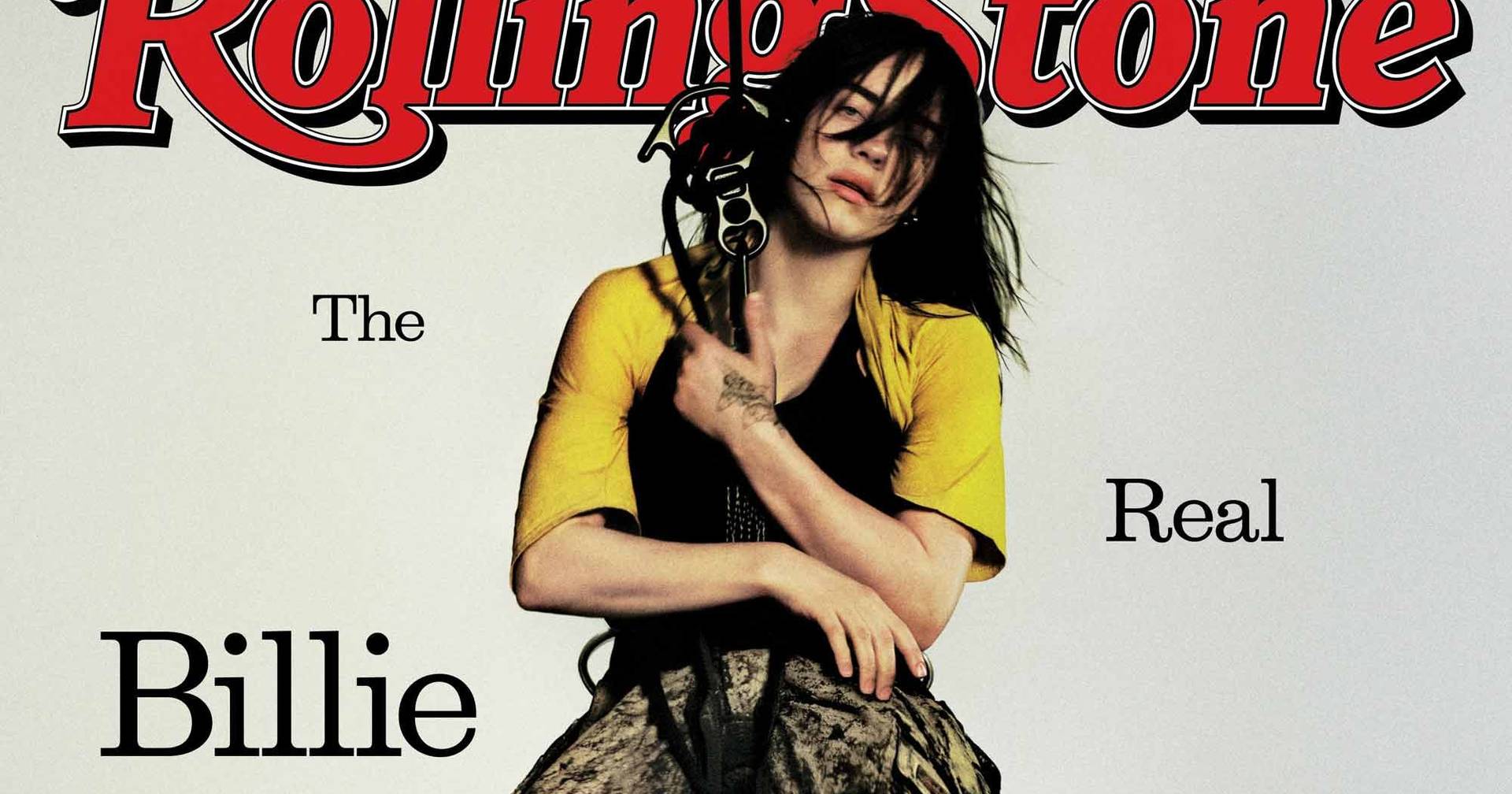
Rolling Stone has long served as the ultimate barometer of cultural relevance. However, the publication’s focus shifted significantly during the early 2020s, culminating in features that positioned artists like Yungblud and Billie Eilish not just as pop stars, but as architects of a new social order. The "Future of Music" issue and various "Musicians on Musicians" segments served as a formal industry acknowledgment that the "misfit" culture had moved from the fringes to the center of the global stage.
By 2026, we can look back at these editorial choices as the moment the industry stopped trying to force artists into "Radio-Ready" boxes. When Rolling Stone highlighted Yungblud’s raw, punk-infused energy alongside Billie Eilish’s introspective, minimalist pop, it validated a dual reality: music in the mid-2020s is as much about the message and the community as it is about the melody. This shift forced labels to prioritize "world-building"—the ability of an artist to create a safe space for their audience—over simple hit-making.
The significance of these two artists appearing in the same cultural conversation lies in their shared rejection of the "perfect" pop image. Eilish brought a haunting, vulnerable realism to the charts, while Yungblud revived the aggressive, communal spirit of rock. Together, they signaled to legacy media that the new generation of listeners demanded transparency, even if it was uncomfortable or messy.
Yungblud and the Democratization of Alternative Rock
Dominic Harrison, known professionally as Yungblud, has utilized his platform to dismantle the elitism often associated with the rock and alternative genres. His inclusion in Rolling Stone’s most influential lists was a recognition of his "Black Hearts Club"—a massive, global community of fans who find solace in his themes of self-expression and anti-conformity.
Yungblud’s contribution to the shifting landscape is rooted in three primary areas:
- Genre Fluidity: By blending hip-hop, punk, and Brit-pop, he proved that Gen Z does not listen to music based on labels. His discography reflects a playlist-style consumption habit where emotional resonance outweighs stylistic consistency.
- Bludfest and Live Innovation: By 2024, Yungblud launched Bludfest, a festival designed to be affordable and inclusive. By 2026, this model has become a blueprint for how artists can bypass traditional, expensive festival circuits to create direct, value-driven experiences for their fans.
- Vulnerability as Strength: Yungblud’s lyrics frequently tackle neurodiversity, sexuality, and political disillusionment. In the context of the Rolling Stone features, he represented the "loud" side of mental health advocacy, contrasting with Eilish’s "quiet" introspection.
His rise demonstrated that an artist could maintain a "cult" following while achieving mainstream success, provided they remained accessible to their fan base. This "democratization" meant that the power shifted from the hands of A&R executives to the community itself.
Billie Eilish: The Blueprint for the Modern Pop Icon
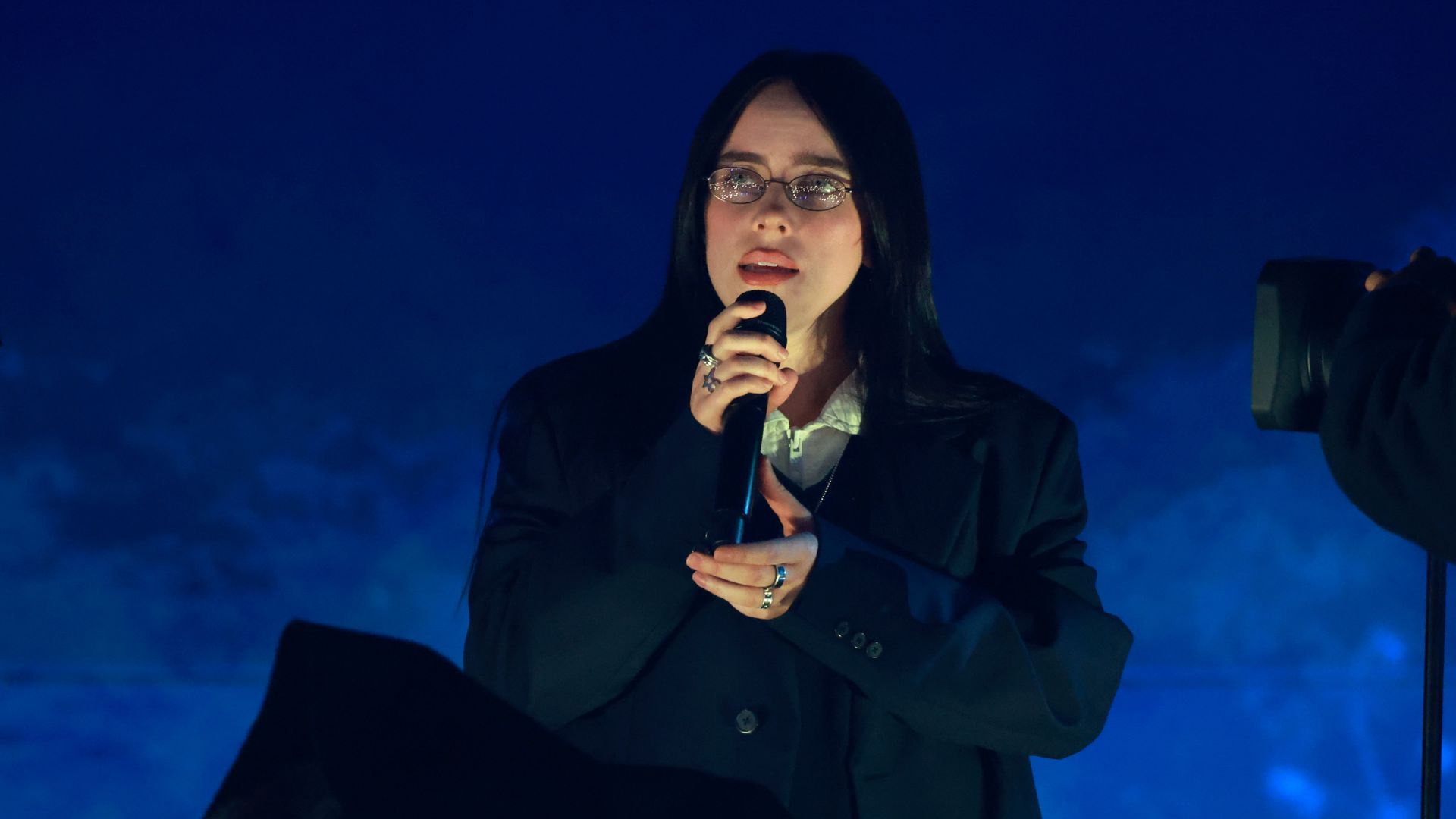
If Yungblud is the voice of the misunderstood collective, Billie Eilish is the avatar of the introspective individual. Since her debut, and through her landmark 2024 album Hit Me Hard and Soft, Eilish has redefined what it means to be a "Global Superstar." Her relationship with Rolling Stone has documented her transition from a teenage phenomenon to a sophisticated artist with significant industry leverage.
Eilish’s impact on the shifting music landscape is characterized by her refusal to adhere to the "hyper-sexualized" or "perfectly polished" expectations of female pop stars. Her success proved that a DIY aesthetic—honed in a bedroom with her brother Finneas—could outperform multi-million dollar studio productions. This realization fundamentally changed how major labels invest in new talent, shifting focus toward distinctive "bedroom pop" sounds that feel intimate and authentic.
Furthermore, Eilish’s commitment to sustainability, evidenced by her eco-friendly tour initiatives and fashion choices, has set a new standard for artist responsibility. By 2026, her influence is visible in how every major world tour is now audited for its carbon footprint, a trend that gained massive momentum after her various Rolling Stone cover stories highlighted her environmental activism.
The Intersection of Identity and Industry: Why the Pairing Matters
The reason Yungblud and Billie Eilish are so frequently linked in discussions about the shifting music landscape is their shared foundation in identity-driven artistry. In previous decades, artists were often encouraged to separate their personal identities from their public personas. In the current era, the identity is the brand.
Rolling Stone’s coverage of these two artists highlighted a pivotal change in the "celebrity-fan" dynamic. The barrier has been permanently lowered. Fans no longer want an idol on a pedestal; they want a peer who understands their struggles. Yungblud’s "misfit" branding and Eilish’s "sad girl" aesthetic are not marketing gimmicks—they are reflections of a generation grappling with unprecedented levels of anxiety and social change.
This shift has had practical implications for the industry:
- Marketing Strategy: Promotion now focuses on "storytelling" over "singles."
- Production Trends: There is a move toward "unfiltered" vocal takes and organic instrumentation, even in electronic music.
- Media Coverage: Interviews have moved away from promotional fluff toward deep-dive discussions on philosophy, ethics, and mental health.
Comparison of Artistic Influence and Philosophical Impact
The following table compares how both artists contributed to the current music landscape as of 2026.
| Feature | Yungblud (The Activist) | Billie Eilish (The Visionary) |
|---|---|---|
| Primary Genre Influence | Punk, Alt-Rock, Hip-Hop | Indie-Pop, Jazz, Electronic |
| Core Audience Message | "You are not alone; be loud." | "It’s okay to be vulnerable; be yourself." |
| Industry Disruption | Direct-to-fan festivals (Bludfest). | DIY production and anti-pop aesthetic. |
| Rolling Stone Narrative | The revival of the rock spirit. | The evolution of the modern pop star. |
| Cultural Contribution | Advocacy for LGBTQ+ and neurodiversity. | Environmentalism and body positivity. |
| Visual Identity | Pink socks, creepers, high-energy. | Baggy clothes, cinematic visuals, muted tones. |
The Long-Term Impact on the Music Industry by 2026
As we navigate 2026, the ripple effects of the "Yungblud-Eilish-Rolling Stone" era are undeniable. The industry has moved into a "Post-Genre Era" where the charts are a melting pot of sounds. This transition was accelerated by the validation these artists received from legacy media, which served as a bridge between the old guard and the new digital-native audience.
One of the most significant changes is the valuation of emotional intelligence. Labels now look for artists who possess a high degree of "EQ" (Emotional Quotient), recognizing that the ability to connect with fans on a human level is more profitable and sustainable than a viral TikTok hook. The "shifting landscape" is one where the artist is an advocate, a community leader, and a creative director all at once.
Moreover, the technical side of the industry has adapted. Digital Service Providers (DSPs) like Spotify and Apple Music have adjusted their algorithms to favor "mood-based" and "narrative-based" discovery, reflecting the way Eilish and Yungblud fans consume music. The concept of the "album era" has also seen a resurgence, as these artists use long-form projects to tell complex stories that cannot be captured in a 15-second clip.
FAQ
How did Yungblud and Billie Eilish influence the "Post-Genre" movement?
They both refused to be categorized by traditional labels. Yungblud combined the energy of 70s punk with modern rap cadences, while Eilish blended elements of jazz, industrial, and pop. This encouraged other artists to experiment without fear of losing radio support, as streaming data proved that audiences prefer diverse sounds.
What was the significance of the 2022 Rolling Stone "Future of Music" feature?
The feature was a turning point that officially recognized Gen Z artists as the new leaders of the industry. It moved the focus away from legacy acts and established that the "Future of Music" was rooted in authenticity, social advocacy, and direct fan engagement rather than corporate polish.
Have Yungblud and Billie Eilish collaborated?
While they have not released a formal studio duet as of 2026, they have shared stages at major festivals and participated in joint interviews, most notably for Rolling Stone. Their mutual respect is well-documented, with both artists citing the other as a vital force in keeping the music industry "honest."
How has "Bludfest" changed the music landscape?
Bludfest, founded by Yungblud, challenged the high-cost, high-barrier entry of festivals like Coachella. By prioritizing affordability and creating a "safe space" for marginalized communities, it forced other festival organizers to reconsider their pricing structures and community safety protocols.
Why is mental health such a prominent theme in their music?
Both artists grew up in an era where mental health discussions became de-stigmatized. They recognized that their audience was looking for music that mirrored their internal lives. By being open about their own struggles, they created a deep, unbreakable bond with their fans that transcends typical celebrity-fan relationships.
Recommendation for Navigating the New Music Landscape
For industry professionals and emerging artists, the primary takeaway from the rise of Yungblud and Billie Eilish is that community is the new currency. To succeed in the 2026 music landscape, one must prioritize the following:
- Authenticity Over Polish: Do not be afraid of "imperfect" sounds or controversial opinions. The modern audience can sense manufactured personas and will reject them in favor of raw truth.
- Holistic Brand Building: Music is only one part of the equation. Sustainable success requires a clear visual identity, a strong social message, and a dedicated way to communicate directly with fans.
- Cross-Genre Collaboration: Break out of your stylistic comfort zone. The most successful projects of the current decade are those that bridge the gap between different musical worlds.
- Social Responsibility: Align your art with a cause you truly believe in. Whether it is environmentalism, mental health, or social justice, having a purpose beyond profit is essential for long-term loyalty.
Image Gallery