Does EMS Training Work for You? A Science-Based Guide for 2026
Electrical Muscle Stimulation (EMS) training works by using low-frequency electrical impulses to trigger involuntary muscle contractions, recruiting up to 90% of muscle fibers simultaneously. It is highly effective for increasing stren...
Electrical Muscle Stimulation (EMS) training works by using low-frequency electrical impulses to trigger involuntary muscle contractions, recruiting up to 90% of muscle fibers simultaneously. It is highly effective for increasing strength, improving muscle tone, and saving time, provided it is used consistently alongside a balanced diet and healthy lifestyle.
Contents
Understanding the Technology: How EMS Training Functions
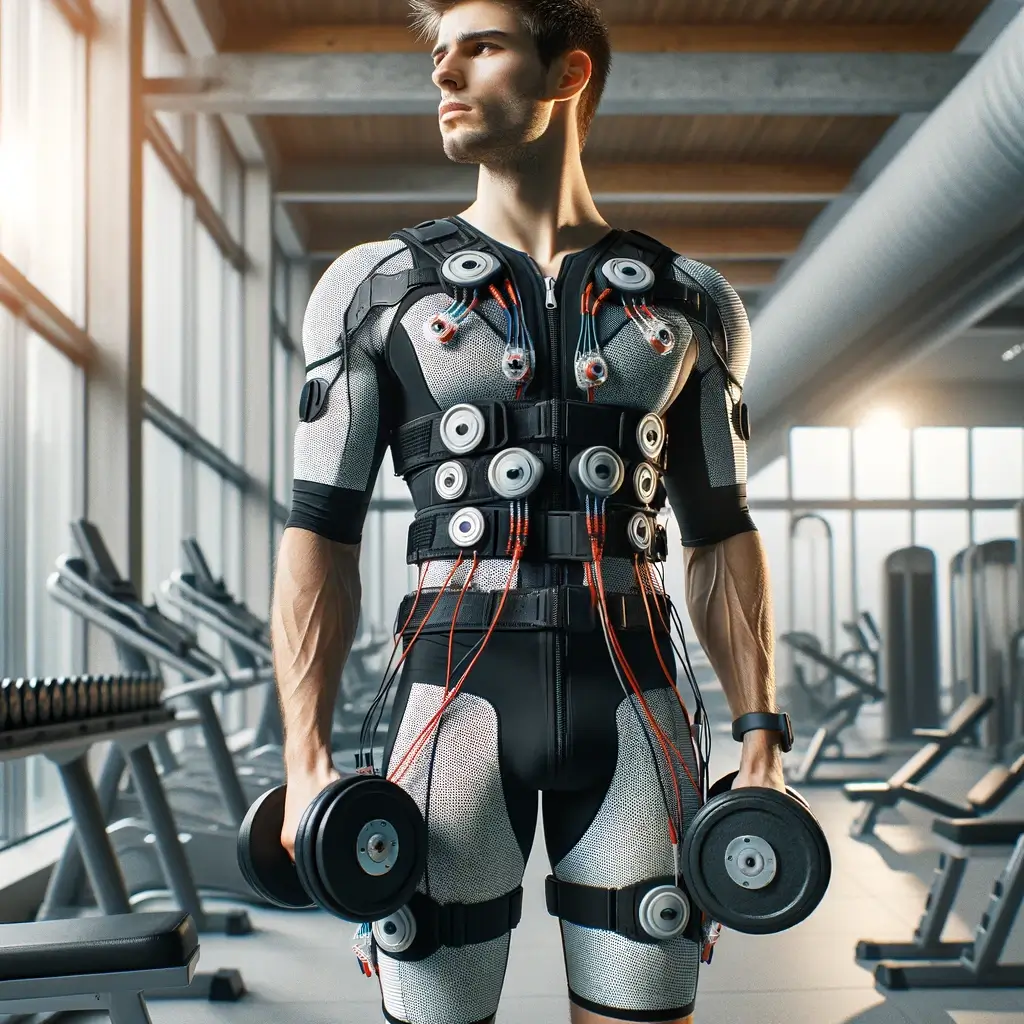
To determine if EMS training works for your specific needs, it is essential to understand the underlying physiology. In traditional exercise, your central nervous system (CNS) sends electrical signals to your muscles to initiate movement. EMS technology bypasses the CNS, delivering electrical impulses directly to the motor nerves via a wearable suit equipped with electrodes.
By 2026, the technology has evolved from the bulky, wet-electrode vests of the past to advanced "dry-suit" technology. These modern suits use conductive fabrics that do not require external water application, making the experience more comfortable and the current distribution more precise. These impulses reach deeper muscle layers that are often difficult to activate through conventional weightlifting or calisthenics.
The intensity of these contractions is measured in Hertz (Hz). Lower frequencies (around 1–10 Hz) are typically used for recovery and lymphatic drainage, while higher frequencies (between 20–100 Hz) are used to elicit the tetanic contractions required for muscle hypertrophy and strength gains. Because the machine can stimulate multiple muscle groups—such as the quadriceps, glutes, abdominals, and latissimus dorsi—all at once, a 20-minute session can provide the equivalent muscle fatigue of a much longer traditional workout.
The Core Benefits: What the Science Says in 2026
The effectiveness of EMS is no longer a matter of debate in the sports science community; the focus has shifted to how it is best applied. Research indicates that EMS is particularly proficient at recruiting Type II (fast-twitch) muscle fibers. These fibers are responsible for explosive power and visible muscle definition but are usually only activated during high-intensity, heavy-load training.
One of the primary benefits is the reduction of joint load. Because the resistance is provided by an electrical current rather than heavy weights, individuals can achieve high levels of muscle tension without the mechanical stress on tendons and ligaments. This makes it an ideal solution for those with joint issues, such as osteoarthritis, or those recovering from orthopedic surgeries.
Furthermore, EMS has a significant impact on the "afterburn effect," technically known as Excess Post-exercise Oxygen Consumption (EPOC). Because the full-body stimulation is so intense, the body requires more energy to return to its resting state, potentially elevating the metabolic rate for up to 48–72 hours following a session.
Does It Work for Your Specific Goals?
Whether EMS "works" for you depends largely on what you are trying to achieve. It is not a universal solution, but it excels in specific categories.
For Time-Poor Professionals
If your primary barrier to fitness is a lack of time, EMS is arguably the most efficient tool available. A standard 20-minute session twice a week can maintain muscle mass and metabolic health. By 2026, many corporate wellness programs have integrated on-site EMS pods because the time-to-benefit ratio is significantly higher than traditional gym memberships.
For Muscle Hypertrophy and Toning
EMS works for toning by increasing the density of muscle fibers. However, it is important to manage expectations regarding "bulking." While EMS can increase muscle size, it lacks the eccentric loading (the lowering phase of a weight) that is often necessary for maximum bodybuilding results. Most users find it works best as a supplement to traditional resistance training rather than a 100% replacement if maximal size is the goal.
For Fat Loss and Weight Management
EMS is an effective tool for weight loss primarily through its ability to build lean muscle mass, which in turn increases your Basal Metabolic Rate (BMR). However, it is not a "passive" weight loss tool. You cannot simply wear the suit and expect fat to melt away without a caloric deficit. It works for weight loss when used as a high-intensity interval training (HIIT) equivalent that burns a high volume of calories in a short window.
For Rehabilitation and Post-Injury Recovery
Physical therapists have used localized EMS for decades to prevent muscle atrophy in patients who cannot move certain limbs. Full-body EMS takes this further by allowing for "active recovery." For example, if you have a knee injury that prevents you from squatting with weights, EMS can stimulate the quadriceps and glutes without requiring the knee joint to bear a heavy load.
Who Should Avoid EMS? Safety and Contraindications
While EMS is safe for the general population, the high-intensity electrical nature of the workout means it is not suitable for everyone. Safety protocols in 2026 remain strict regarding specific health conditions.
- Cardiac Issues: Anyone with a pacemaker or defibrillator must avoid EMS, as the electrical impulses can interfere with the device's function.
- Pregnancy: While EMS is excellent for postpartum pelvic floor strengthening, it is strictly prohibited during pregnancy.
- Neurological Disorders: Individuals with epilepsy should avoid EMS due to the risk of triggering a seizure through electrical stimulation.
- Circulatory Problems: Those with deep vein thrombosis (DVT) or severe circulatory issues should consult a physician, as the contractions could potentially dislodge a clot.
Always ensure you are working with a certified EMS trainer who understands how to modulate the impulse depth and frequency based on your medical history.
Comparing EMS to Traditional Resistance Training
To help you decide if EMS is the right investment for your fitness journey, the following table compares key metrics between EMS and traditional weight training.
| Feature | EMS Training (20 Mins) | Traditional Weight Training (60 Mins) |
|---|---|---|
| Time Commitment | Very Low (1–2 sessions/week) | High (3–5 sessions/week) |
| Muscle Fiber Recruitment | Up to 90% (includes deep layers) | 40–60% (depending on intensity) |
| Joint Impact | Minimal to None | Moderate to High |
| Cardiovascular Strain | Moderate (can be high in HIIT mode) | Variable (depends on rest periods) |
| Equipment Needed | Specialized Suit & Console | Rack, Weights, Benches |
| Professional Guidance | Usually Required (1-on-1 or Small Group) | Optional (Self-guided or Trainer) |
| Cost Per Session | Higher ($50–$100 avg in 2026) | Lower (Gym membership fees) |
What to Expect in a Typical Session
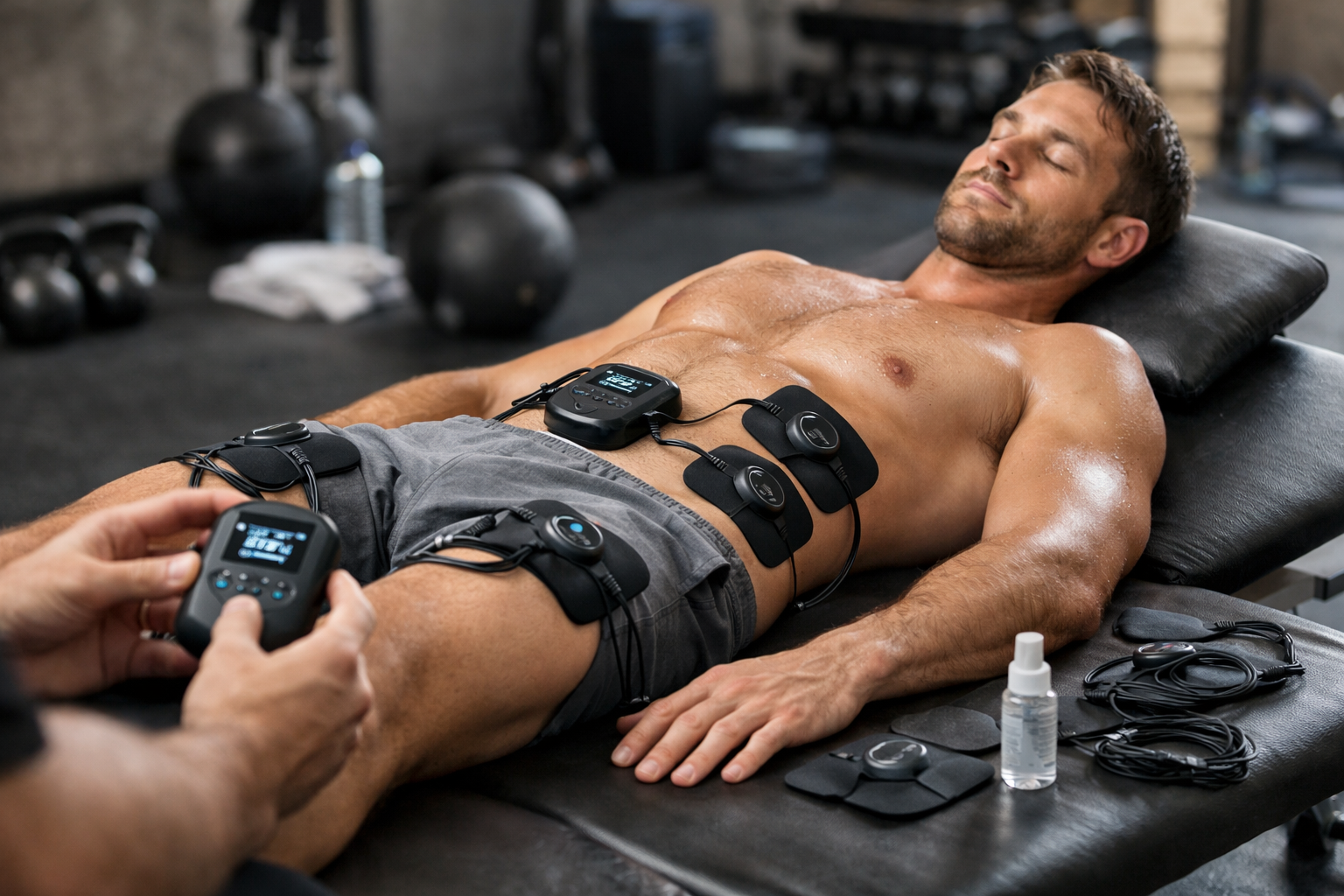
If you decide to try EMS, the experience is unique compared to any other form of exercise. Upon arrival, you will change into specialized base-layer clothing designed to conduct the current. The trainer will then help you into the EMS suit, ensuring the electrodes are positioned correctly over the major muscle groups.
Once the machine is activated, you will feel a tingling sensation that quickly transitions into a deep, firm muscle contraction. The sensation is not painful, but it can be intense. Most sessions follow a rhythm: 4 seconds of impulse (where you perform a movement like a squat or a bicep curl) followed by 4 seconds of rest.
The trainer will adjust the intensity for each muscle group individually. For instance, if you want to focus on your core, they can increase the abdominal electrodes while keeping the arm impulses at a moderate level. By the end of the 20 minutes, you will likely feel a level of muscle fatigue comparable to a two-hour gym session.
Common Misconceptions and Pitfalls
One of the biggest reasons people feel EMS "didn't work" for them is a misunderstanding of how to use it.
- The "Passive Exercise" Myth: Some believe you can just stand there and let the machine do the work. While the machine does contract the muscles, the best results come from "voluntary co-contraction"—squeezing the muscle yourself while the machine pulses.
- Over-training: Because a session is only 20 minutes, beginners often think they should do it every day. This is a mistake. The intensity of EMS requires significant recovery time. In 2026, the standard recommendation remains no more than two sessions per week to avoid rhabdomyolysis (a condition where muscle breakdown products enter the bloodstream).
- Neglecting Nutrition: No amount of electrical stimulation can overcome a poor diet. EMS works best when supported by adequate protein intake to repair the muscle fibers activated during the session.
Frequently Asked Questions
How soon will I see results from EMS?
Most users report feeling "firmer" within 2 to 4 sessions due to improved muscle tone and neurological activation. Visible changes in body composition typically appear after 8 to 12 weeks of consistent training (once or twice a week), assuming nutrition is controlled.
Is EMS training painful?
No, it should not be painful. The sensation is often described as a strong vibration or a heavy pressure. You are always in control of the intensity, and the trainer can lower the levels immediately if you feel discomfort.
Can I do EMS if I have metal implants?
Generally, yes. Most modern orthopedic implants (like titanium pins or plates in limbs) are not contraindications for EMS because the current is focused on the muscle tissue. However, you should always inform your trainer about the exact location of any implants.
Can EMS help with back pain?
Yes, EMS is highly effective for chronic back pain. By strengthening the deep stabilizing muscles of the core and the erector spinae without the need for heavy spinal loading, many users experience a significant reduction in pain within 5 to 6 sessions.
Does EMS replace cardio?
While EMS increases the heart rate and can improve cardiovascular endurance (especially in "Metabolic" or "Cellulite" modes), it is not a complete replacement for steady-state cardio or functional movement. For heart health, it is still recommended to include walking or other aerobic activities in your weekly routine.
Final Recommendation: Should You Start EMS?
EMS training works best for individuals who prioritize efficiency, those who are recovering from injury, or those who find the traditional gym environment intimidating or physically taxing. If you are a high-performance athlete, it serves as an excellent supplemental tool to break through plateaus by increasing muscle fiber recruitment.
To get started, book a trial session at a reputable studio. Ensure they use equipment certified by relevant health authorities and that their trainers hold specific certifications in electro-muscle stimulation. In 2026, the availability of high-quality EMS studios has peaked, making it easier than ever to find a professional environment to test this technology for yourself.
Image Gallery