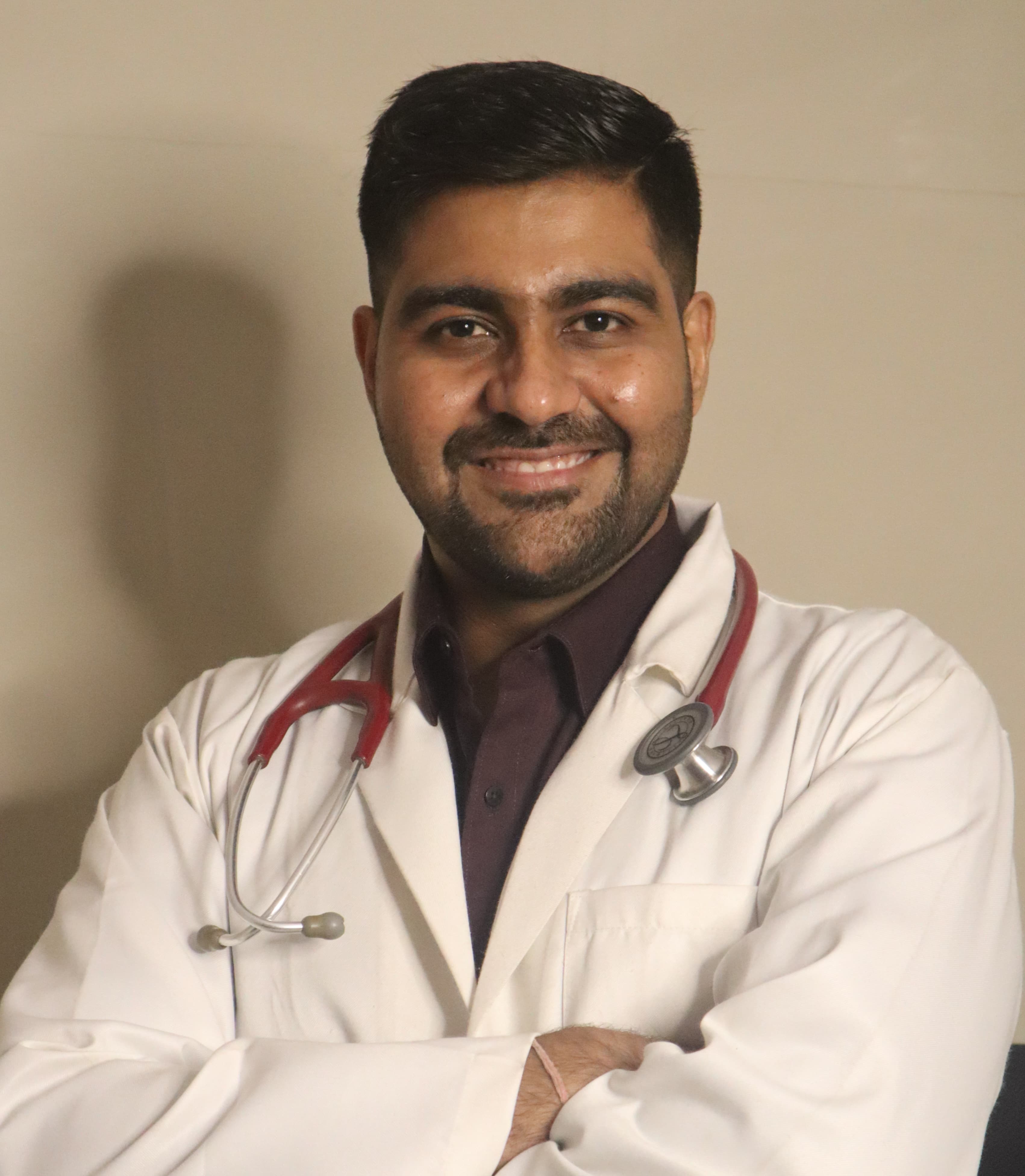
Dr. Ahmad Rashdan, Cardiologist: Interventional Expertise and Cardiovascular Care in 2026
Dr. Ahmad Rashdan is a highly regarded, board-certified interventional cardiologist specializing in complex coronary interventions and structural heart disease. Based primarily in the Midwest, he is recognized for his expertise in mini...
Dr. Ahmad Rashdan is a highly regarded, board-certified interventional cardiologist specializing in complex coronary interventions and structural heart disease. Based primarily in the Midwest, he is recognized for his expertise in minimally invasive procedures such as TAVR and advanced stenting, providing critical care for patients with life-threatening cardiovascular conditions.
Contents
As we navigate the healthcare landscape in 2026, the role of specialized interventionalists like Dr. Rashdan has become increasingly central to managing heart disease. Cardiology has shifted away from traditional open-heart surgeries toward catheter-based interventions that offer faster recovery times and lower risk profiles for aging populations. Dr. Rashdan’s practice encompasses a wide range of services, from preventative consultations to high-stakes emergency procedures in the catheterization lab.
Professional Background and Medical Training
The foundation of Dr. Ahmad Rashdan’s expertise lies in a rigorous academic and clinical training path. After completing his medical degree, he pursued specialized training in internal medicine, followed by a fellowship in cardiovascular disease. To achieve the status of an interventional cardiologist, Dr. Rashdan underwent additional years of fellowship training specifically focused on invasive procedures.
In 2026, board certification remains the gold standard for verifying a physician's expertise. Dr. Rashdan maintains certifications through the American Board of Internal Medicine (ABIM) in both Cardiovascular Disease and Interventional Cardiology. This dual certification ensures that he possesses a deep understanding of systemic heart health as well as the technical manual dexterity required for delicate endovascular work.
Throughout his career, Dr. Rashdan has been affiliated with major healthcare systems in Michigan and Indiana, including institutions such as Franciscan Health and the Corewell Health network (formerly Beaumont and Spectrum Health). These affiliations provide him with access to state-of-the-art imaging technology and multidisciplinary teams, which are essential for treating complex cases of coronary artery disease and heart failure.
Areas of Clinical Specialization
Dr. Rashdan’s clinical practice is defined by its focus on interventional cardiology. This subspecialty utilizes catheters—thin, flexible tubes—inserted through small incisions in the groin or wrist to reach the heart and blood vessels.
Complex Coronary Interventions
One of Dr. Rashdan’s primary focus areas is Percutaneous Coronary Intervention (PCI). This procedure is used to open clogged heart arteries. For patients with advanced atherosclerosis, Dr. Rashdan employs techniques such as:
- Drug-Eluting Stents (DES): Placing specialized mesh tubes that slowly release medication to prevent the artery from re-narrowing.
- Rotational Atherectomy: Using a tiny, diamond-tipped drill to break up hard, calcified plaque that cannot be expanded by a standard balloon.
- Intravascular Lithotripsy (IVL): Utilizing sonic pressure waves to crack calcium deposits within the vessel wall, a technology that has become a standard of care by 2026 for high-risk patients.
Structural Heart Disease
Beyond the coronary arteries, Dr. Rashdan is skilled in treating the physical structures of the heart, including valves and chambers. This is particularly vital for patients who are considered too high-risk for traditional surgery.
- Transcatheter Aortic Valve Replacement (TAVR): A revolutionary procedure for patients with aortic stenosis. Dr. Rashdan replaces a failing heart valve without opening the chest, often allowing patients to return home within 24 to 48 hours.
- MitraClip Therapy: For patients suffering from mitral regurgitation, this procedure involves "clipping" the mitral valve leaflets together to reduce backward blood flow.
- PFO/ASD Closure: Closing "holes" in the heart that can lead to strokes or heart failure if left untreated.
Peripheral Vascular Disease (PVD)
Dr. Rashdan also addresses circulatory issues outside the heart. Peripheral artery disease (PAD) affects the blood flow to the limbs and can lead to chronic pain or even amputation. Through angioplasty and stenting of the peripheral vessels, he helps restore mobility and improve the quality of life for patients with severe leg pain or non-healing wounds.
The Patient Experience and Consultation Process
Seeking care from a specialist like Dr. Rashdan typically begins with a referral from a primary care physician or a general cardiologist. In 2026, the diagnostic process has become highly streamlined, utilizing advanced non-invasive imaging before any invasive procedure is considered.
Initial Evaluation
During a first visit, patients can expect a comprehensive review of their medical history, family history of heart disease, and current symptoms such as chest pain (angina), shortness of breath, or palpitations. Dr. Rashdan emphasizes shared decision-making, ensuring that patients understand the risks and benefits of interventional versus medical management.
Diagnostic Testing
Common tests ordered by Dr. Rashdan to assess heart function include:
- Echocardiogram: An ultrasound of the heart to visualize valve function and muscle strength.
- Cardiac CT Angiography: A high-resolution scan that provides a 3D view of the coronary arteries.
- Stress Testing: Monitoring the heart's performance under physical exertion or pharmacological stimulation.
If these tests suggest significant blockages or structural issues, Dr. Rashdan may recommend a Cardiac Catheterization. This is the definitive "gold standard" diagnostic tool used to visualize the internal anatomy of the heart and determine if an intervention (like a stent) is necessary.
Comparison of Common Interventional Procedures
To help patients understand their options, the following table compares the most common procedures performed by Dr. Rashdan in 2026.
| Procedure | Primary Indication | Invasiveness | Typical Hospital Stay | Recovery Time |
|---|---|---|---|---|
| Coronary Angioplasty/Stent | Blocked coronary arteries (CAD) | Minimally Invasive | Same-day or 1 night | 2–5 days |
| TAVR | Severe Aortic Stenosis | Minimally Invasive | 1–2 nights | 1 week |
| Cardiac Catheterization | Diagnosis of heart disease | Minimally Invasive | Outpatient | 24 hours |
| Peripheral Stenting | Leg pain/PAD | Minimally Invasive | Same-day | 2–3 days |
| PFO Closure | Prevention of recurrent stroke | Minimally Invasive | Same-day | 24–48 hours |
Hospital Affiliations and Accessibility in 2026
Dr. Rashdan’s practice is often situated within large cardiovascular centers of excellence. In the Michigan and Indiana regions, these centers provide the 24/7 "STEMI" (ST-Elevation Myocardial Infarction) support required for heart attack emergencies.
His affiliation with Franciscan Health and other regional networks ensures that patients have access to a full continuum of care, including cardiac rehabilitation, nutrition counseling, and advanced heart failure clinics. Patients looking to schedule an appointment should verify their insurance coverage, as most major providers (including Medicare and PPO plans) cover interventional procedures when medically necessary.
The Importance of Preventative Cardiology
While Dr. Rashdan is a specialist in "fixing" heart issues via intervention, his practice also emphasizes the prevention of disease progression. In 2026, interventionalists increasingly work with patients on aggressive lipid management (cholesterol control) and blood pressure regulation to prevent the need for future stents.
Patients with a history of tobacco use, diabetes, or hypertension are at the highest risk for requiring Dr. Rashdan’s services. By managing these "modifiable risk factors" early, patients can often delay or avoid invasive procedures entirely.
Frequently Asked Questions
What is the difference between a general cardiologist and an interventional cardiologist?
A general cardiologist focuses on the long-term medical management of heart disease, including medication, diagnosis, and preventative care. An interventional cardiologist, like Dr. Rashdan, has extra training to perform invasive procedures using catheters to treat structural issues or blockages.
Does Dr. Rashdan perform open-heart surgery?
No. Dr. Rashdan is an interventionalist, not a cardiothoracic surgeon. He performs "closed-chest" procedures through small punctures. If a patient requires a bypass (CABG) or a full valve replacement that cannot be done via catheter, he collaborates with a heart surgeon to provide the best care.
How do I prepare for a procedure with Dr. Rashdan?
Most patients are required to fast (nothing to eat or drink) for at least 6–8 hours before an interventional procedure. You will also need to discuss your current medications, especially blood thinners like aspirin, Plavix, or Eliquis, as these may need to be adjusted prior to the visit.
What is the recovery like after a heart stent?
Recovery is usually very rapid. Most patients can walk within hours of the procedure. While you may have a small bruise at the access site (usually the wrist or groin), you can typically return to light activities within a few days. Heavy lifting is generally restricted for about one week.
Where can I find Dr. Rashdan's office locations?
Dr. Rashdan practices in various locations across the Midwest, primarily in Northwest Indiana and Southern Michigan. It is best to check the official provider directories of Ascension or Corewell Health for his most current clinic hours and office addresses in 2026.
Is a referral necessary to see Dr. Rashdan?
In most cases, yes. Most insurance plans and the complexity of interventional cardiology require a referral from your primary care doctor to ensure that an interventional consultation is the appropriate next step for your symptoms.
Final Recommendation for Patients
If you or a family member are dealing with complex heart valve issues or persistent chest pain that has not responded to medication, consulting with an interventional specialist like Dr. Ahmad Rashdan is a critical step. His expertise in the latest catheter-based technologies allows for effective treatment with significantly less downtime than traditional surgery.
Always ensure you bring a complete list of your current medications and any recent imaging results (on a CD or via a digital health portal) to your first appointment. This allows Dr. Rashdan to make a more accurate assessment of your cardiovascular health and develop a targeted treatment plan for the year 2026 and beyond.
Image Gallery