Why You Need Life Insurance Policy Coverage: A Comprehensive Guide for 2026
Life insurance policy coverage serves as a critical financial safety net, providing a tax-free lump sum to your beneficiaries upon your death. It is designed to replace lost income, settle outstanding debts like mortgages, and cover fi...
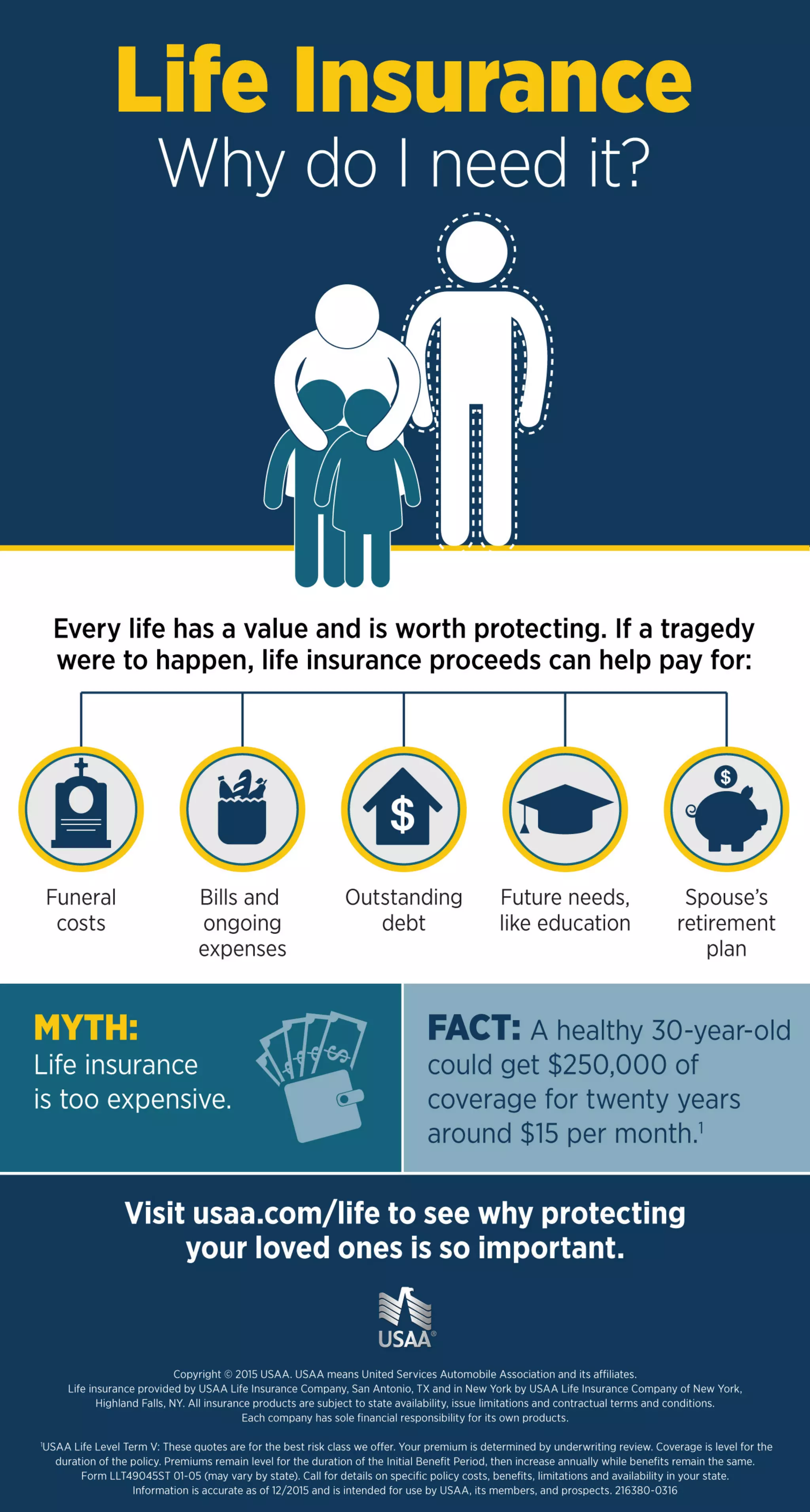
Life insurance policy coverage serves as a critical financial safety net, providing a tax-free lump sum to your beneficiaries upon your death. It is designed to replace lost income, settle outstanding debts like mortgages, and cover final expenses, ensuring that your dependents maintain financial stability and do not inherit a legacy of debt or insolvency.
Contents
For many, the concept of life insurance feels distant or unnecessary until a major life event occurs. However, in the financial landscape of 2026, where economic volatility and rising living costs are persistent factors, understanding the utility of life insurance is paramount. This coverage is not merely a "death benefit"; it is a versatile financial tool that provides peace of mind and strategic advantages for estate planning and wealth preservation.
The Primary Function: Income Replacement
The most significant reason individuals secure life insurance is to replace the income that would be lost if they were no longer able to provide for their families. If you are the primary or a co-primary earner, your household likely relies on your salary to cover recurring costs such as groceries, utilities, transportation, and healthcare.
In 2026, the "Human Life Value" approach remains the gold standard for determining coverage. This calculation considers your current earnings, expected future raises, and the number of years remaining until retirement. Without life insurance, a family may be forced to downsize their home, liquidate retirement savings, or compromise on educational opportunities for children. By maintaining adequate coverage, you ensure that your family’s standard of living is preserved, allowing them the space to grieve without the immediate pressure of financial ruin.
Protection Against Debt and Liabilities
Life insurance is often the only thing standing between a surviving spouse and the loss of the family home. Most households carry significant debt, and while some debts are discharged upon death, others—particularly those with co-signers or secured by assets—remain the responsibility of the survivors.
Mortgage Protection
A mortgage is typically the largest debt a person will ever carry. If you die unexpectedly, your spouse or partner may not be able to manage the monthly payments on a single income. A life insurance policy with a face value equal to the remaining mortgage balance allows the survivors to pay off the home entirely, providing them with the security of a debt-free roof over their heads.
Student Loans and Personal Debt
While federal student loans are often discharged upon the death of the borrower, private student loans often are not. If a parent or spouse co-signed these loans, they become liable for the balance. Similarly, credit card balances in community property states or co-signed personal loans can deplete an estate. Life insurance provides the liquidity necessary to clear these balances immediately.
Understanding the Different Types of Coverage
Choosing the right policy depends on your financial goals, age, and budget. In 2026, the two primary categories—Term and Permanent—continue to offer distinct advantages.
Term Life Insurance
Term life insurance provides coverage for a specific period, usually 10, 20, or 30 years. It is the most affordable form of coverage because it only pays a benefit if the insured dies within the specified term. This is ideal for young families who need high coverage amounts to protect against the loss of income during their most vulnerable years, such as while raising children or paying off a mortgage.
Permanent Life Insurance
Permanent life insurance, which includes Whole Life and Universal Life, provides lifelong coverage as long as premiums are paid. These policies include a "cash value" component that grows over time on a tax-deferred basis.
- Whole Life: Offers fixed premiums and a guaranteed death benefit, alongside a cash value component that grows at a set rate.
- Universal Life: Provides more flexibility, allowing policyholders to adjust their premiums and death benefits as their financial situation changes.
| Feature | Term Life Insurance | Whole Life Insurance | Universal Life Insurance |
|---|---|---|---|
| Duration | Fixed (10-30 years) | Lifelong | Lifelong |
| Premium Cost | Low / Affordable | High / Fixed | Moderate / Flexible |
| Cash Value | None | Guaranteed Growth | Market-Linked / Variable |
| Complexity | Simple | Moderate | High |
| Best For | Income replacement | Estate planning | Wealth transfer flexibility |
The Role of Life Insurance in Estate Planning
For high-net-worth individuals, life insurance is less about day-to-day survival for heirs and more about the efficient transfer of wealth. Estate taxes can significantly diminish the value of an inheritance. Life insurance proceeds are generally paid out tax-free to beneficiaries, providing the cash needed to pay estate taxes without having to sell off illiquid assets like real estate or a family business.
Furthermore, life insurance can be used to achieve "estate equalization." For example, if a business owner wants to leave their company to one child who is active in the business but wants to ensure their other children receive an equal inheritance, a life insurance policy can provide the necessary funds to satisfy the other heirs.
Business Continuity and "Key Person" Insurance
If you are a business owner or a partner in a firm, life insurance is vital for the survival of the enterprise. Key Person Insurance protects a business from the financial impact of losing a top executive or a specialized employee whose knowledge or skills are central to the company’s success.
Additionally, Buy-Sell Agreements funded by life insurance allow surviving partners to buy out a deceased partner’s share of the business from their heirs. This ensures that the business remains in the hands of the remaining partners while providing the deceased partner’s family with fair market value for their interest in the company.
Why You Should Not Rely Solely on Employer-Provided Coverage
Many professionals in 2026 receive "Group Life Insurance" as a workplace benefit. While this is a valuable perk, it is rarely sufficient for a full financial plan. Most employer plans offer a benefit equal to one or two times your annual salary. For a family with a mortgage and young children, experts typically recommend coverage equal to 10 to 15 times your annual income.
Furthermore, employer-sponsored coverage is usually not portable. If you change jobs, get laid off, or the company reduces benefits, you may lose your coverage entirely. Purchasing a private, individual policy ensures that your protection remains in force regardless of your employment status.
Factors That Influence Life Insurance Premiums
Securing life insurance early is one of the most effective ways to manage costs. Insurance companies determine premiums based on risk, and several factors play a role in this assessment:
- Age: Premiums increase significantly as you get older. Locking in a rate in your 20s or 30s can save tens of thousands of dollars over the life of the policy.
- Health Status: In 2026, many insurers use "accelerated underwriting," which analyzes medical records and prescription history. Chronic conditions like diabetes or heart disease will result in higher premiums.
- Lifestyle Choices: Smoking, excessive alcohol consumption, or engaging in high-risk hobbies like skydiving can increase your risk profile.
- Policy Type and Amount: Naturally, a $2 million permanent policy will cost significantly more than a $500,000 term policy.
Frequent Questions About Life Insurance Coverage
At what age should I buy life insurance?
Generally, the best time to buy is as soon as you have people who depend on your income. However, buying a policy while you are young and healthy, even before having dependents, allows you to lock in the lowest possible rates. Many individuals in 2026 purchase small policies in their early 20s to guarantee "insurability" later in life.
Can I have multiple life insurance policies?
Yes, you can hold multiple policies from different providers. This is often referred to as "laddering." For example, you might have a 30-year term policy to cover your mortgage and a separate 10-year policy to cover the years your children are in college. This approach allows you to tailor your coverage to your specific needs at different stages of life.
Is the payout from life insurance taxable?
In most jurisdictions, including the United States, the death benefit paid to beneficiaries is not considered taxable income. This is one of the primary advantages of life insurance over other forms of inheritance. However, if the death benefit is paid into an estate rather than to a named beneficiary, it may be subject to estate taxes if the total estate value exceeds certain thresholds.
What happens if I outlive my term life insurance policy?
If you outlive a term policy, the coverage simply expires. You do not receive a refund of premiums unless you purchased a "Return of Premium" (ROP) rider, which is typically more expensive. Many people use the expiration of a term policy as a milestone, signaling that they are now "self-insured" through their accumulated savings and investments.
Does life insurance cover suicide?
Most life insurance policies include a "suicide clause," which typically lasts for the first two years of the policy. If the insured dies by suicide within this window, the company will generally only refund the premiums paid. After the clause period expires, the death benefit is usually paid out, though it is essential to check the specific language of your contract.
Practical Next Steps for Securing Coverage
To ensure you have the right life insurance coverage in 2026, begin by calculating your total financial obligations. Use the DIME method (Debt, Income, Mortgage, Education) to estimate your needs. Once you have a target number, compare quotes from multiple highly-rated insurers.
Check the financial strength ratings of any insurance company you consider through agencies like A.M. Best or Moody's. A life insurance policy is a long-term promise; you must be certain the company has the financial stability to fulfill that promise decades into the future. Finally, consult with a licensed insurance advisor or financial planner to ensure the policy integrates seamlessly with your broader investment and retirement strategy.
Image Gallery