Navigating Auto Insurance Used for a Business Tax Deductible
Whether auto insurance used for a business is tax-deductible depends primarily on how the vehicle is used, who owns it, and the specific accounting method chosen by the taxpayer. Business owners, self-employed individuals, and independ...
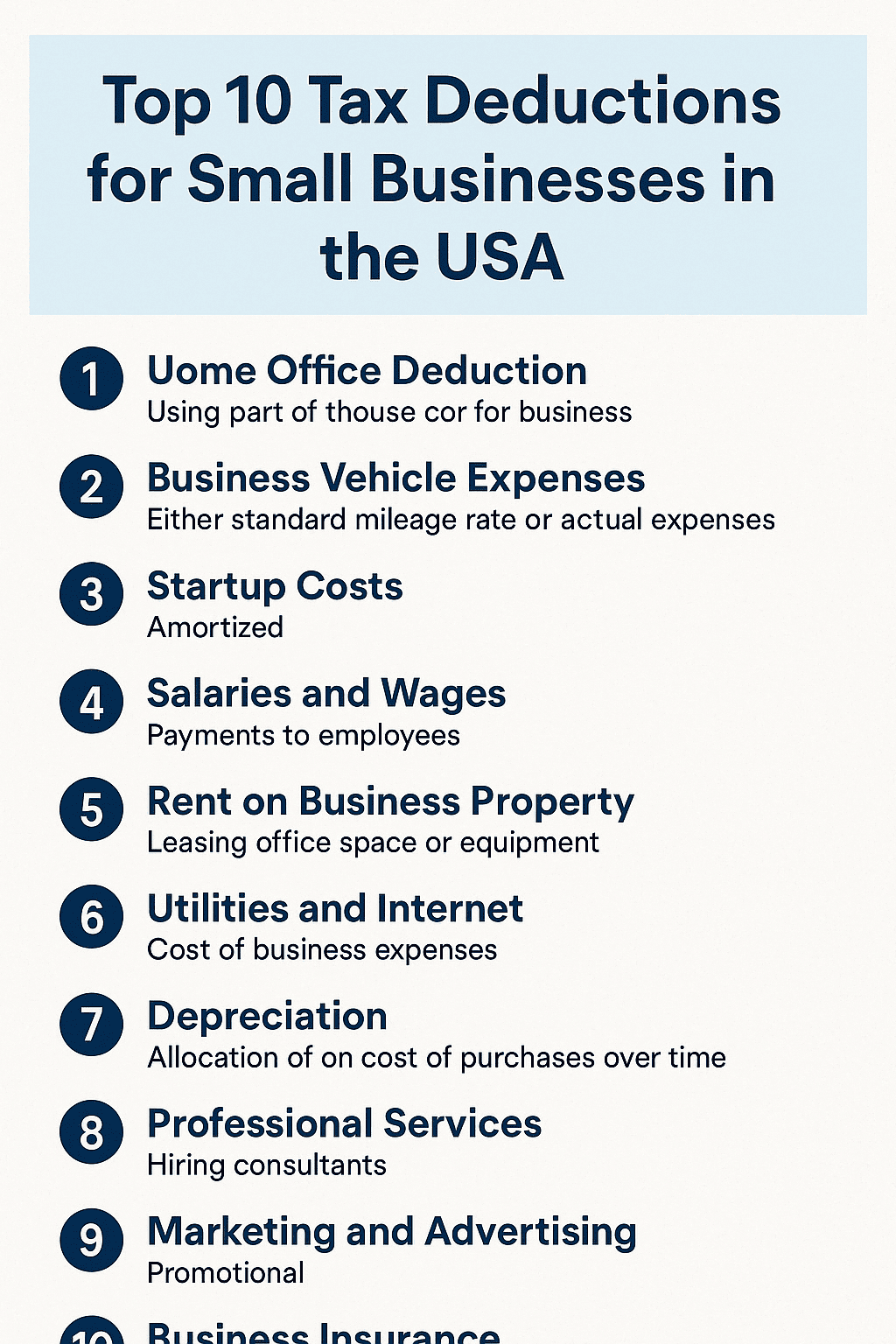
Whether auto insurance used for a business is tax-deductible depends primarily on how the vehicle is used, who owns it, and the specific accounting method chosen by the taxpayer. Business owners, self-employed individuals, and independent contractors frequently rely on vehicles to conduct daily operations, visit clients, transport equipment, or commute to temporary job sites. When these vehicles are insured, the associated premiums can represent a significant operational expense. Navigating the tax rules enforced by revenue authorities such as the Internal Revenue Service requires a clear understanding of business versus personal use percentages, the difference between standard mileage deductions and actual expense methods, and the strict record-keeping requirements necessary to substantiate these claims legally.
Contents
Core Rules Governing Business Auto Insurance Deductions
To deduct auto insurance premiums on a business tax return, the vehicle must be used for ordinary and necessary business purposes. An ordinary expense is one that is common and accepted in your trade or business, while a necessary expense is one that is helpful and appropriate. Insurance coverage that protects a vehicle utilized exclusively for commercial operations is fully deductible as a standard business operating expense. However, when a vehicle serves a dual purpose—handling both personal errands and commercial tasks—the deduction must be meticulously apportioned.
Taxpayers cannot write off the entire insurance premium for a personal vehicle simply because it occasionally drives to a client meeting or hauls office supplies. Instead, the deduction is limited to the business-use percentage of the vehicle. For sole proprietors filing Schedule C, self-employed individuals, and small business owners, determining this percentage accurately is the foundation of tax compliance. Commuting expenses—traveling from a primary residence to a regular, permanent workplace—are universally classified as personal expenses and cannot be deducted, regardless of whether business calls are made or documents are reviewed during the drive.
Sole Proprietorships and Pass-Through Entities
The mechanism for claiming auto insurance deductions varies depending on the legal structure of the enterprise. For sole proprietors, single-member LLCs, and independent contractors, business expenses are typically reported on Schedule C of Form 1040. If the vehicle is owned by the business entity—such as a multi-member LLC, a partnership, or a corporation—and is used exclusively for commercial purposes, the company pays the insurance premium directly and deducts it as a standard business expense on its corporate or partnership tax return.
When an employee or owner uses a personal vehicle for corporate business, the business can reimburse the individual for the business-use portion of the insurance, maintenance, and operation costs through an accountable plan. Under an accountable plan, these reimbursements are excluded from the employee's taxable income, provided the expenses have a clear business connection, are substantiated with adequate records within a reasonable timeframe, and any excess reimbursements are returned to the company.
Methods for Calculating Vehicle Deductions: Actual Expenses vs. Standard Mileage
When deducting vehicle-related costs, taxpayers generally choose between two primary accounting methods: the Actual Expense Method and the Standard Mileage Rate Method. The choice of method dictates how auto insurance premiums enter the tax calculation.
| Deduction Method | Treatment of Auto Insurance Premiums | Other Included Expenses | Record-Keeping Burden |
|---|---|---|---|
| Actual Expense Method | Deductible based on the exact percentage of business-use miles driven over the total miles. | Gas, oil, repairs, tires, registration fees, lease payments, and vehicle depreciation. | Extremely high; requires tracking every receipt, invoice, and total mileage. |
| Standard Mileage Rate | Not deductible separately. The flat mileage rate is inclusive of insurance. | Gas, maintenance, insurance, and depreciation are all bundled into the per-mile rate. | Moderate; requires a contemporaneous mileage log with dates, miles, and business purpose. |
The Actual Expense Method Breakdown
Using the Actual Expense Method means calculating the total cost of operating the vehicle for the entire year and multiplying that total by the vehicle's business-use percentage. Under this approach, auto insurance is itemized alongside fuel, repairs, maintenance, license fees, and depreciation.
For example, if an annual auto insurance policy costs $1,800, and the vehicle is driven 15,000 total miles during the year, with 10,000 of those miles dedicated to verifiable business activities, the business-use percentage is 66.67 percent ($10,000 / $15,000). Applying that percentage to the insurance cost yields a deductible insurance amount of $1,200. Maintaining pristine records of all operating expenditures and total mileage is mandatory to defend this calculation in the event of an audit.
The Standard Mileage Rate Method
The Standard Mileage Rate is a simplified alternative set periodically by tax authorities. For vehicles utilizing this method, a fixed rate is applied to every business mile driven during the tax year.
Crucially, the standard mileage rate is all-inclusive. It is designed to cover the total costs of operating an automobile, which legally incorporates gas, oil changes, routine repairs, vehicle depreciation, and auto insurance. Therefore, taxpayers who opt for the standard mileage rate cannot deduct auto insurance premiums as a separate line item. Attempting to claim both the standard mileage rate and separate actual expenses like insurance constitutes a double deduction and violates tax regulations.
Eligibility Requirements and Documentation Standards
Claiming any vehicle-related deduction requires strict adherence to substantiation rules. Tax authorities require reliable evidence to prove the business use of an automobile. Inadequate documentation is one of the most common triggers for audit adjustments and the disallowance of deductions.
Contemporaneous Mileage Logs
Regardless of whether a taxpayer chooses the actual expense method or evaluates business-use percentages, maintaining a contemporaneous mileage log is essential. A valid log should capture specific data points for every business trip:
- The exact date of the trip.
- The starting and ending destinations, along with the business purpose or client met.
- The odometer readings at the beginning and end of each trip, or the total mileage driven for the specific business activity.
- The total miles driven for the vehicle over the course of the entire calendar year, distinguishing clearly between personal, commuting, and business miles.
Modern digital applications and GPS tracking tools can automate this process, generating timestamped reports that satisfy compliance standards. Relying on estimated guesses or reconstructing mileage logs months after the tax year has closed is legally insufficient and frequently rejected by examiners.
Additional Insurance Coverages and Special Business Scenarios
Beyond standard personal auto policies with business endorsements or dedicated commercial auto policies, business owners often encounter specialized insurance products that carry distinct tax implications.
Commercial Auto Insurance vs. Personal Policies with Endorsements
If a vehicle is titled in the name of a corporation or partnership, or if it is heavily utilized for commercial hauling, tool transport, or client visits beyond standard commuting, a standard personal auto policy may deny coverage during an accident. Transitioning to a commercial auto policy protects business liability. The entire cost of a dedicated commercial auto policy is generally fully deductible if the vehicle is used 100 percent for business and is parked at the business location overnight. If the vehicle is driven home and used for personal reasons, the personal-use portion must be calculated and excluded, or treated as a taxable fringe benefit if provided to an employee.
Non-Owned and Hired Auto Insurance
Businesses whose employees occasionally use their personal vehicles for company errands—such as running to the post office or visiting a local supplier—often purchase Hired and Non-Owned Auto Insurance (HNOA). This coverage protects the business against liability arising from accidents involving vehicles it does not directly own, lease, or register. Because HNOA insurance is strictly a commercial liability policy protecting business operations, the premiums paid for this coverage are 100 percent tax-deductible as ordinary business operating expenses.
Professional Advice Limitation
Tax laws surrounding vehicle deductions, depreciation limits (such as Section 179 and bonus depreciation caps on passenger automobiles, trucks, and SUVs), and corporate reimbursements are complex and subject to periodic legislative adjustments. Business owners and self-employed individuals should consult a qualified Certified Public Accountant (CPA) or licensed tax professional to ensure their specific entity structure and vehicle usage patterns comply with current regulations.
Frequently Asked Questions
Can I deduct my auto insurance if I take the standard mileage rate?
No. The standard mileage rate is a comprehensive, all-inclusive figure established by tax authorities to cover the operating costs of a vehicle. This bundle specifically incorporates gas, maintenance, wear and tear, depreciation, and auto insurance. Claiming separate actual expenses like insurance while simultaneously using the standard mileage rate is prohibited.
What happens if I use my car for both personal and business driving?
When a vehicle serves a dual purpose, you must apportion your expenses based on your business-use percentage. Under the actual expense method, you calculate your total annual insurance premium and multiply it by the fraction of business miles driven over total miles driven. Personal and commuting miles cannot be included in this calculation.
Are premiums for a personal auto policy deductible if I am a W-2 employee?
Under current tax legislation, unreimbursed employee business expenses—including vehicle insurance and maintenance for employees who drive their personal cars for work—are generally not deductible for federal income tax purposes. Employees should seek an accountable reimbursement plan through their employer to recover these costs tax-free.
Does insuring a vehicle in my business name make the insurance 100% deductible?
Not automatically. Even if the vehicle's title and insurance policy are held in the name of a business entity, any personal use of that vehicle by an owner or employee must be accounted for. If personal use occurs, the non-business portion must either be treated as a taxable fringe benefit or the deduction must be proportionally reduced to reflect only the legitimate business use.
What kind of records do I need to keep to support my insurance deduction?
You must maintain a contemporaneous mileage log detailing dates, destinations, business purposes, and mileage for every trip, alongside total annual mileage. If using the actual expense method, you must also retain all original receipts, invoices, and policy statements proving the exact amount paid for auto insurance and other operating costs.
Conclusion and Next Actions
Deducting auto insurance used for business purposes requires careful classification, accurate mileage tracking, and an understanding of the boundary between personal commuting and commercial operations. To secure your deductions cleanly, begin by establishing a reliable, contemporaneous mileage tracking routine using a digital log or physical journal. Next, evaluate whether the actual expense method or the standard mileage rate yields the most advantageous financial result for your specific vehicle and driving volume. Finally, gather your annual insurance statements and consult a qualified tax professional or accountant to ensure your filings align with current compliance guidelines before submitting your tax return.
Image Gallery