Is Spectrum Fiber Internet Good? Performance, Pricing, and Reliability Analyzed
Spectrum Fiber internet is a high-performance connectivity solution that delivers symmetrical upload and download speeds via fiber-to-the-premises (FTTP) technology. While its availability is more limited than Spectrum’s traditional ca...
Spectrum Fiber internet is a high-performance connectivity solution that delivers symmetrical upload and download speeds via fiber-to-the-premises (FTTP) technology. While its availability is more limited than Spectrum’s traditional cable service, it offers superior latency, reliability, and bandwidth for heavy users, making it a top-tier choice for modern households in 2026.
Contents
As we navigate the digital landscape of 2026, the distinction between "cable" and "fiber" has become the primary factor for consumers choosing an Internet Service Provider (ISP). Spectrum, historically known for its massive Hybrid Fiber-Coaxial (HFC) network, has aggressively expanded its pure fiber footprint. For consumers asking "is Spectrum fiber internet good," the answer depends largely on whether you are accessing their legacy cable network or their newer Fiber-to-the-Premises (FTTP) infrastructure.
Understanding Spectrum’s Fiber Infrastructure
To evaluate if Spectrum Fiber is "good," one must first understand what it actually is. In the early 2020s, Spectrum (Charter Communications) began a massive expansion project, fueled largely by the Rural Digital Opportunity Fund (RDOF) and internal capital investments. This resulted in two distinct types of high-speed service under the Spectrum brand.
Fiber-to-the-Premises (FTTP)
This is "true" fiber. In these installations, an optical fiber line runs directly into your home or business. There is no copper or coaxial cable involved in the final mile of delivery. This technology is primarily found in newly constructed housing developments and rural areas where Spectrum built its network from the ground up starting in 2021. In 2026, this remains the gold standard of connectivity because optical signals do not degrade over distance like electrical signals in copper.
The "High-Split" HFC Network
It is important to disambiguate true fiber from Spectrum’s upgraded cable network. By 2026, Spectrum has completed "high-split" upgrades across much of its traditional footprint. While this still uses coaxial cable for the final connection, it utilizes a wider frequency range to offer symmetrical speeds (e.g., 1 Gbps down and 1 Gbps up). While technically not "fiber-to-the-home," the performance of a high-split cable connection is often indistinguishable from fiber for most residential tasks.
Speed and Performance Metrics
The primary reason users switch to fiber is speed—specifically upload speed. Traditional cable internet is asymmetric, meaning download speeds are high, but upload speeds are significantly throttled (often capped at 35 Mbps). Spectrum Fiber removes this bottleneck.
Symmetrical Bandwidth
With Spectrum Fiber, if you subscribe to a 1 Gig plan, you receive approximately 1,000 Mbps for both downloads and uploads. This is critical for:
- Remote Work: High-quality video conferencing and uploading large files to cloud servers or VPNs.
- Content Creation: Uploading 4K video to platforms like YouTube or streaming on Twitch.
- Cloud Backups: Syncing large photo libraries or system backups to services like iCloud or Google Drive.
Latency and Jitter
Fiber optics transmit data using light pulses rather than electrical signals. This results in significantly lower latency (ping). In 2026, where cloud gaming and real-time interactive applications are standard, Spectrum Fiber typically delivers pings in the 5ms to 15ms range. Because fiber is immune to electromagnetic interference (EMI) from power lines or household appliances, the "jitter" (variation in latency) is also much lower than cable, providing a smoother experience for competitive gaming.
Reliability and Environmental Durability
Fiber is inherently more reliable than copper-based systems. Coaxial cables are prone to corrosion, signal leakage, and weather-related interference. Furthermore, cable networks often rely on active electronic components (nodes) located in neighborhoods that require local power.
Spectrum’s FTTP network is largely passive. This means there are fewer points of failure between the central office and your home. Fiber lines are also buried deeper or shielded more effectively in 2026 installations, making them less susceptible to the service outages that plagued older cable networks during extreme heat or heavy storms. For users who cannot afford downtime—such as home-based professionals or medical researchers—the reliability of Spectrum Fiber is a significant advantage.
Pricing and Contract Structures in 2026
Spectrum maintains a competitive pricing strategy to rival other major fiber providers like AT&T and Google Fiber. As of 2026, their pricing model generally avoids the long-term contracts that were common in the previous decade.
Promotional vs. Standard Pricing
Spectrum typically offers a "new customer" promotional rate that lasts for 12 to 24 months. It is vital to understand that after this period, the price will revert to the "standard" rate, which can be $20 to $30 higher per month.
Data Caps and Hidden Fees
A major "pro" for Spectrum Fiber is the lack of data caps. Unlike some satellite or cellular-based internet providers, Spectrum does not throttle your speed or charge overage fees, regardless of how much 8K video you stream or how many terabytes you download.
- Installation Fees: Fiber installations often require a professional technician to run the optical line into the home, which may incur a one-time fee ranging from $50 to $200, though this is frequently waived during promotions.
- Equipment Costs: Spectrum usually includes the Optical Network Terminal (ONT) for free, but they may charge a monthly fee (typically around $7) for their pre-configured WiFi 6E or WiFi 7 routers. Users can avoid this by using their own compatible router.
Spectrum Fiber Comparison Table
The following table compares Spectrum’s Fiber (FTTP) service against its traditional Cable (HFC) service and a typical national fiber competitor.
| Feature | Spectrum Fiber (FTTP) | Spectrum Cable (Upgraded) | Typical National Fiber |
|---|---|---|---|
| Max Download Speed | 2 Gbps+ | 1.2 Gbps | 5 Gbps |
| Max Upload Speed | 2 Gbps+ | 1 Gbps (High-Split) | 5 Gbps |
| Latency (Typical) | 5–15 ms | 15–30 ms | 5–15 ms |
| Data Caps | None | None | None |
| Contract Required | No | No | Varies |
| Symmetrical Speeds | Yes | Yes (in upgraded areas) | Yes |
| Primary Medium | Optical Fiber | Coaxial Copper | Optical Fiber |
Equipment and Technical Requirements
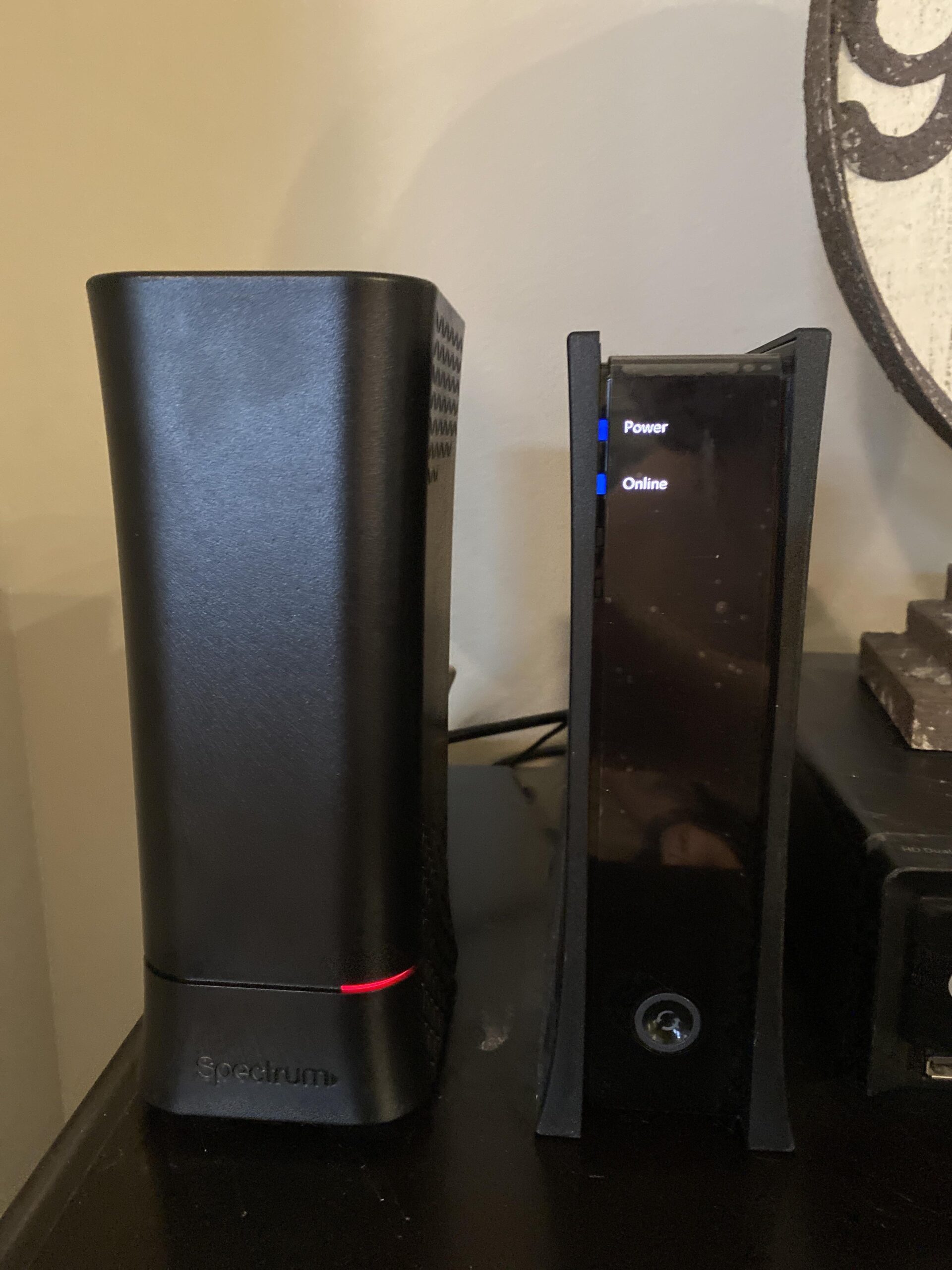
To get the most out of Spectrum Fiber, the hardware in your home must be capable of handling gigabit or multi-gigabit speeds. When Spectrum installs fiber, they provide an Optical Network Terminal (ONT). This device converts the light signal from the fiber optic cable into an electrical signal that your router can understand via an Ethernet port.
In 2026, Spectrum’s standard equipment includes WiFi 6E or WiFi 7 routers. If you live in a large home, you will likely need a Mesh WiFi system to ensure that the fiber speeds reach every corner of the house. It is important to note that even with a 1 Gig fiber connection, you will rarely see those speeds on an older smartphone or laptop over WiFi; a hardwired Ethernet connection (Cat6 or Cat6a) is required to hit the maximum theoretical speeds.
Potential Drawbacks
While the service itself is high-quality, there are a few caveats to consider:
- Availability: True Spectrum Fiber is still not available everywhere. Most urban and suburban customers are still on the HFC network.
- Customer Service: Historically, Spectrum has faced challenges with customer satisfaction ratings regarding their billing and support departments. While technical reliability is high on fiber, resolving a billing dispute or scheduling a repair can still be a bureaucratic process.
- Hardware Fees: The monthly WiFi fee is a point of contention for many tech-savvy users who prefer to use their own mesh systems.
Is Spectrum Fiber Better Than the Competition?
If you have a choice between Spectrum Fiber and another fiber provider like AT&T Fiber or Google Fiber, the decision often comes down to price and "perks." AT&T often bundles mobile service discounts, while Google Fiber is known for its simple, transparent pricing. However, if the choice is between Spectrum Fiber and a 5G Home Internet service or a traditional DSL line, Spectrum Fiber is the definitive winner in every performance category.
Frequently Asked Questions
Does Spectrum Fiber require a special modem?
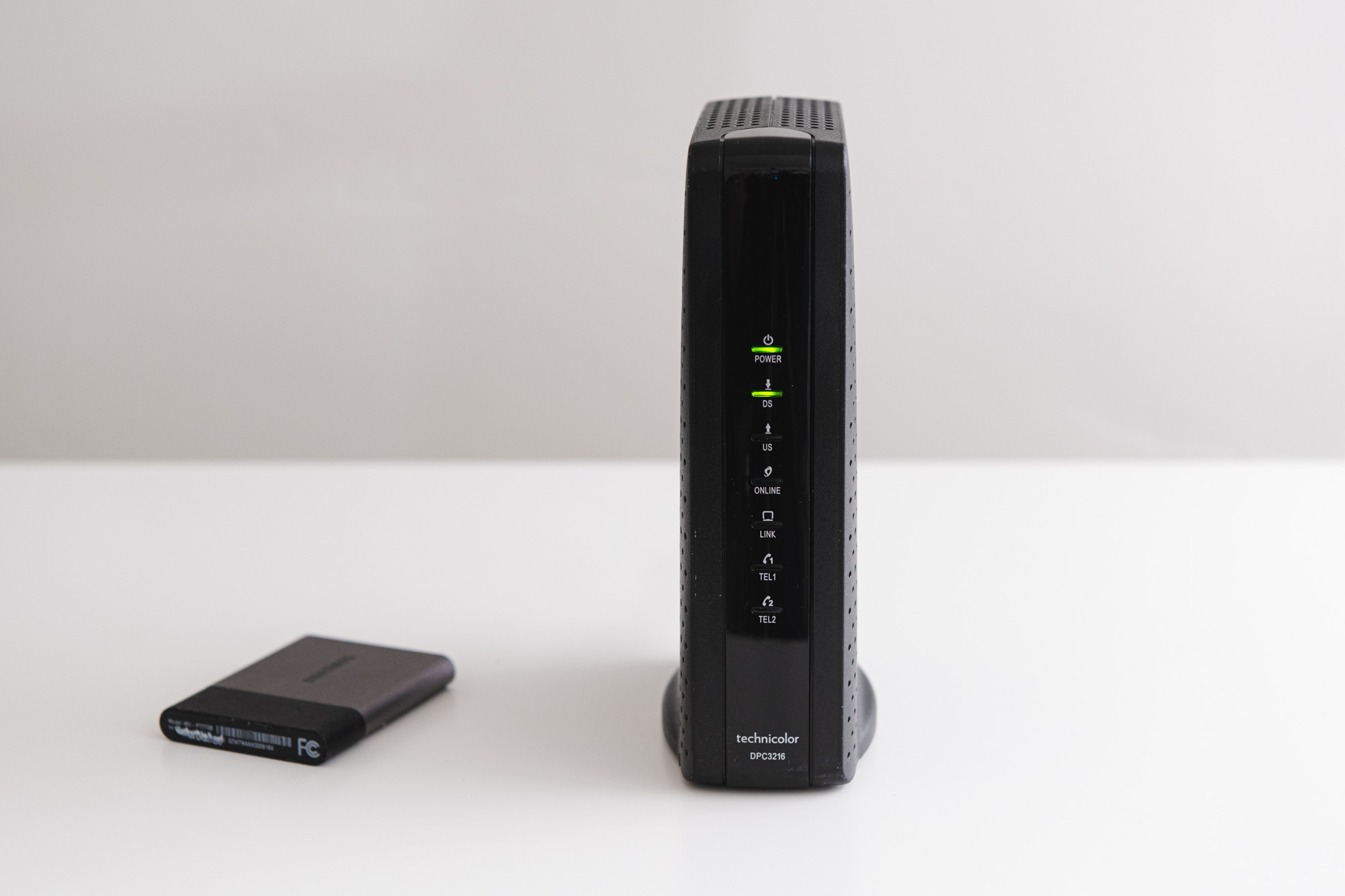
You do not use a traditional cable modem with Spectrum Fiber. Instead, Spectrum provides an Optical Network Terminal (ONT). You can then connect any high-performance router to the ONT using a standard Ethernet cable.
Is Spectrum Fiber available in my area?
Availability is highly localized. Generally, if you live in a "new build" community or a rural area recently reached by Spectrum’s RDOF expansion, you likely have fiber. You can verify your address on the Spectrum official website to see if "Fiber" is explicitly mentioned in the plan details.
How does Spectrum Fiber perform for gaming?
Spectrum Fiber is excellent for gaming. The low latency (ping) and high stability of the fiber connection minimize "lag spikes" and provide a competitive advantage in fast-paced online games.
Are there any data limits on Spectrum Fiber?
No. Spectrum Fiber plans in 2026 do not have data caps. You can use as much data as you need for streaming, gaming, and working without worrying about overage charges or speed throttling.
What is the difference between Spectrum Internet and Spectrum Fiber?
"Spectrum Internet" is a broad brand name that covers both their cable and fiber services. The primary difference is the delivery method: cable uses coaxial wires, while fiber uses glass strands. Fiber offers much higher upload speeds and better reliability.
Final Recommendation
Spectrum Fiber is an excellent choice for anyone who has access to it in 2026. Its symmetrical speeds, lack of data caps, and high reliability make it superior to almost any cable or wireless internet option. It is particularly "good" for households with multiple people working from home, gamers who require low latency, and families that stream high-definition content on multiple devices simultaneously. If it is available at your address, it is likely the most stable and future-proof connection you can get.
Image Gallery